The mayor hands over 7,308 properties to a private company, suspicions of robbery with official seal
The Democratic Party has denounced a tender held by the Hi...

The Democratic Party has denounced a tender held by the Hi...

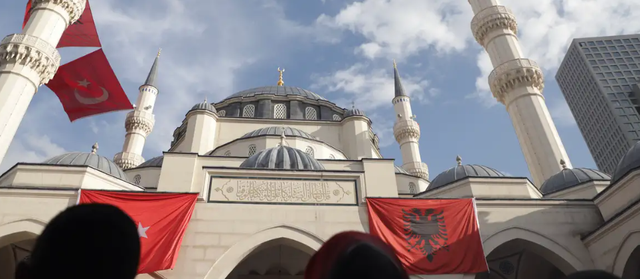
By building mosques, Turkey aims to secure its influence in the Western Balkans and spread conservative Islam. These religious buildings are also part of Erdogan's geopolitical agenda.
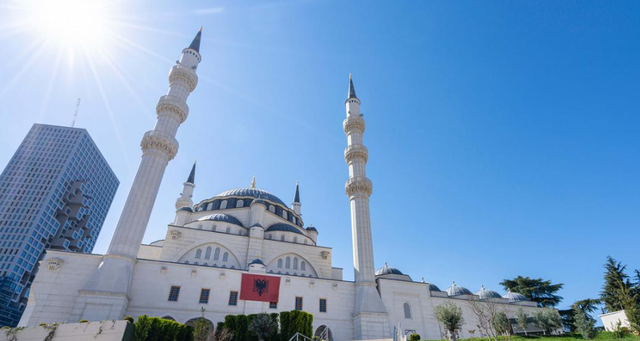
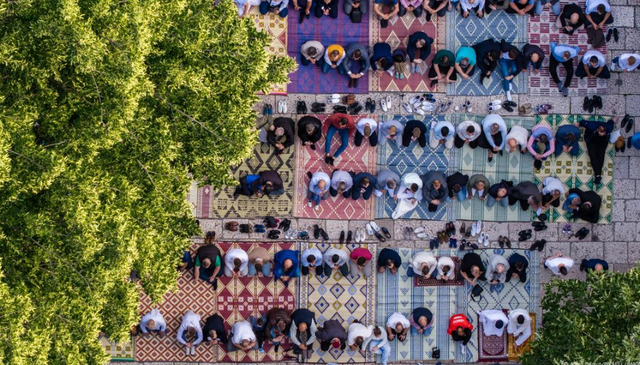
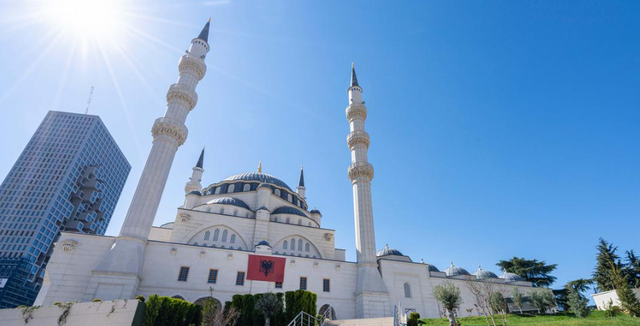
The Namazgja Mosque in the Albanian capital, Tirana, with its 50-meter-high minarets and space for approximately 8,000 worshippers, is one of the most impressive places of Islamic worship in the Western Balkans. It was financed, among other things, with around 30 million euros by the Turkish religious authority, Diyanet. Its architectural model is the Blue Mosque in Istanbul.
In October 2024, Turkish President Erdogan visited Tirana to inaugurate the mosque after a construction period of about ten years. There, he also signed an agreement for cooperation with Albania in agriculture and education and donated several drones manufactured in Turkey.
Furthermore, the Diyanet secured influence on the board of the new mosque and a Turkish imam was appointed - which caused discontent in Albanian society.
After the fall of communism in 1990, a Catholic cathedral and an Orthodox cathedral were built in Tirana, in 2001 and 2014, respectively. They were followed by a mosque. Under dictator Enver Hoxha, Albania declared itself the first atheist country. Starting in 1967, religions were banned and all religious institutions were closed.
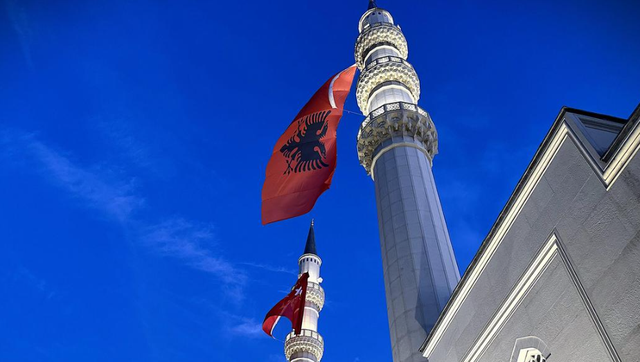
"The example of the Namazgja Mosque shows how Turkey acts as a regional power in the Western Balkans and tries to increase its influence through the construction of mosques," says Natalie Clayer, a social affairs researcher at the Ecole des Hautes Etudes en Sciences Sociales (EHESS) in Paris. Mosque construction, as a form of power, is closely intertwined with economic, political and military interests. "However, local actors certainly have some freedom of action and are using it," says Clayer.
The Turkish side constantly emphasized its interests: For two years, from 2017 to 2019, construction work on the Namazgja Mosque was suspended because Turkey demanded that Albania extradite several individuals suspected of being linked to the Gülen movement.
After the 2016 coup attempt, Erdogan blamed the movement of the now-deceased preacher Fethullah Gulen and persecuted its members at home and abroad. Construction work resumed only after the suspects were extradited to Turkey.
Turkey has replaced Saudi Arabia
Even when a mosque is built with external funding, the initiative usually comes from local communities, who also contribute part of the costs. However, when it comes to large religious buildings in capitals, the interests of national and external actors are usually also at play, says Nathalie Clayer. "The image of the state, the needs of the Islamic community, national self-confidence and the demands on other religions - all these factors play a role in the construction of a place of worship and the choice of architectural models."
Turkey is currently the leader in the Western Balkans in financing the construction of mosques. This was not the case in the first years after the collapse of the former Yugoslavia.
In Bosnia and Herzegovina, around 600 mosques were completely destroyed and hundreds more were damaged during the 1992-1995 war, as expert Robin Cognée writes in his study on the construction of mosques in Bosnia and Herzegovina.
After the end of the war in 1995, Saudi Arabia was initially the main sponsor of the reconstruction of mosques in this Western Balkan country. After the attacks of September 11, 2001 and Erdogan's rise to power in 2002, Turkey took an increasingly central place in BiH as well.
Nationalism instead of Islam
On the other hand, Saudi Arabia has increasingly withdrawn under Prince Mohammed bin Salman. Saudi-funded mosque projects have been handed over to local hands.
In "Vision 2030," which sets out Saudi policy priorities until the end of the decade, bin Salman prioritized the restoration of historic mosques in Saudi Arabia itself and the preservation of its cultural heritage.
“Wahhabi Islam is less important in Saudi Arabia today than nationalism,” says Kristin Smith Diwan of the Gulf States Institute in Washington, D.C. Bin Salman has at least officially said goodbye to Wahhabi Islam, which Saudi Arabia has long exported: He described it as outdated in a televised speech in 2021.
Erdogan's "infrastructural imperialism"
Turkey sees itself as the heir to the Ottoman Empire in the Western Balkans and stresses its claim to be a regional power. This has to do with more than just the religious policy of the government under Erdogan's AKP Party.
Mosque construction is just one component of Turkey's infrastructure policy - not just in the Western Balkans, but also in the Caucasus, Central Asia, North Africa and sub-Saharan Africa, says Rebecca Bryant, professor of cultural anthropology at Utrecht University. Mosque construction should be seen in a broader geopolitical context.
Whether railway lines, ports, hotels or shopping malls: Turkish investors are operating on a large scale from Sarajevo in Bosnia to Batumi in Georgia, from Astana, the capital of Kazakhstan, to Northern Cyprus and Senegal.
Astana's futuristic skyline, for example, was largely built by Turkish construction companies, Bryant says. Many of the contracts were awarded to construction firms with direct ties to Erdogan. Bryant calls this form of political influence "infrastructure imperialism."
Megaprojects like the complex that includes the presidential palace, parliament building, large hotels and a mosque (the latter was not yet completed at the time of the inauguration), which Erdogan inaugurated in May 2024 in the Turkish-controlled part of Nicosia, Northern Cyprus, after five years of construction, are "geopolitical sites where Turkey expresses its vision for the future."
Erdogan relies on ethnic, religious or historical similarities and uses rhetoric of "brotherhood" and a "common destiny" that links Turkey with these countries. The projects are intended to signal: "We are the future. We are more modern than the West," explains cultural anthropologist Bryant. Thus, the construction of mosques is a cornerstone of a Turkish vision of the future, in which the West is no longer the endpoint of progress./ DW

The hearing begins at the GJKKO for the famous 5D file, wh...
Joint operation between SPAK and Italian authorities again...
Economics expert, Brisida Shehaj, has reacted to the B...
During the last 24 hours, 29 fires have been reported, of ...
Today's court hearing on the "Golden Bullet" case was acco...
The Prosecutor's Office at the First Instance Court of Gen...
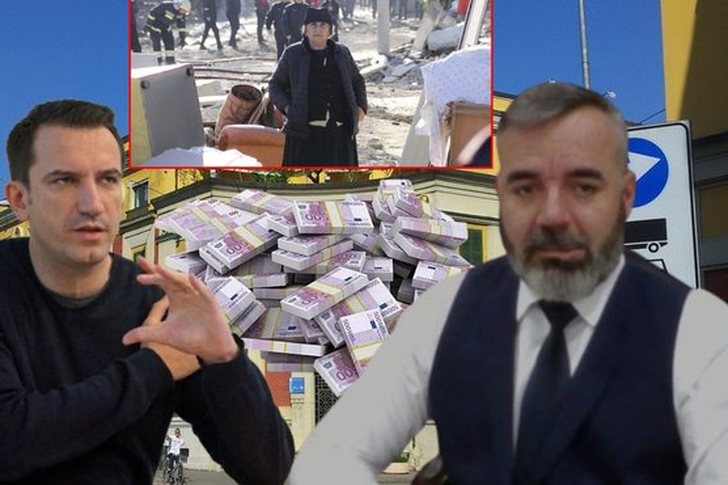
The demolition of private houses by the Tirana municipalit...
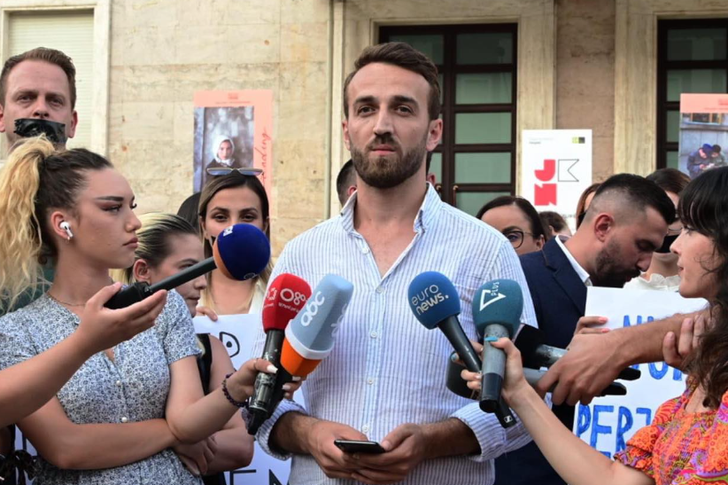
Following the publication of an article by Eu Reporter, wh...
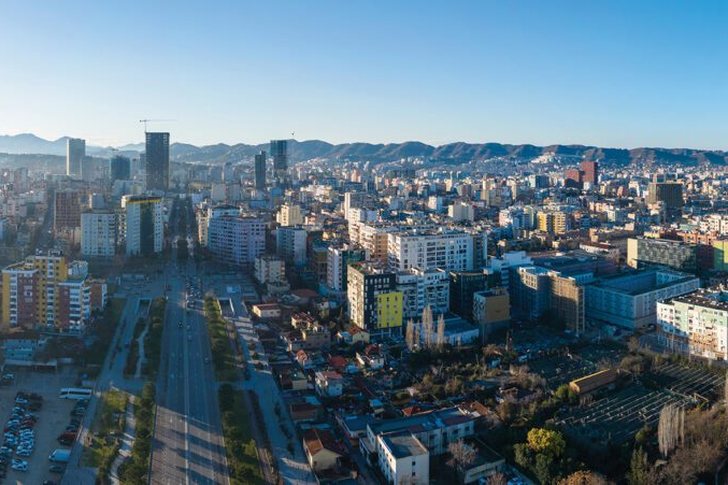
High temperatures and heat waves that have become longer a...

UKT announces that due to a defect in the transmission lin...
Psychiatrist Neli Demi said that the case of the abuse of ...
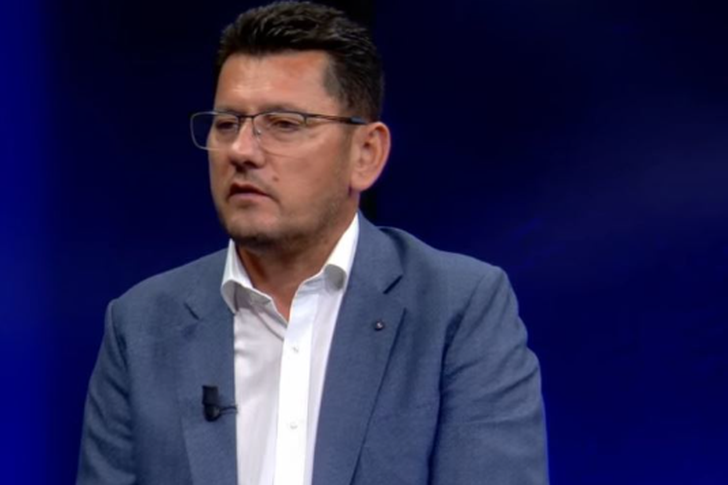
Albania's agreement with Italy on the recognition of pensi...
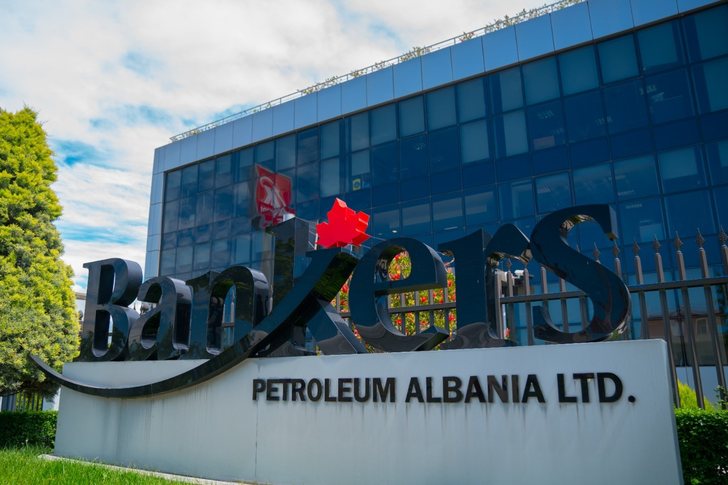
Leonidha Çobo and Hongping Xiao, who are connected to the ...
This Wednesday, Leonidha Çobo and Hongping Xiao, linked to...
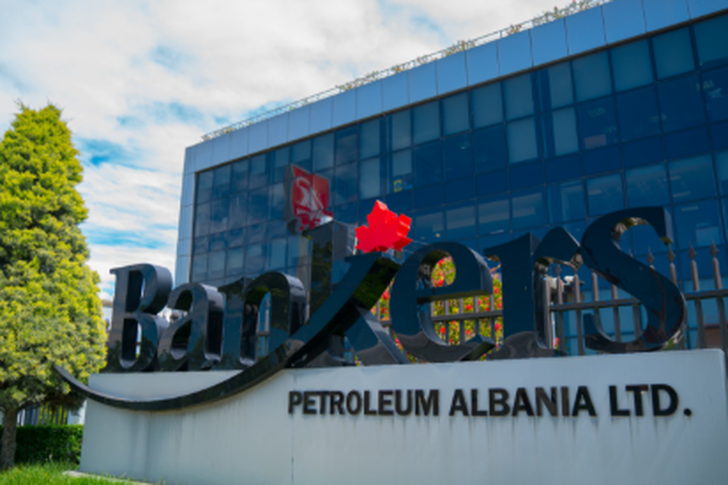
The Police and Taxes have carried out an operation near th...
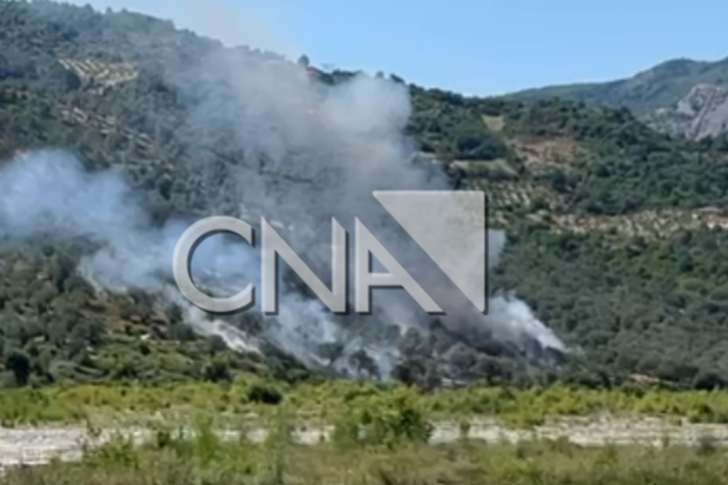
A fire has broken out in the area known as 'Prita' of Zara...
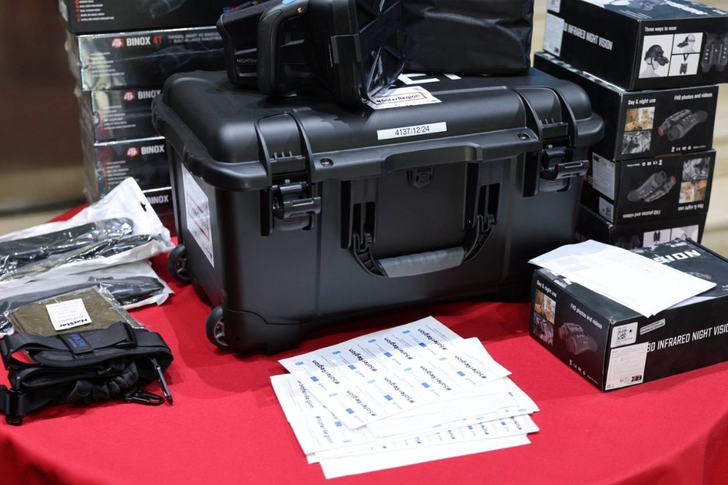
As part of the ongoing efforts in the fight against the il...
The Ombudsman has expressed concern over the case of abuse...
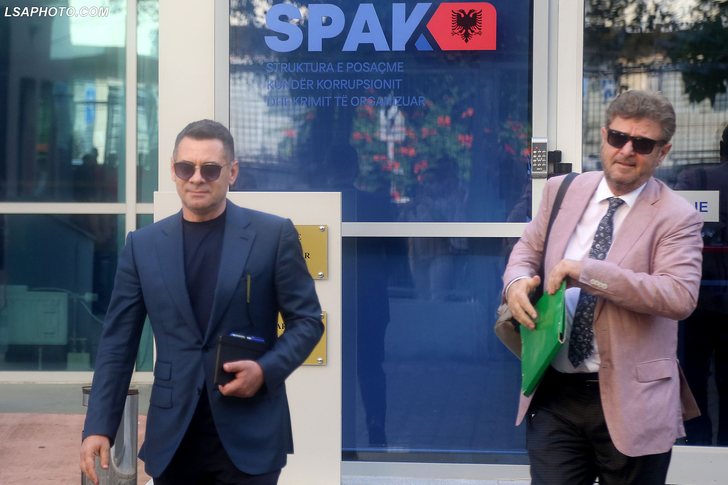
The Special Prosecution Office against Corruption and Orga...
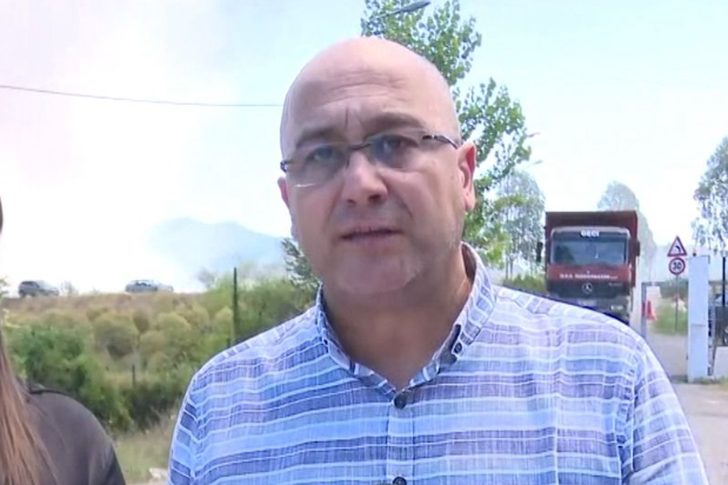
The member of the Democratic Party's Municipal Council in ...
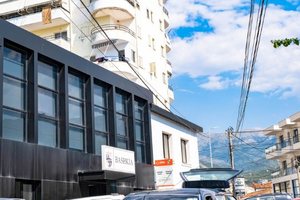
The Democratic Party has denounced a tender held by the Hi...
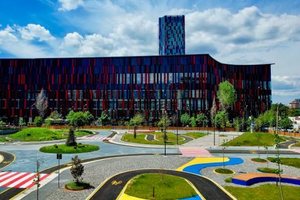
Since the summer of 2020, the Mayor of Tirana, Erion Velia...
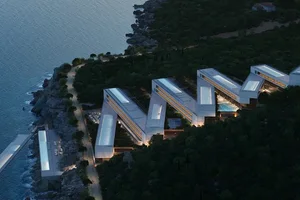
The leader of the Democratic Party, Sali Berisha, denounce...
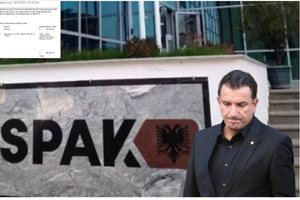
In January 2026, CNA published a series of documents and f...

The Special Board of Appeal (KPA) decided this Monday ...

The KPA vetting decided this Thursday to dismiss the p...

Suela Salavaçi, a prosecutor in the Prosecutor's Offic...

The Special Board of Appeal reinstated the prosecutor ...

Following intensive controls and work based on police inte...
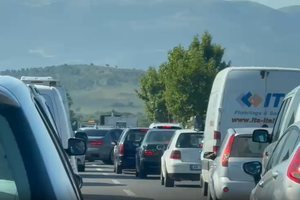
A road accident was recorded on Saturday morning on the Le...
A serious incident is reported to have occurred today in G...
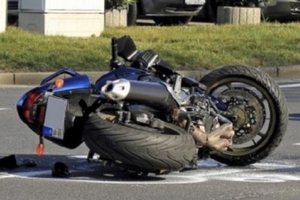
A fatal accident has been recorded on the Fier-Lushnjë hig...

Today our country will be affected by stable weather condi...
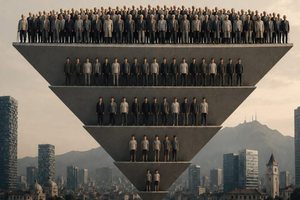
Albania is leading a painful demographic process that plac...
On Friday, our country will be affected by stable weather ...
On Thursday, our country will be affected by stable weathe...
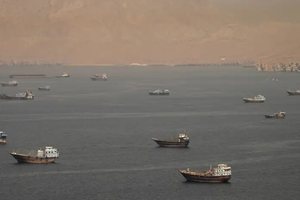
Four months of war have fundamentally changed relations be...
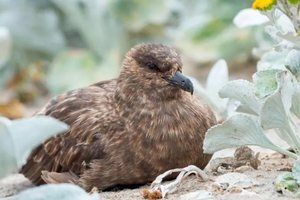
Australia has confirmed for the first time the presence of...
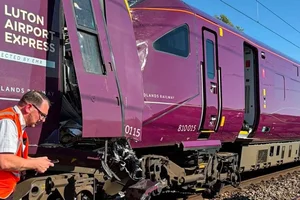
Two high-speed passenger trains collided on Friday afterno...
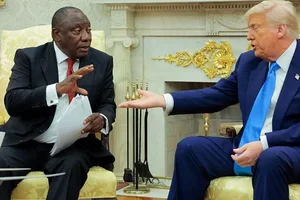
The United States government has announced that it will st...
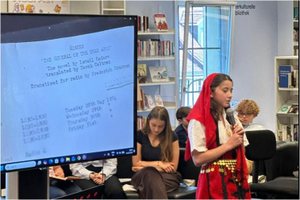
The Albanian Embassy in Switzerland has organized an eveni...
This Wednesday, the prominent actor of Albanian cinema, Gj...
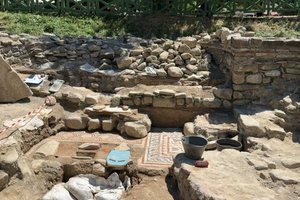
Several archaeological excavations conducted during this s...
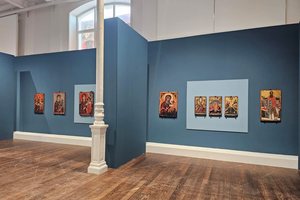
At the Museum of Fine Arts in Chambéry, France, an exhibit...
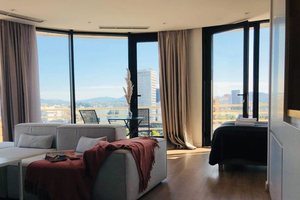
In the Balkans, few tourism markets are expanding at the p...

Demographic experts Ilir Gëdeshi and Russell King conclude...

This Saturday, one US dollar is bought for 81.8 lek and so...

Urban development, transport, energy, forestry and agricul...