

Judge Darjel Sina's passing away/Tomorrow, tributes to the Supreme Court of Justice
The former member of the Supreme Court, Darjel Sina, p...


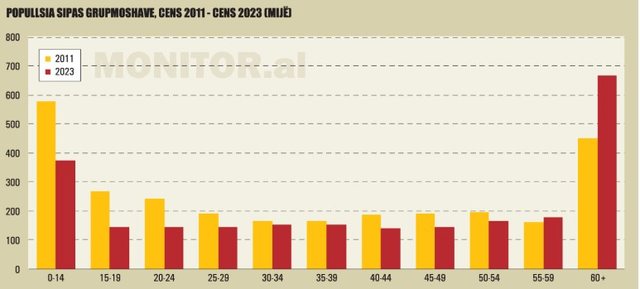
In addition to the decrease, the population structure is aging and old age dominates. The 2023 Census data show that the average age of the population reached 42.5 years, increasing by 7 years from 2011, where this indicator was 35.5 years.
The influencing factors of births, deaths and international and internal migration brought about the change in the structure of the population, in the 2023 Census. The population pyramid based on the 2023 Census is very narrow at the bottom due to the decline in births and is expanding between and up from the increase in the old age population.
Census 2023 data show that one in five individuals (19.7%) are 65 or older, compared to one in nine individuals (11.3%) in the 2011 Census and 7.5% in the 2001 Census.
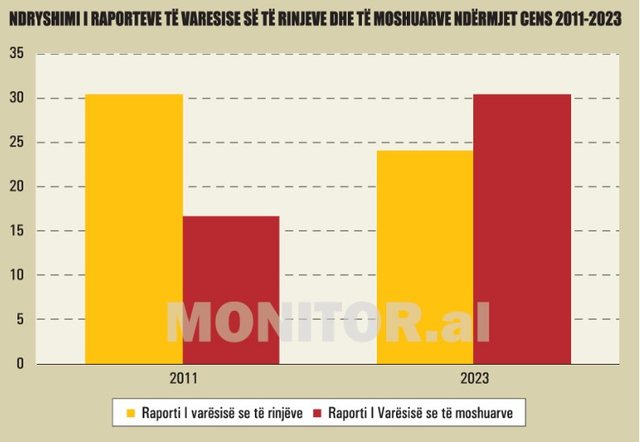
The transition to an older population is also seen in dependency ratios. The youth dependency ratio decreased to 24.0% from 30.4% estimated in the 2011 Census, and the elderly dependency ratio increased to 30.4% from 16.7% in 2011.
Analyzed at the district level, Kukësi and Gjirokastra hold opposite positions in terms of dependency ratios: Kukësi has the highest youth dependency ratio (31.8%) and the lowest elderly dependency ratio (19.9 %).
Whereas, Gjirokastra has the lowest dependency ratio of young people (19.0%) and the highest ratio of elderly people (46.1%). The average age of the population is 42.5 years, from 35.3 years in the 2011 Census.
Analyzing the 50-69 age group in the population pyramid, an expansion is observed that corresponds to a period of births between the mid-1950s and 1970s. During this period, Albania was characterized by an increase in birth rates, known as the "baby boom".
After the 1990s, low fertility rates and the downward trend, combined with the emigration of the reproductive age population, resulted in a narrowing of the base of the population pyramid. Fertility below replacement level since 2001, increased life expectancy, and migration remain the main factors of population aging.
Today's generation of retirees lived their youth with a lack of culture and knowledge to provide financial protection for old age.
A society based on a generational tradition of children caring for their aging parents is being eroded by high levels of immigration that have severed the physical ties between parents and children.
Although in transition, solidarity between generations still works in financial terms, as Albanian immigrants continue to bring income to their families. In 2023, these flows were more than 930 million euros, more than half of the overall bill for the payment of pensions from the Albanian government,
For many elderly people, life would be easier if asylums were functioning, which today are lacking in relation to the country's needs for these services. The United Nations Employment Unit (ILO) noted a few years ago that Albania's population is rapidly aging and 91,000 people over 65 need long-term social care, while only 1.6% of them benefit from protection.
Public asylums are lacking, while initiatives to open care homes for the elderly are also lacking. Mirela, an Albanian woman who has been working in a nursing home in Milan for 20 years, wants to bring this experience to Albania, but said it is difficult to find staff who have the skills to care for the elderly. Some businesses started to invest in special centers for the elderly, but the rapid demand for houses displaced their projects.
The number of retirees will increase rapidly in the coming years due to the birth boom of the 1950s and 1960s. In 2021, one in 7 people was over 65 years old. It is estimated that one in 3.8 people will be 65 years old or older by 2050. Demographic data show that the Albanian population is aging rapidly.
Between 1990 and 2022, accounting for about 16% of the total population in 2021 from 5.5% in 1990. In the future, the population over the age of 65 will increase to 623 thousand people and its share in the total population will increases to 26.4% by 2050.
According to the Ministry of Health, around 39 centers for the elderly operate nationwide out of 259 service centers in Albania. 14 centers or 36% of them offer services for the elderly in the region of Tirana, while the other 25 offer services respectively in Korça (6 centers), Shkodër (5 centers), Berat (3 centers), Durrës, Vlorë and Elbasan (from 2 centers) and Lezhë, Dibër, Gjirokastër, Fier e Kukës (from 1 center). These centers are not enough for even 2% of the elderly in need.
Since the elderly are a group of the population that consumes little and has no purchasing power in the market, there are many shortages in products dedicated to this age, starting from clothing, suitable accessories that help them move, etc.
However, in the country's retail units, the options for older people are often limited due to the fact that clothing businesses, like any other business, offer products based on purchasing power, minority merchants claim.
In our country, the purchasing power is concentrated in the age group of 20-45 years, as this has the highest income and therefore the expenditure is higher. So the Albanian clothing market does not offer many opportunities and quality for the over 80s, as can be found in the European market.
The needs for intensive care for the elderly are increasing in Albania, but on the other hand, the logistics that support this category of consumers with supplies are almost absent. In the 2023 census, INSTAT counted that over 87,000 people over 80 live in Albania.
A family that treats a person at this age with home care finds it very difficult to provide equipment that facilitates his routine.
Albania lacks retail units for the elderly, which are quite common in Western European countries. Pharmacies have begun to introduce special supplies, but the market offers very little in relation to the needs presented.
Companies that offer home appliances have almost no products suitable for older people, such as portable beds and other devices that facilitate the daily life of the elderly.
Devices that can be easily maneuvered at the touch of a button, such as opening doors, windows or beds and closets, necessary for the elderly. Medical equipment such as wheelchairs, oxygen delivery systems, mobility aids, etc.
Toilets adapted for the elderly, furniture such as a lift, standing bathrooms will soon have a growing demand in our country as well.
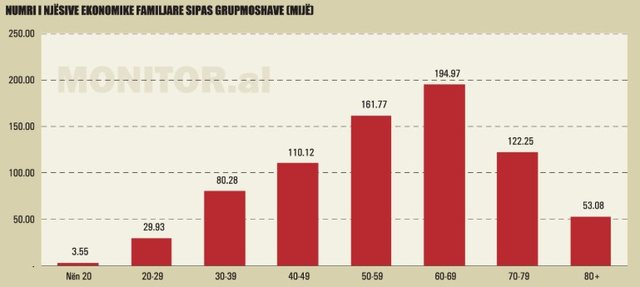
The 2023 census data reported that across the country, about 64,000 people over 60 lived alone. Of the 103,000 people who lived alone, 62.5% of them were 60 years old or older (64,375 people).
Of the 103,000 people who lived alone, 62.5% of them were 60 years old or older (64,375 people). Almost half of the households in the country have 2 or less people. This shows a big shift from the traditional structure of Albanian families with many members where young people dominate.
Average household unit size is 3.2 members in the 2023 Census, compared to 3.9 members for the 2011 Census.
The census data showed that out of 755,950 family units that were counted by the census, 49% of them are over 60 years old./ Monitor.al

The former member of the Supreme Court, Darjel Sina, p...
Veterinarian graduated in Florence, Isuf Allamani, is ...
The Italian newspaper "La Repubblica" has devoted a re...

The Special Prosecutor's Office has extracted data fro...
The former member of the Supreme Court, Darjel Sina, p...
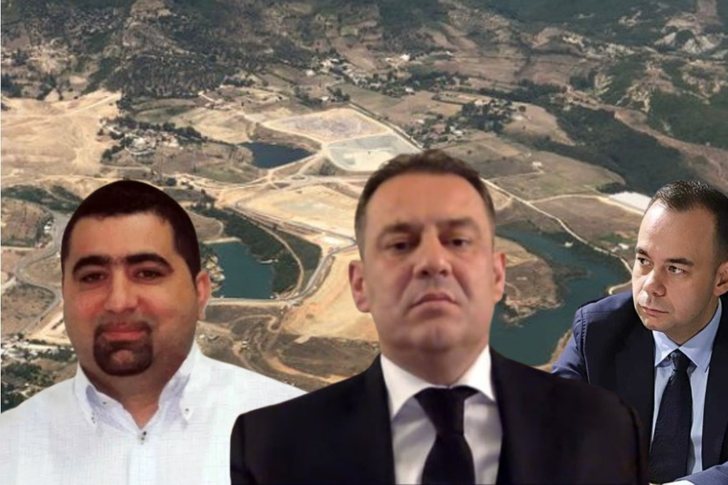
The Special Prosecutor's Office has sent for trial the...
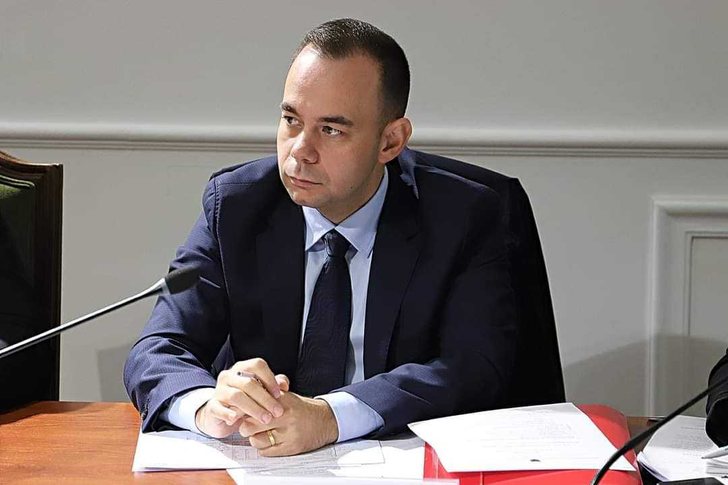
The Special Prosecutor's Office against Corruption and...

The head of the Persecuted Association, Besim Ndregjoni, o...
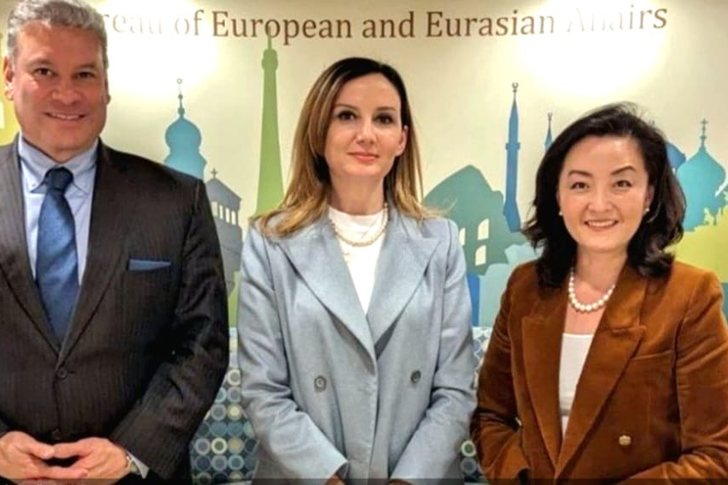
After a long conversation with a foreign diplomat who has ...
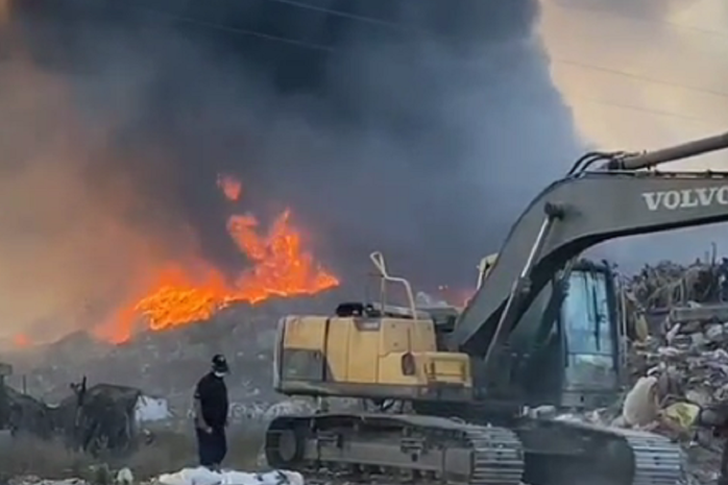
The urban waste disposal site of the city of Vlora was eng...
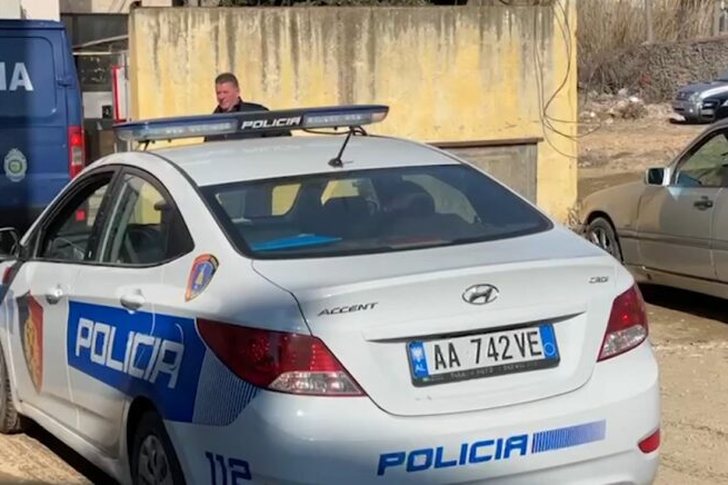
Specialists for the Investigation of Crimes at the Krujë P...
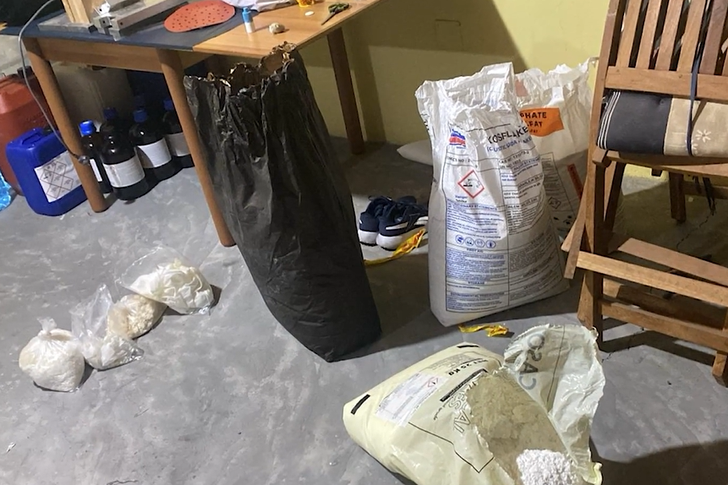
SPAK has published footage from the cocaine laboratory in ...

SPAK has provided details about the drugs and the first am...
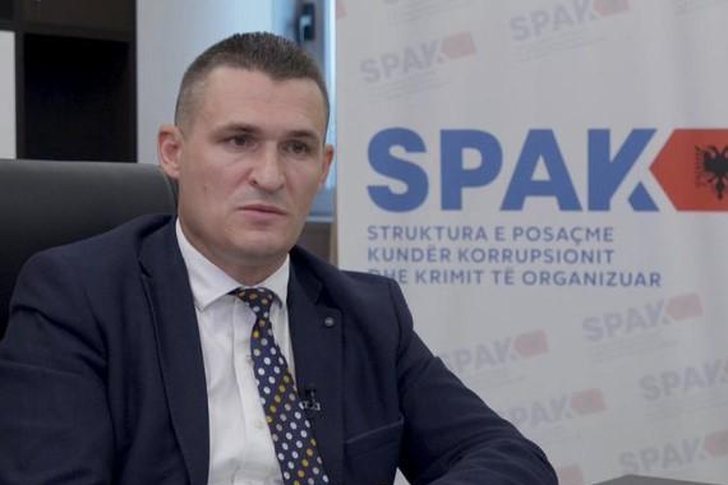
SPAK has hit a structured criminal group that trafficked c...

The Special Prosecutor's Office announces that within the ...
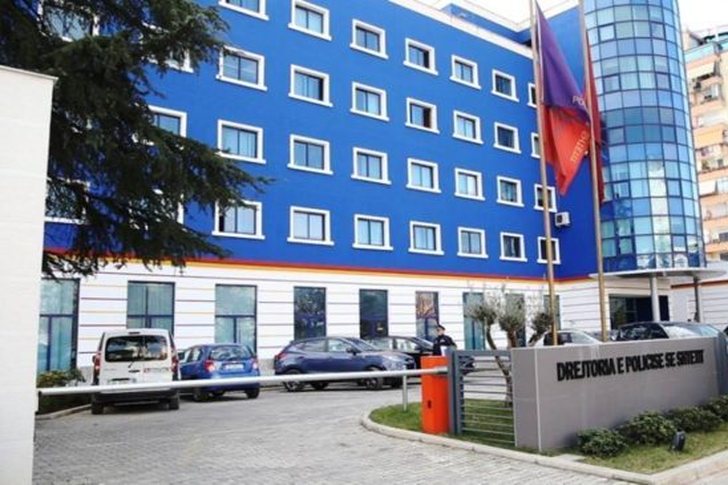
The police have arrested the brother of former socialist d...

The visual arts teacher in Korçë, Bledar Duro, has been re...
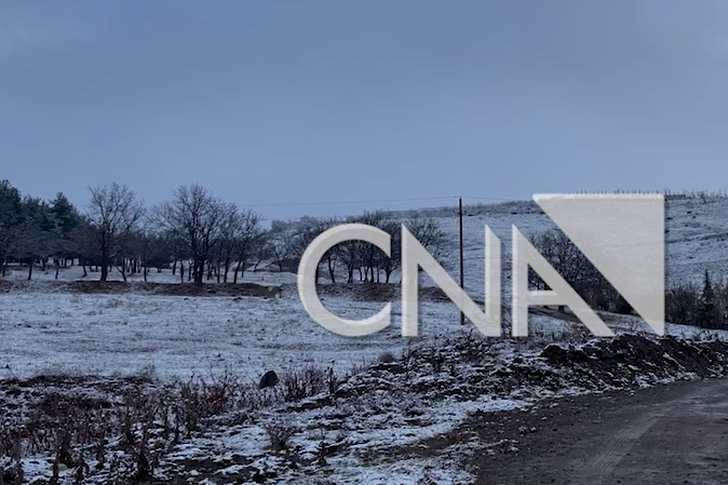
The city of Korça was covered this morning by a light laye...
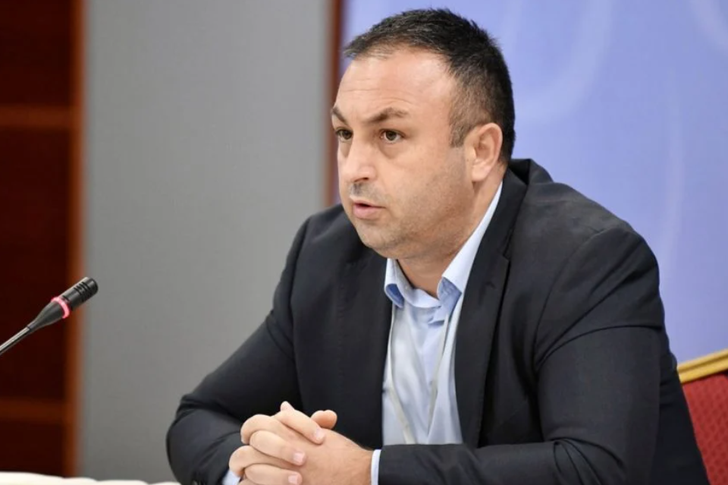
The Minister of the Interior, Ervin Hoxha, together with t...
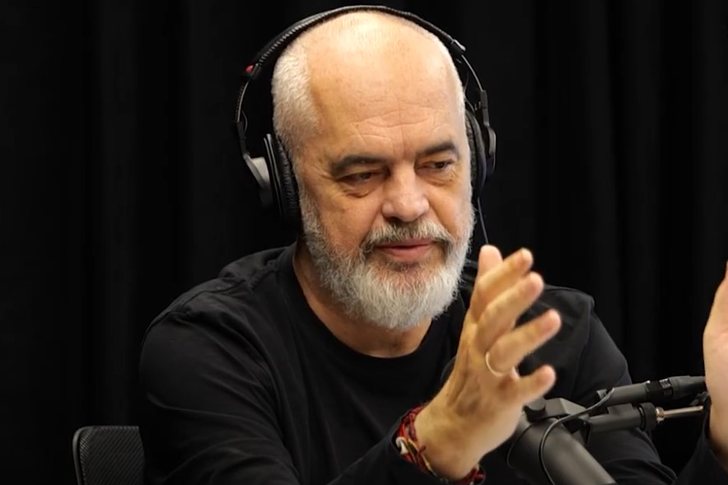
In this Saturday's episode of the "Flasim" podcast called ...

Irfan Hysenbelliu is a businessman that we call "Irfan the...

In March 2026, CNA launched another investigation centered...
The arrested mayor of Tirana, Erion Veliaj, with 13 charge...
CNA has uncovered the tentacles of the head of the Supreme...

The Special Board of Appeal (KPA) decided this Monday ...

The KPA vetting decided this Thursday to dismiss the p...

Suela Salavaçi, a prosecutor in the Prosecutor's Offic...

The Special Board of Appeal reinstated the prosecutor ...
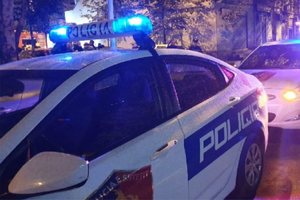
New details are being learned regarding the incident that ...
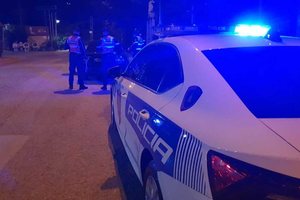
Several gunshots were reported this evening in Elbasan. T...
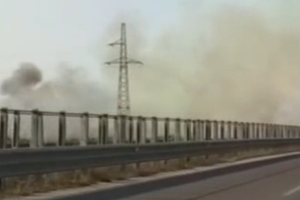
A section of the Fier-Vlora highway was engulfed in flames...

A road accident occurred this Monday near Gramsh. As repo...
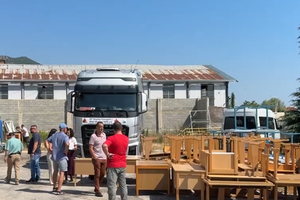
Another humanitarian aid shipment from Germany has arrived...
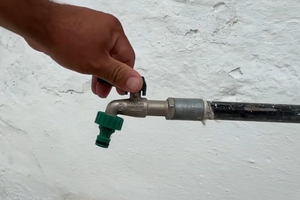
Residents of the village of Memëlisht in the Municipality ...

On Monday, our country will be under the influence of rela...

On Sunday, our country will remain under the influence of ...

US President Donald Trump responded with harsh rhetoric to...

US President Donald Trump said on Monday that Israeli Prim...
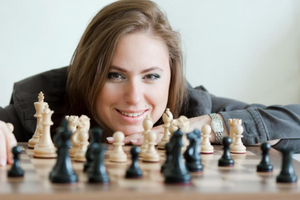
Hungary's Prime Minister, Péter Magyar, took many people b...

The mediators in the Middle East conflict between the Unit...

At a time when industrial products are increasingly taking...

Trust among people is not just a three-syllable word. It c...

Master of humor Todi Llupi has passed away at the age of 7...

The ninth edition of "MIK Festival" kicked off with one of...

Deputy Minister of Economy and Innovation, Enkelejd Musabe...
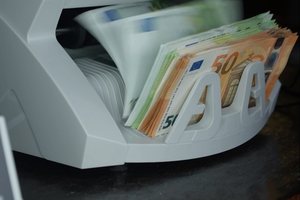
This Monday, one US dollar is bought for 81 lek and sold f...
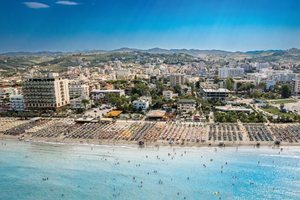
In Golem and Durrës, the season seems dynamic: buses with ...

This Sunday, one US dollar is bought for 81 lek and sold f...