


Shenja që tregojnë se telefoni juaj iPhone ose Android mund të jetë hakuar
Disa shenja tregojnë se telefoni juaj iPhone ose Andro...



This year, humanity passed the mark of eight billion inhabitants of the planet. While 5.4 billion people already use the Internet. Although the use of the worldwide electronic network has become an everyday occurrence, few have heard of the organization that is responsible for the smooth use of the Internet. Its full name is "Internet Corporation for Assigned Names and Numbers", ICANN for short.
The 78th meeting of the World Internet Administration Organization is being held this week in Hamburg. For the first time in 20 years, the conference is being held again in Germany, where 2500 participants from the field of research, information technology, politics, economy, non-governmental sector have gathered.
The non-profit organization was founded in 1998 with the aim of guaranteeing the safe, uninterrupted and stable use of the Internet, and to create a unique global network. Therefore they see ICANN in the role of a kind of "administrator of the Internet". In order for electronic messages to find their address or to open the desired web page, it is necessary to assign a domain and a site address. This organization helps assign these domains and addresses.

The browser finds default Internet domain addresses, for example www.dw.com, where "dw" is the domain name and "com" is the so-called "Internet top-level domain". "Com" or "net" are mostly for organizations, but there are other domains for countries (Germany, for example, is "de").
However, devices that are connected to the Internet find a unique page number - an IP address (Internet Protocol address). Similar to a phone number, it is needed for communication between two devices. The address must be correct in order for messages to reach their destination. ICANN, with the help of so-called "numbering authorities" in the US and Europe, has been assigning such numbers for 25 years.
The organization was created in 1998 at the initiative of the then US president Bill Clinton. But only in 2016 did the United States transfer the oversight role to this organization. The organization advocates a philosophy according to which Internet issues should not be decided by states alone, but by representatives of all interested actors. ICANN even formulates its organizational culture so that all Internet users have the opportunity to co-decide on it.

ICANN consists of three parts. The first part is the so-called community, consisting of global organizations, alliances, business representatives, individual Internet users and government representatives. Together they work out the instructions. The second part is the governing board of the organization, which is responsible for the strategic direction of the organization. He is elected by the community. And the third part, the professional management structure of the organization, serves as support for personnel and resources for the community and the board of administration. ICANN, according to its own statements, works on a "bottom-up" principle. The governing board does not determine the topics that will be on the agenda, but the community decides on them, according to its subgroups.

Despite the open organizational structure, due to the many interest groups, there are conflicting views on some of the issues. One of them is: to what extent the Internet should be open and should it be free. For example, at the beginning of the Russian invasion last year, Ukraine demanded that Russia be cut off from the Internet. ICANN rejected this request, arguing that it should remain "neutral".
The Hamburg conference, which takes place from October 21 to 26, should clarify under which rules stakeholders can participate in the process of assigning so-called "generic top-level domains" (gTLDs), which from 2026 it will not be limited to countries, but will be thematically connected at the global level.
An example already exists. Behind the Internet top-level domain "org" are often non-profit organizations, regardless of the country of origin. In Hamburg, a regulation should be introduced to establish requirements for the allocation of these domains. And of course there will be talk about the further development of an open, free and safe Internet./ DW

Disa shenja tregojnë se telefoni juaj iPhone ose Andro...

A rare spaceship-shaped transport vehicle is going up ...
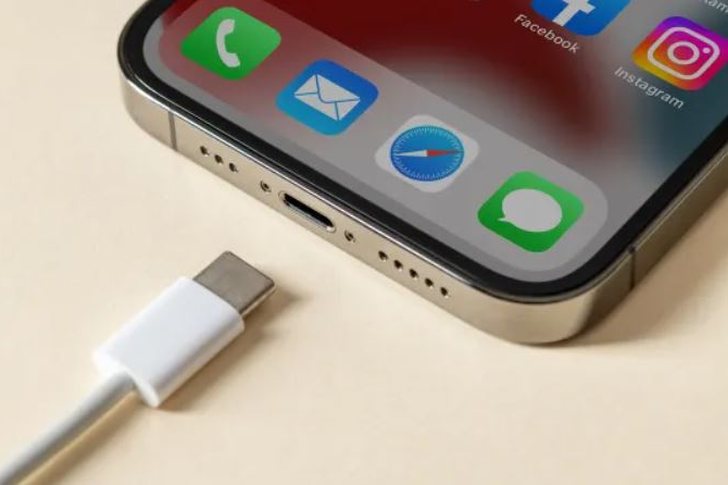
A trick has been discovered to help iPhone users charg...

META is planning to ban WhatsApp for older versions of the...

Britons will soon have Amazon drones delivering their ...
We live in a period where technology is developing rap...

Shkaku i mundshëm i ngjarjes më të madhe sizmike të regjis...

Artificial intelligence models that support chatbots c...
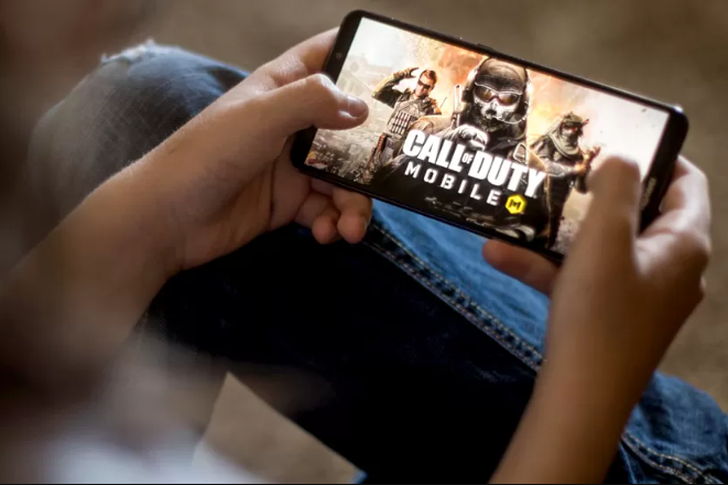
Microsoft has completed its $69bn (£56bn) acquisition ...

Microsoft Outlook will soon write emails for us. The compa...
Undoubtedly, many things that we have in our mind every da...

Jeff Bezos, the founder of the giant Amazon, will expa...

Meta Platforms is exploring a plan that could force us...

Mark Zuckerberg has unveiled a pair of artificially intell...

Shefi i Spotify, Daniel Ek ka bërë me dije se nuk ka n...

Elon Musk, who bought Twitter last year, now known as ...
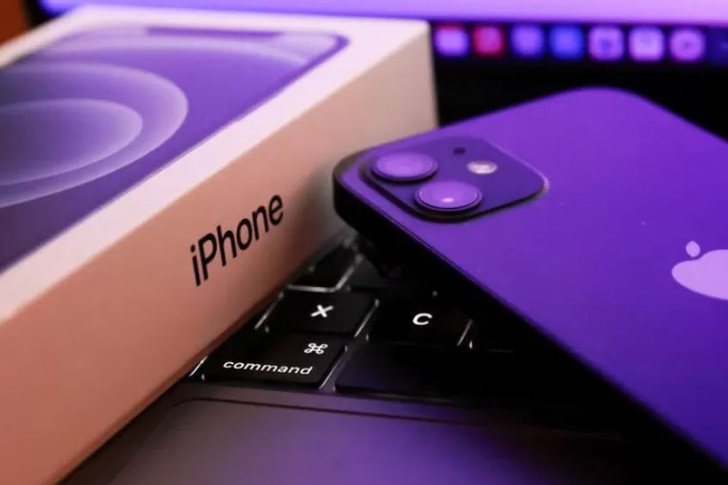
Apple to update iPhone 12 in France after halting sale...
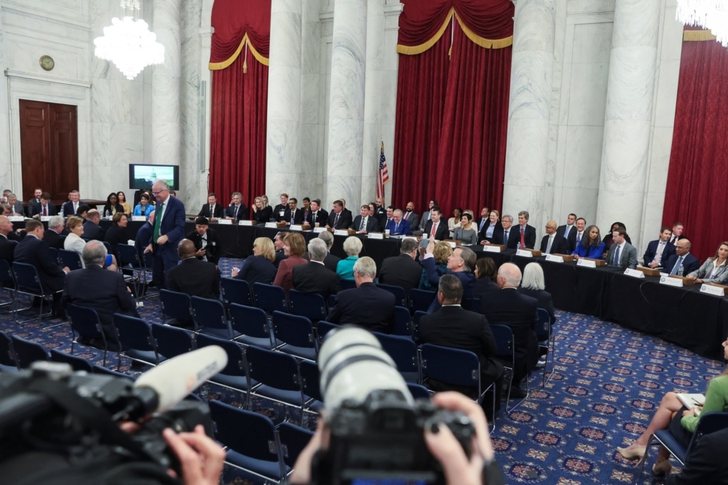
Leaders of the biggest tech companies in the United States...
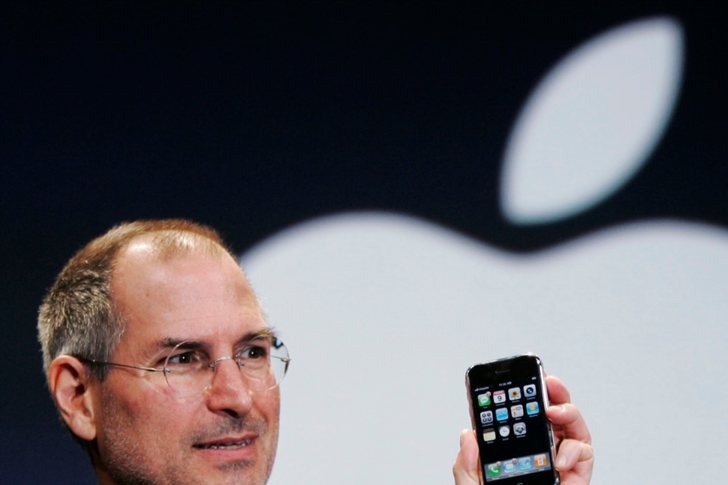
The Apple company on Tuesday presented its latest phone, t...

Apple is expected to debut its iPhone 15 lineup on Tuesday...

CNA has launched another investigation that could lead to ...

Irfan Hysenbelliu is a businessman that we call "Irfan the...

In March 2026, CNA launched another investigation centered...
The arrested mayor of Tirana, Erion Veliaj, with 13 charge...

The Special Board of Appeal (KPA) decided this Monday ...

The KPA vetting decided this Thursday to dismiss the p...

Suela Salavaçi, a prosecutor in the Prosecutor's Offic...

The Special Board of Appeal reinstated the prosecutor ...

A road accident occurred this evening on Nikolla Zoraqi St...

Three people were shot and wounded in Elbasan last night b...

A serious incident occurred this Tuesday in the Yrshek are...

An accident occurred this Tuesday on "Dituria" street in K...

All of Southern Europe will face changing weather conditio...
Albania was hit by temperatures significantly higher than ...

For the first time, Pogradec welcomed the Inter-Lake Chess...

Albania has achieved a record for the employment of foreig...

US Secretary of State Marco Rubio arrived in Manila on Jul...
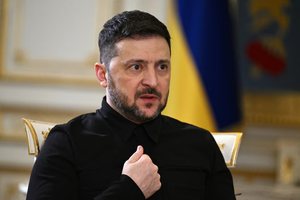
In the space of a few days, Ukrainian President Volodymyr ...

The spokesman for the Iranian Foreign Ministry warned Bulg...

Autoritetet italiane sekuestruan pako me afër 800 kilogram...

At a time when industrial products are increasingly taking...

Trust among people is not just a three-syllable word. It c...

Master of humor Todi Llupi has passed away at the age of 7...

The ninth edition of "MIK Festival" kicked off with one of...

Construction company licenses will have a validity period ...

The Centralized Purchasing Operator recently opened a tend...
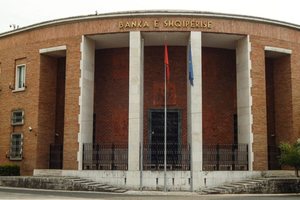
The new draft law "On the Bank of Albania" provides that t...
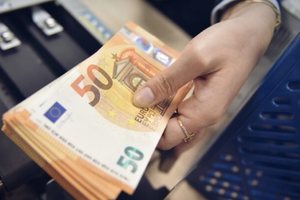
This Tuesday, one US dollar is bought for 81.2 lek and sol...