


Temperatures rise, rain forecast/ Weather for today
Today, our country will be under the influence of relative...


In just one year from 2023 to 2024, the young population aged 0-29 shrank by 29,300 inhabitants or 4 percent, almost three times the total population. Data shows that the number of young people shrank in one year by the size of the municipality of Kavaja.
Official INSTAT data show a strong contraction trend in every age group from 0 to 29 years old.
The number of infants (0-4 years old) from 2023 to 2024 fell by 2.5%, reflecting low fertility rates, for years below 1.5 children per woman.
In the 20-29 age group, the population shrank by around 12,800 people (almost half of the total decline). This is the age group most likely to emigrate for studies, seasonal work or permanent contracts in the EU.
According to the "Youth Study 2024", 1 in 3 young people express a desire to leave primarily for higher wages and living standards; 1 in 5 intend not to return.
The European labor market, mobility programs ("Erasmus+", seasonal work visas in the EU, UK-Albania agreements) act as factors that are further encouraging the departure of young people.
Meanwhile, the transition from one age group to another makes the decline significantly deeper among 25-29-year-olds.
The 2018 graduates are now employed everywhere in the European market, as many of them choose to leave, creating a large gap in the local labor market. The generation born in 1995-2000 (relatively large) is leaving the 20-24 age segment, while the new entrants 0-4 years old are much fewer.
The sharp decline in the youth population is putting schools in difficulty as lower enrollments are forcing schools to close in rural areas, while the labor market is facing a shortage of workers in all sectors from IT to tourism to services. This shortage is causing pressure to increase wages and supply foreign workers.
Public finances are expected to face higher expenses for pension schemes, at a time when the number of contributors will decline.
The shrinking age group 0-29 is not just a statistic, but warns of profound transformations in the education market, the economy and the Albanian social structure. The labor market in Albania still offers lower salaries than neighboring countries, while the lack of qualified staff (teachers, nurses, engineers) creates a “brain-drain” spiral.
Demographers warn that if institutions do not act today, making population and its growth a priority, the birth-emigration phenomena will impose much more costly changes.
Meanwhile, Albania risks facing a permanent gap, where the lack of human capital will limit economic growth and the ability to successfully integrate into the European single market./ Monitor Magazine

Today, our country will be under the influence of relative...
Today our country will be under the influence of stable we...

Çelnik lives in France and has not set foot in Albania for...

Today in Constantinople (Istanbul), on All Saints' Sunday,...

If the country's demographic circumstances do not change, ...

On Sunday, our country will be under the influence of stab...
Today our country will be under the influence of stable we...
The first case of rinderpest is confirmed. The outbreak of...
On Friday, our country will be under the influence of stab...
The population in the country has continued to shrink furt...
The Ministry of Agriculture has made an official statement...
On Thursday, our country will be under the influence of st...
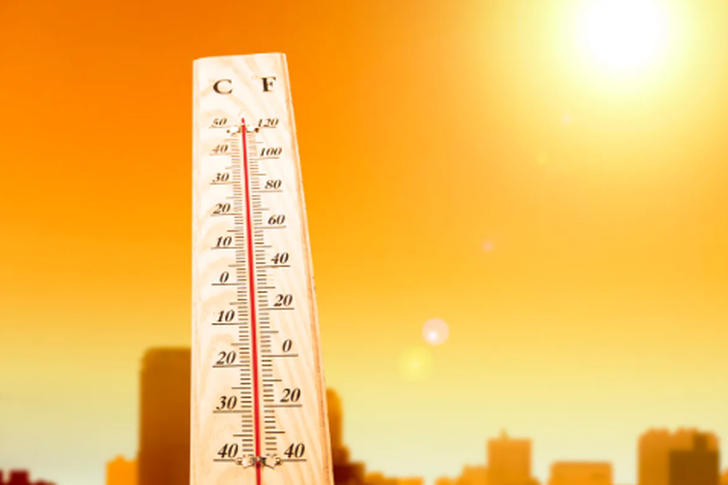
This May was the world's second warmest ever recorded, sur...

A wave of suicides has hit the southeast of the country, s...

On Wednesday, our country will be under the influence of s...

The classification of accommodation structures that should...

The democratic crisis and the gradual aging of the populat...
On Tuesday, our country will have stable weather condition...
High levels of emigration, population aging, and urbanizat...
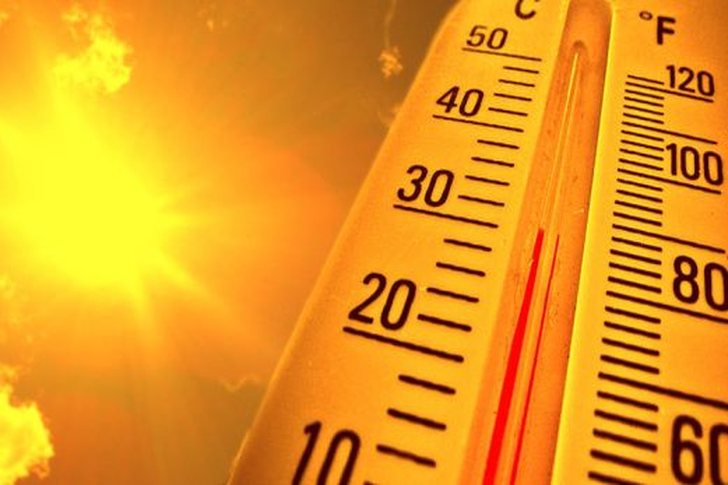
Today is expected to have stable weather conditions. Acco...

CNA has launched another investigation that could lead to ...

Irfan Hysenbelliu is a businessman that we call "Irfan the...

In March 2026, CNA launched another investigation centered...
The arrested mayor of Tirana, Erion Veliaj, with 13 charge...

The Special Board of Appeal (KPA) decided this Monday ...

The KPA vetting decided this Thursday to dismiss the p...

Suela Salavaçi, a prosecutor in the Prosecutor's Offic...

The Special Board of Appeal reinstated the prosecutor ...

A road accident occurred this evening on Nikolla Zoraqi St...

Three people were shot and wounded in Elbasan last night b...

A serious incident occurred this Tuesday in the Yrshek are...

An accident occurred this Tuesday on "Dituria" street in K...

All of Southern Europe will face changing weather conditio...
Albania was hit by temperatures significantly higher than ...

For the first time, Pogradec welcomed the Inter-Lake Chess...
Albania has achieved a record for the employment of foreig...

US Secretary of State Marco Rubio arrived in Manila on Jul...

In the space of a few days, Ukrainian President Volodymyr ...

The spokesman for the Iranian Foreign Ministry warned Bulg...

Autoritetet italiane sekuestruan pako me afër 800 kilogram...

At a time when industrial products are increasingly taking...

Trust among people is not just a three-syllable word. It c...

Master of humor Todi Llupi has passed away at the age of 7...

The ninth edition of "MIK Festival" kicked off with one of...

Construction company licenses will have a validity period ...

The Centralized Purchasing Operator recently opened a tend...
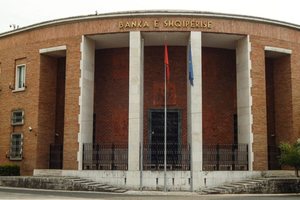
The new draft law "On the Bank of Albania" provides that t...

This Tuesday, one US dollar is bought for 81.2 lek and sol...