


Today the clock changed/ Scorpios went back 60 minutes
At 03:00 this morning the clock changed. The clocks went ...


In today's society, influenced by social media, the lure of online trends can often lead to actions with dangerous consequences.
During the last month, at least in two municipalities of Kosovo - Kamenica and Gjakovë - students of some primary schools, inspired by some videos on TikTok, have self-harmed.
For similar cases, Radio Evropa e Lire also reported in June - at that time in schools in Fushë Kosova and Lipjan.
"These cases will not go away by themselves, if they are not addressed", says psychologist Aliriza Arënliu.
But how?
In Gjakova, students have been banned from using phones at school, Eranda Kumnova - Baçi, head of the Directorate for Education in this municipality, tells Radio Evropa e Lire.
According to her, urgent meetings of teachers and management staff, together with parents of students, were held in all schools of the municipality. Officials of the Kosovo Police were also present.
"... to talk to parents and tell them to have more control over their children and their use of social networks. We know that the thread of this 'game' started from social networks", says Kumnova - Baçi.
According to her, it is about at least 22 students who self-harmed in some elementary schools in Gjakova, earlier this month.
"From the medical examinations, there are cases where they have self-harmed only in their hands, but there are also cases where they have self-harmed in other parts of the body," she says.
In Kamenica, the parents of elementary students were also called to the meeting.
The head of the Directorate for Education in this municipality, Afrim Dervishi, says that the "dangerous games" of students on the Internet have raised the alarm.
"It was a kind of competition, through which they wanted to prove who could stay the longest without breathing", says Dervishi, adding that about 20 students participated in this kind of challenge.
"The role and function that parents can perform to eliminate these phenomena are inevitable," he says.
Radio Free Europe has tried to get in touch with parents of any self-injured children, but without success.
Kumnova - Baçi and Dervishi say that the measures taken by them are in accordance with the Administrative Instruction: Education for child protection.
Drafted by the Ministry of Education, Science, Technology and Innovation of Kosovo (MASHTI), this instruction entered into force in August of this year.
The purpose of this instruction is said to be "determining the roles, organization, operation, cooperation, tasks and responsibilities for all educational and training institutions in child protection education".
Asked by Radio Free Europe about the effectiveness of this instruction, MESTI said that, currently, the staff of this ministry is holding information sessions with the municipalities, regarding how to implement the documents in force.
"So far, the sessions have been held in: Pejë, Gjakovë, Mitrovica, Klinë, Prishtina, Lipjan, Shtime and we will continue these days in the municipalities of: Fushë Kosovë, Graçanicë, Obiliq, Kamenica, Rahovec, Suharekë, Vushtrri, Istog, Gjilan, until we cover them all", says MESTI's response.
There, it is also emphasized that through education for protection, the aim is to train children and students "for good and healthy behaviors, at every level and circumstance, as well as avoiding conflicts, dangers, both virtual and real".
MESTI, earlier, also drafted the guide package "Journey through the Internet" for students, parents and teachers, which offers "alternatives to use the Internet in a useful and responsible way".
Recently, this ministry announced that it has allocated a budget for more than 500 new positions for psychologists, pedagogues and support staff for schools in Kosovo.
Psychologist Arënliu, professor at the University of Pristina, says that only hiring psychologists and pedagogues does not solve the problem of students who may be victims of dangerous challenges from social networks.
"People who work in the field need programs, they need systematic interventions, they need training. This is the part where we get stuck", says Arënliu for Radio Free Europe.
According to him, it is imperative that mental health challenges are addressed in schools, while educational curricula are adapted to the needs of children for media education.
Alban Zeneli, a professor at the University of Pristina, says that the Department of Journalism of this institution has been advocating since 2009 that the Media Education course should become mandatory in Kosovo's schools.
According to him, MESTI's guidelines regarding the use of the Internet have more to do with the technical aspect of its use, than with understanding the risks that arise from different platforms.
"These things are specifically taught in Media Education... It would help children going through the learning process to be aware of the content they see, develop critical thinking about the content and at the same time not fall prey of these challenges or problems that hurt them, not only in the physical sense", says Zeneli for Radio Free Europe.
For sociologist Jeton Brajshori, parents should take the situation into their own hands - at least until competent institutions find effective mechanisms to prevent the influence of harmful content from social networks.
According to him, the increased parental control over children's access to social networks and the Internet in general does not harm their right to privacy.
"I tell all parents that a child under the age of 18 does not need to have strict privacy. We are not saying that they should be checked for everything, but to be very careful, what they watch on TikTok, who they hang out with...", says Brajshori for Radio Free Europe.
He even suggests that TikTok be removed from children's phones entirely.
The technology engineer in Kosovo, Ermal Sadiku, expresses a similar opinion.
He says that the content published on TikTok is less controllable, compared to other social networks, which have global use.
Children's access to this platform increases the risk that they will be affected by harmful content, according to him.
Speaking to Radio Free Europe, he explains that most smartphones have a module called "parental control", which allows parents to limit their children's time on various internet applications.
But the use of this module, says Sadiku, is problematic for parents who have no knowledge of technology.
He suggests the method he says he practices himself:
"I, personally, do not allow my children to have such an application installed on their phone. It's not like they have any benefits, TikTok has no educational, scientific content... I'm talking about children".
TikTok has over 1.5 billion monthly active users worldwide.
It is estimated that about 25 percent of them are between 10 and 19 years old.
In June of this year, the Government of Kosovo banned the use of TikTok in public institutions, due to, as has been said, the cyber risks that this platform presents.
Restrictions to this platform, due to security concerns, have also been imposed by other countries in the world./ REL

At 03:00 this morning the clock changed. The clocks went ...
Our country will continue to be affected by stable atm...
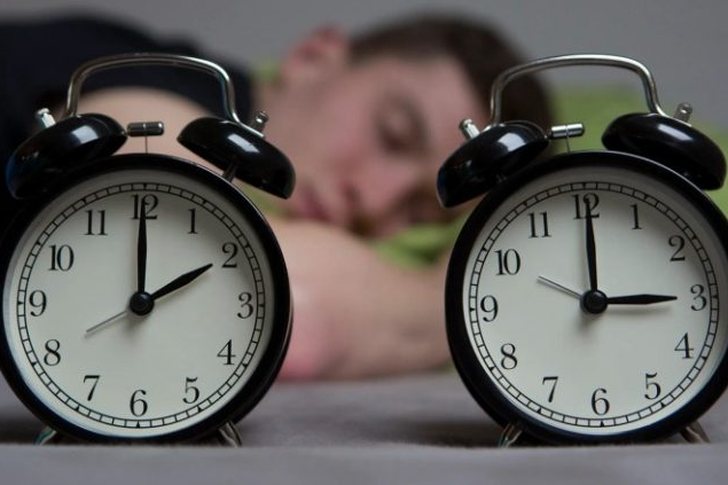
On Sunday, October 27, the time changes. Scorpio will go b...
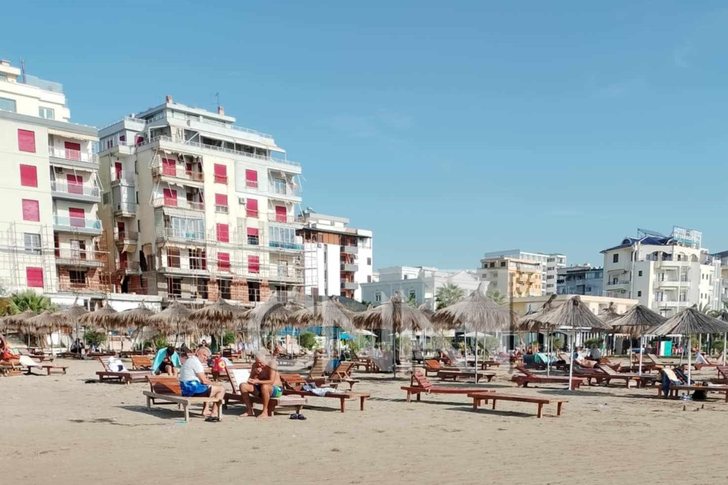
In these last days of autumn, the beaches of Albania conti...
This weekend, our country will continue to be affected by ...

Alternations of clear skies and frequent clouds will preva...
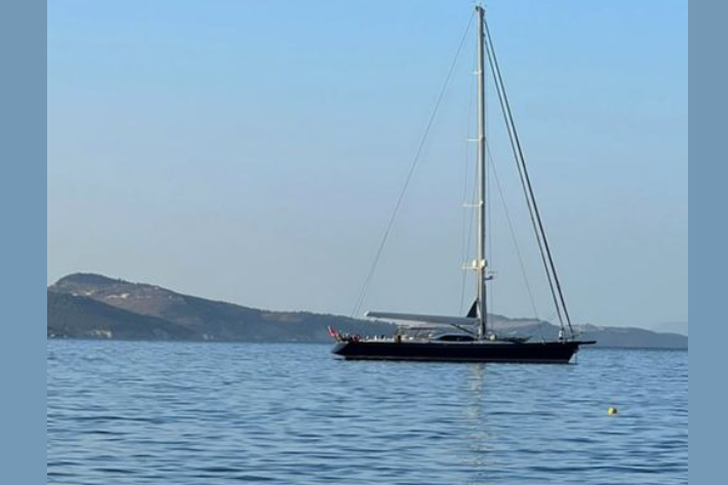
Today our country will have stable atmospheric conditions ...

A World Bank comparison of countries in the ECA Region (co...
Even for today, our country will be affected by stable atm...
On Wednesday, our country will be affected by stable atmos...
Our country will be affected by stable atmospheric conditi...
Our country will be affected by stable atmospheric con...
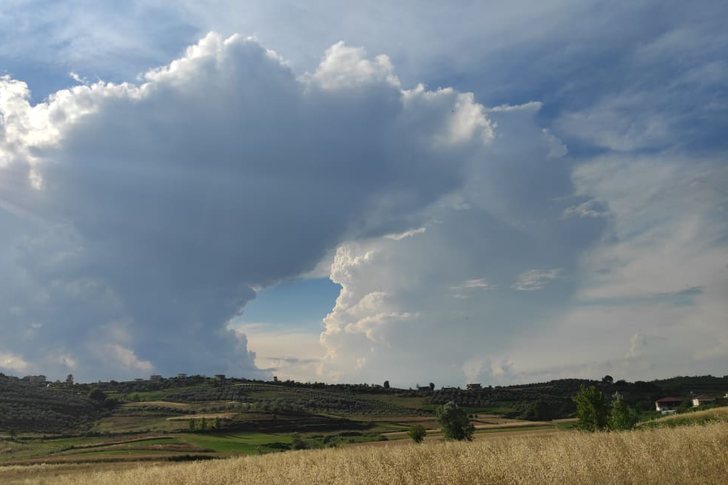
Sunday will be under the influence of stable weather c...

For the period January-August, the number of patients trea...
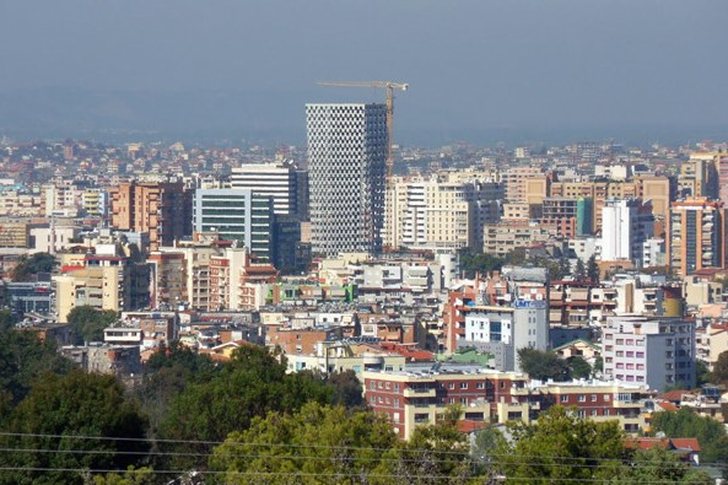
In the last two decades, it has not been difficult to see ...
This Saturday is expected to be affected by relatively...
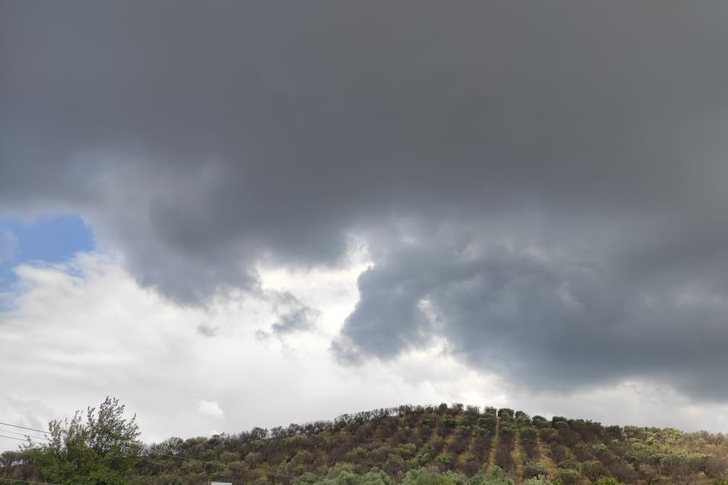
Saturday is expected to be affected by relatively unst...
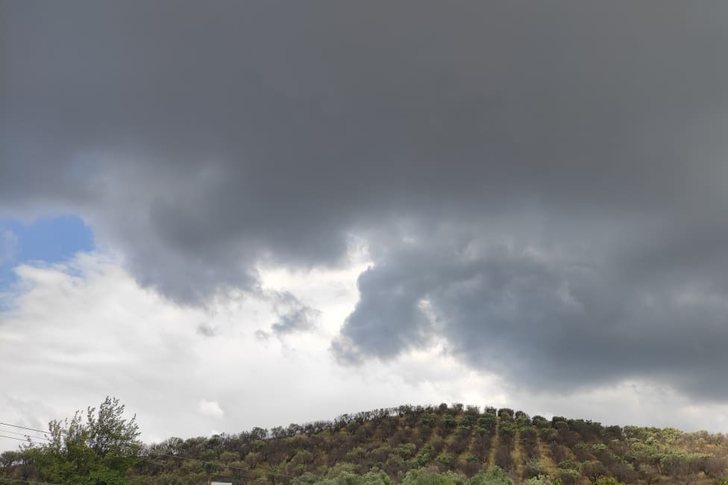
The Military Meteorological Service announced that on Frid...
Poor education and health is negatively affecting human po...

After the approval of the law "On the control of the culti...
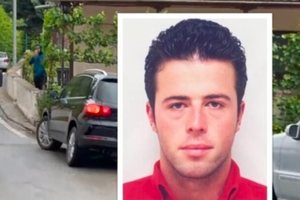
The murder of officer Enea Mekolli in the line of duty has...
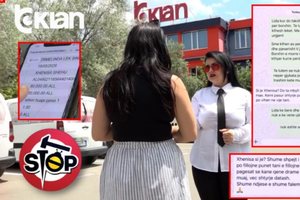
The next case broadcast on the show "Stop", this Thursday,...
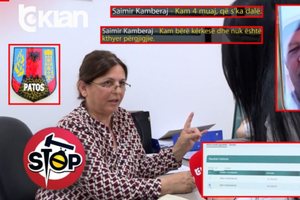
The case published this Thursday, June 4, on the show "Sto...

The protests of recent days related to the situation in Zv...

The Special Board of Appeal (KPA) decided this Monday ...

The KPA vetting decided this Thursday to dismiss the p...

Suela Salavaçi, a prosecutor in the Prosecutor's Offic...

The Special Board of Appeal reinstated the prosecutor ...
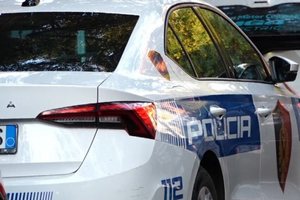
A 38-year-old man was arrested today near the Kamza turnof...
A money changer in Durrës lost 60 thousand euros after bei...
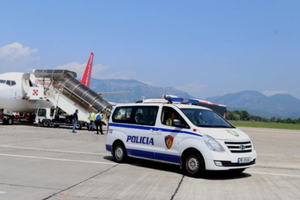
The 6 citizens captured in Dubai, members of criminal grou...
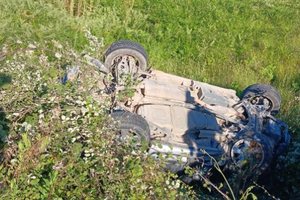
A serious accident occurred on the Kardhiq-Delvinë axis, i...

Today our country will be affected by stable weather condi...
For many children and teenagers, the long summer holidays ...

Albania is facing an unprecedented demographic transition,...

On Thursday, our country will be affected by unstable weat...
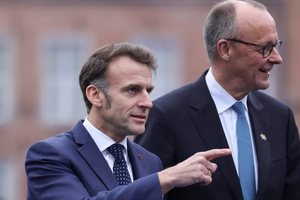
On the eve of the EU-Western Balkans summit, Germany and F...
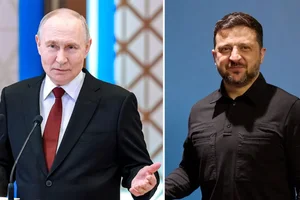
Russian President Vladimir Putin said the war in Ukraine c...
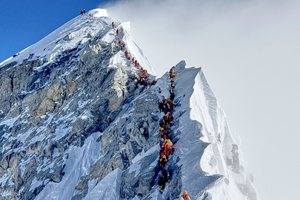
An extraordinary story of survival has been recorded in Ne...
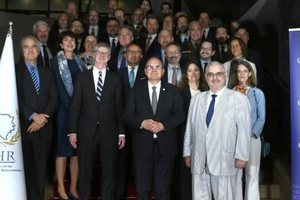
The Peace Implementation Council in Bosnia and Herzegovina...

Korça is ready to open the summer season with one of the c...
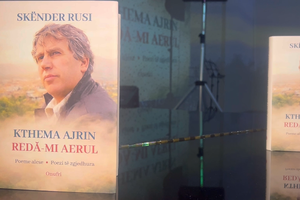
Two years after his passing, the renowned Korçë poet Skënd...

The Ethnographic Museum of Berat has opened its doors to v...
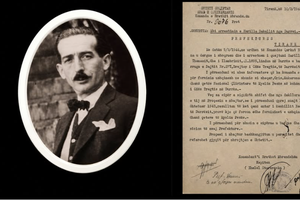
The story of Harilla Bakalli is one of the most chilling t...
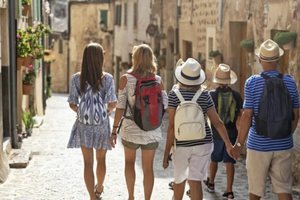
Despite years of efforts at regional cooperation and free ...
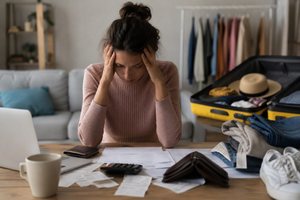
Albania is the country with the highest level of severe ma...

This Friday, one US dollar is bought for 81.3 lek and sold...
The government aims to transform the country's industrial ...