


Erion Veliaj's shadows in protest
Veliaj through Arta Dade rejects Edi Rama'...

Veliaj through Arta Dade rejects Edi Rama'...


Drinking alcohol, even in moderate amounts, can have harmful effects on health.
The more often you consume alcohol, the more health problems such as liver disease, pancreatitis, mental health disorders and certain cancers such as stomach and colorectal cancer can increase.
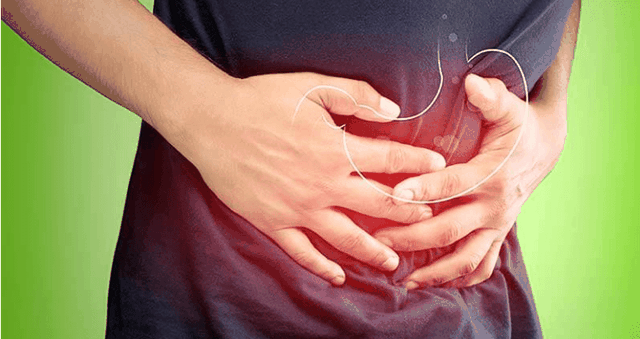
Researchers from the National Institute of Health are shedding more light on how alcohol can cause damage to other areas of the gastrointestinal system, mainly the intestines.
When you drink alcohol, it immediately begins to affect your gastrointestinal system as it travels down your esophagus into your stomach.
In the stomach, alcohol begins to be absorbed into your bloodstream. If you don't have much food in your stomach, the remaining alcohol quickly passes into the intestines, where it continues to be drawn into the bloodstream.
Once alcohol enters the bloodstream, it is carried to all areas and organs of the body.
The amount of alcohol in a person's bloodstream is known as the blood alcohol concentration.

The body also immediately begins to metabolize alcohol as soon as it enters the body. The ethanol in alcohol is broken down by the liver into a carcinogenic compound called acetaldehyde.
Although acetaldehyde eventually breaks down to acetate, and after water and carbon dioxide leave the body, it can still have harmful effects.
"This is what makes alcohol an important risk factor for gastrointestinal disease," said Dr. Luca Maccionitrusted Source, a postdoctoral fellow in the Laboratory of Liver Disease and Laboratory of Physiological Studies at the National Institutes of Health and the author of this study.
"The gastrointestinal tract is in contact with the largest amount of ethanol and its metabolites during alcohol consumption. "Extremely high concentrations of ethanol and its metabolites significantly increase the risk of gastrointestinal diseases and tumors," he told Medical News Today .
Alcohol-related bowel disease is a spectrum of bowel dysfunctions due to excessive alcohol consumption.
“To date, we lack a diagnostic definition of alcohol-related bowel disease, as well as a detailed molecular characterization of alcohol-related bowel disease, which may precede digestive tract tumors. Therefore, future studies are needed to better understand the pathogenesis of alcohol-related bowel disease and to identify therapeutic targets to treat and/or ameliorate this disease," said Maccioni.
Previous research shows that drinking alcohol is associated with an increased probability of developing stomach and colorectal cancer.
Dr. Rudolph Bedford, a gastroenterologist at the Providence Saint John Health Center in California, who was not involved in this research, said that the increased risk has to do with the carcinogens released by alcohol during its consumption.
"These carcinogens can affect cells in the stomach or colon and other gastrointestinal organs such as the pancreas and esophagus," he said.
Dr. Scott Friedman, dean for therapeutic discovery, professor of medicine and pharmacological sciences and chief of the Division of Liver Diseases at the Icahn School of Medicine at Mount Sinai in New York, who was not involved in the study, talked about the effect on gut bacteria .
Friedman confirmed that alcohol is a possible tumor promoter.
"We are now intensely focused on the contribution of the microbiome, or the collection of bacteria in the human gut, because we are beginning to appreciate that not only are they a rich source of metabolites that can affect health, but they can interact with organs in the body. ", he said.
"For example, the microbiome can generate microorganisms in some patients that invade the liver and can cause liver damage," Friedman added./ CNA

Many people who recover from COVID-19 suffer long-term sym...
Scientists have discovered a previously unknown mechanism ...
Your family tree can give you a glimpse of your future...
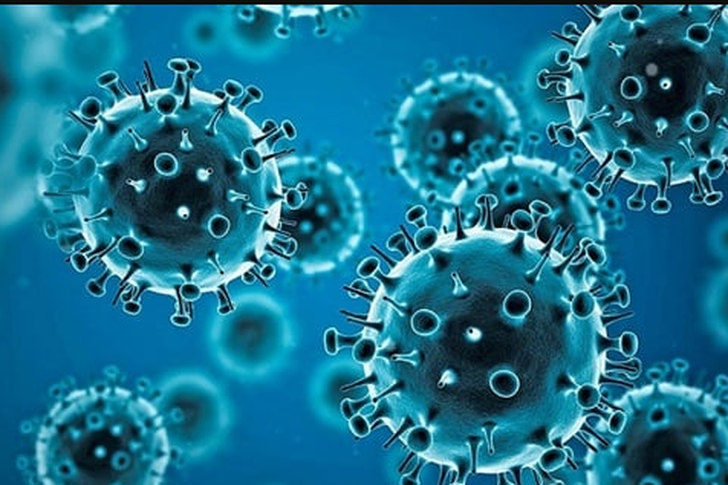
The COVID-19 pandemic has influenced the increase in the n...
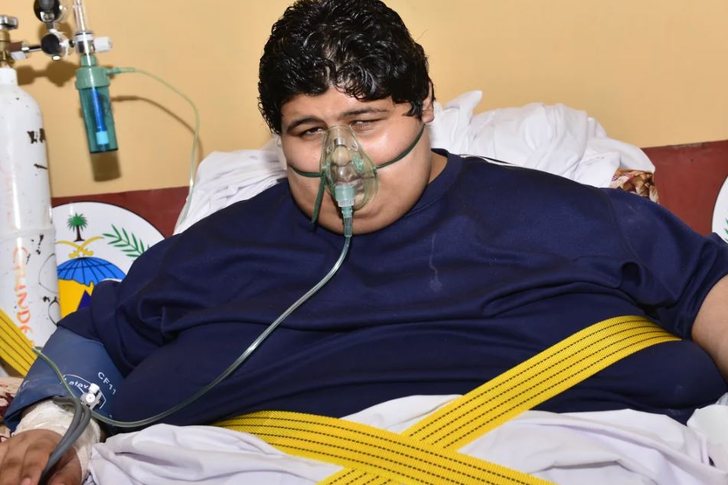
Fuqia transformuese që zotëron shpirti i njeriut, mund të ...

Sindroma pas përfundimit të pushimeve, ose mërzia nga rikt...

A newborn's body consists of about 80 percent water. A...
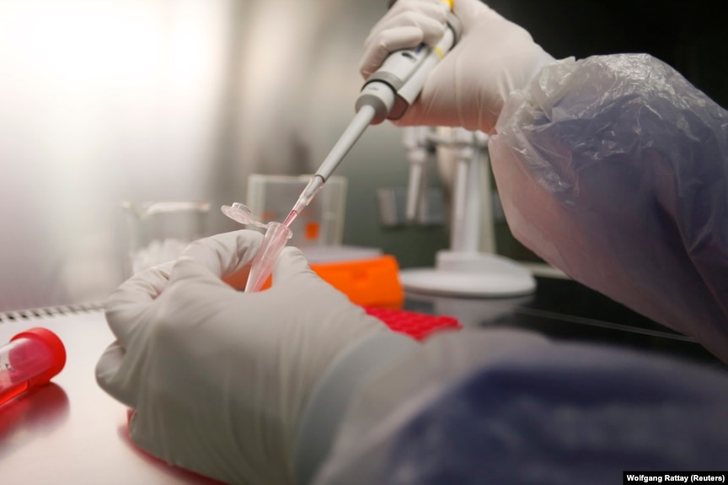
A new variant of the coronavirus, identified as EG.5, is s...
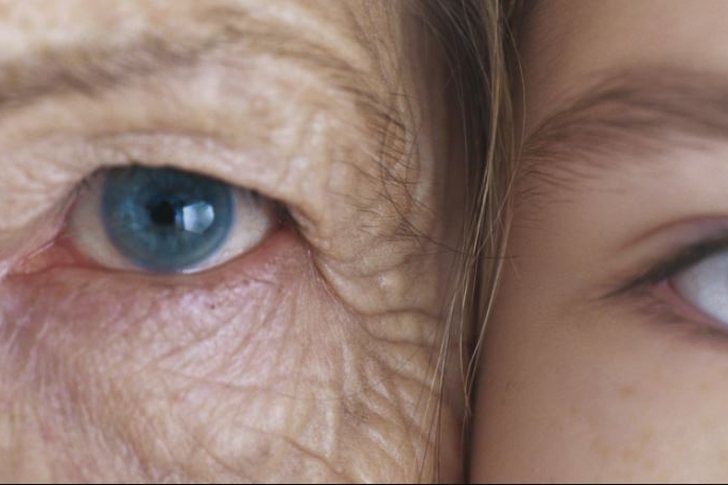
Dietitians often tell you that you are what you eat. But i...
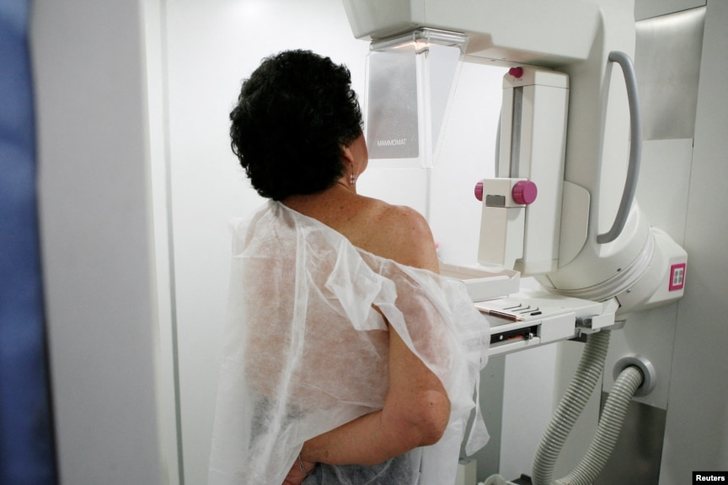
Artificial intelligence can be used in breast cancer scree...
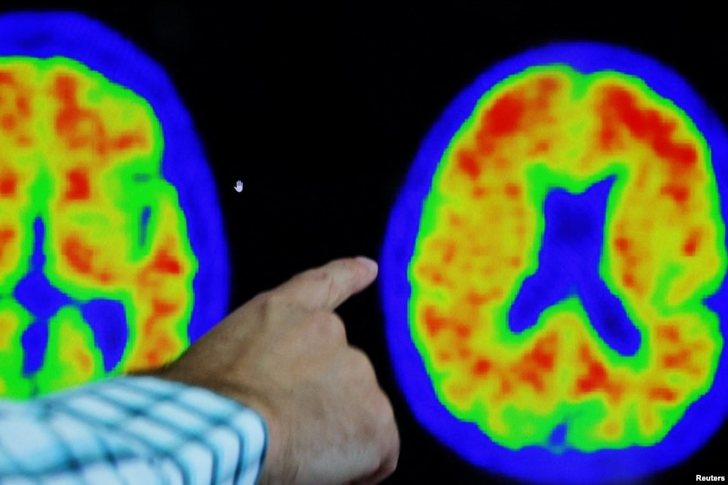
Scientists are studying why some people born with the gene...
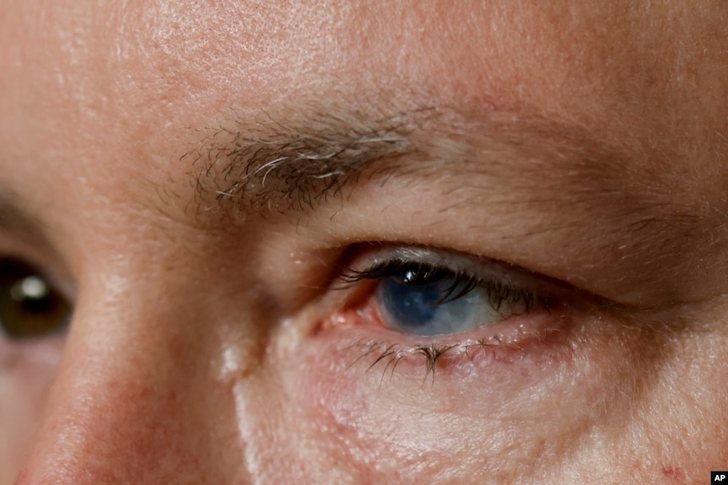
Phil Durst had an accident at work in 2017 when a chemical...
Cancer is a terrifying diagnosis at any age. But a marked ...
Women who wax their intimate area are more likely to suffe...

Autumn is coming with viruses. Boosting immunity is the b...
Holidaymakers heading to Italy this summer have been warne...
The World Health Organization and US health authoritie...

"It's all in your mind!" Helen Sederot can't remember the ...

A migraine is much more than a headache. It is a debilitat...
The term placebo refers to activities or substances that r...

There have been 12 days of protests in the capital, which ...

Dritan Prençi is the SPAK prosecutor who is sleeping on th...

The in-depth investigations that SPAK conducted into Ajola...

SPAK's standards, the way it investigates, how it secures ...

The Special Board of Appeal (KPA) decided this Monday ...

The KPA vetting decided this Thursday to dismiss the p...

Suela Salavaçi, a prosecutor in the Prosecutor's Offic...

The Special Board of Appeal reinstated the prosecutor ...

Policia e Vlorës ka finalizuar operacionin e koduar “Sigur...

New details have emerged regarding the serious accident th...

An Albanian businessman was arrested this afternoon in Gre...

A serious accident has occurred on the Korça-Ersekë axis, ...

Today our country will be affected by stable weather condi...

A tragic accident occurred this Friday afternoon in Kameni...

Today our country will be affected by unstable weather con...

On Thursday, our country will be affected by relatively un...
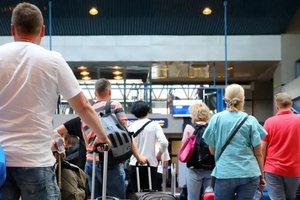
Good news for those who fly: After years of negotiations, ...

It took more than two years, but now the EU can begin acce...

US President Donald Trump announced that the US military h...

Iran has taken new measures to strengthen the protection o...

Several archaeological excavations conducted during this s...

At the Museum of Fine Arts in Chambéry, France, an exhibit...

Korça has transformed this weekend into the capital of cel...

Korça is ready to open the summer season with one of the c...

This Saturday, one US dollar is bought for 81.5 lek and so...

The Governor of the Bank of Albania, Gent Sejko, shared to...

Business lending has increased in the first half of this y...

The labor market has shown worrying trends in early 2026. ...