

Here's what you should always do before you drink your morning coffee
Experts have revealed a few things you should do before ge...


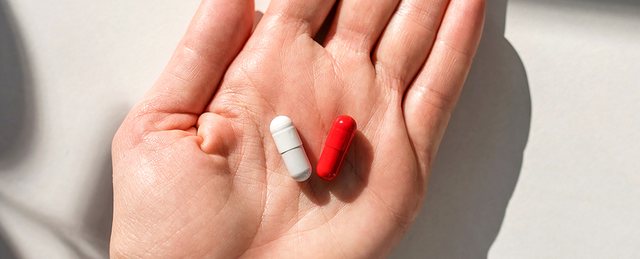
The term placebo refers to activities or substances that resemble forms of therapy but have no direct effect on the patient's bodily or brain functions. They may involve taking pills that are nothing but sugar, injecting a saline solution, or using fake instruments, such as fake needles that resemble those used in acupuncture procedures.
Some people who take a placebo usually report changes in their condition—a reduction in pain, renewed energy, or a general improvement in physical and psychological well-being—that cannot be attributed to the physical nature of the drug or activity. . This is called the placebo effect.
Although this effect can hinder the search for effective medical treatments, it can be a potentially useful tool for testing drugs and other health therapies if used properly. But what causes the placebo effect?
It is not entirely clear why some people experience what is known as the 'placebo effect', although clues can be found on how seemingly insignificant differences between similar treatments can produce different results.
For example, a number of studies have shown that the external appearance of a fake pill can influence our impression of its effect on the body, acting as a stimulant or depressant depending on their color. Like the shape of the pill, its price and how it's marketed can also affect how we perceive its strength.
On the other hand, the placebo effect seems to be stronger today than it was in the past. These impressions may vary depending on cultural background. For example, white Americans tend to view white pills as analgesics, while African Americans view them as stimulants.
Materials associated with pain, such as poison ivy-like leaves, can produce unpleasant sensations, in what is considered the 'nocebo' effect. Without any possible chemical link between the substance and the physiological changes, placebos most likely affect our perceptions of our health on a psychological level.
In other words, our impression of a treatment—as inherited from our culture—determines how we experience its effects on our bodies. This may involve an element of classical conditioning, a psychological phenomenon that explains why we learn to associate a sensation or emotion with a particular stimulus.
For example, the feeling of hunger when we hear a lunch bell or anxiety when we smell the disinfectant of the hospital waiting room. Expectations can determine how we pay attention to our bodies. Undergoing a medical ritual, such as taking a pill every day, can frame our experience of a condition as improvement, reducing our focus on pain as discomfort.
Hormonal and neurotransmitter responses, however, may also play a role in directly improving well-being by increasing levels of chemicals that make us feel good. A 2012 study found that people with a variation in an enzyme involved in breaking down dopamine experienced stronger placebo effects, implying a role for reward areas in our brains.
The term placebo comes from the Latin, which means "to please". It entered medical jargon at the end of the 18th century, referring to watered-down treatments intended to satisfy incurable patients without the need to use up real drugs.
By the end of the 19th century, this concept was being applied to controls in medical experiments. Today, placebos are still used as comparisons in medical trials to determine the extent to which perceived benefits in study subjects are the result of the experimental therapy, or simply a feature of the placebo effect.
The effect itself can also be used to explain why many contemporary and traditional medical rituals and treatments seem to work despite the lack of bioactive mechanisms. Similarly, the nocebo effect helps us understand why many people may experience discomfort from a treatment, such as a vaccine, for no apparent reason.
In recent years, researchers have discovered that the placebo effect can still develop in some people, even when the recipient knows that a particular drug treatment has no active ingredients or mechanisms./ Adapted from CNA

Experts have revealed a few things you should do before ge...
Since in the daily routine, I often encounter patients who...
US surgeons who transplanted a modified pig kidney int...

In Albania, the treatment of cerebrovascular diseases has ...
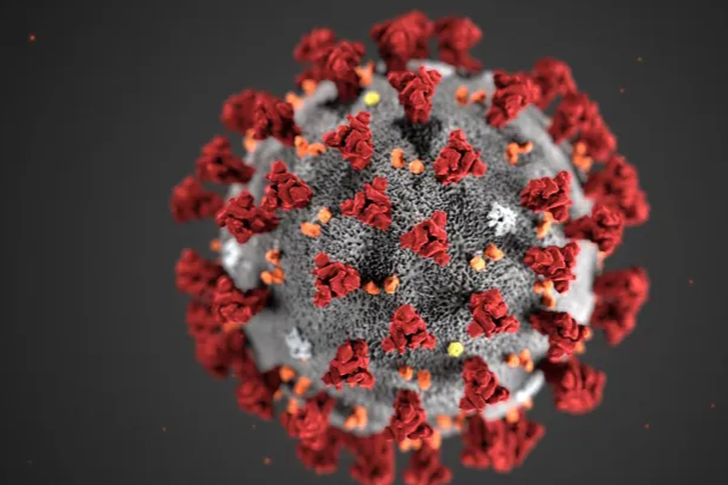
A new long-lasting Covid symptom has been discovered b...

Rosemary or aposplinos as our ancients called it, has foun...

Paraardhësit tanë, gjuetar-mbledhësit e hershëm, përballes...
Iron deficiency is a very common condition, caused by low ...
It may be called the "golden age", but 1 in 2 people aged ...

The head of the National Emergency Center, Skënder Brataj,...

Depression affects about 5% of the world's adult populatio...
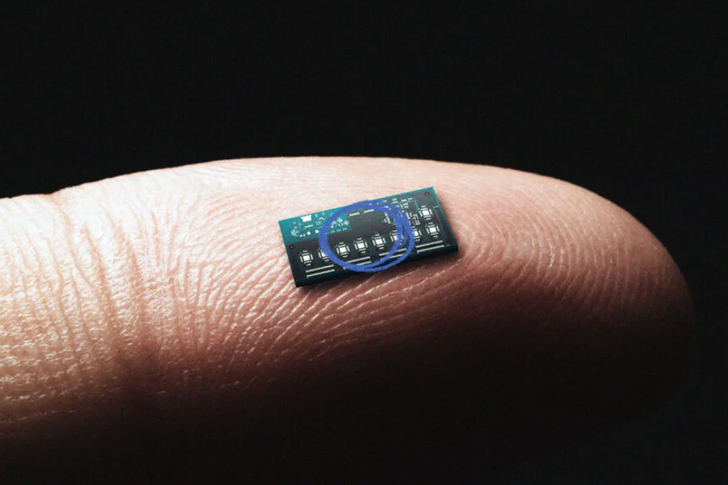
Health experts have thought that when severe spinal cord i...
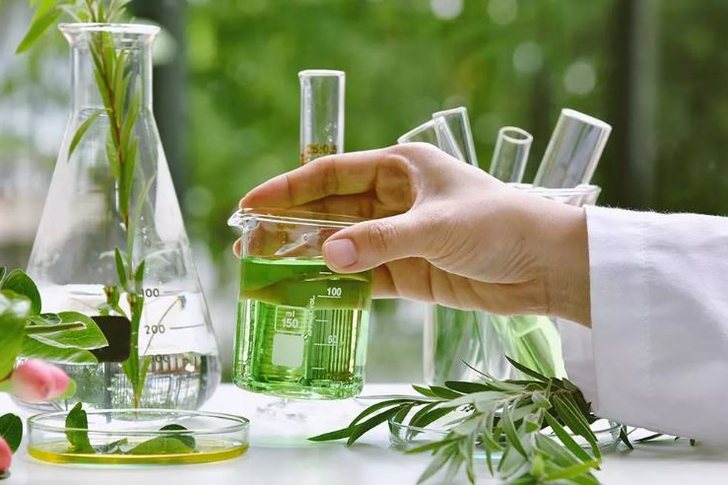
Sipas një studimi të ri, një bimë tropikale vendase në Kin...

A new study says that walking 4,000 steps a day reduce...
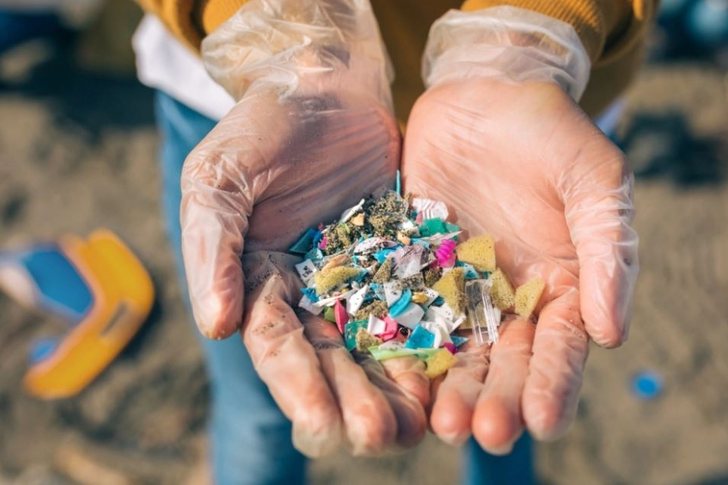
Microplastics used in food packaging and paints have been ...

Improving your diet lowers the risk of certain diseases, b...

Hair growth is a problem in itself for many girls and boys...
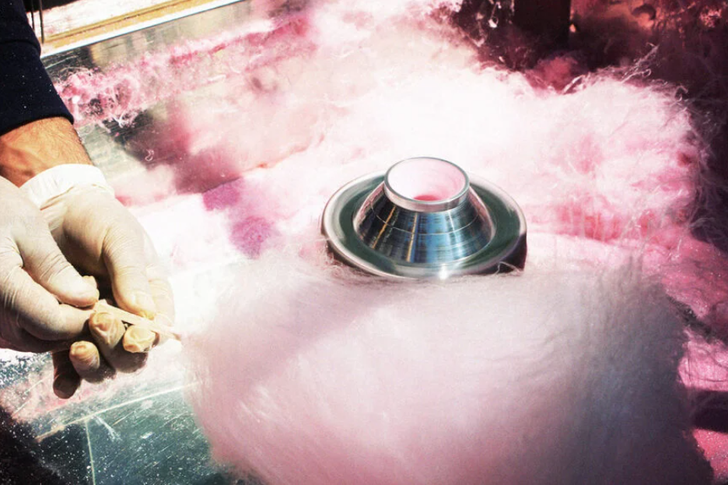
Kidney stones are quite problematic. They cause pain, vomi...
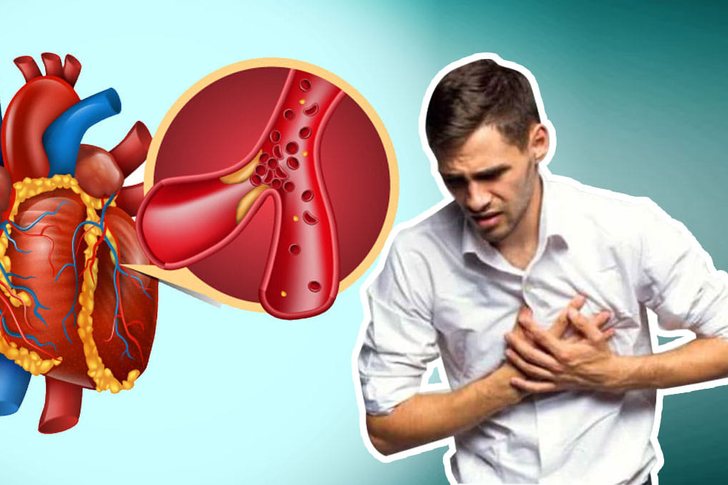
Heart attack, this heavy word that we are hearing more and...

Less than 5,000 steps a day is enough to maintain good...

The mayor of Tirana, Erion Veliaj, arrested on 13 charges ...

Qytetarët që kalojnë pasditen pranë Liqenit Artificial në ...

On the morning of July 7, 2026, the Ministry of Culture ur...

After the disclosure of the portfolio of properties an...

The Special Board of Appeal (KPA) decided this Monday ...

The KPA vetting decided this Thursday to dismiss the p...

Suela Salavaçi, a prosecutor in the Prosecutor's Offic...

The Special Board of Appeal reinstated the prosecutor ...

A road accident occurred this Thursday on the Tirana-Elbas...

A minor was arrested and taken to police headquarters afte...

At around 07:10, the services of the Farka Police Station ...
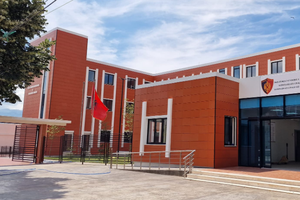
On July 10 of this year, the Police Supervision Agency arr...

Today, our country will remain under the influence of stab...
Today, our country will remain under the influence of stab...

The latest report compiled by the European Transport Safet...
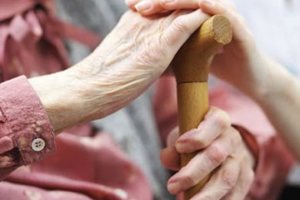
The Albanian woman is on average 2 years older than the Al...

The only Albanian MP in the Serbian Parliament, Shaip Kamb...

European Union Enlargement Commissioner Marta Kos has reac...

In the Chamber of Deputies (Camera dei Deputati) in Rome, ...

US Secretary of State Marco Rubio has significantly escala...

Master of humor Todi Llupi has passed away at the age of 7...

The ninth edition of "MIK Festival" kicked off with one of...

A historic evening for Albanian culture was marked in the ...

When I turned 10, another building was built in front of o...

Around 97,100 people are employed in regulated professions...
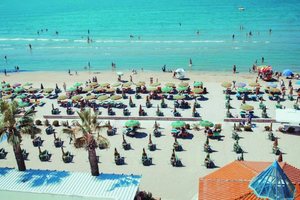
Albania continues to be the main destination for vacatione...

This Thursday, one US dollar is bought for 81.1 lek an...
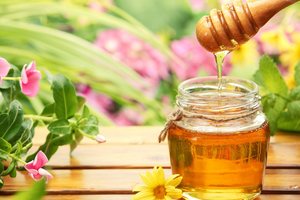
Beekeeping has expanded significantly in recent years, bec...