


35th anniversary of the SP/ Berisha: Yesterday's rally marked the end of the party of crime
DP leader Sali Berisha, in a conversation with followers o...

DP leader Sali Berisha, in a conversation with followers o...

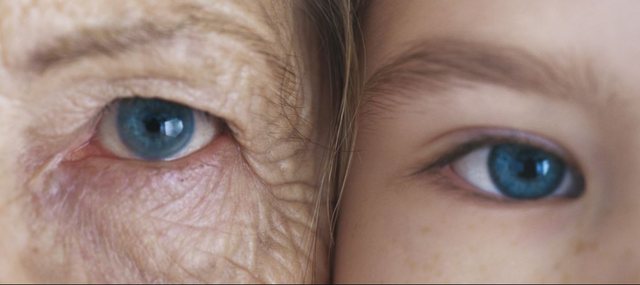
Dietitians often tell you that you are what you eat. But in all likelihood, you are also what your mother ate, or even your grandmother before her. A new study on pregnancy in animals has added to growing evidence that a mother's environment can affect her offspring's metabolism in the long term.
This intergenerational effect was first observed in 1909 among silkworms. Their behavior during the winter season did not originate from specific inherited genes, but from the way their body "read" these genes or activated them.
And this was regulated by the mother's environment. Since then, the potential for these "epigenetic" changes has been noted in many other animal species, including humans.
But how they cross generational boundaries remains unknown. Researchers at Monash University in Australia have now discovered evidence of female silkworms (Caenorhabditis elegans) giving their children and grandchildren extra brain protection when they eat certain foods.
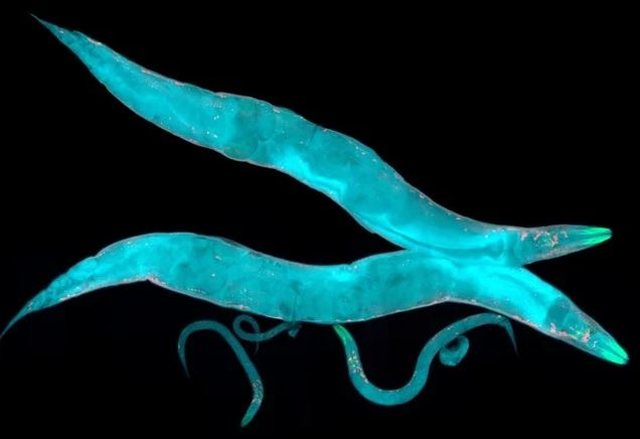
The study was not done in humans, but because C. elegans shares many genes with our species, it provides us with some interesting clues about how epigenetic changes may work throughout the natural world.
If germ cells, such as eggs or sperm, are somehow altered by the mother's diet while in the womb, studies show that they can stay with the offspring for better or worse.
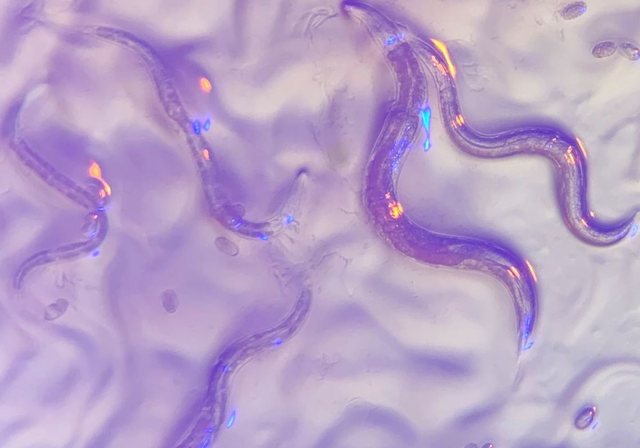
When scientists fed roundworm larvae a molecule commonly found in apples and herbs, called ursolic acid, they noticed that the offspring were somewhat protected from a natural breakdown of nerve communication.
In particular, ursolic acid appears to "activate" a gene in worms that produces a specific type of fat, sphingosine-1-phosphate, also known as sphingolipid. This fat prevents the axons of neurons in the brain from weakening. And initial results show that fat can travel from the mother worm's gut to the eggs in her uterus.
Tek pasardhësit e krimbave, studiuesit zbuluan se nivelet e rritura të sfingolipideve specifike, shkaktuan ndryshime të rëndësishme metabolike, dhe ato u mbajtën gjatë zhvillimit dhe për një gjeneratë tjetër shtesë. “Kjo është hera e parë që një lipid/yndyrë, ka treguar se është trashëguar nga një brez në tjetrin”- thotë studiuesi biomjekësor Roxher Pokok nga Universitetin Monash.
“Më tej, ushqyerja e nënës me sfingolipid i mbron aksonet e dy brezave pasardhës. Kjo do të thotë se dieta e nënës, mund të ndikojë jo vetëm mbi trurin e pasardhësve të tyre, por edhe tek ato të gjeneratave të ardhshme. Studimi ynë mbështet nevojën për një dietë të shëndetshme gjatë shtatzënisë për zhvillimin dhe shëndetin optimal të trurit”-thekson ai.
Një përmbledhje e studimit nga epigjenetisti amerikan Niklas Burton në revistën “Nature” ofron një kontekst të rëndësishëm. C.elegans është një kafshë që bën vezë, shpjegon Burton, dhe kjo do të thotë se vezët e saj çelin pasi ulen në tokë. Nuk është e qartë nëse rezultatet e studimit aktual shtrihen edhe tek kafshët gjallesa si gjitarët.
Megjithatë, Barton thekson se studimet epidemiologjike tek njerëzit tregojnë se pesha e ulët në lindje, ndonjëherë si rezultat i mangësive ushqyese gjatë shtatzënisë, mund të rrisë rrezikun e pasardhësve për zhvillimin e mëvonshëm të problemeve metabolike, si për shembull sëmundjet kardiovaskulare dhe diabetin i Tipit 2.
Barton hopes that studies of model organisms like C. elegans could lead to many new discoveries about how and why animals link the metabolism of the mother to that of the offspring. The study was published in "Nature Cell Biology"./ Adapted from CNA

Artificial intelligence can be used in breast cancer scree...
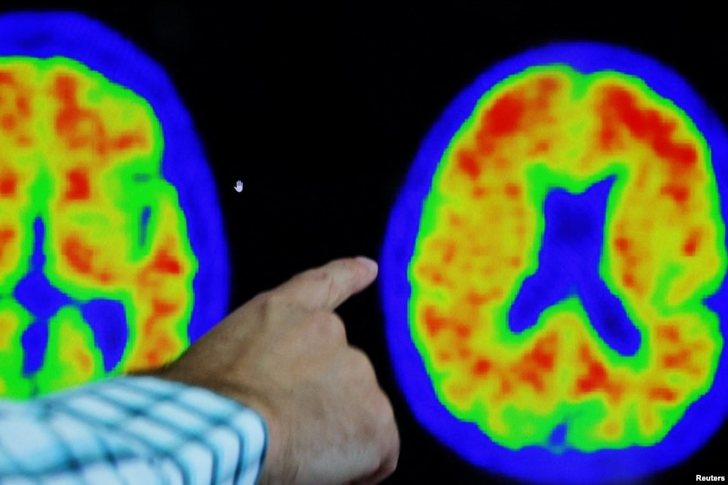
Scientists are studying why some people born with the gene...
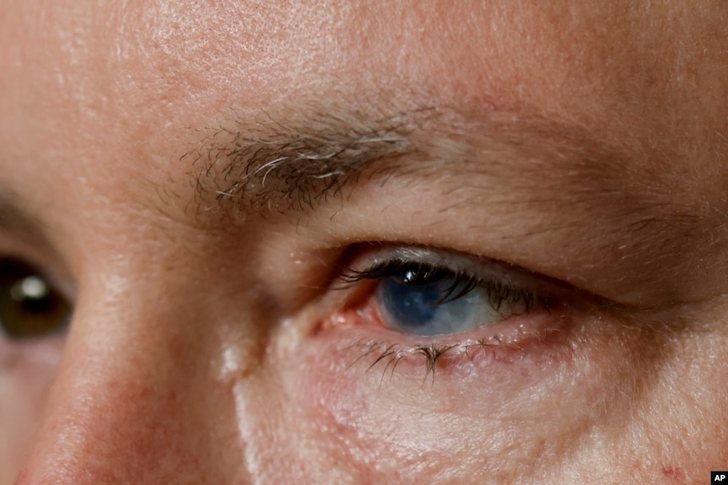
Phil Durst had an accident at work in 2017 when a chemical...
Cancer is a terrifying diagnosis at any age. But a marked ...

Women who wax their intimate area are more likely to suffe...

Autumn is coming with viruses. Boosting immunity is the b...
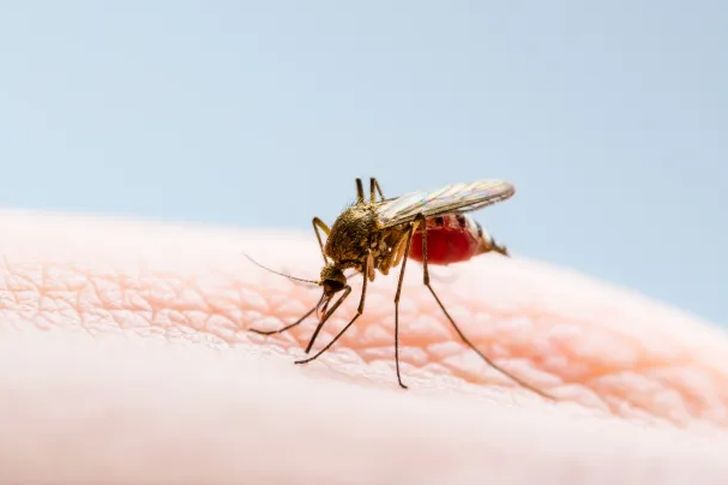
Holidaymakers heading to Italy this summer have been warne...
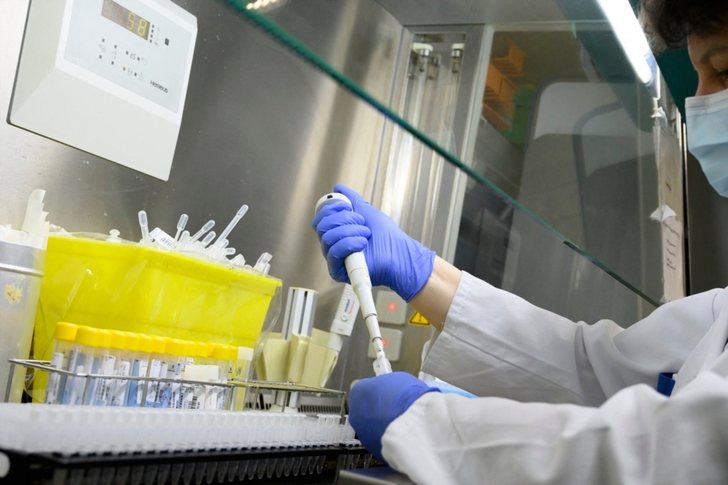
The World Health Organization and US health authoritie...

"It's all in your mind!" Helen Sederot can't remember the ...

A migraine is much more than a headache. It is a debilitat...

The term placebo refers to activities or substances that r...

Experts have revealed a few things you should do before ge...

Since in the daily routine, I often encounter patients who...
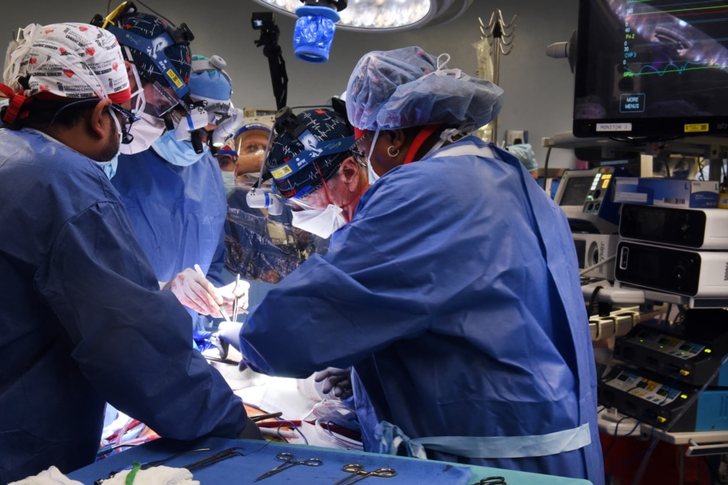
US surgeons who transplanted a modified pig kidney int...

In Albania, the treatment of cerebrovascular diseases has ...
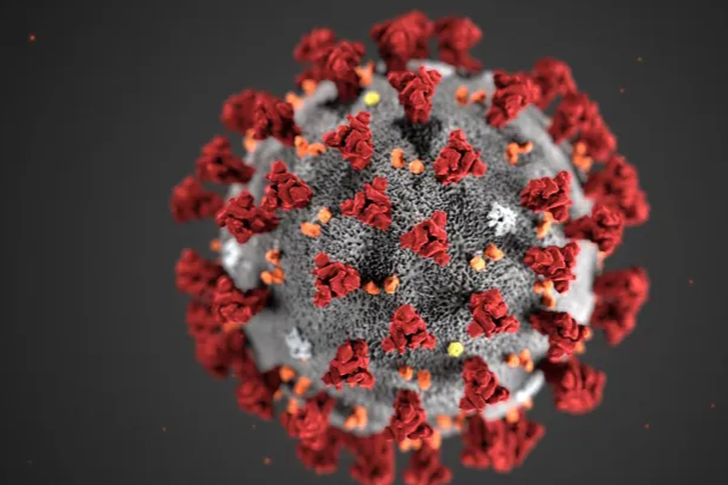
A new long-lasting Covid symptom has been discovered b...

Rosemary or aposplinos as our ancients called it, has foun...

Paraardhësit tanë, gjuetar-mbledhësit e hershëm, përballes...

Iron deficiency is a very common condition, caused by low ...

It may be called the "golden age", but 1 in 2 people aged ...

There have been 12 days of protests in the capital, which ...

Dritan Prençi is the SPAK prosecutor who is sleeping on th...

The in-depth investigations that SPAK conducted into Ajola...

SPAK's standards, the way it investigates, how it secures ...

The Special Board of Appeal (KPA) decided this Monday ...

The KPA vetting decided this Thursday to dismiss the p...

Suela Salavaçi, a prosecutor in the Prosecutor's Offic...

The Special Board of Appeal reinstated the prosecutor ...

Policia e Vlorës ka finalizuar operacionin e koduar “Sigur...

New details have emerged regarding the serious accident th...

An Albanian businessman was arrested this afternoon in Gre...

A serious accident has occurred on the Korça-Ersekë axis, ...

Today our country will be affected by stable weather condi...

A tragic accident occurred this Friday afternoon in Kameni...

Today our country will be affected by unstable weather con...

On Thursday, our country will be affected by relatively un...

Good news for those who fly: After years of negotiations, ...

It took more than two years, but now the EU can begin acce...
US President Donald Trump announced that the US military h...

Iran has taken new measures to strengthen the protection o...

Several archaeological excavations conducted during this s...

At the Museum of Fine Arts in Chambéry, France, an exhibit...

Korça has transformed this weekend into the capital of cel...

Korça is ready to open the summer season with one of the c...

The labor market is facing increasing polarization where w...

This Saturday, one US dollar is bought for 81.5 lek and so...

The Governor of the Bank of Albania, Gent Sejko, shared to...

Business lending has increased in the first half of this y...