


35th anniversary of the SP/ Berisha: Yesterday's rally marked the end of the party of crime
DP leader Sali Berisha, in a conversation with followers o...

DP leader Sali Berisha, in a conversation with followers o...

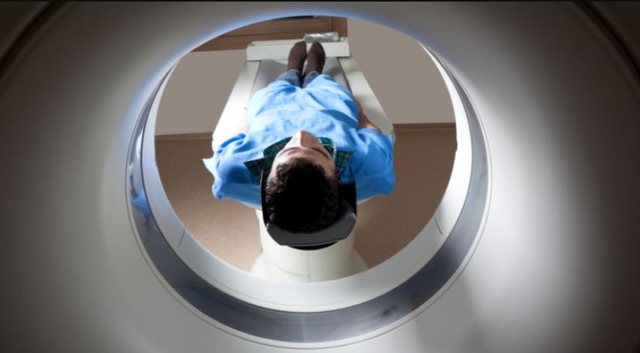
Cancer is a terrifying diagnosis at any age. But a marked increase in cancer rates among young people, revealed by a recent study, is presenting experts with a deeply disturbing mystery that they are scrambling to find an answer to.
Researchers have been observing this disturbing trend for some time. Last year, a review of global cancer data for the past 3 decades found that adults under the age of 50 are increasingly affected by cancer from the 1990s onwards.
Benjamin Koh, a physician at the National University of Singapore, and his colleagues wanted to understand what has really been happening recently, especially in the United States. The results of their new analysis echo changes observed in other countries around the world.
Studies show that cancers seen in young people are different from the types of cancers that affect the same organs in older people. And these are differences that are also affecting treatment options for the disease. So we need to understand which cancers are affecting a certain age group and how they do it.

In addition to global trends, data on specific populations are also useful to guide public health policies and research funding priorities. Overall, age remains the biggest risk factor for cancer, a disease that results from the accumulation of genetic mutations.
But now something is happening in younger age groups, and health experts aren't sure what it is. In many countries, but especially in the US, rising rates of youth cancers may be due to a number of factors: changing diet, lifestyle and sleep patterns; increasing obesity, antibiotic use and air pollution.
Compounding these trends is the fact that cancer screening programs are detecting more cancers at an earlier stage, while vaccination programs are preventing some of them.
However, an international study of 2022 suggests that there is a significant increase in cancer cases in those over 50 years of age. Although the new study did not consider the impact of these programs, searches of existing data sources provided a comprehensive and up-to-date summary of cancer rates in the under-50s between 2010 and 2019 for the US.

Koh dhe kolegët e tij identifikuan gjithsej 562.145 të rinj të rritur në 17 regjistra të të dhënave, që regjistrojnë diagnoza të reja të kancerit në pjesë të ndryshme të SHBA-së, dhe i përdorën ato për të vlerësuar normat e incidencës në të gjithë popullsinë gjatë dekadës deri në vitin 2019.
Incidenca i referohet rasteve të reja të diagnostikuara në një popullatë gjatë një periudhe kohore. Në përgjithësi, incidenca e kancerit në moshën nën 50 vjeç u rrit. Konkretisht në vitin 2019 u diagnostikuan 3 raste shtesë për 100.000 njerëz, krahasuar me të dhënat e vitit 2010.
Analizimi i grupmoshave specifike dhe incidenca e llojeve të ndryshme të kancerit është shumë më domethënës. Ai lë të nënkuptohen faktorët themelorë të rrezikut që mund të kontribuojnë në barrën në rritje të kancerit.
“Kanceret gastrointestinale, kishin normat e incidencës me rritjen më të shpejtë në mesin e të gjithë kancereve tek moshat më te reja”-shkruajnë Koh dhe kolegët në prezantimin e studimit të tyre. Këtu përfshihet kanceri i zorrëve, forma më e zakonshme e kancerit gastrointestinal tek të rriturit e rinj në vitin 2019, dhe kanceret e apendiksit, kanalit biliar dhe pankreasit, shkalla e të cilave u rrit ndjeshëm gjatë dekadës së studiuar.
Njerëzit për të cilët do të mendonit se janë në kulmin e jetës së tyre, të moshës 30-39 vjeç, po preken në fakt gjithnjë e më shumë nga kanceri. Incidenca e të gjithë kancereve, por veçanërisht e atyre gastrointestinale, u rrit në këtë grupmoshë kur incidenca e kancerit ose mbeti e qëndrueshme ose u ul tek të rriturit e moshuar.
This increasing burden of gastrointestinal cancers reflects the results of the 2022 international analysis, recent data from Australia and other studies spanning all continents. Diets rich in highly processed foods may have an impact on this growth.
Of course, these types of studies are only as good as the data available for them, so the results may not paint the whole picture. “There may have been underreporting or underdiagnosis among more neglected populations, such as African Americans. Therefore, these results require a careful interpretation" - conclude Koh and colleagues. The study was published in the journal "JAMA Network Open"./ Adapted from CNA


Women who wax their intimate area are more likely to suffe...

Autumn is coming with viruses. Boosting immunity is the b...
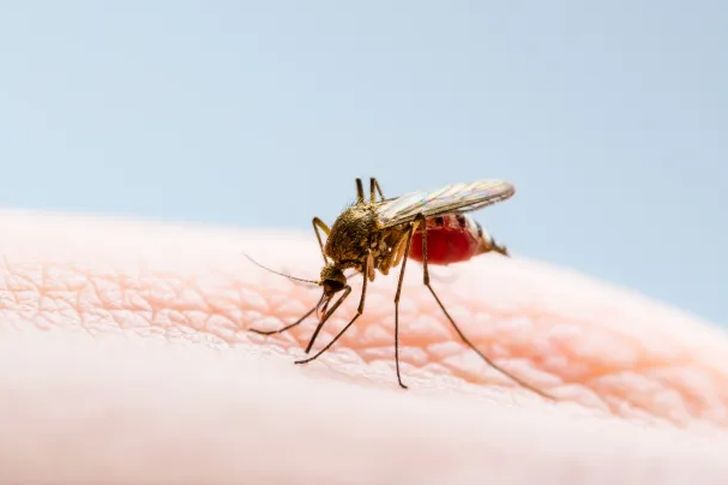
Holidaymakers heading to Italy this summer have been warne...
The World Health Organization and US health authoritie...

"It's all in your mind!" Helen Sederot can't remember the ...

A migraine is much more than a headache. It is a debilitat...

The term placebo refers to activities or substances that r...

Experts have revealed a few things you should do before ge...

Since in the daily routine, I often encounter patients who...
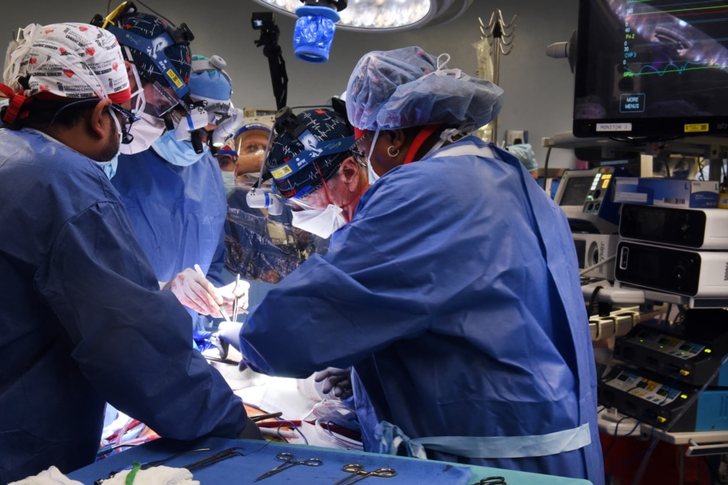
US surgeons who transplanted a modified pig kidney int...

In Albania, the treatment of cerebrovascular diseases has ...
A new long-lasting Covid symptom has been discovered b...

Rosemary or aposplinos as our ancients called it, has foun...

Paraardhësit tanë, gjuetar-mbledhësit e hershëm, përballes...

Iron deficiency is a very common condition, caused by low ...
It may be called the "golden age", but 1 in 2 people aged ...

The head of the National Emergency Center, Skënder Brataj,...

Depression affects about 5% of the world's adult populatio...

Health experts have thought that when severe spinal cord i...

Sipas një studimi të ri, një bimë tropikale vendase në Kin...

There have been 12 days of protests in the capital, which ...

Dritan Prençi is the SPAK prosecutor who is sleeping on th...

The in-depth investigations that SPAK conducted into Ajola...

SPAK's standards, the way it investigates, how it secures ...

The Special Board of Appeal (KPA) decided this Monday ...

The KPA vetting decided this Thursday to dismiss the p...

Suela Salavaçi, a prosecutor in the Prosecutor's Offic...

The Special Board of Appeal reinstated the prosecutor ...

Policia e Vlorës ka finalizuar operacionin e koduar “Sigur...

New details have emerged regarding the serious accident th...

An Albanian businessman was arrested this afternoon in Gre...

A serious accident has occurred on the Korça-Ersekë axis, ...

Today our country will be affected by stable weather condi...

A tragic accident occurred this Friday afternoon in Kameni...

Today our country will be affected by unstable weather con...

On Thursday, our country will be affected by relatively un...

Good news for those who fly: After years of negotiations, ...

It took more than two years, but now the EU can begin acce...

US President Donald Trump announced that the US military h...

Iran has taken new measures to strengthen the protection o...

Several archaeological excavations conducted during this s...

At the Museum of Fine Arts in Chambéry, France, an exhibit...

Korça has transformed this weekend into the capital of cel...

Korça is ready to open the summer season with one of the c...

The labor market is facing increasing polarization where w...

This Saturday, one US dollar is bought for 81.5 lek and so...

The Governor of the Bank of Albania, Gent Sejko, shared to...

Business lending has increased in the first half of this y...