

What is a placebo and why it is often more effective than the drug itself
The term placebo refers to activities or substances that r...


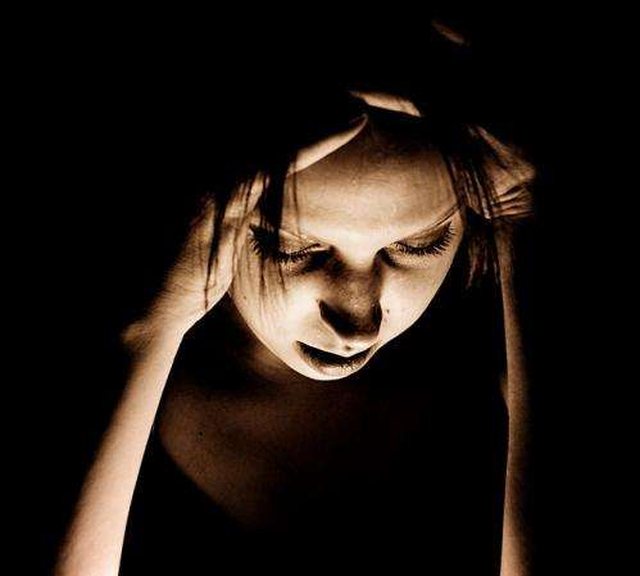
A migraine is much more than a headache. It is a debilitating disorder of the human nervous system. People who have migraines experience severe throbbing pain, usually on one side of the head. The pain is often accompanied by nausea, vomiting and extreme sensitivity to light or sound.
An attack of this symptom can last for hours or days, and to ease the suffering, some people spend this period isolated in dark and quiet rooms. About 800 million people worldwide suffer from migraine headaches on a regular basis.
In the US alone, about 39 million, or nearly 12 percent of the population, experience them regularly. And most of these people are women. Over 3 times more than men. For women aged 18-49, migraine is the leading cause of disability worldwide.
Furthermore, studies show that women's migraines are more frequent, more disabling, and longer lasting than men's. Women are more likely than men to seek medical attention and prescription drugs to treat migraines. And women with migraines tend to have more mental health problems, including anxiety and depression.
As a neurologist specializing in headaches, I am struck by gender differences. There are several factors why men and women experience migraine attacks differently. These include hormones, genetics, how certain genes are turned on or off—a field of study called epigenetics—and the environment.
The hormones estrogen and progesterone, through different mechanisms, play a role in the regulation of many biological functions. They affect different chemicals in the brain, and may contribute to functional and structural changes in specific brain regions that are involved in the development of migraine.
In addition, sex hormones can rapidly change the size of blood vessels, which can predispose people to migraine attacks. A variety of medications and therapies provide relief for migraines. During childhood, both boys and girls have an equal chance of experiencing migraines.
It is estimated that about 10 percent of all children will experience them at some point. But when girls hit puberty, they are more likely to get migraines. And this is due to the fluctuating levels of sex hormones, mainly estrogen, associated with puberty.
Although other hormones may also be involved, including progesterone. But migraines are often more common and more intense during a woman's reproductive and childbearing years. Researchers estimate that about 50-60 percent of women with migraines experience menstrual migraines.
These migraines usually occur in the days before menstruation or during menstruation itself, when the drop in estrogen levels can trigger migraines. The most severe forms of migraine are accompanied by an aura, that is, when the person begins to see dark dots and zigzag lines.
Disi më rrallë, rreth 10 për qind të rasteve, vërehet gjithashtu paaftësia për të folur qartë, apo ndjesia sikur po shpohet nga gjilpërat ose dobësi në njërën anë të trupit. Këto simptoma rriten ngadalë, zakonisht zgjasin më pak se një orë para se të zhduken dhe zakonisht pasohen nga dhimbje koke.
Këto simptoma ngjajnë me atë që ndodh gjatë një goditje në tru, ndaj për një person i zakonshëm e ka shumë vështirë të përpiqet të bëjë dallimin midis 2 gjendjeve, veçanërisht në mesin e një sulmi, dhe të përcaktojë nëse është migrenë me aurë ose goditje në tru.
Nëse ka ndonjë pasiguri mbi atë çfarë nuk shkon, atëherë është urgjente një telefonatë tek urgjenca. Për gratë shtatzëna, migrena mund të jetë veçanërisht problematike gjatë 3-mujorit të parë, një periudhë kur janë të zakonshme të vjellat në mëngjes, duke e bërë të vështirë ngrënien, gjumin apo hidratimin.
Lajmi i mirë është se migrena përgjithësisht priret të zbehet në ashpërsi dhe frekuencë gjatë gjithë shtatzënisë. Për disa gra, ato zhduken me ecurinë e shtatzënisë. Por më pas, për ato që i kanë përjetuar ato gjatë shtatzënisë, migrena priren të rritet në frekuencë pas lindjes.
Kjo mund të ndodhë për shkak të uljes së niveleve të hormoneve , si dhe mungesës së gjumit, stresit, dehidrimit dhe faktorëve të tjerë mjedisorë që lidhen me kujdesin për një foshnjë.
Sulmet e migrenës mund të rriten gjithashtu gjatë per-menopauzës, fazës kalimtare të një gruaje në menopauzë. Sërish përgjegjëse janë luhatjet e niveleve të hormoneve, veçanërisht estrogjenit, i shkaktojnë ato, së bashku me dhimbjen kronike, depresionin dhe shqetësimet e gjumit që mund të ndodhin gjatë kësaj kohe.
Por ndërsa përparon menopauza, migrena në përgjithësi bie në frekuencë. Në disa raste, ajo zhduket plotësisht. Gjithsesi ka disa trajtime që mund të ndihmojnë në zvogëlimin e shpeshtësisë dhe ashpërsisë së migrenës gjatë menopauzës, përfshirë terapinë e zëvendësimit të hormoneve.
Meanwhile, in men, the frequency and severity of migraine increases slightly in the early 20s. It tends to slow, peak again around age 50, then slow or stop altogether in old age. Why this happens is not well understood, although a combination of genetic factors, environmental influences and lifestyle choices may contribute./ Adapted from CNA

The term placebo refers to activities or substances that r...

Experts have revealed a few things you should do before ge...
Since in the daily routine, I often encounter patients who...
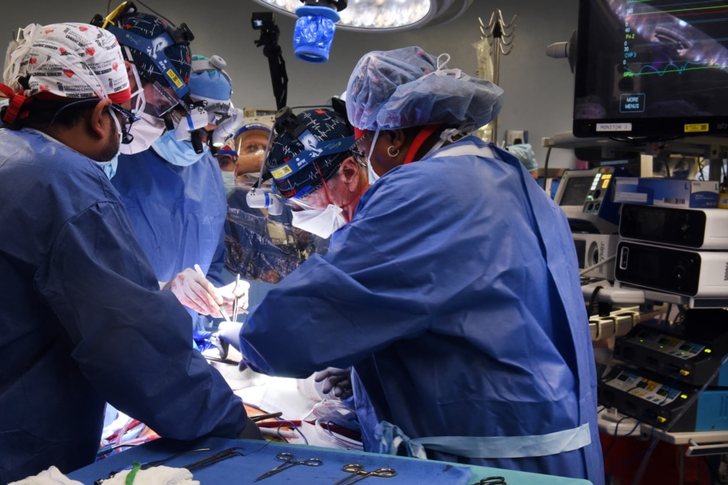
US surgeons who transplanted a modified pig kidney int...

In Albania, the treatment of cerebrovascular diseases has ...
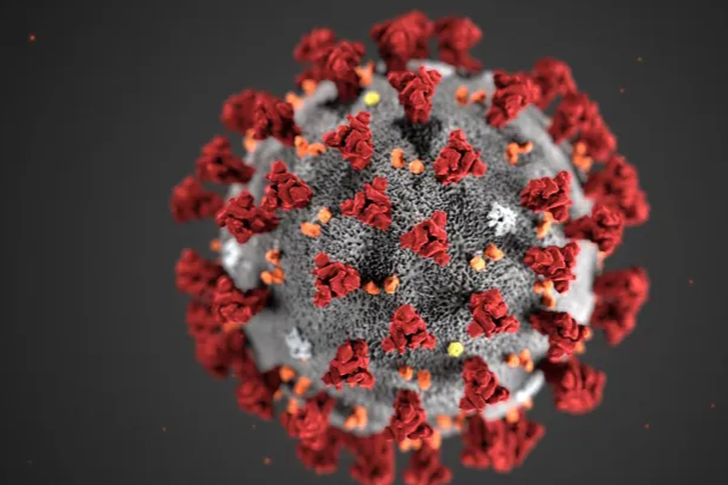
A new long-lasting Covid symptom has been discovered b...

Rosemary or aposplinos as our ancients called it, has foun...

Paraardhësit tanë, gjuetar-mbledhësit e hershëm, përballes...
Iron deficiency is a very common condition, caused by low ...
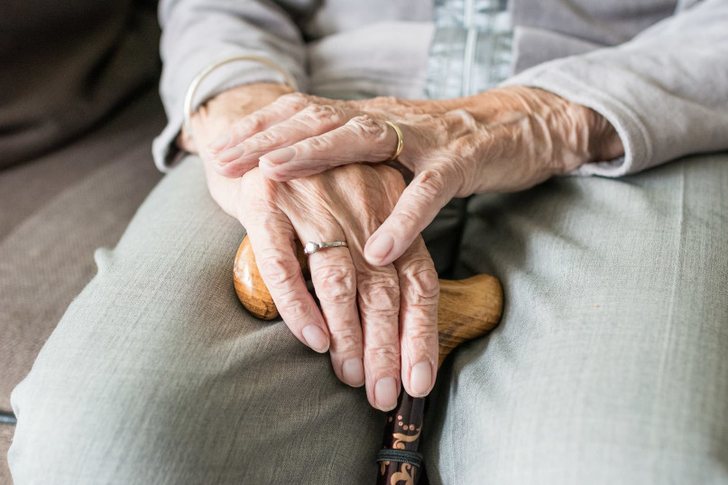
It may be called the "golden age", but 1 in 2 people aged ...

The head of the National Emergency Center, Skënder Brataj,...
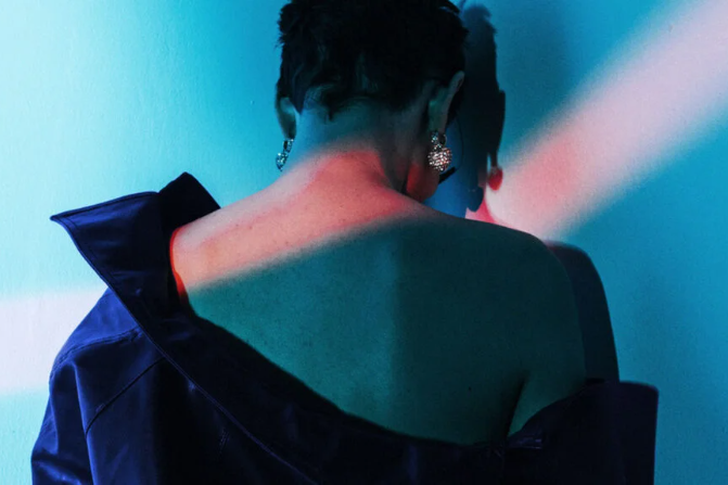
Depression affects about 5% of the world's adult populatio...
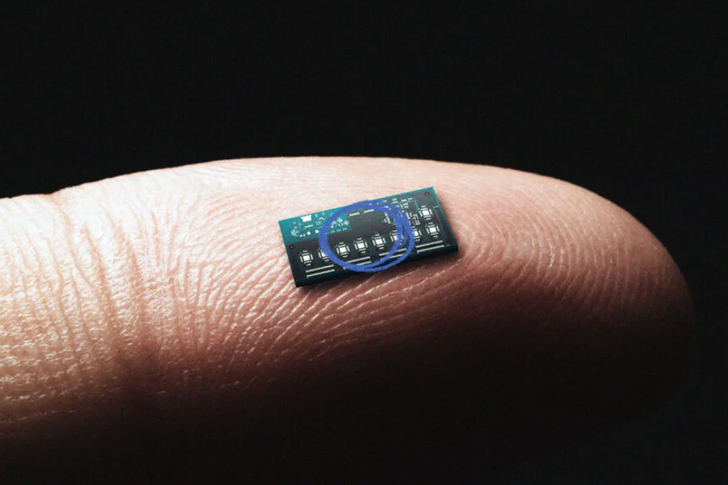
Health experts have thought that when severe spinal cord i...
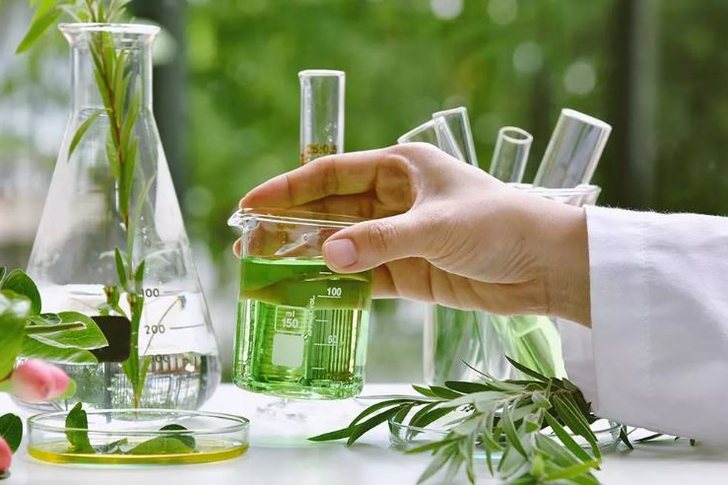
Sipas një studimi të ri, një bimë tropikale vendase në Kin...

A new study says that walking 4,000 steps a day reduce...
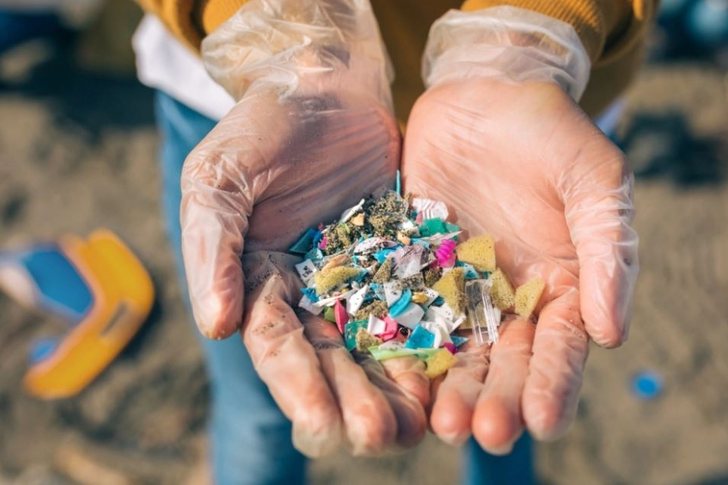
Microplastics used in food packaging and paints have been ...

Improving your diet lowers the risk of certain diseases, b...
Hair growth is a problem in itself for many girls and boys...
Kidney stones are quite problematic. They cause pain, vomi...
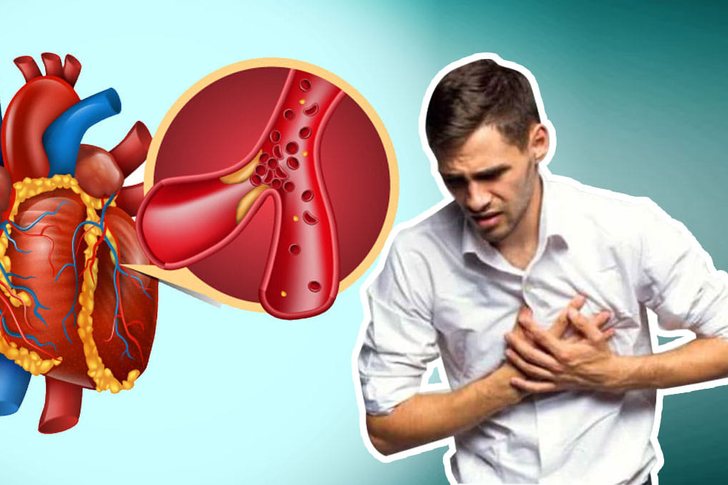
Heart attack, this heavy word that we are hearing more and...

There have been 12 days of protests in the capital, which ...

Dritan Prençi is the SPAK prosecutor who is sleeping on th...

The in-depth investigations that SPAK conducted into Ajola...

SPAK's standards, the way it investigates, how it secures ...

The Special Board of Appeal (KPA) decided this Monday ...

The KPA vetting decided this Thursday to dismiss the p...

Suela Salavaçi, a prosecutor in the Prosecutor's Offic...

The Special Board of Appeal reinstated the prosecutor ...

Policia e Vlorës ka finalizuar operacionin e koduar “Sigur...

New details have emerged regarding the serious accident th...

An Albanian businessman was arrested this afternoon in Gre...

A serious accident has occurred on the Korça-Ersekë axis, ...
Today our country will be affected by stable weather condi...

A tragic accident occurred this Friday afternoon in Kameni...

Today our country will be affected by unstable weather con...

On Thursday, our country will be affected by relatively un...

Good news for those who fly: After years of negotiations, ...

It took more than two years, but now the EU can begin acce...

US President Donald Trump announced that the US military h...

Iran has taken new measures to strengthen the protection o...

Several archaeological excavations conducted during this s...

At the Museum of Fine Arts in Chambéry, France, an exhibit...

Korça has transformed this weekend into the capital of cel...

Korça is ready to open the summer season with one of the c...

The labor market is facing increasing polarization where w...

This Saturday, one US dollar is bought for 81.5 lek and so...

The Governor of the Bank of Albania, Gent Sejko, shared to...

Business lending has increased in the first half of this y...