

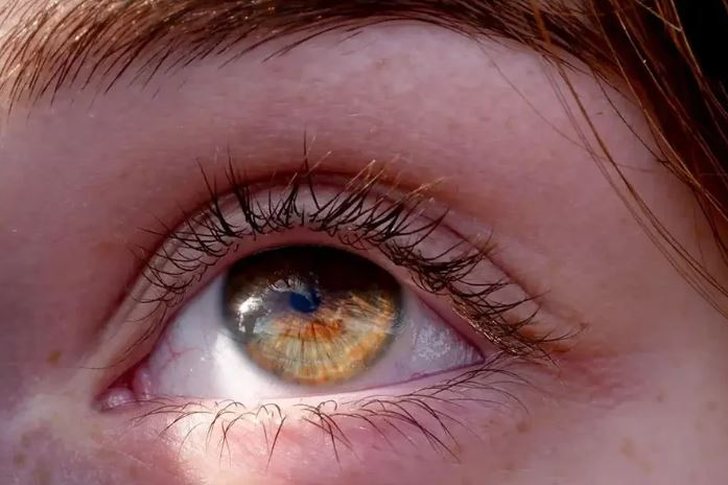
Could the first signs of Alzheimer's appear in your eyes?
The eyes are more than the window to the soul. They are al...


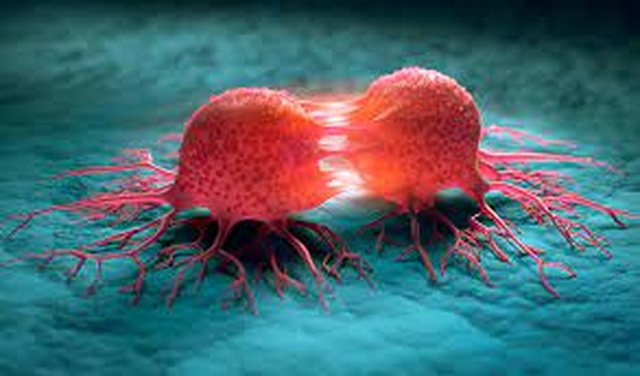
New cases of cancer among young people have increased significantly.
In the United States, the American Cancer Society reported that the demographics of cancer patients are increasingly shifting from older individuals to middle-aged people. While adults over 50 experienced a decline in overall cancer incidence from 1995 to 2020, there was a marked increase in people younger than 50.
Why are young people getting cancer at higher rates? Does this mean people should start cancer screening at younger ages? Who should be more concerned? And what preventive measures should young people take into account?
To help with these questions, CNN conducted an interview with Dr. Leana Wen, who is an emergency physician and associate professor at George Washington University.
interview
CNN: What are the deadliest cancers in young people?
The early-onset cancers that cause the greatest number and burden of death globally are breast cancer; cancer of the trachea, bronchi and lungs; and stomach and colorectal cancers, according to a 2023 study published in the journal BMJ Oncology.
These are similar statistics for the elderly population. In the United States, lung cancer, colorectal cancer, pancreatic cancer, and breast cancer are the four leading causes of cancer death.
CNN: Should people start cancer screening at younger ages?
This is a complex question that I think is best answered by looking at population versus individual recommendations. Guidelines from major medical organizations and federal policymaking bodies are based on what is recommended for people at average risk. Most people should follow these guidelines.
For example, in the United States, the US Preventive Services Task Force recommends that people begin colon cancer screenings at age 45. The task force also issued a draft recommendation that women begin mammograms at age 40. Both revisions represent changes to the guidelines. Before 2021, people were advised to start colon cancer screenings at age 50. The mammogram change was only proposed last year and has not been finalized. Prior to this recommendation, the guideline was for most women to begin mammography at age 50.
People who are at average risk should follow existing guidelines. This is one reason they should make sure they have an annual checkup with their doctor or other primary care provider. It's time to review all the tests they need to do, which include cancer screenings.
CNN: Should everyone talk to their doctor every year about cancer screenings?
Yes, and they should make sure they get the screenings that are recommended. According to the American Cancer Society, one in three people who are eligible for colon cancer screenings have never received a screening exam. And up to 59% of women skip their annual mammogram, according to some surveys.
But the startling statistics on the rise of cancer in young people should be a call to action. Many cancers are asymptomatic in the early stages. This is why screening is needed: to detect these cancers before they spread. Treatment can be curative if the cancer is detected early.
CNN: What else would you recommend to young people?
It is essential that people know their risks. In particular, they need to know what their family history is and whether they have other medical conditions or lifestyle factors that increase their risk of early cancer.
Everyone should try to find out their family history of cancer. Are there any first degree relatives who have had cancer? Know their medical history and ask their doctor if a certain condition may increase their risk of cancer. Also, be sure to mention all lifestyle factors, including smoking, alcohol consumption, dietary habits, and physical activity.
CNN: Are there steps young people can take to reduce their risk of cancer?
Yes. Smoking and drinking alcohol are the main risk factors. Quitting smoking and reducing alcohol intake are important steps. Just a minute or two of vigorous exercise a day can reduce cancer risk, as can ultra-processed food. It's also important to note that these lifestyle changes not only reduce the risk of cancer, but are the same ones that reduce the likelihood of heart disease and premature death./ CNA

The eyes are more than the window to the soul. They are al...
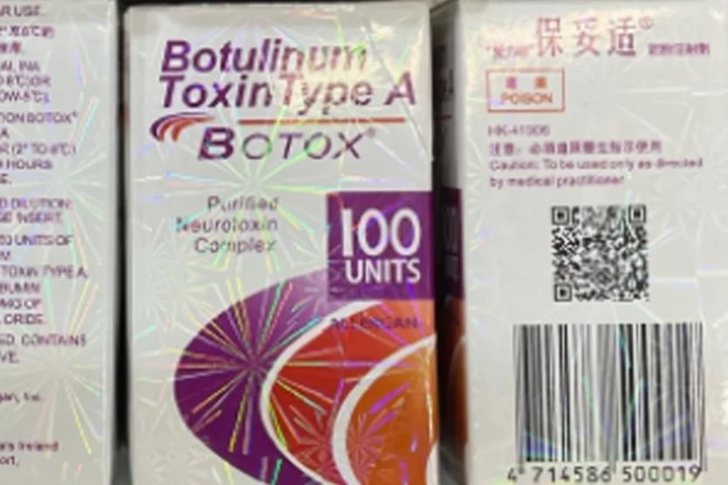
The US Food and Drug Administration is warning that danger...

Vezët mbartin vlera të jashtëzakonshme ushqyese për sh...
If you experience chronic pain, you know that it can have ...
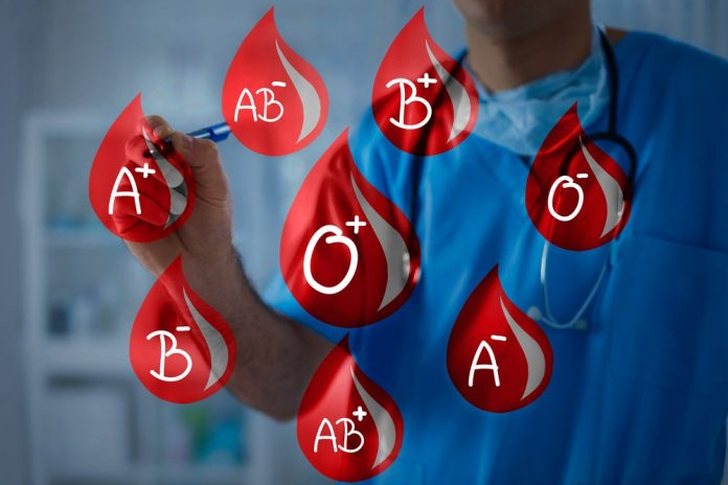
Everyone should be able to answer the question about blood...
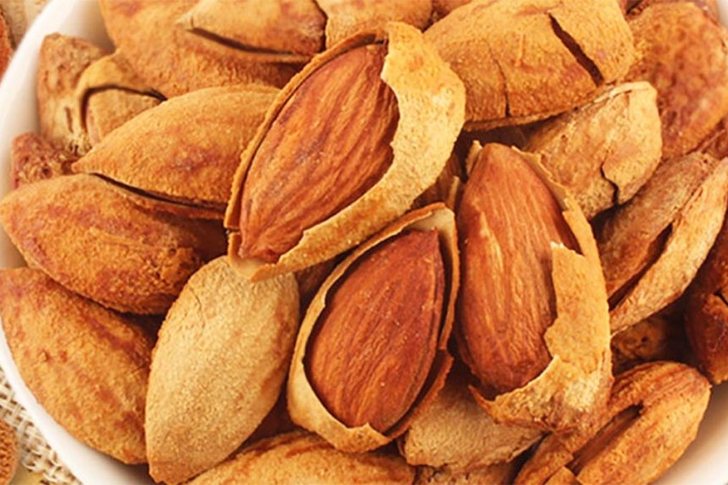
Milk and other foods rich in calcium are the main choice f...
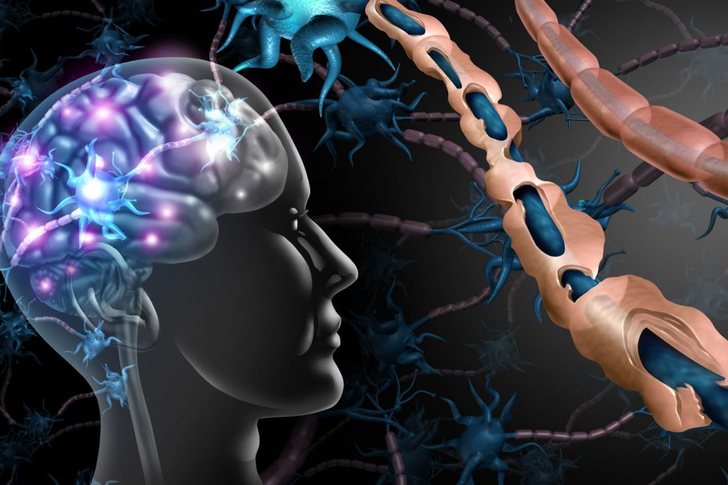
The problem raised in this article is the payments that pe...
Ju mund të mendoni se tualeti është objekti me më shumë mi...
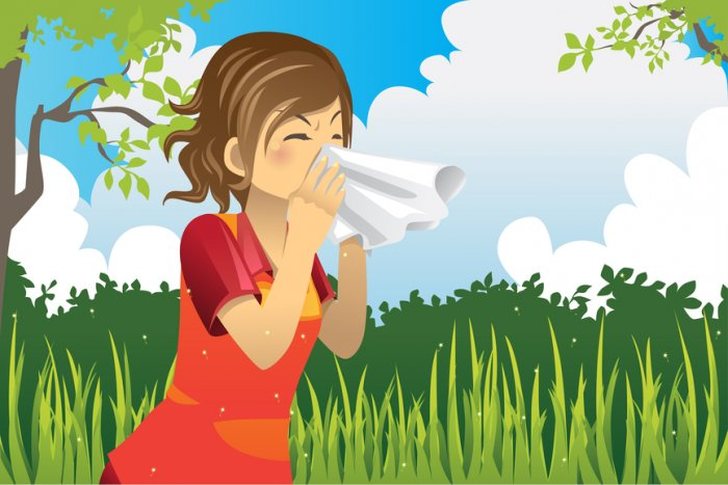
Seasonal allergies, like other allergies, develop when the...

A popular saying goes that "when life gives you lemons, ma...
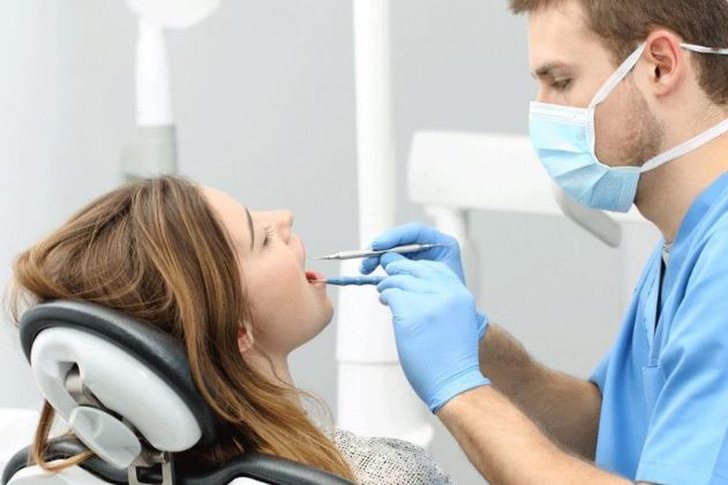
People generally put off visiting the dentist as much as t...
The 2011 film I Limitless is said to have spurred interest...

Tensioni i ulët i gjakut, i njohur në gjuhën mjekësore...

Pizzas, cakes, breads, pastas. all usually contain wheat, ...

A recent study published in the Journal of Clinical En...
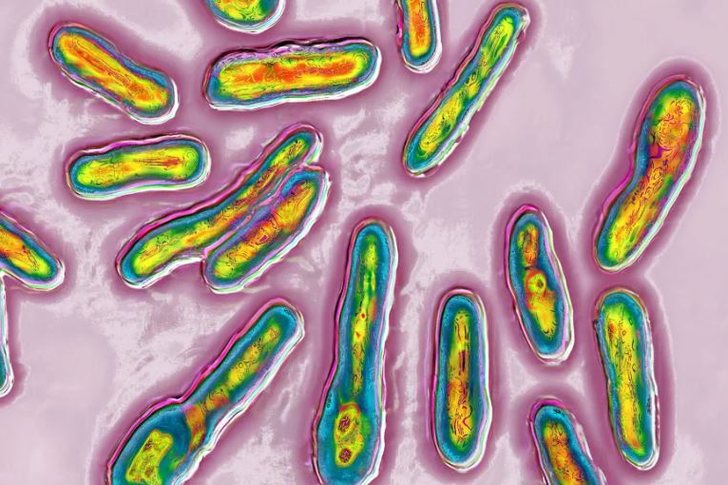
People in at least two states have been hospitalized with ...
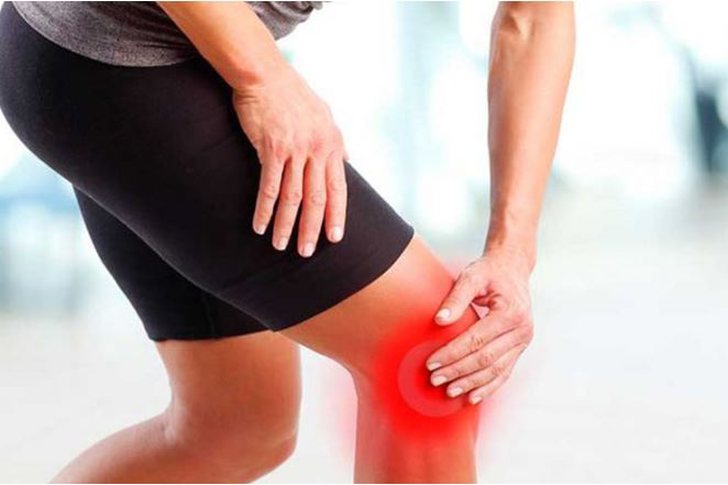
There are many factors that cause knee pain, mainly influe...
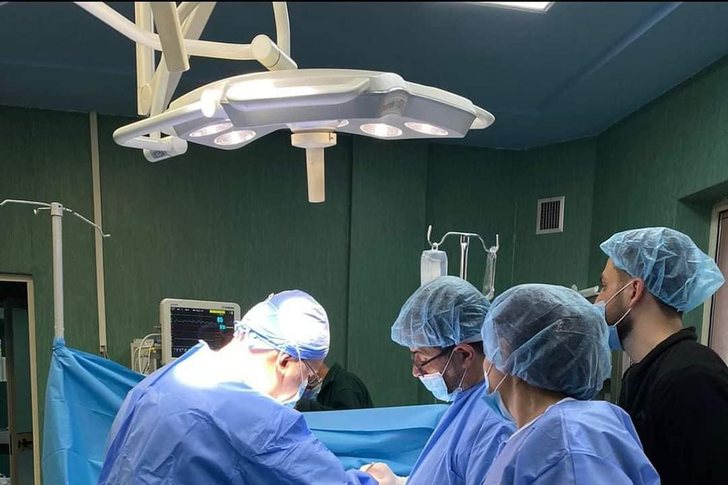
A case of success has been achieved at the "Shefqet Ndroqi...
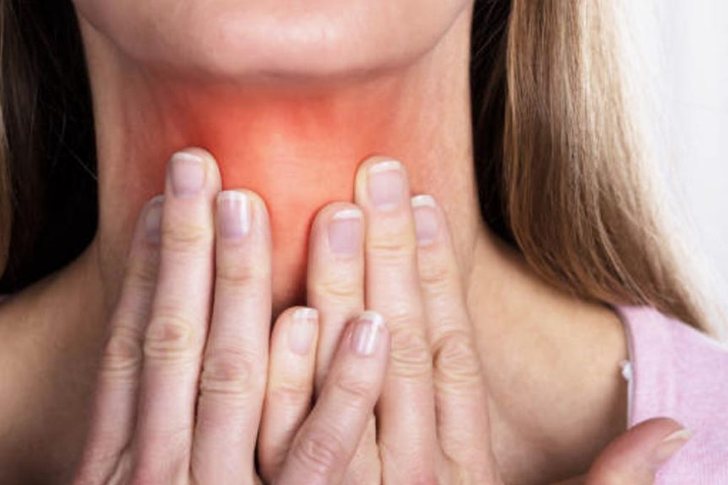
The health of the thyroid glands is always much discussed ...
Researchers searching for clues as to why certain types of...

Irfan Hysenbelliu claims to be a big businessman, an hones...

The murder of officer Enea Mekolli in the line of duty has...

The next case broadcast on the show "Stop", this Thursday,...

The case published this Thursday, June 4, on the show "Sto...

The Special Board of Appeal (KPA) decided this Monday ...

The KPA vetting decided this Thursday to dismiss the p...

Suela Salavaçi, a prosecutor in the Prosecutor's Offic...

The Special Board of Appeal reinstated the prosecutor ...
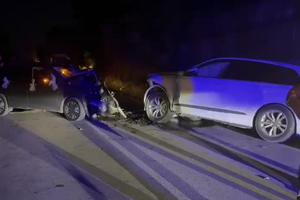
A road accident has been reported on the Fier-Levan axis, ...

An accident was recorded a few minutes ago on the Pogradec...
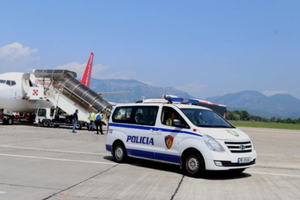
Following the cooperation of Interpol Tirana with Interpol...

An accident occurred this Saturday morning at Shkëmbi i Ka...

Albanians are officially the hardest working people in Eur...

This Saturday will be characterized by mostly clear weathe...
Today our country will be affected by stable weather condi...

For many children and teenagers, the long summer holidays ...

The military advisor to Iran's supreme leader, Mohsen Reza...

US Defense Secretary Pete Hegseth declared that Europe is ...

A federal judge in Rhode Island struck down a Trump admini...

Thousands of Kosovo citizens living abroad are voting phys...

Korça is ready to open the summer season with one of the c...

Two years after his passing, the renowned Korçë poet Skënd...

The Ethnographic Museum of Berat has opened its doors to v...
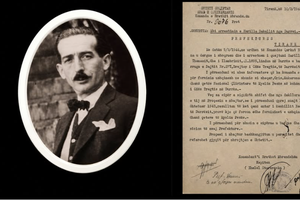
The story of Harilla Bakalli is one of the most chilling t...

The Transparency Board, in today's meeting, decided to red...

This Saturday, one US dollar is bought for 81.4 lek and so...

Despite years of efforts at regional cooperation and free ...

Albania is the country with the highest level of severe ma...