

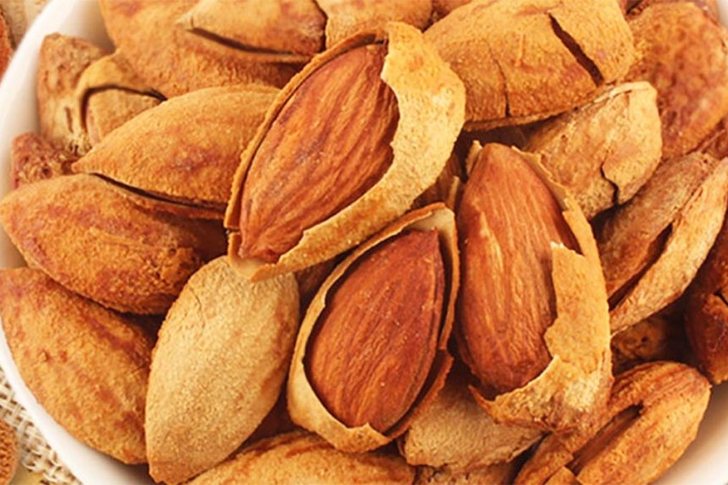
Hard bones/ Nuts, harder than milk
Milk and other foods rich in calcium are the main choice f...


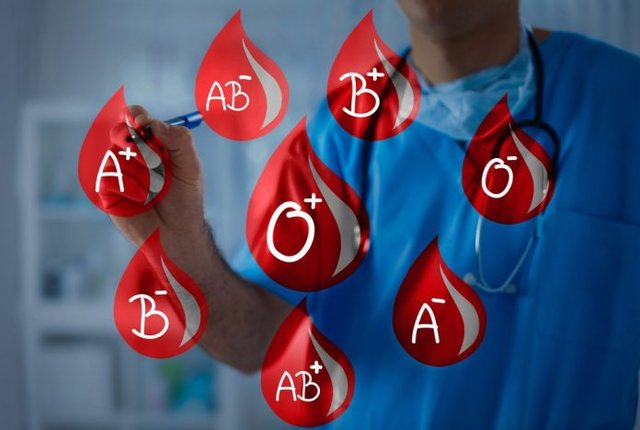
Everyone should be able to answer the question about blood group. But only a few people know their blood type, even though it could save their lives. For example, if someone is injured in an accident and if the victim's blood type is known, it is easier for nurses and doctors to organize the right blood for transfusion as quickly as possible, because not every blood type is suitable for everyone. .
Blood type is determined by genes, so it is hereditary. The so-called ABo (zero) system divides human blood into four different blood groups: A, B, AB, and 0. In cases of donation, the blood must have the same group for both the donor and the recipient. If the donated blood and the blood recipient do not match, then the blood can become blocked and have fatal consequences. Therefore it is vital that everyone knows their blood type.
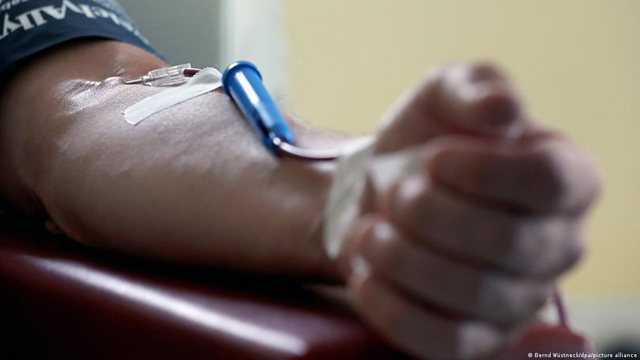
Blood type A is more common at about 43 percent. In second place is blood group 0, the group that can be donated to all blood recipients. About 11 percent of the population have B blood group and AB only five percent.
Blood type 0 is in high demand. Whoever has negative blood group 0 is a universal donor, his blood can be used by all recipients. The AB positive blood group is a universal recipient, meaning it accepts any type of blood. Before the discovery of blood groups, it was a coincidence that a blood transfusion was performed without complications.
An important factor is antibodies. These are proteins found in plasma. They are part of the body's natural defences, distinguish foreign bodies such as microbes and alert the immune system. In terms of blood type, this means that antibodies produce blood cells against foreign bodies, to recognize and fight them.
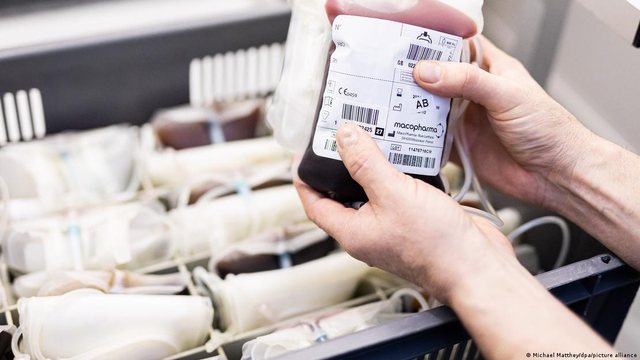
Antigens also play an important role. These are protein molecules located on the surface of red blood cells. People with blood group A have antigen A on the surface of erythrocytes. In group B, antigen B. In group AB, the red blood cells have both antigens, in group O they have no antigen.
The immune system creates the missing antibody antigen accordingly. People with blood group A have antibodies against B and vice versa. People with type AB blood do not make antibodies. In blood group 0, there are antibodies against both A and B.
The second most important system for blood classification, after the Abo group system, is the Rhesus system. With the rhesus factor we are dealing with the "antigen D" in the red blood cells. Whoever possesses this gene is rhesus positive. Whoever does not have this antigen is rhesus negative. The same as with blood groups, people with rhesus negative create antibodies against rhesus positive blood. These factors are also important during blood transfusion. About 85 percent of the European population is rhesus positive. So when it comes to blood donation, rhesus negative blood is in the minority

Milk and other foods rich in calcium are the main choice f...
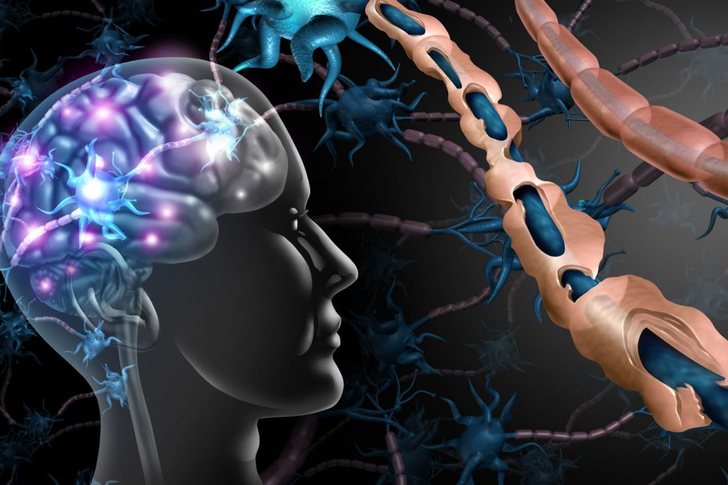
The problem raised in this article is the payments that pe...

Ju mund të mendoni se tualeti është objekti me më shumë mi...

Seasonal allergies, like other allergies, develop when the...

A popular saying goes that "when life gives you lemons, ma...
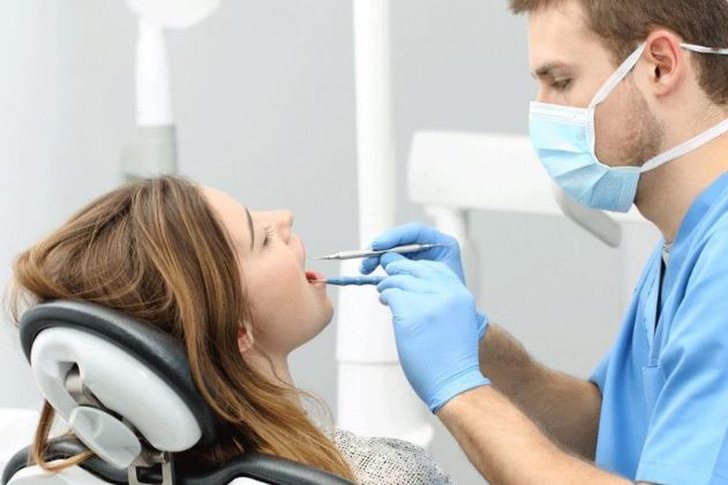
People generally put off visiting the dentist as much as t...

The 2011 film I Limitless is said to have spurred interest...
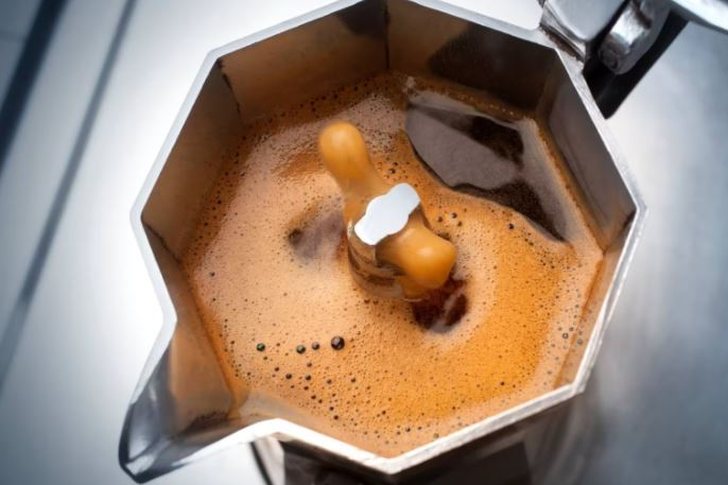
Tensioni i ulët i gjakut, i njohur në gjuhën mjekësore...
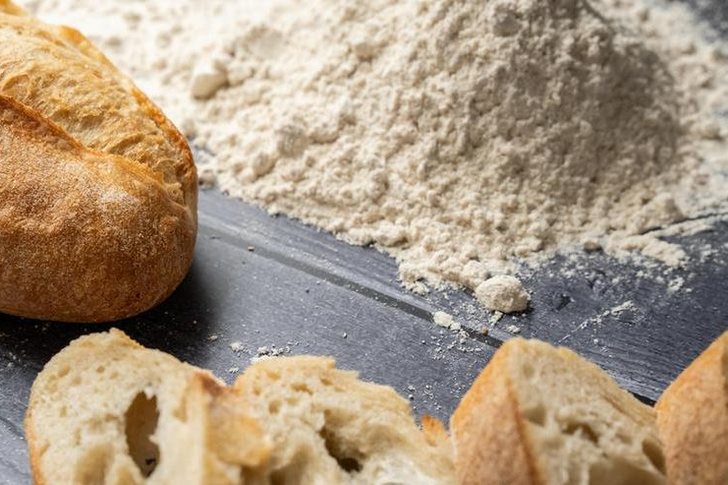
Pizzas, cakes, breads, pastas. all usually contain wheat, ...

A recent study published in the Journal of Clinical En...
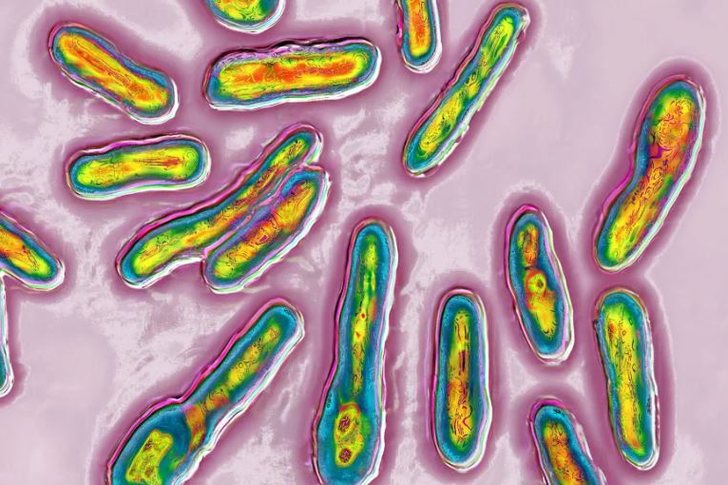
People in at least two states have been hospitalized with ...
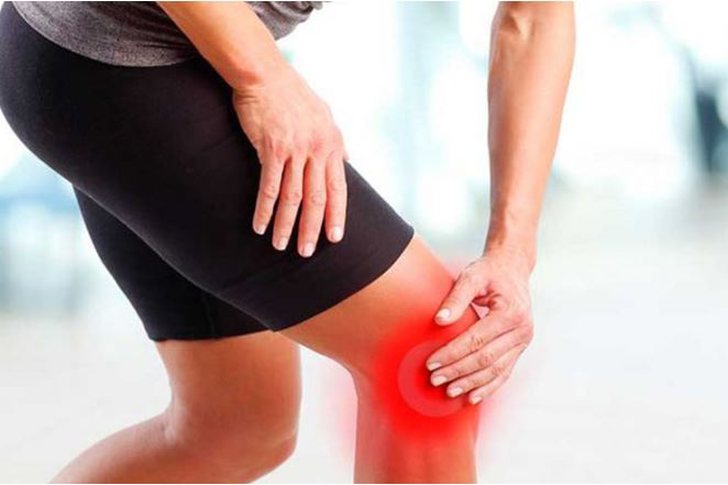
There are many factors that cause knee pain, mainly influe...
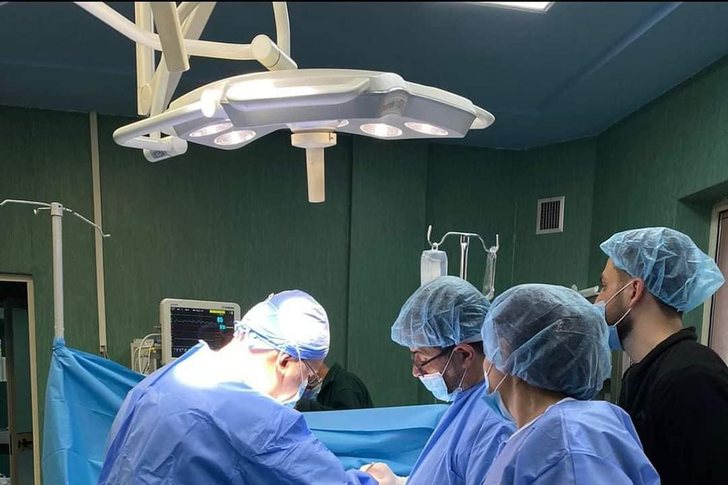
A case of success has been achieved at the "Shefqet Ndroqi...
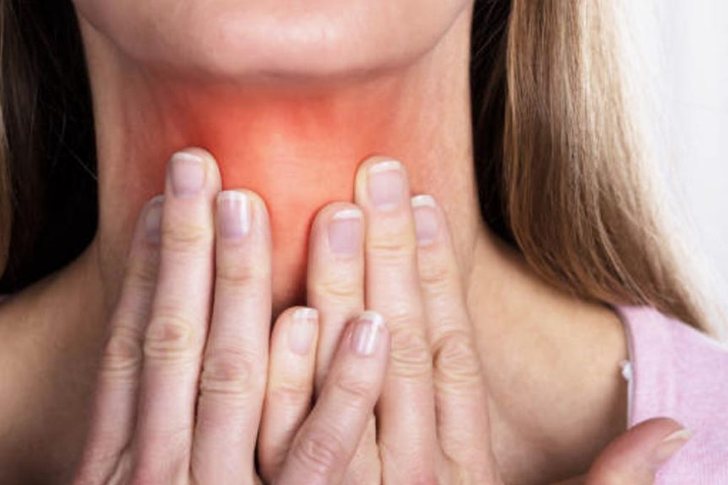
The health of the thyroid glands is always much discussed ...

Researchers searching for clues as to why certain types of...

There are people who, when they drink water quickly, a...
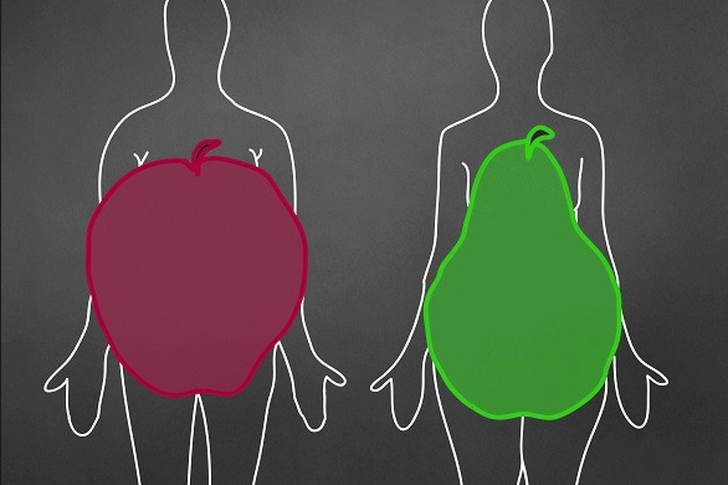
Have you started the first worries?! - Has your blood pre...

Drinking fruit juices or smoothies is a very effective way...
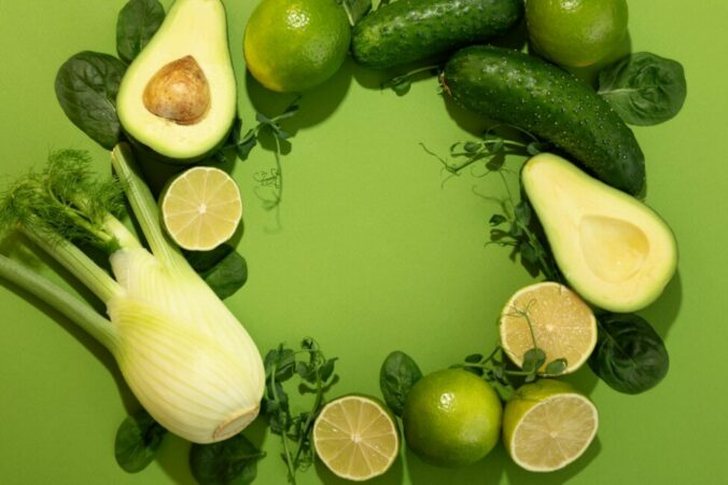
Vitamin C is a useful and necessary nutrient for the body,...
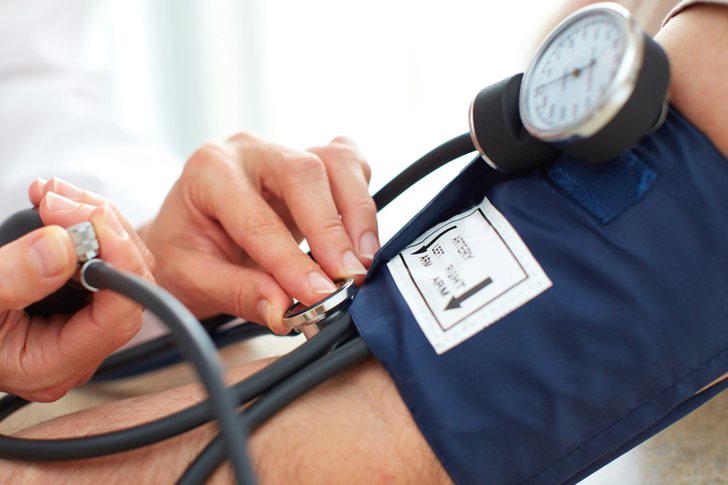
For experts, the origin of high blood pressure or arterial...

Irfan Hysenbelliu claims to be a big businessman, an hones...

The murder of officer Enea Mekolli in the line of duty has...

The next case broadcast on the show "Stop", this Thursday,...

The case published this Thursday, June 4, on the show "Sto...

The Special Board of Appeal (KPA) decided this Monday ...

The KPA vetting decided this Thursday to dismiss the p...

Suela Salavaçi, a prosecutor in the Prosecutor's Offic...

The Special Board of Appeal reinstated the prosecutor ...

A road accident has been reported on the Fier-Levan axis, ...

An accident was recorded a few minutes ago on the Pogradec...
Following the cooperation of Interpol Tirana with Interpol...

An accident occurred this Saturday morning at Shkëmbi i Ka...

Albanians are officially the hardest working people in Eur...

This Saturday will be characterized by mostly clear weathe...
Today our country will be affected by stable weather condi...

For many children and teenagers, the long summer holidays ...

The military advisor to Iran's supreme leader, Mohsen Reza...

US Defense Secretary Pete Hegseth declared that Europe is ...

A federal judge in Rhode Island struck down a Trump admini...

Thousands of Kosovo citizens living abroad are voting phys...

Korça is ready to open the summer season with one of the c...
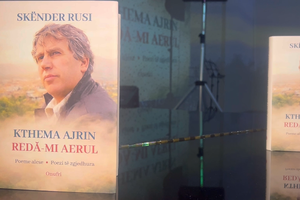
Two years after his passing, the renowned Korçë poet Skënd...

The Ethnographic Museum of Berat has opened its doors to v...
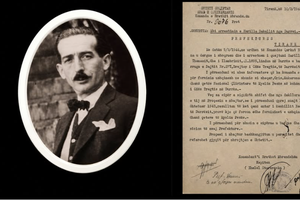
The story of Harilla Bakalli is one of the most chilling t...

The Transparency Board, in today's meeting, decided to red...

This Saturday, one US dollar is bought for 81.4 lek and so...

Despite years of efforts at regional cooperation and free ...

Albania is the country with the highest level of severe ma...