


Kurat me ushqimet më të mira për tensionin e ulët
Tensioni i ulët i gjakut, i njohur në gjuhën mjekësore...


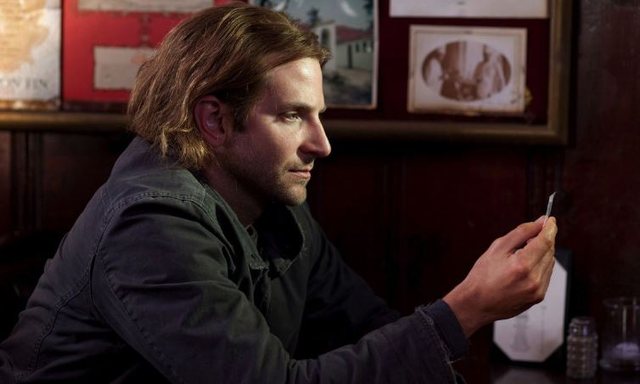
The 2011 film I Limitless is said to have spurred interest in products that increase concentration or improve memory.
The film is about a stressed-out writer whose life changes when he tries a special pill. Recently, the use of "nootropic supplements", as such boosters are called, has also been endorsed by famous people.
Supermodel Bella Hadid is the "face" of the brand "Kin Euphorics", which advertises for consumers the opportunity to "improve health, mood or well-being". Joe Rogan, a well-known podcast presenter, has presented the supplement "Alpha Brain", which according to him, "turns on the brain organ", writes "The Economist".
Alpha Brain is produced by Onnit, a supplement company co-founded by Mr Rogan in 2010, with the aim of "inspiring a journey towards human optimism".
The brand caught the attention of conglomerate Unilever, which makes everything from soups to soaps, and it bought Alpha Brain in 2021 for an undisclosed sum. Other consumer goods rivals have also entered the fray.
"Reckitt Benckiser", the parent company of brands such as "Durex" and "Strepsils", sells the supplements known as "Neuriva". These large companies are competing by creating a variety of nutritional supplement brands.
Research firm Polaris estimates that global sales of nootropic supplements, which reached $11 billion in 2021, will grow at an average annual rate of almost 15% through 2030.
Nootropic supplements usually include diverse ingredients, with names unheard of to most people: amino acids like L-theanine, plant extracts like Ashwagandha, probiotics, vitamins, and a surprising variety of mushrooms.
"Neuriva" contains forms of coffee fruit extract and phosphatidylserine, a type of fat. The ingredients are combined to form new products that are said to provide various stimulating benefits to the human brain.
These supplements began to attract a lot of interest after the pandemic, when public attention to wellness increased. They appeal to both older consumers, who are concerned about declining brain activity, and younger consumers, who want to be as sharp as possible (and others who just want to emulate famous people like Rogan and Bella Hadid).
For manufacturing companies, these supplements are attractive because demand for them has increased, as David Ridley of the research company Citeline points out, and such supplements are very easy to market.
Many states have regulatory laws that control the health claims that can be made about these products, but also leave manufacturers plenty of room for maneuver. Moreover, it is very difficult to say whether these nootropic supplements really work or not.
There is some evidence to show that they are indeed effective. Andrea Utley, an expert in motor control and development at Leeds University, who is skeptical of nootropic supplements, tested one such supplement. Her randomized study found that the supplement sped up decision-making and improved memory.
But few such studies have been conducted. Therefore, doctors call for caution. Richard Isaacson of the Florida Institute for Neurodegenerative Diseases gives the example of a patient whose liver was severely damaged, and the cause was initially suspected to be excessive drinking.
It later turned out that the cause had been the intake of excessive amounts of a mushroom with nootropic benefits.
It's understandable that people try to halt cognitive decline with lab-proven supplements that are tailored specifically to a patient's needs, says Dr. Isaacson.
But this does not mean that a healthy brain should be encouraged, without knowing what risks such supplements bring. Maybe he should start a podcast. /Monitor

Tensioni i ulët i gjakut, i njohur në gjuhën mjekësore...

Pizzas, cakes, breads, pastas. all usually contain wheat, ...

A recent study published in the Journal of Clinical En...

People in at least two states have been hospitalized with ...
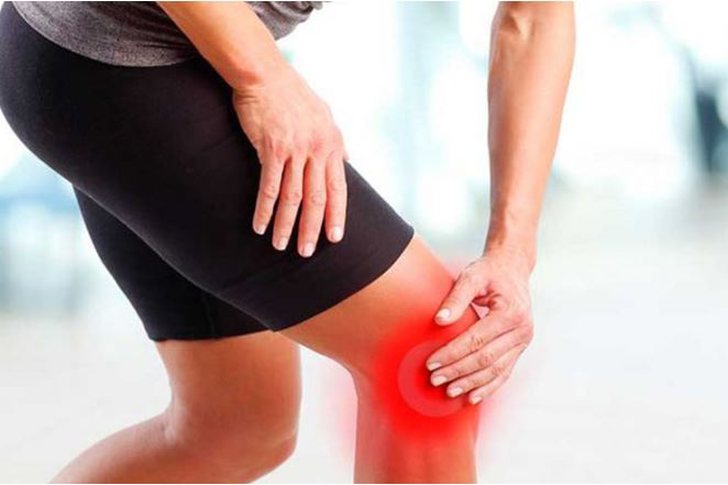
There are many factors that cause knee pain, mainly influe...
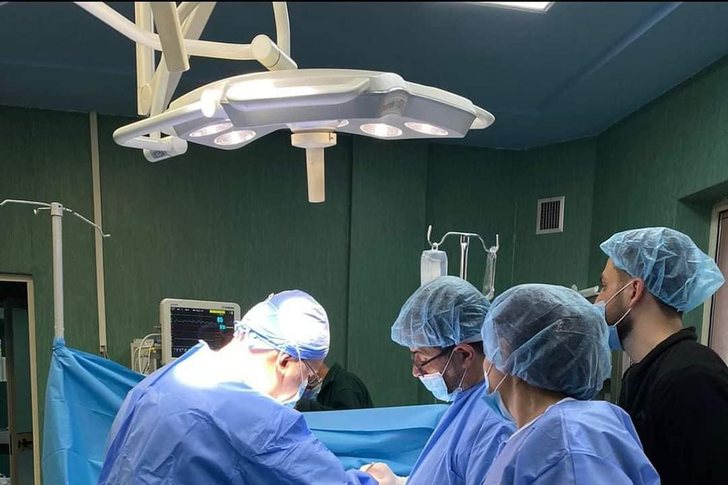
A case of success has been achieved at the "Shefqet Ndroqi...

The health of the thyroid glands is always much discussed ...

Researchers searching for clues as to why certain types of...

There are people who, when they drink water quickly, a...

Have you started the first worries?! - Has your blood pre...

Drinking fruit juices or smoothies is a very effective way...

Vitamin C is a useful and necessary nutrient for the body,...
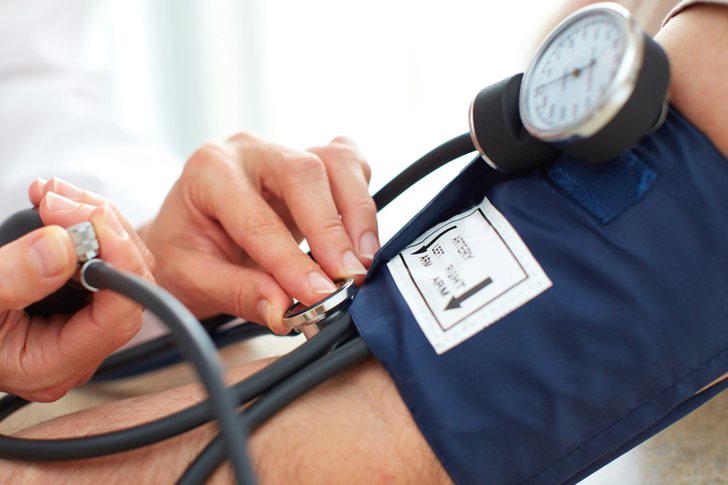
For experts, the origin of high blood pressure or arterial...

Zyrtarët shëndetësorë po paralajmërojnë mjekët që të j...

Gjumi i pashqetësuar gjatë natës është një nga gjërat ...
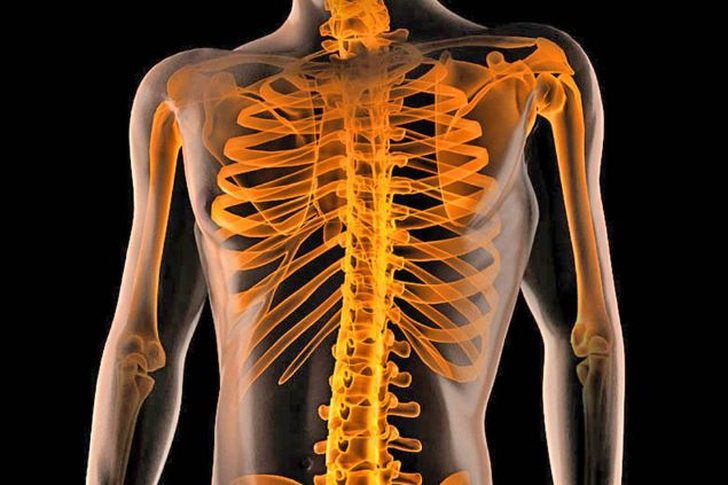
Pavarësisht dëshirës, energjisë, mundësive dhe motivim...

Dinner is a meal that should be eaten at least 3 hours...

AstraZeneca's drug Imfinzi shows promise in treating aggre...

Scientists in the UK say they have found a new cause b...

So far we've learned about the collection of microbes ...

Irfan Hysenbelliu claims to be a big businessman, an hones...

The murder of officer Enea Mekolli in the line of duty has...

The next case broadcast on the show "Stop", this Thursday,...

The case published this Thursday, June 4, on the show "Sto...

The Special Board of Appeal (KPA) decided this Monday ...

The KPA vetting decided this Thursday to dismiss the p...

Suela Salavaçi, a prosecutor in the Prosecutor's Offic...

The Special Board of Appeal reinstated the prosecutor ...

A road accident has been reported on the Fier-Levan axis, ...

An accident was recorded a few minutes ago on the Pogradec...

Following the cooperation of Interpol Tirana with Interpol...

An accident occurred this Saturday morning at Shkëmbi i Ka...

Albanians are officially the hardest working people in Eur...

This Saturday will be characterized by mostly clear weathe...
Today our country will be affected by stable weather condi...

For many children and teenagers, the long summer holidays ...

The military advisor to Iran's supreme leader, Mohsen Reza...

US Defense Secretary Pete Hegseth declared that Europe is ...

A federal judge in Rhode Island struck down a Trump admini...

Thousands of Kosovo citizens living abroad are voting phys...

Korça is ready to open the summer season with one of the c...

Two years after his passing, the renowned Korçë poet Skënd...

The Ethnographic Museum of Berat has opened its doors to v...
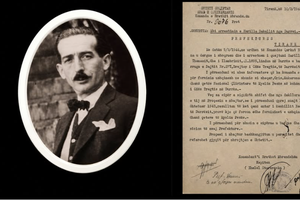
The story of Harilla Bakalli is one of the most chilling t...

The Transparency Board, in today's meeting, decided to red...
This Saturday, one US dollar is bought for 81.4 lek and so...
Despite years of efforts at regional cooperation and free ...
Albania is the country with the highest level of severe ma...