


When to eat dinner to reduce weight and blood sugar
A recent study published in the Journal of Clinical En...


Pizzas, cakes, breads, pastas. all usually contain wheat, barley or rye. So they also have gluten. Most people enjoy gluten very much. For others, after eating, the torture begins with abdominal pain, vomiting, and other unpleasant symptoms. The number of people who cannot tolerate gluten is increasing.
This is not only evidenced by the data from countries like Finland. A 2020 quantitative analysis also shows that in the last decade more and more people have been diagnosed with celiac disease, a bad form of gluten intolerance.
But the disease may not be celiac to begin with. It may also happen that wheat allergy or so-called non-celiac gluten sensitivity are the causes of severe symptoms. So is gluten the devil itself, from which we should distance ourselves as much as possible?
What is gluten?
Gluten is nothing but a protein found in grains. In wheat flour products it plays a role in turning the dough into a pliable dough for rolling out or knitting. Along with wheat, barley and rye, gluten is also found in other types of original grains and cross grains such as: Wheat or spelt, Triticum Spelta, Second wheat, durum wheat, Wheat wheat, Emmer Triticum dicoccum, Wheat Tepa Triricum monococcum, Korasan wheat, A special type of spelled wheat, Triticale, hybrid wheat created by modifying the first wheats.
"Gluten is very interesting because it has very good functional properties and makes wheat into very good bread," says Katharina Scherf. She is professor for food chemistry at the Leibniz Institute for Food Systems Biology at the Technical University of Munich. . Gluten is one of her main areas of study. "Otherwise, gluten causes certain diseases."
What does gluten do to the human body?
"There are three forms of wheat intolerance," says Scherf. One is wheat allergy, which is a classic food allergy, which can be seen by the appearance of certain antibodies in the blood. These so-called immunoglobin E (IgE) are created in the human body that reacts allergic to one or more proteins.
According to the Harvard School of Public Health, the symptoms of such an allergy are itching and swelling of the mouth, throat or. In cases of severe allergic reactions, there may be shortness of breath, vomiting, tightness in the body and even destruction of the blood circulation system. "Wheat allergy occurs more often in children than in adults," says Scherf. Allergies can "heal" over the years and disappear.
Unlike wheat allergy, proving so-called non-celiac gluten sensitivity is more difficult, says Scherf. Symptoms include abdominal pain caused by bloating or constipation, diarrhea and fatigue. Adults are affected more often than children. There is currently no evidence to diagnose non-celiac gluten sensitivity.
What is celiac disease?
This disease is better studied than others related to gluten intolerance. According to the German Celiac Society, Celiac disease itself is neither an allergy nor an intolerance to wheat or gluten. In the case of celiac disease, gluten causes an autoimmune reaction where antibodies attack one's own cells.
Celiac disease is partly genetic. But: "many people, although they have the relevant genetic prerequisites, do not get celiac disease," says Katharina Scherf.
How is gluten intolerance or celiac disease diagnosed?
Celiac disease or wheat allergy can be proven by the antibody test in the blood. It often takes a long time, however, for sufferers to be diagnosed with celiac disease, Scherf says. "Especially in adults, the symptoms are often not typical for diseases of the stomach and intestines." In their place, fatigue and exhaustion appear, which are explained by the destruction of the intestinal skin and the lack of food intake caused by it.
"Yet diagnostics have improved significantly," says Katharina Scherf. It is possible that this is the reason that the number of celiac patients is increasing.
During non-celiac gluten sensitivity there are no specific antibodies to prove the disease. In cases of doubt, only giving up the use of products containing gluten helps. "Until now there are no alternatives other than a gluten-free diet," says Scherf.
Gluten-free are for example: Corn, Rice, Millet Proso Wheat, Quinoa, Amaranth, Uncontaminated Oats
You might say it's easy to use gluten-free food, but it's not that simple. "One should be very concerned with the topic of food," says the food chemist. Because gluten is hidden as a binding agent or as an emulsifier in many ready-made foods.
The good news is that by giving up gluten, the unpleasant symptoms associated with pain also disappear. Even the intestines themselves, diseased by celiac disease, become fat again in the majority of cases.
It must be said that gluten is not harmful for all those people who are not allergic to wheat and have tolerance to it./ DW

A recent study published in the Journal of Clinical En...
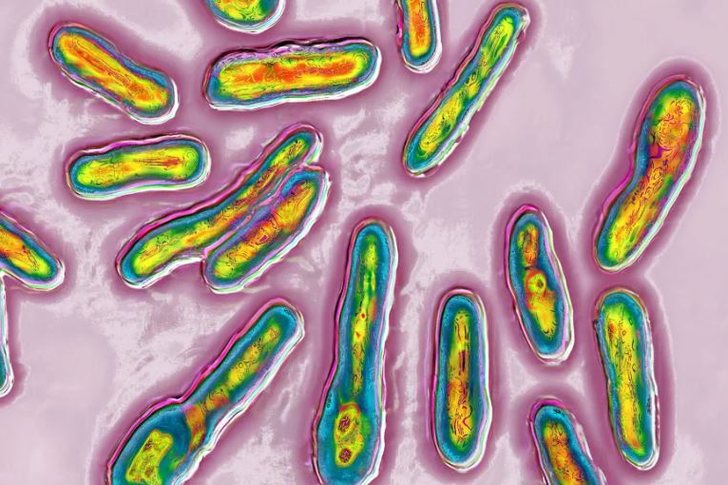
People in at least two states have been hospitalized with ...
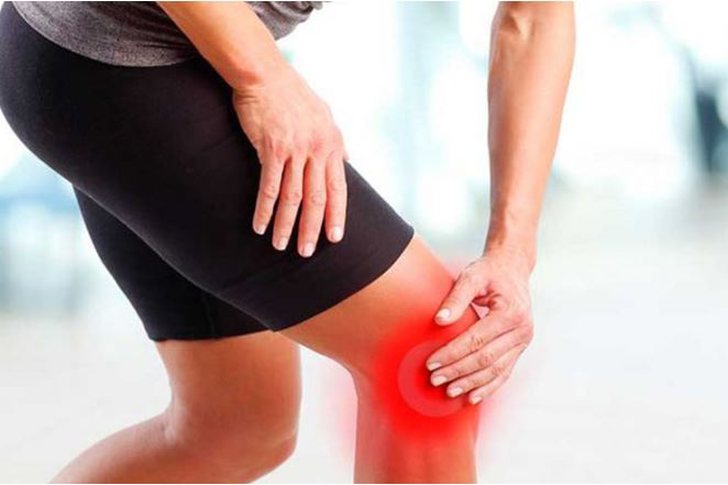
There are many factors that cause knee pain, mainly influe...

A case of success has been achieved at the "Shefqet Ndroqi...

The health of the thyroid glands is always much discussed ...

Researchers searching for clues as to why certain types of...

There are people who, when they drink water quickly, a...
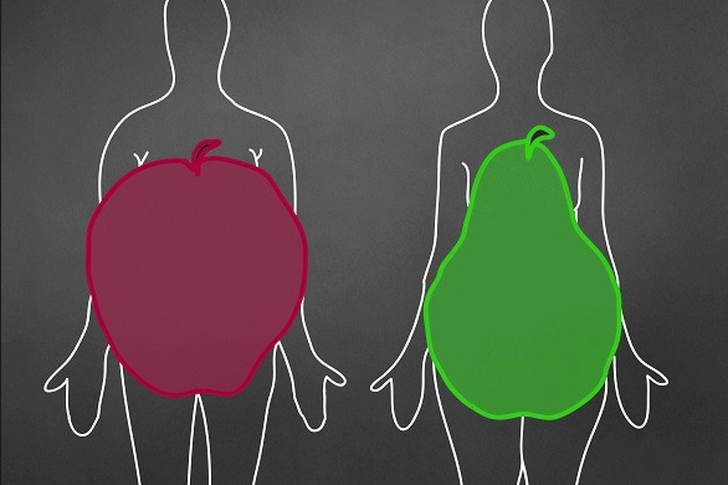
Have you started the first worries?! - Has your blood pre...

Drinking fruit juices or smoothies is a very effective way...
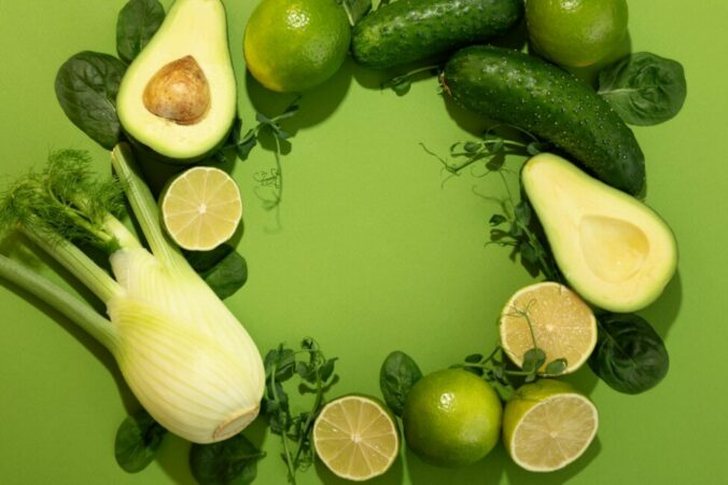
Vitamin C is a useful and necessary nutrient for the body,...

For experts, the origin of high blood pressure or arterial...
Zyrtarët shëndetësorë po paralajmërojnë mjekët që të j...

Gjumi i pashqetësuar gjatë natës është një nga gjërat ...
Pavarësisht dëshirës, energjisë, mundësive dhe motivim...
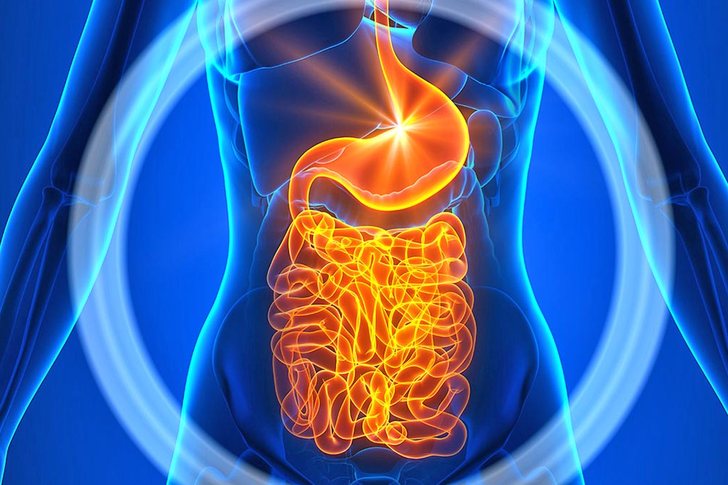
Dinner is a meal that should be eaten at least 3 hours...

AstraZeneca's drug Imfinzi shows promise in treating aggre...

Scientists in the UK say they have found a new cause b...
So far we've learned about the collection of microbes ...

Mëngjesi është vakti më i rëndësishëm i ditës. I njëjt...
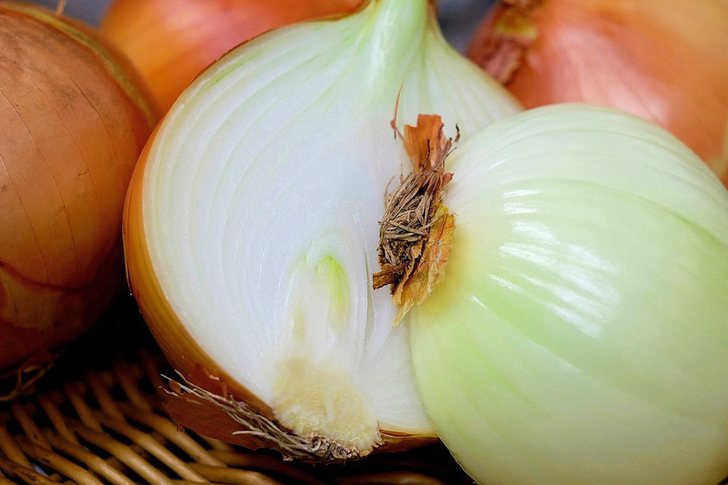
Onion is one of the oldest vegetables in the entire histor...

Irfan Hysenbelliu claims to be a big businessman, an hones...

The murder of officer Enea Mekolli in the line of duty has...

The next case broadcast on the show "Stop", this Thursday,...

The case published this Thursday, June 4, on the show "Sto...

The Special Board of Appeal (KPA) decided this Monday ...

The KPA vetting decided this Thursday to dismiss the p...

Suela Salavaçi, a prosecutor in the Prosecutor's Offic...

The Special Board of Appeal reinstated the prosecutor ...

A road accident has been reported on the Fier-Levan axis, ...

An accident was recorded a few minutes ago on the Pogradec...

Following the cooperation of Interpol Tirana with Interpol...

An accident occurred this Saturday morning at Shkëmbi i Ka...

Albanians are officially the hardest working people in Eur...

This Saturday will be characterized by mostly clear weathe...
Today our country will be affected by stable weather condi...

For many children and teenagers, the long summer holidays ...

The military advisor to Iran's supreme leader, Mohsen Reza...

US Defense Secretary Pete Hegseth declared that Europe is ...

A federal judge in Rhode Island struck down a Trump admini...

Thousands of Kosovo citizens living abroad are voting phys...

Korça is ready to open the summer season with one of the c...

Two years after his passing, the renowned Korçë poet Skënd...

The Ethnographic Museum of Berat has opened its doors to v...
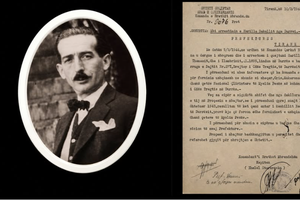
The story of Harilla Bakalli is one of the most chilling t...

The Transparency Board, in today's meeting, decided to red...

This Saturday, one US dollar is bought for 81.4 lek and so...

Despite years of efforts at regional cooperation and free ...

Albania is the country with the highest level of severe ma...