


Why does the stomach hurt if you drink water with sober energy
There are people who, when they drink water quickly, a...



Researchers searching for clues as to why certain types of cancer are on the rise in adults say they have found an interesting lead: a link to accelerated biological aging.
Aging is the main risk factor for many types of cancer, meaning the older you get, the more likely you are to be diagnosed. And increasingly, experts agree that age is more than the number of candles on a birthday cake. It is also the wear and tear on the body, caused by lifestyle, stress and genetics, that is sometimes referred to as a person's biological age.
Biological aging factors
The study looked at 148,724 people aged 37 to 54 who are participants in a large database called Biobank UK.
They included nine blood-based markers that have been shown to correlate with biological age:
Albumin: a protein produced by the liver that decreases with age.
Creatinine: a waste product in the blood produced by the digestion of protein and the breakdown of muscle tissue. Lower levels are associated with better longevity.
Glucose: As we age, blood sugar stays higher for longer after meals.
C-reactive protein: produced by the liver in response to inflammation; relatively higher levels correspond to faster aging.
Percentage of lymphocytes: The concentration of these white blood cells related to immune function tends to decrease with age.
Mean cell volume: a measure of the average size of red blood cells, which increases with age.
Red cell distribution width: the difference between the size of a person's smallest and largest red blood cells, which tends to increase with age.
Alkaline phosphatase : an enzyme produced mainly by the liver and bones that tends to increase with age
White blood cell count : A white blood cell count in the high end of the normal range in the blood may correspond to greater aging.
These nine values ??were then fed into an algorithm called "PhenoAge" that was used to calculate each person's biological age. The researchers determined accelerated aging by comparing people's biological ages to their chronological ages.
They then checked cancer registries to see how many in the group had been diagnosed with early cancers, which the researchers defined as cancers that appear before age 55. There were almost 3,200 such cancers diagnosed.
Researchers found that people born in 1965 or later were 17% more likely to experience accelerated aging than those born between 1950 and 1954./ CNA

There are people who, when they drink water quickly, a...
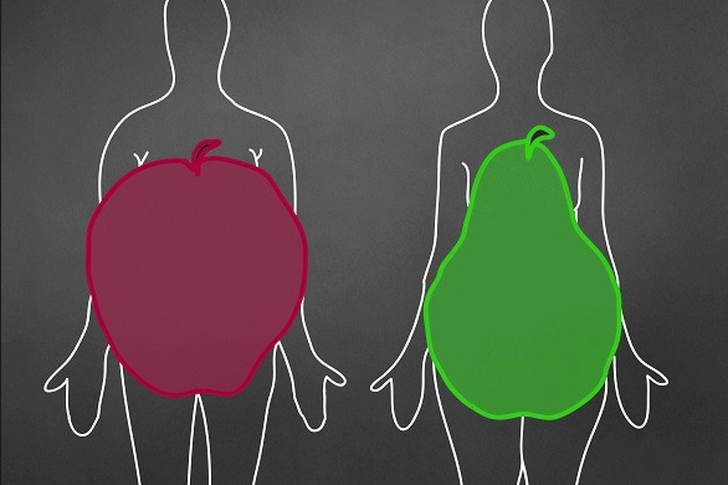
Have you started the first worries?! - Has your blood pre...

Drinking fruit juices or smoothies is a very effective way...

Vitamin C is a useful and necessary nutrient for the body,...
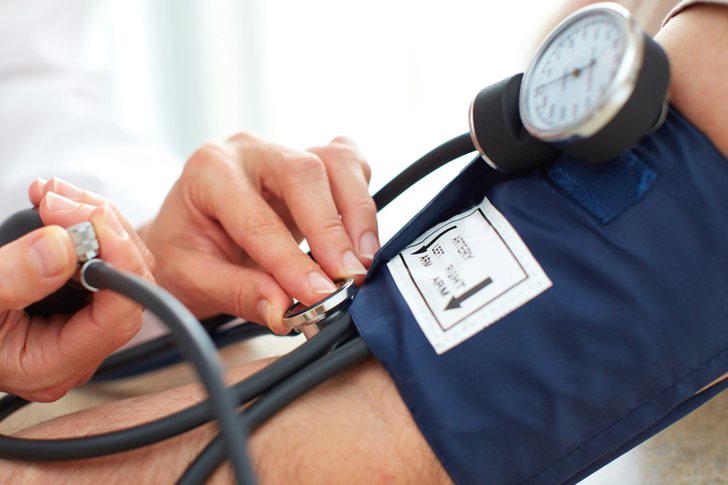
For experts, the origin of high blood pressure or arterial...
Zyrtarët shëndetësorë po paralajmërojnë mjekët që të j...

Gjumi i pashqetësuar gjatë natës është një nga gjërat ...
Pavarësisht dëshirës, energjisë, mundësive dhe motivim...

Dinner is a meal that should be eaten at least 3 hours...

AstraZeneca's drug Imfinzi shows promise in treating aggre...
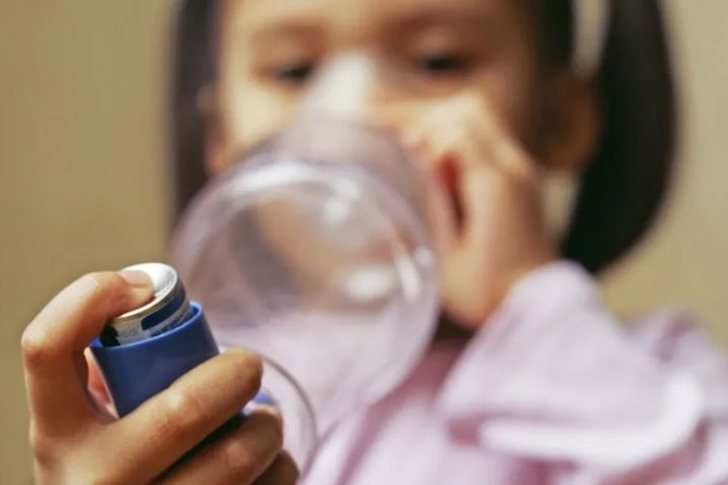
Scientists in the UK say they have found a new cause b...
So far we've learned about the collection of microbes ...

Mëngjesi është vakti më i rëndësishëm i ditës. I njëjt...
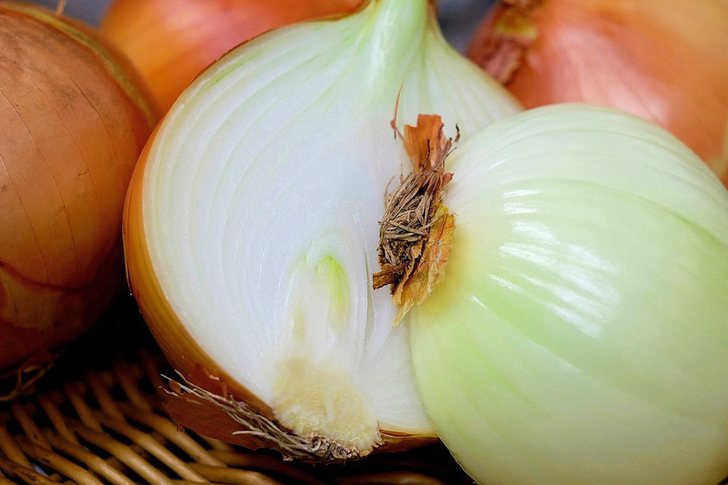
Onion is one of the oldest vegetables in the entire histor...
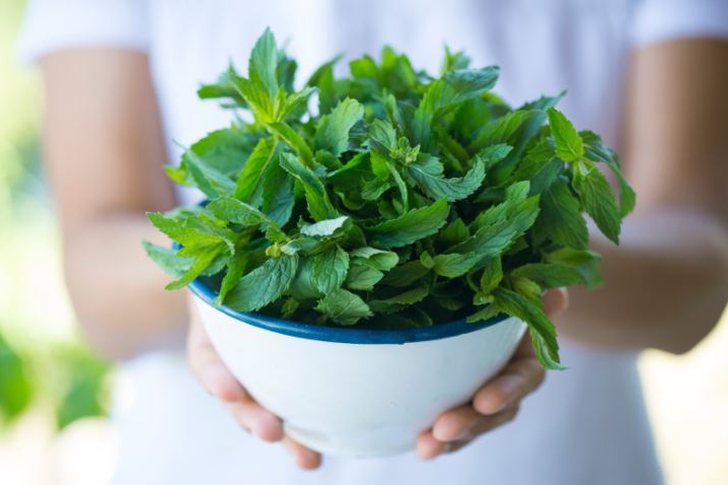
Mentja është një barishte shumë e pasur në ushqyes e v...
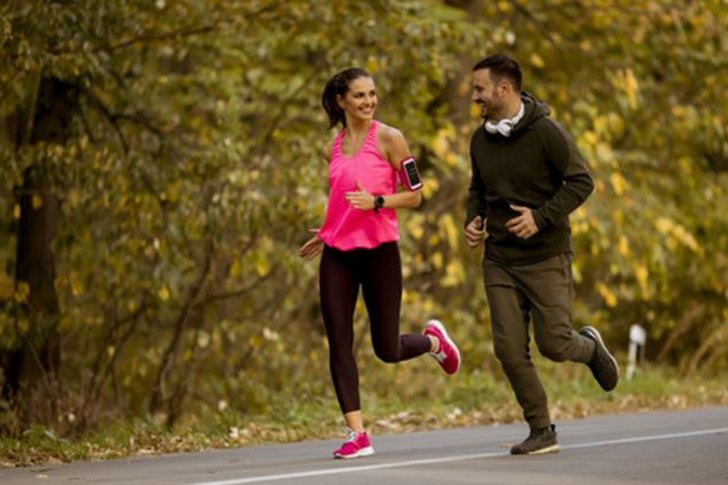
Running is one of the most rewarding physical activities f...

The burden of diseases in the Albanian population is incre...

For many years, the most reliable doctor's advice was even...

Millions of people in the world suffer from the disease os...

Garlic juice is excellent for protecting immunity and ...

Irfan Hysenbelliu claims to be a big businessman, an hones...

The murder of officer Enea Mekolli in the line of duty has...

The next case broadcast on the show "Stop", this Thursday,...
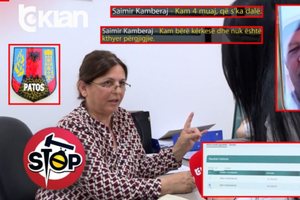
The case published this Thursday, June 4, on the show "Sto...

The Special Board of Appeal (KPA) decided this Monday ...

The KPA vetting decided this Thursday to dismiss the p...

Suela Salavaçi, a prosecutor in the Prosecutor's Offic...

The Special Board of Appeal reinstated the prosecutor ...

A road accident has been reported on the Fier-Levan axis, ...

An accident was recorded a few minutes ago on the Pogradec...
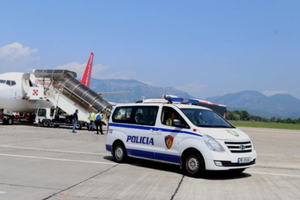
Following the cooperation of Interpol Tirana with Interpol...

An accident occurred this Saturday morning at Shkëmbi i Ka...
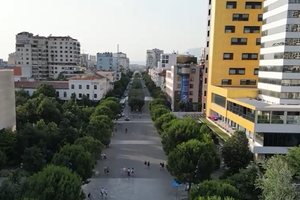
Albanians are officially the hardest working people in Eur...
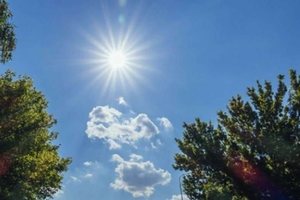
This Saturday will be characterized by mostly clear weathe...
Today our country will be affected by stable weather condi...

For many children and teenagers, the long summer holidays ...

The military advisor to Iran's supreme leader, Mohsen Reza...

US Defense Secretary Pete Hegseth declared that Europe is ...

A federal judge in Rhode Island struck down a Trump admini...
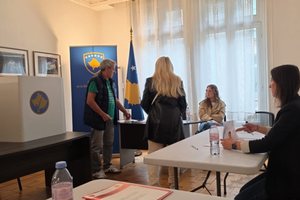
Thousands of Kosovo citizens living abroad are voting phys...

Korça is ready to open the summer season with one of the c...

Two years after his passing, the renowned Korçë poet Skënd...
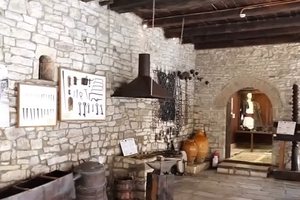
The Ethnographic Museum of Berat has opened its doors to v...
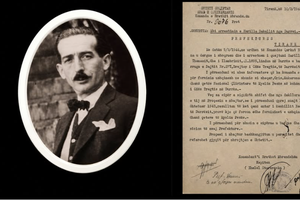
The story of Harilla Bakalli is one of the most chilling t...

The Transparency Board, in today's meeting, decided to red...

This Saturday, one US dollar is bought for 81.4 lek and so...

Despite years of efforts at regional cooperation and free ...

Albania is the country with the highest level of severe ma...