

WHO raises the alarm/ The sweetener in carbonated drinks can be classified as carcinogenic
WHO is taking serious measures regarding the composition o...



Scientists have created embryo models to help them study the mysteries of early human development, the medical problems that occur before birth and the reasons why many pregnancies fail. These models are created from stem cells, rather than eggs and sperm, and cannot grow further to become babies.
The news that scientists can produce the earliest form of human life in laboratory conditions has caused a stir around the world.
This was first announced during a June 14 speech in Boston by Professor Magdalena Zerinka-Goetz at the annual meeting of the International Society for the Study of Stem Cells. At that time, the study had not yet been subjected to scientific opposition.
Ms. Zerinka-Goetz collaborates with the University of Cambridge and the California Institute of Technology. Now her study has been published in the scientific journal "Nature", together with another study by scientists from the Jeill University in the United States. Both studies succeeded in producing 14-day-old embryos from human stem cells. The models represent the stage immediately after the creation of the embryo, when it is difficult to study it. The techniques of the two medical teams vary. The Cambridge team, for example, used pre-engineered stem cells. Also, other scientists in Israel and China have published their studies this month.
Professor Zerinka-Goetz explained during a conference in Los Angeles the biggest challenges her team faces in creating a model that fully mimics the human embryo.
"We would also like to improve our model as although we see on the one hand how wonderful it is, we know that there are some aspects that do not fully mimic a real human embryo. So we are thinking about how to improve it and this is something we are continuing to work on and we cannot talk about the details. But, of course, if we discover an idea or a way to implement it, then we will report it again," she said.
The two Cambridge and California models mimic development up to 14 days after fertilization. The model contains embryonic cells that continue to produce structures around the embryo, such as the placenta. The Yale team's model begins to resemble a human embryo 9-14 days after fertilization.
"These are structures that come from stem cells grown in the lab and put together in ways that encourage the creation of embryo-like formations. So they mimic the organization of embryos and start to behave in a way like embryos. This is where the research work is focused, to understand how it really happens, what needs to be done to support the interaction to create embryos and by doing this to understand more about early development, whether in animals or in humans", says Dr. James Briscoe, scientist at the Francis Crick Research Center in London.
Dr. Briscoe thinks this type of research could explain in the future why pregnancy fails.
Even Jacob Hanna, from the Weizmann Institute of Science in Israel, says that their research also mimics the embryo up to the 14th day after fertilization. He says that this research work is necessary, as there is no other way to understand the behavior of the embryo in the early stages.
"There's a lot of effort going into researching how we can get from stem cells to the organs we need to mimic the human embryo. The big obstacle has been that we do not have access to embryonic development from the seventh day until the 28th day, because it is a very early stage of pregnancy. Usually women don't even know they are pregnant. There are also many ethical and technical problems in obtaining such data", says Professor Hanna.
The other advantage is that since the models are not real embryos, there are no legal restrictions on them. In the future, they can also be used to explore the effects of the environment and chemicals on the early development of embryos./ VOA

WHO is taking serious measures regarding the composition o...
Take care of your health with medical packages at promotio...

Less processed meat Sausages, ham and cured meats are cer...

They are an excellent source of vitamins A single tomato ...

Entela Kolovani, Deputy Minister of Health spoke about hos...

Doctors in the UK have announced that a baby has been born...
The works for the complete rehabilitation of the Emerg...
The head of the National Emergency, Skënder Brataj, has sh...
The Council of Ministers approved the decision that allows...

Now that we are in the summer season, one of our concerns ...
The US Food and Drug Administration has approved Pfizer In...
The World Health Organization is focusing on how to get ba...

Dëshironi të keni një bark të sheshtë, por ende nuk e keni...
Despite the fact that it seems that the period of respirat...

Disruption of the child's sleep has many reasons that ...
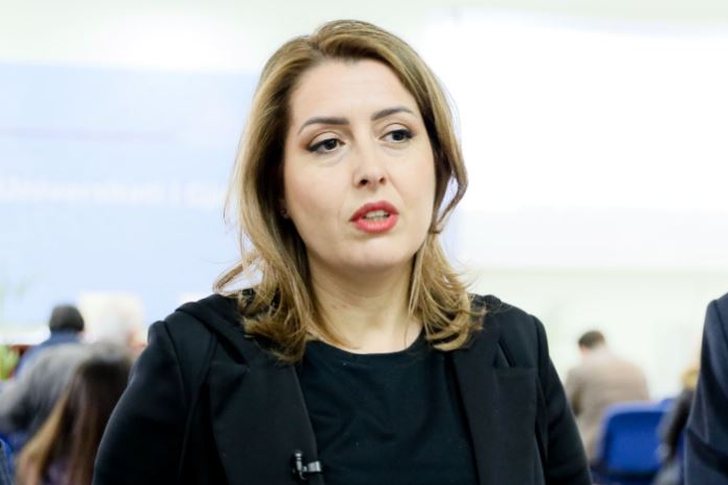
The Minister of Health and Social Protection, Ogerta Manas...
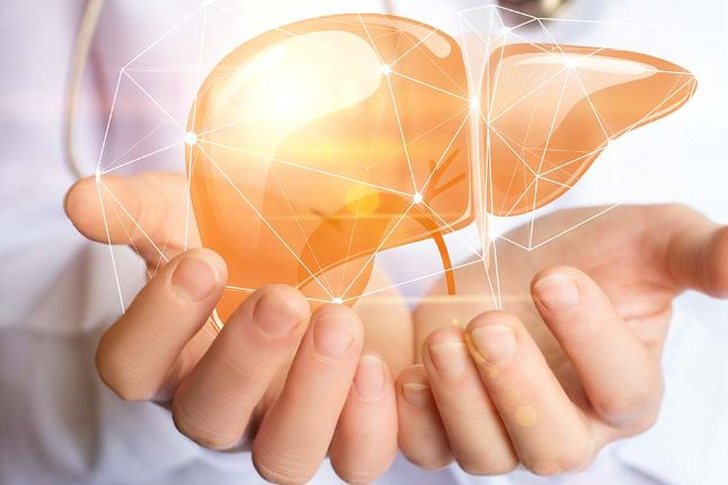
Two compounds found in hops, a key ingredient in beer, can...

The right amount of vitamin D per day can protect us from ...

There is a variety of ice creams on the market such as tho...
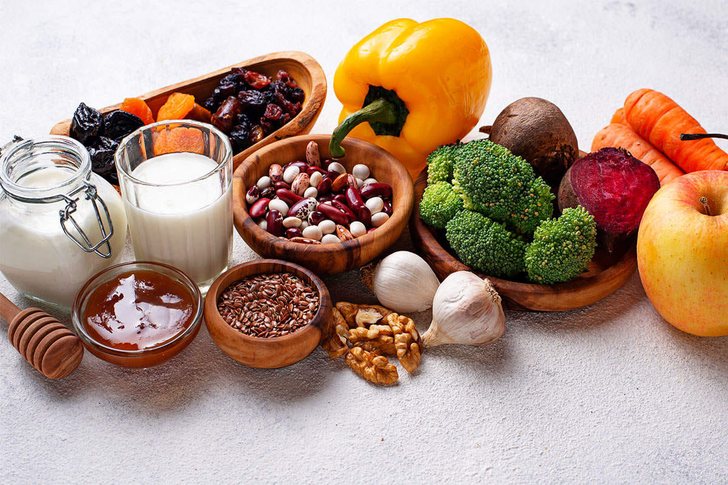
Eat healthy In summer, keep your diet as regular as possi...

There have been 12 days of protests in the capital, which ...

Dritan Prençi is the SPAK prosecutor who is sleeping on th...

The in-depth investigations that SPAK conducted into Ajola...
SPAK's standards, the way it investigates, how it secures ...

The Special Board of Appeal (KPA) decided this Monday ...

The KPA vetting decided this Thursday to dismiss the p...

Suela Salavaçi, a prosecutor in the Prosecutor's Offic...

The Special Board of Appeal reinstated the prosecutor ...

The Police Supervision Agency has announced the security m...

A 21-year-old man has been arrested after, together with a...

Fier Police have conducted an operation where they have cr...

Policia e Vlorës ka finalizuar operacionin e koduar “Sigur...

Today our country will be affected by stable weather condi...

A tragic accident occurred this Friday afternoon in Kameni...

Today our country will be affected by unstable weather con...

On Thursday, our country will be affected by relatively un...

Kryeministri i Pakistanit, Shehbaz Sharif, tha se Shtetet ...

Një gjykatë në Paris ka dënuar gjashtë shtetas gjeorgjianë...

Switzerland will head to the polls this Sunday to decide o...

Good news for those who fly: After years of negotiations, ...

Several archaeological excavations conducted during this s...

At the Museum of Fine Arts in Chambéry, France, an exhibit...

Korça has transformed this weekend into the capital of cel...

Korça is ready to open the summer season with one of the c...

The labor market is facing increasing polarization where w...

This Saturday, one US dollar is bought for 81.5 lek and so...

The Governor of the Bank of Albania, Gent Sejko, shared to...

Business lending has increased in the first half of this y...