

Nearing completion New emergency at Vlora Hospital/ Manastirliu: Capacity is increasing
The works for the complete rehabilitation of the Emerg...



Doctors in the UK have announced that a baby has been born through a newly licensed IVF artificial insemination technique using the DNA of three people.
The child's mother has mitochondrial disease which can cause disorders, or even early death if passed on to the baby.
Almost every cell in our body requires energy to function. This energy is provided by mitochondrial bodies. Mitochondrial disease occurs when dysfunctional mitochondria do not produce enough energy.
The disease can lead to heart or liver disorders. It can cause neurological problems, seizures and muscle wasting and is passed from mother to child.
Now doctors are using a new artificial insemination technique to prevent this incurable disease.
Scientists at a fertility center in Newcastle in northern England removed all the chromosomes from a donor's egg, leaving only the mitochondrial DNA.
Then the mother's chromosomes were inserted into the donor egg along with the father's sperm.
The procedure is licensed by the British government regulator called the Human Fertilization and Embryology Authority.
Dagan Wells is Professor of Reproductive Genetics at the University of Oxford.
He explains that the procedure is possible because each egg contains mitochondrial DNA.
"In every cell of our body, with the exception of red blood cells, we have thousands of tiny mitochondrial bodies. The interesting thing about them is that they contain a very small amount of DNA. Their main job in the cell is to produce energy."
Mr Wells believes this technique could be a solution for a significant number of people.
According to him, 3-4 thousand women in the UK alone are at risk of passing on mitochondrial DNA disorders and about one in 5,000 children are born with this disorder.
He explains that the process transfers less than 1 percent of the mother's mitochondrial DNA.
"This technique removes the donor's genetic material from the egg. So really, it's an empty egg. It contains bodies, mitochondria and other things, but no genetic material from the donor. The patient's genetic material, her chromosomes, is then transferred to that egg. So now the egg has the patient's DNA. We see that less than 1% of total mitochondria are passed along with maternal genetic material. This should not be a cause for concern. The only problem is that it has been observed that occasionally you can have a sudden burst of mitochondria that have been transferred with the genetic material ," says Mr Wells.
According to the researcher, because the technology is new, little is known about the long-term consequences. He says little information has been gathered about studies around the world.
"Studies follow little or nothing of what happens next. So we don't know much about them in most cases, at least where this process is done to avoid a mitochondrial disorder. //In a way, it's good that this procedure is becoming licensed and highly regulated within Britain. "When the results are fully released publicly, they will be very detailed and we will really have a much better understanding of whether this technique is working well, or if there are some shortcomings or some problems," says Wells .
Mr. Wells does not believe that this method, however, will be widely used as a treatment for infertility./ VOA

The works for the complete rehabilitation of the Emerg...
The head of the National Emergency, Skënder Brataj, has sh...
The Council of Ministers approved the decision that allows...

Now that we are in the summer season, one of our concerns ...
The US Food and Drug Administration has approved Pfizer In...
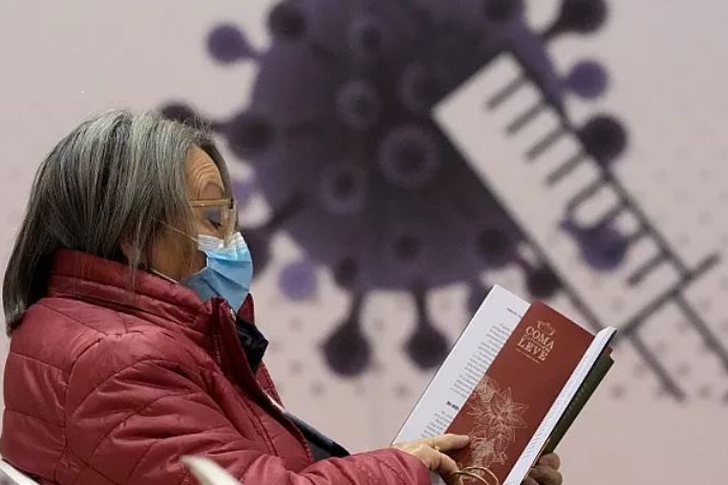
The World Health Organization is focusing on how to get ba...

Dëshironi të keni një bark të sheshtë, por ende nuk e keni...
Despite the fact that it seems that the period of respirat...

Disruption of the child's sleep has many reasons that ...
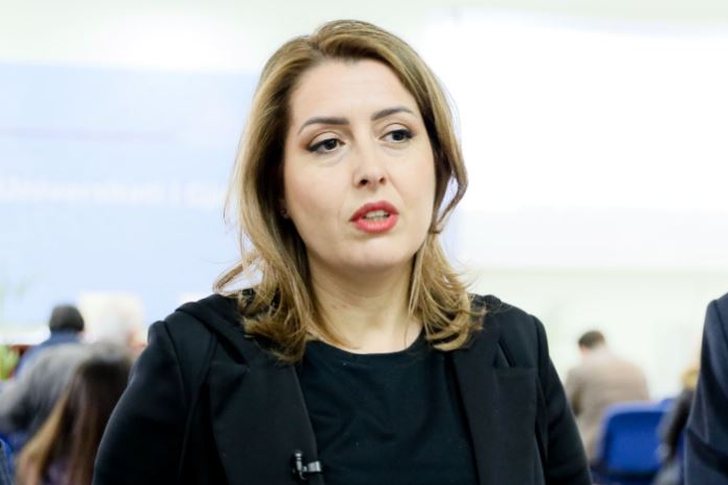
The Minister of Health and Social Protection, Ogerta Manas...
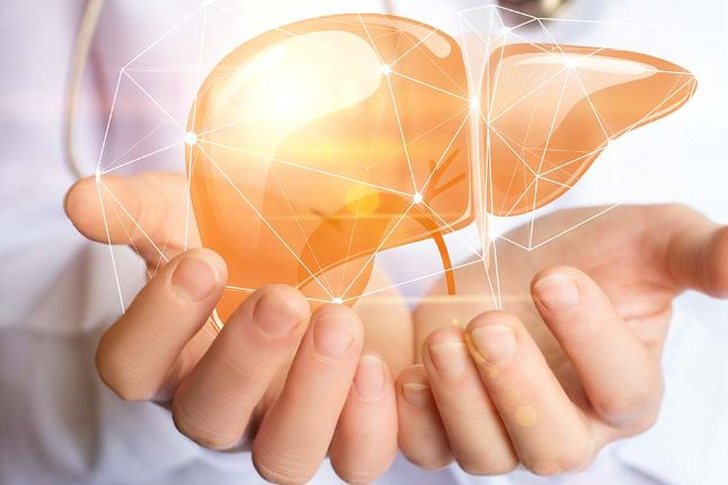
Two compounds found in hops, a key ingredient in beer, can...

The right amount of vitamin D per day can protect us from ...

There is a variety of ice creams on the market such as tho...

Eat healthy In summer, keep your diet as regular as possi...

Several studies have shown that systematic aerobic activit...
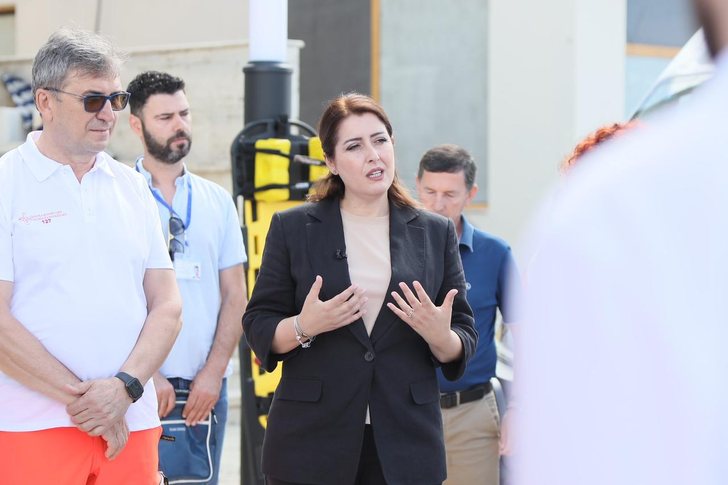
From June 15, 30 summer health centers have been opened in...
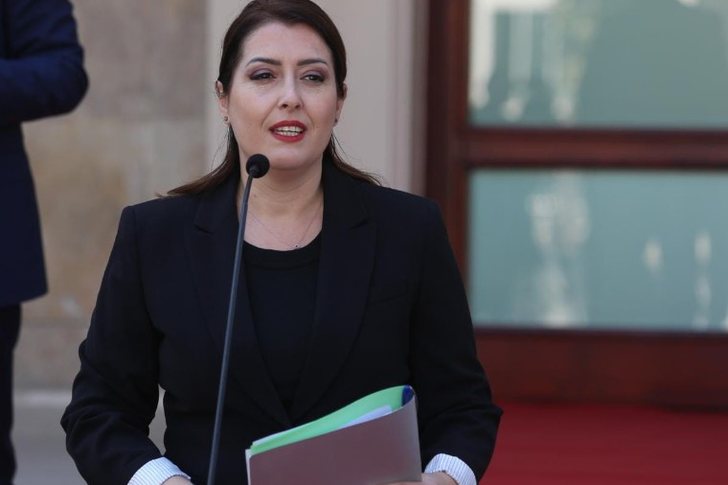
From today, 30 summer health centers in tourist areas will...

The well-known doctor, Petrit Vargu, saved the life of...
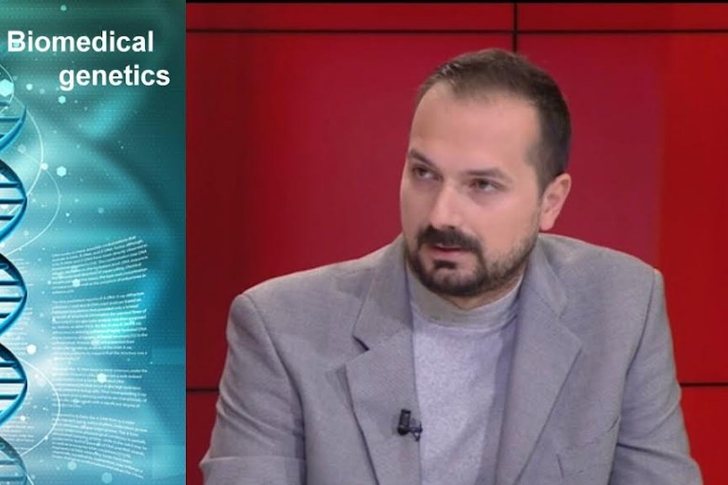
Ermand Mertenika, inxhinieri Biomjekësor, gjatë një in...

Measuring blood pressure is a regular procedure that every...

There have been 12 days of protests in the capital, which ...
Dritan Prençi is the SPAK prosecutor who is sleeping on th...

The in-depth investigations that SPAK conducted into Ajola...

SPAK's standards, the way it investigates, how it secures ...

The Special Board of Appeal (KPA) decided this Monday ...

The KPA vetting decided this Thursday to dismiss the p...

Suela Salavaçi, a prosecutor in the Prosecutor's Offic...

The Special Board of Appeal reinstated the prosecutor ...

The Police Supervision Agency has announced the security m...

A 21-year-old man has been arrested after, together with a...

Fier Police have conducted an operation where they have cr...

Policia e Vlorës ka finalizuar operacionin e koduar “Sigur...

Today our country will be affected by stable weather condi...

A tragic accident occurred this Friday afternoon in Kameni...

Today our country will be affected by unstable weather con...

On Thursday, our country will be affected by relatively un...

Kryeministri i Pakistanit, Shehbaz Sharif, tha se Shtetet ...

Një gjykatë në Paris ka dënuar gjashtë shtetas gjeorgjianë...

Switzerland will head to the polls this Sunday to decide o...

Good news for those who fly: After years of negotiations, ...

Several archaeological excavations conducted during this s...

At the Museum of Fine Arts in Chambéry, France, an exhibit...

Korça has transformed this weekend into the capital of cel...

Korça is ready to open the summer season with one of the c...

The labor market is facing increasing polarization where w...

This Saturday, one US dollar is bought for 81.5 lek and so...
The Governor of the Bank of Albania, Gent Sejko, shared to...

Business lending has increased in the first half of this y...