


Berisha gathers 71 young people elected to the National Council: Vector for the renewal of the country and the DP
The Chairman of the Democratic Party, Sali Berisha, held a...

The Chairman of the Democratic Party, Sali Berisha, held a...

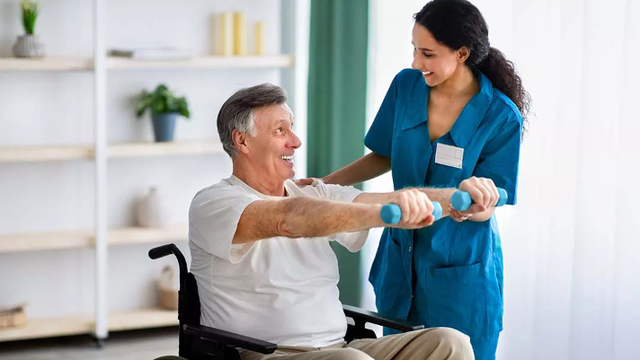
Life after a stroke involves risks and the recovery process is considered necessary. Preliminary studies presented at this year's American Stroke Association International Conference on the Science and Treatment of Cerebrovascular Disease and Brain Health highlighted potential complications, aggravating factors and ways to prevent risks in the first year after a stroke. blow.
Double risk of heart attack
People who had a stroke were twice as likely to have a heart attack within the first year.
"Our findings may help physicians assess and manage cardiovascular risk after such events," commented researchers from Broën University's Warren Alpert School of Medicine, who analyzed health data from more than 800,000 adults aged 63 years on average.
It used to be only speculation, but we now know that carotid or vertebral artery dissection that does not lead to stroke does not increase the risk of stroke; it is reasonable for clinicians to focus on stroke prevention primarily in this subgroup of patients," the researchers said.
Place of residence affects rehabilitation
Stroke survivors living in areas with high unemployment, low income, low education, and poor living conditions are twice as likely to have a poor recovery one year after cardiovascular stroke compared to those living in better conditions.
"Although people from different socioeconomic backgrounds who have had a stroke typically show similar functioning after hospitalization, outcomes can vary dramatically a year later," commented Leah Kleinberg, BA, of the Falcone Laboratory in the Department of of Neurology at the Yale School of Medicine.
Researchers analyzed data from 2,164 people who had suffered an ischemic stroke and found that poor recovery and inability to care for themselves was 44% more likely to occur in areas of moderate material and social deprivation and 107% more likely more likely in more deprived areas.
More physical activity
Living in neighborhoods with more centers and places for recreation and physical activity is associated with increased physical activity during the first year after a stroke, a study of 333 people by a team at Ohio State University found. Findings showed that the right environment can increase physical activity by up to 57%.
Triple the risk of dementia
A study of 180,940 stroke survivors in Canada found a nearly threefold risk of dementia in the first year after stroke. At five years, the risk for the neurological disorder was 1.5 times greater than in people without a history of stroke.
After accounting for dementia risk factors such as hypertension, type 1 or 2 diabetes, and high cholesterol, the odds of having a neurological disorder at any time increased by 80% and by 150% if they had suffered an intracerebral bleed.
"Our findings highlight the importance of monitoring stroke survivors for cognitive impairment, selecting appropriate therapies to treat vascular risk factors and prevent recurrent strokes, and encouraging patients to make lifestyle changes such as ceasing of smoking and increased physical activity, which have multiple benefits and can reduce the risk of dementia," commented Raed Joundi./ CNA

Albanians suffer the most from hypertension, otherwise...
Headaches are multi-dimensional and incredibly complicated...
Even if you do not consume alcohol, your liver can be ...
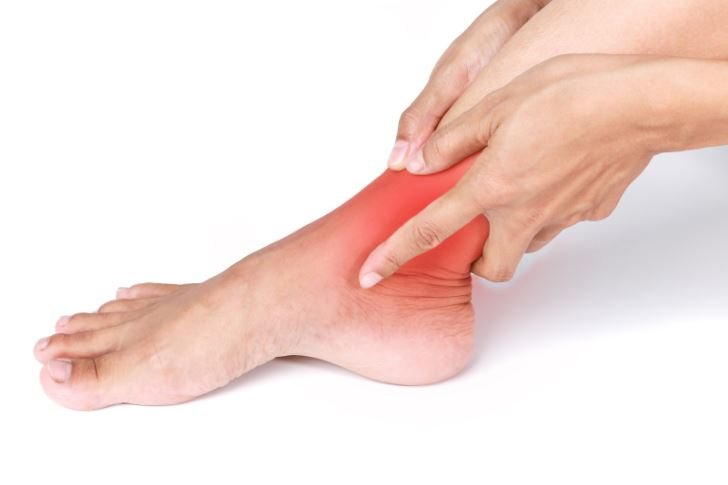
The accumulation of uric acid and the formation of fin...
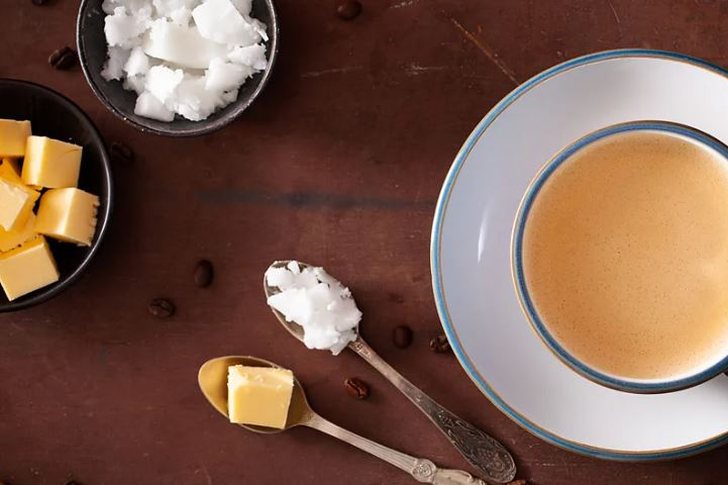
Triglycerides are a type of fat found in the blood. Th...
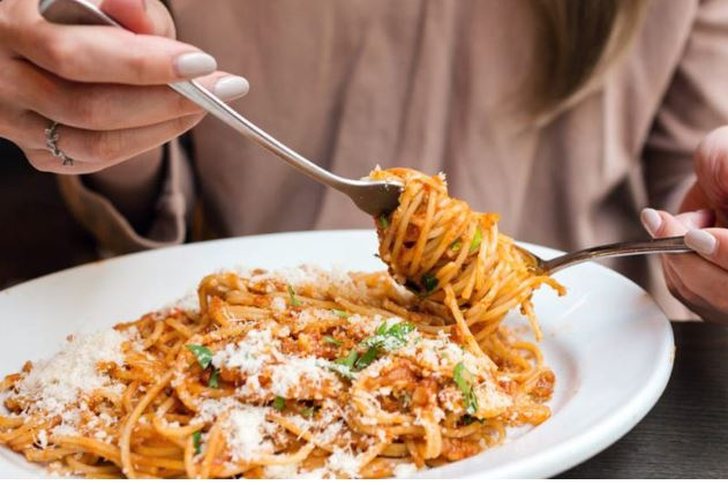
Eating fast is wrong and increases the risk of heart d...
Ekspozimi i tepërt dhe i pambrojtur ndaj diellit është...
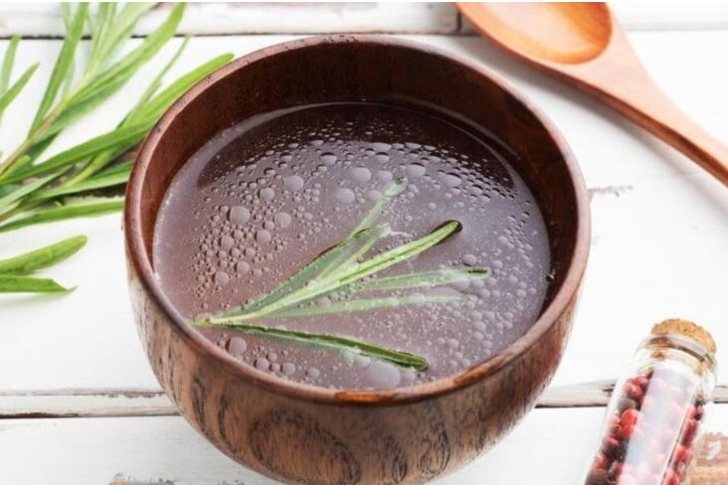
Undoubtedly one of the most favorite and aromatic spic...
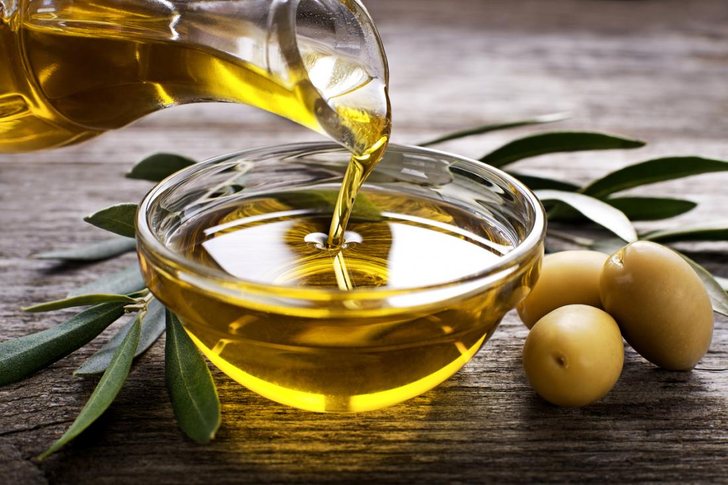
New studies, referred to by AgroWeb.org, explain that ...
A diet with sufficient amounts of vitamin D can change...
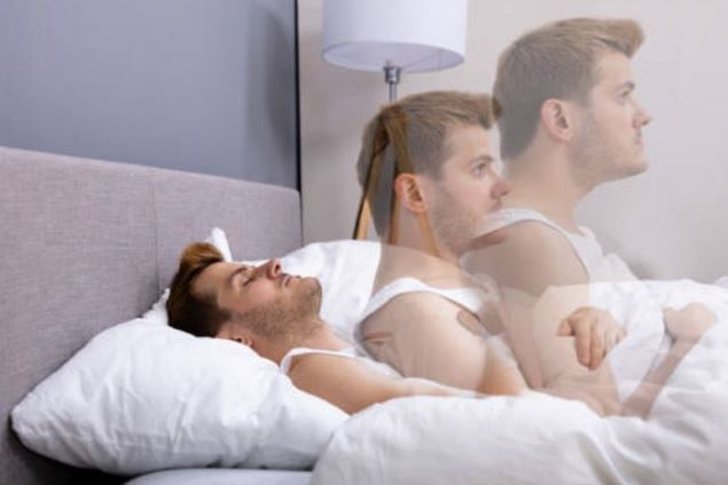
Do you wake up suddenly and are fully conscious and aw...
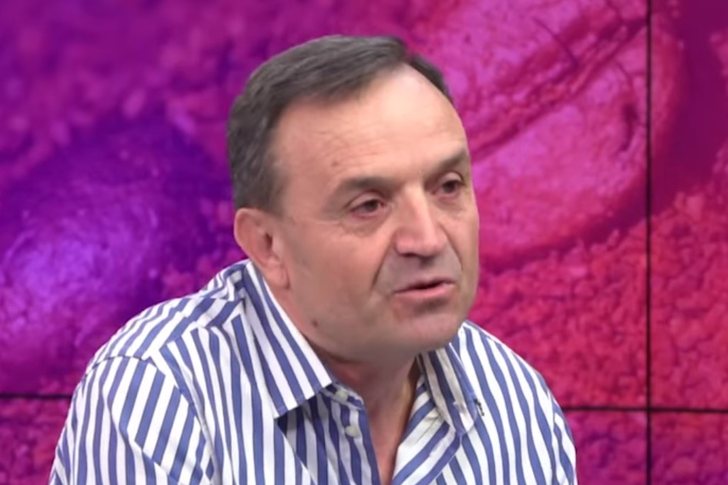
Cardiologist Novruz Caushaj says that the effects of e...
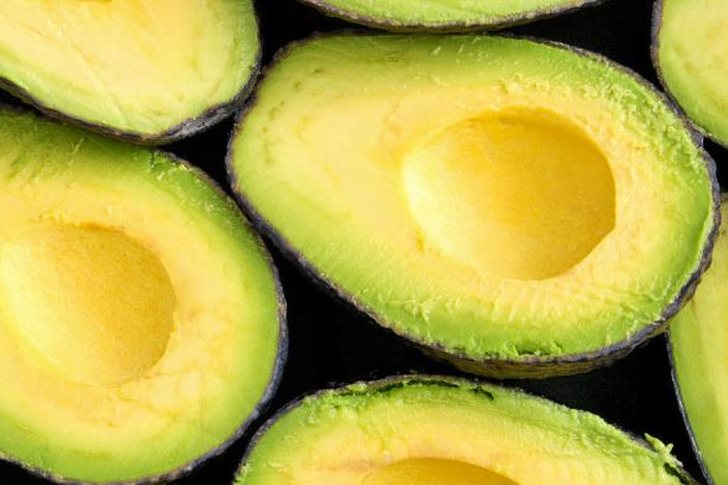
Avocados are an excellent source of vitamins and nutri...
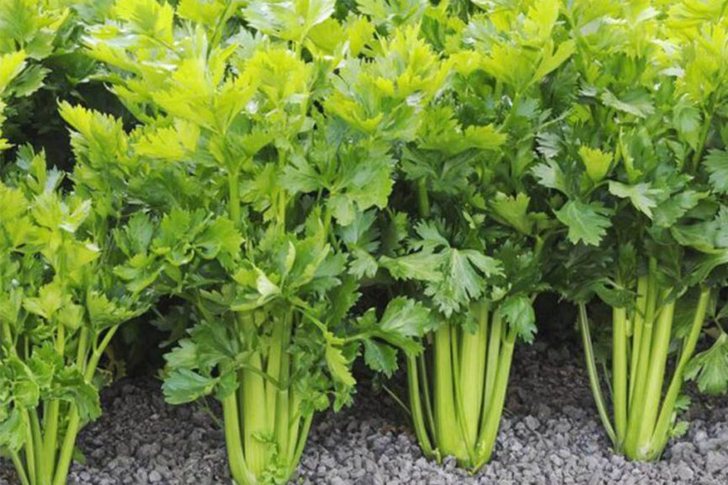
People are suffering more and more from high acidity in th...
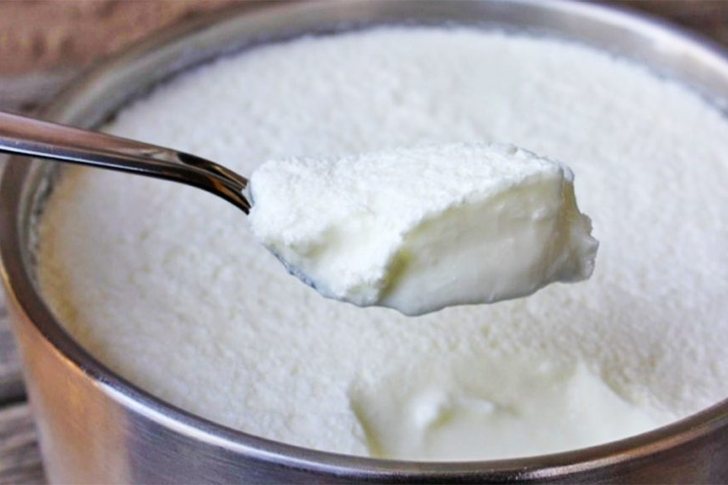
The benefits of yogurt consumption are extraordinary. In a...
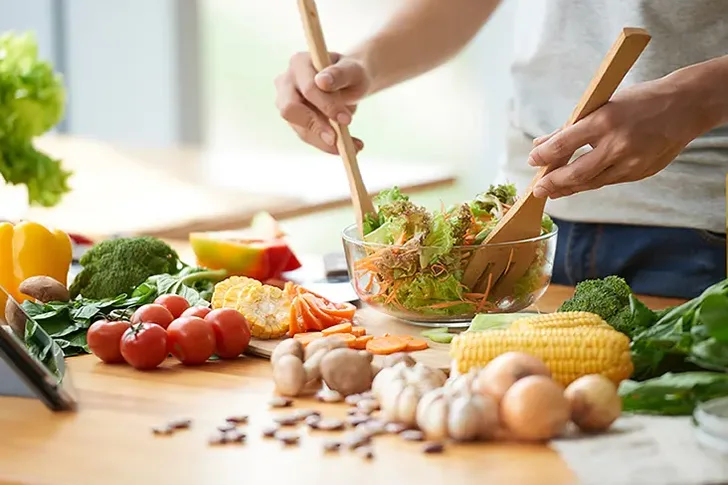
Our immune system is complex and composed of the ideal bal...
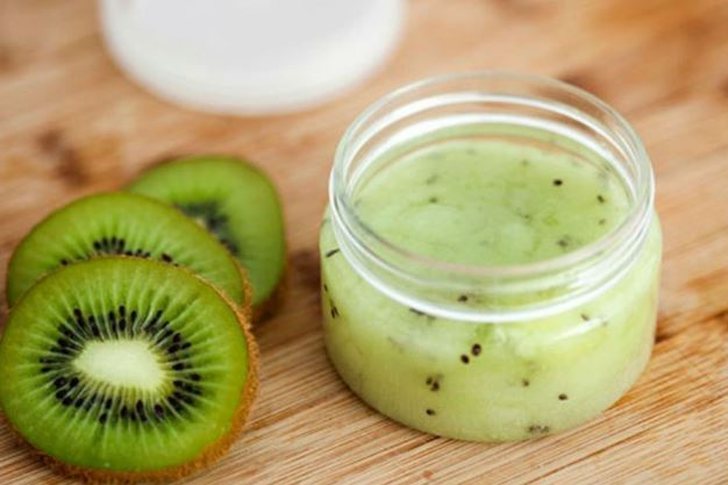
Fruits, vegetables and natural ingredients are the bod...
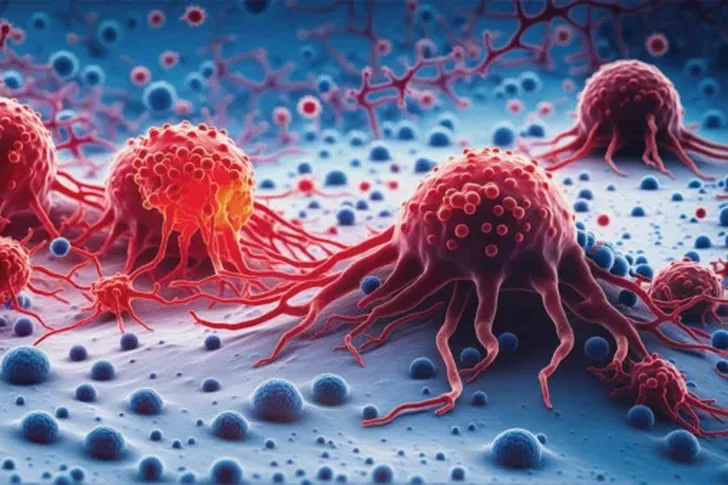
Experts warn of a worrying rise in tumor cases in people u...
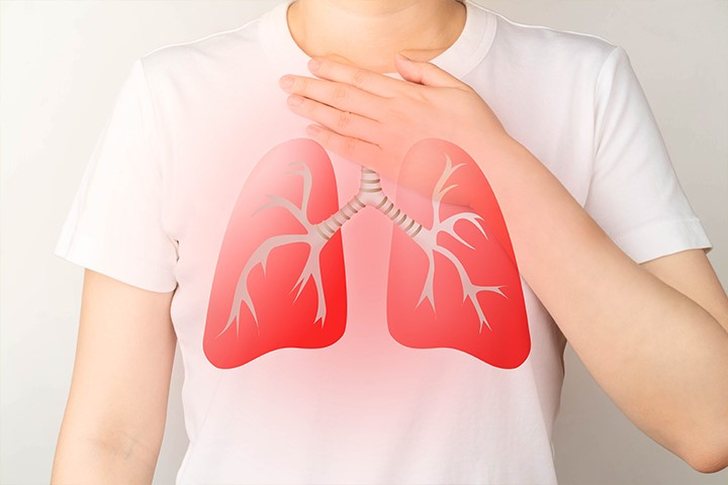
The country's population is decreasing, but the burden...
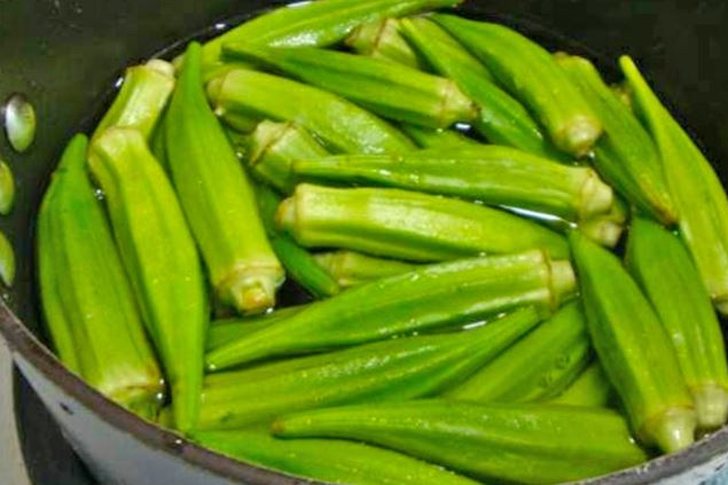
Në mjekësinë popullore, lëngu i bamjes dhe vetë kjo perime...
Irfan Hysenbelliu claims to be a big businessman, an hones...
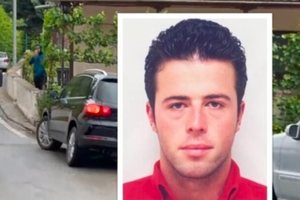
The murder of officer Enea Mekolli in the line of duty has...
The next case broadcast on the show "Stop", this Thursday,...
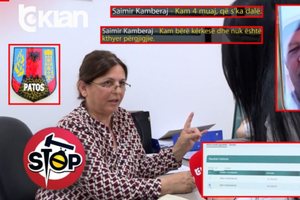
The case published this Thursday, June 4, on the show "Sto...

The Special Board of Appeal (KPA) decided this Monday ...

The KPA vetting decided this Thursday to dismiss the p...

Suela Salavaçi, a prosecutor in the Prosecutor's Offic...

The Special Board of Appeal reinstated the prosecutor ...

An accident was recorded a few minutes ago on the Pogradec...
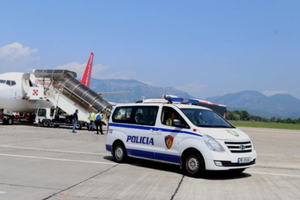
Following the cooperation of Interpol Tirana with Interpol...

An accident occurred this Saturday morning at Shkëmbi i Ka...
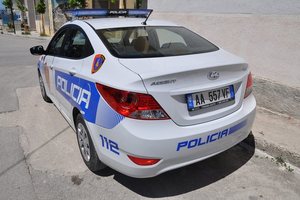
A TNT explosion occurred in Lezha in the early hours of th...
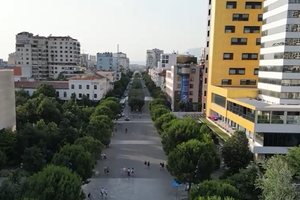
Albanians are officially the hardest working people in Eur...

This Saturday will be characterized by mostly clear weathe...
Today our country will be affected by stable weather condi...
For many children and teenagers, the long summer holidays ...
A federal judge in Rhode Island struck down a Trump admini...
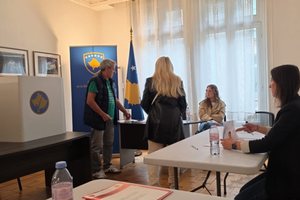
Thousands of Kosovo citizens living abroad are voting phys...

Pope Leo XIV arrived in Madrid this Saturday, where he beg...
Millions of Europeans still apply for jobs without knowing...

Korça is ready to open the summer season with one of the c...
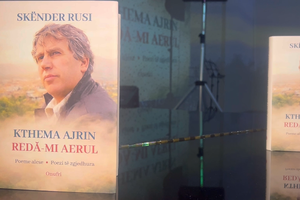
Two years after his passing, the renowned Korçë poet Skënd...
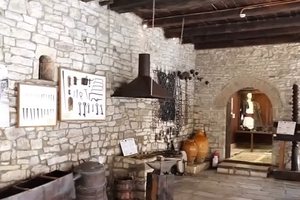
The Ethnographic Museum of Berat has opened its doors to v...
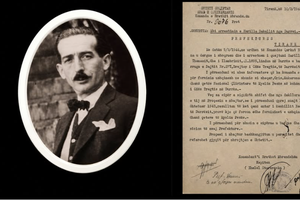
The story of Harilla Bakalli is one of the most chilling t...
The Transparency Board, in today's meeting, decided to red...
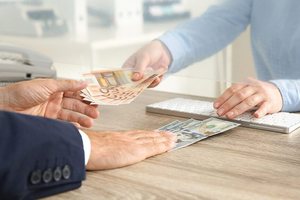
This Saturday, one US dollar is bought for 81.4 lek and so...
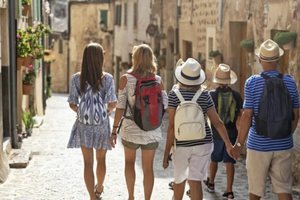
Despite years of efforts at regional cooperation and free ...
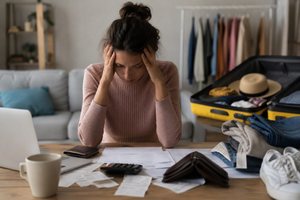
Albania is the country with the highest level of severe ma...