


Left with his finger in his mouth/ Spiropali doesn't get anything wrong, here's the movement against Rama
After being dismissed from every important position and be...

After being dismissed from every important position and be...

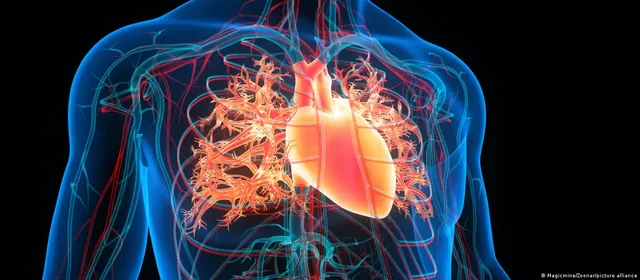
Cardiovascular diseases continue to be the most common cause of death worldwide. Globally, about 17.3 million people die from them every year. It is estimated that this number could reach 23.6 million by 2030.
Although the number of cardiovascular diseases is increasing, at the same time mortality from heart attacks, ie the relative number of deaths, has decreased significantly thanks to preventive measures and improved acute medical care. And this positive development is likely to increase further in the future thanks to artificial intelligence.
Because the power of AI lies in the ability to recognize potential risks at the right time. From the totality of test values ??AI can filter out some patterns or irregularities that even the most trained specialist staff would not be able to find so quickly.
In the future, AI technology could for example save the lives of thousands of patients with chest pain, in whom the risk of a heart attack is not identified through computed tomography scanning. Because very small narrowings in the coronary arteries are often not seen. In case of inflammation they can rupture and block the arteries leading to a heart attack. Until recently it was possible to identify these high-risk patients in advance.
These AI instruments developed by researchers from Oxford can detect such abnormalities even in patients without significant narrowing of the coronary arteries and predict the risk, if a patient with chest pain will suffer a heart attack in the next ten years. This comes from a study funded by the British Heart Foundation, which was presented at the Scientific Sessions of the American Heart Association in Philadelphia.
In the UK alone around 350,000 people undergo a CT scan of the heart each year. Such an examination is considered a standard test for the detection of narrowing or blockages of the coronary arteries.
The team, led by Professor Charalambos Antoniades Radcliffe Department of Medicine at the University of Oxford, analyzed for this study the data of more than 40,000 people who had undergone CT examinations of the heart at eight British hospitals.
In about three quarters of the cases there were no clear signs of significant narrowing of the coronary arteries. The patients were discharged and received no further treatment. However, the analysis of the data showed that not only patients with significant narrowing of the coronary arteries are at risk. The data show that twice as many patients without significant narrowing had a heart attack and died of cardiac arrest.
They were not considered high-risk patients because the smallest clues were not highlighted. What man cannot discern, AI makes visible. The IA program developed by Oxford researchers examines changes in fat around inflamed arteries and thus calculates actual risk. Because such changes indicate a significant increase in the risk of a heart attack.
With this pilot project, the first in the world, the team of doctors evaluated the risk for 744 patients through AI. With the help of this project, doctors changed the treatment plan in 45 percent of cases. According to the study, the introduction of this technology led to over 20 percent fewer heart attacks and 8 percent fewer deaths and strokes among those who underwent the test.
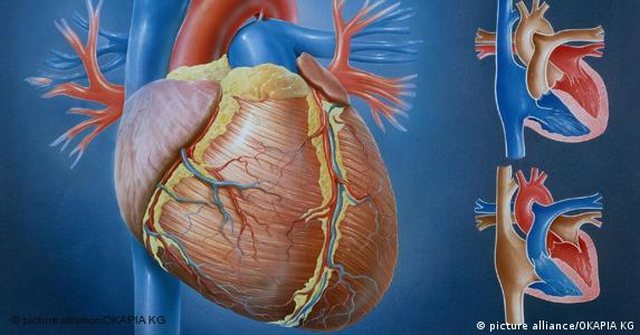
"Many people die every year unnecessarily from a heart attack. It is very important that we use the potential of artificial intelligence to guide patient treatment," says study leader Charalambos Antoniades.
This is just one example of how artificial intelligence can help, so that treatments often start much earlier. This can save lives, save a lot of time and a lot of money. In mid-2023, for example, British cardiologists developed with artificial intelligence a "Decision-Support System" that can speed up the diagnosis of a heart attack in the emergency room.
This method determines the level of troponin in the blood much faster than the previous methods. The protein troponin is released by the breakdown of heart muscle cells and plays a central role in the diagnosis of heart attack. Until now, patients were often sent to the hospital or had to stay there for a long time under observation, until the troponin level was determined, even though they had not suffered a heart attack. AI can save a lot of time, as well as a lot of unnecessary costs.
Identifying potential risks by AI is not only faster, but sometimes even safer than by humans. Also in mid-2023, American researchers introduced an artificial intelligence that looks for suspicious patterns in the ECG curve and detects dangerous blockages of the coronary arteries much more accurately than even experienced cardiologists.
If the risk is recognized earlier thanks to AI, the risks are also reduced. Long before a dangerous blockage occurs, relatively harmless so-called stents can be placed in the patient in a routine procedure. A stent is like a small metal or plastic tube, which is placed in the narrowed area by a catheter, keeps the vessel permanently open, preventing the narrowing. The risk of a heart attack is neutralized./ DW

In my medical practice, I have noticed that parents are ve...
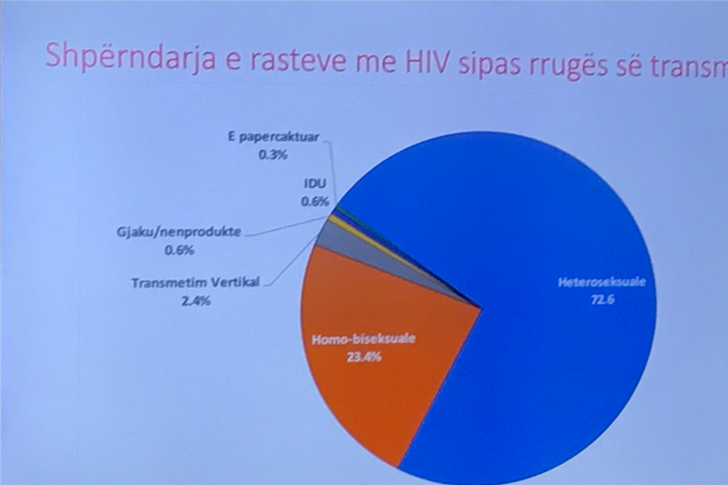
In Albania, the HIV/AIDS disease affected another 113 peop...
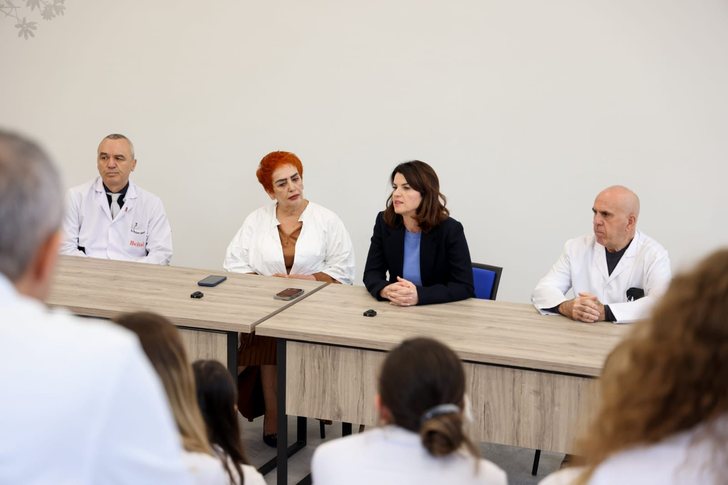
On the World Day of the fight against HIV/AIDS, the Mi...

Back pain is a common problem among adults. About six ...

Prej disa muajsh medikamenti Ozempic ka qenë një ndër ...
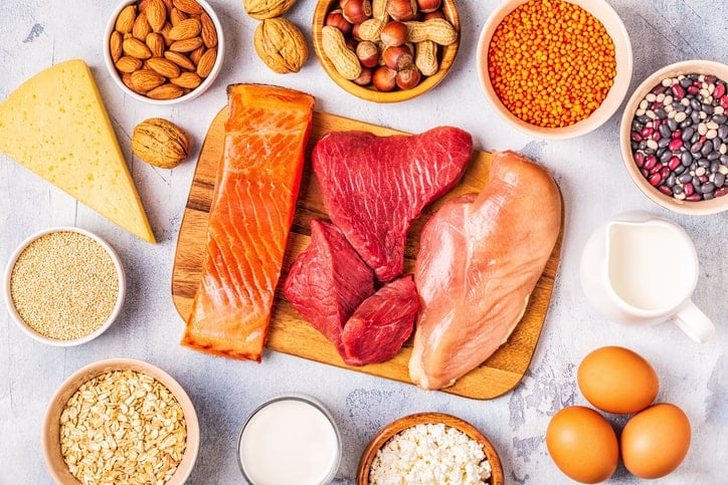
A lack of B12 can cause anemia and symptoms such as fa...

People born in the 1990s have worse mental health than...
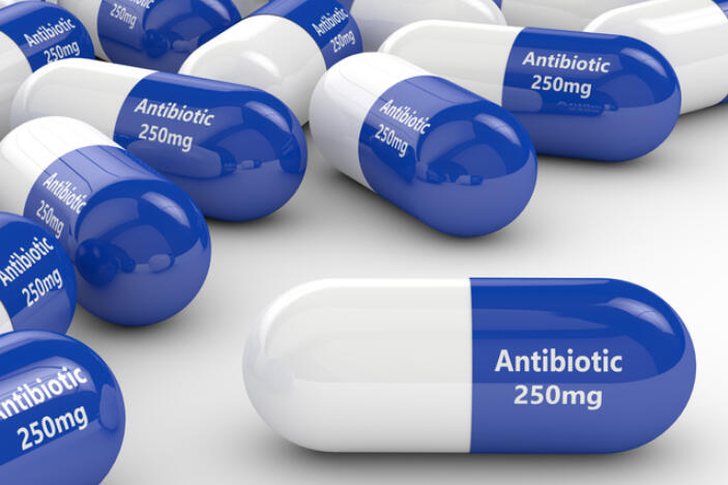
A third of people in 14 countries of the Western Balka...
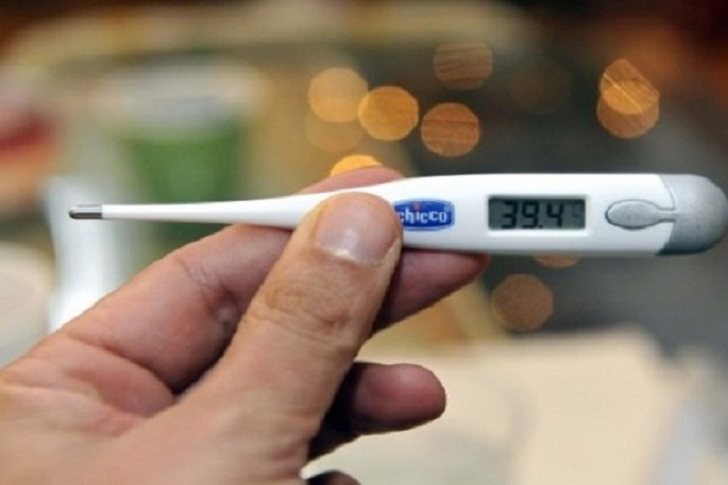
Fever is an increase in body temperature above normal. Bod...

If you have a case of sore throat, it may mean that it...
While we are in the season of viruses and sleep is kno...
The most frequent complaints I hear are related to symptom...

I communicate from time to time with friends and patients ...

It seems that autumn is passing, while winter is on the ho...
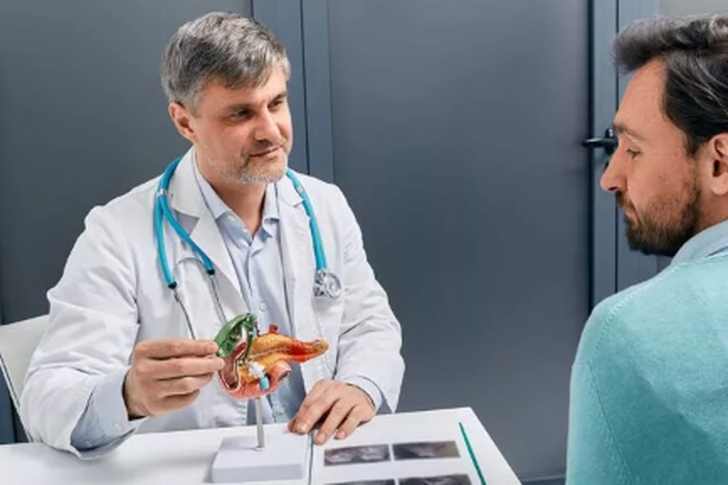
Pancreatic cancer is the fourth leading cause of death in ...

People who feel dizzy when they stand up from a sittin...
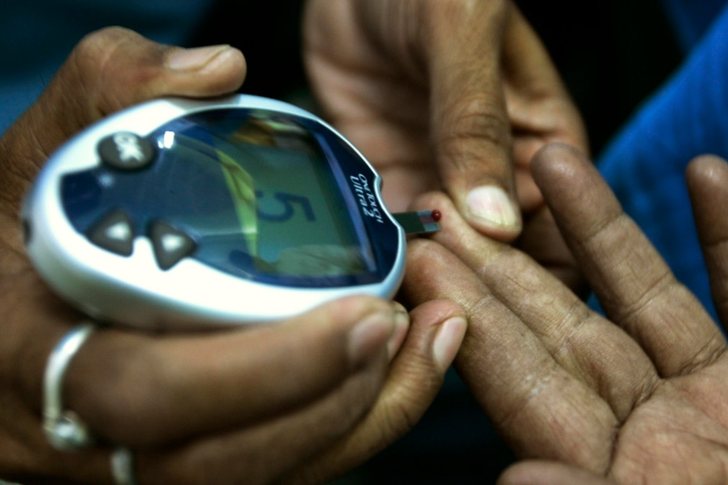
November 14 marked World Diabetes Day, and doctors warn th...

Middle ear infections, sepsis, meningitis – if these d...
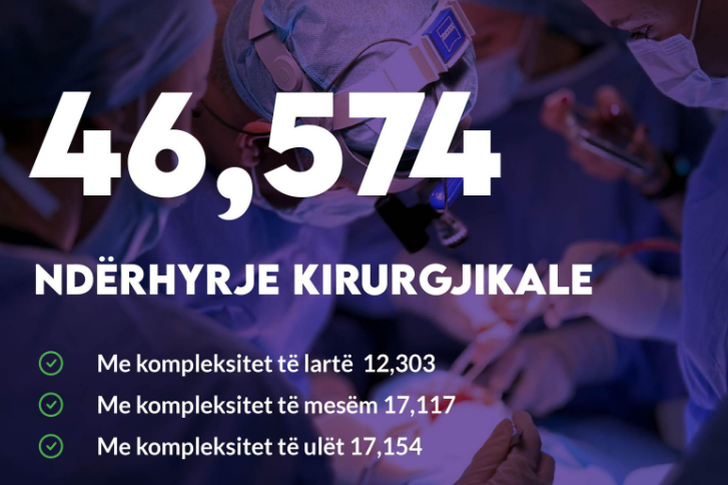
The Minister of Health and Social Protection, Albana Koçiu...

Joint health is threatened by osteoarthritis, and scientis...

Qytetarët që kalojnë pasditen pranë Liqenit Artificial në ...
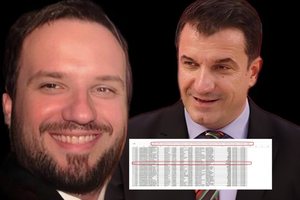
On the morning of July 7, 2026, the Ministry of Culture ur...
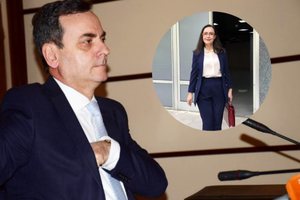
After the disclosure of the portfolio of properties an...

For 6 months now, CNA has been sending several letters to ...

The Special Board of Appeal (KPA) decided this Monday ...

The KPA vetting decided this Thursday to dismiss the p...

Suela Salavaçi, a prosecutor in the Prosecutor's Offic...

The Special Board of Appeal reinstated the prosecutor ...

A scandalous and criminal case has been registered in Durr...

A 21-year-old man has been arrested by Shkodra Police afte...

An accident occurred this evening in the village of Vranis...

An operation carried out by the National Police and the P...

Today, our country will remain under the influence of stab...
Today, our country will remain under the influence of stab...

The latest report compiled by the European Transport Safet...

The Albanian woman is on average 2 years older than the Al...

In the Chamber of Deputies (Camera dei Deputati) in Rome, ...
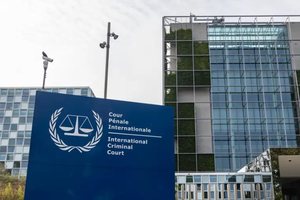
US Secretary of State Marco Rubio has significantly escala...

The United States has launched a new wave of attacks on Ir...

The leader of the Democratic League of Kosovo, Lumir Abdix...

Master of humor Todi Llupi has passed away at the age of 7...

The ninth edition of "MIK Festival" kicked off with one of...

A historic evening for Albanian culture was marked in the ...

When I turned 10, another building was built in front of o...

Around 97,100 people are employed in regulated professions...

Albania continues to be the main destination for vacatione...
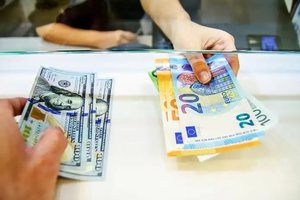
This Thursday, one US dollar is bought for 81.1 lek an...

Beekeeping has expanded significantly in recent years, bec...