

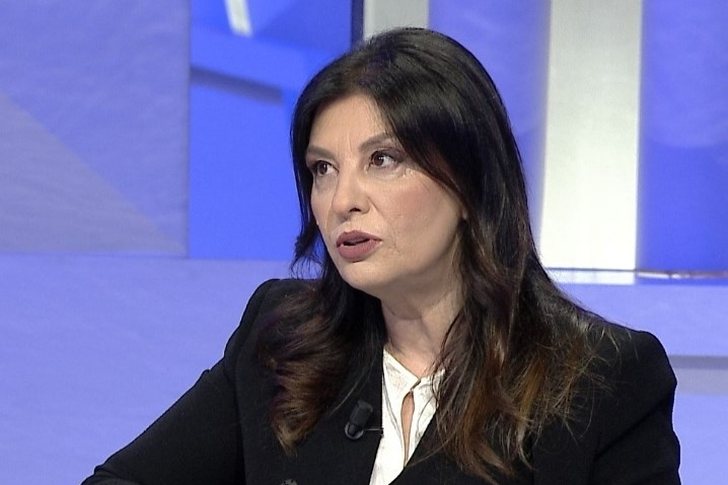
"I sat in front of the screen..."/ Topalli tells how the vote was stolen
The DP's political leader for the Diaspora, Jozefina T...


In the next Assembly of Albania, the highest representation will be held by voters of the Socialist and Democratic Parties, while many small parties, despite the votes they received, will not be able to win seats in the Assembly due to the electoral formula that was applied this time, the "proportional regional system".
Approximate data from the Central Election Commission (CEC) show that a Socialist Party mandate in government represents around 9.3 thousand voters, while an opposition coalition MP represents over 10 thousand voters.
On the other hand, Mr. Basha's Euro-Atlantic Coalition Party, although it received around 20 thousand votes, will not be represented in the Assembly. If these votes were on the side of the Socialist Party, they would translate into 4 mandates.
The most penalized are the voters of the "Initiative Albania Becomes" which has over 56 thousand votes and only secures one mandate in the Assembly. If these votes were for the Socialist Party, they would translate into 6 mandates.
The low representation of new alternatives in the next Assembly of Albania is due to the electoral formula of the regional proportional system, based on the "D'Hondt" methodology that favors the major forces.
"Our system has become locally proportional, to penalize new arrivals. In a national proportional system, new parties would succeed and be decisive for political majorities."
In regional proportional representation, the Socialist Party received 83 mandates, in national proportional representation it would have 72-74 MPs, parties with 3% would have to have 3-4 MPs, given that our electoral threshold is only 1% from 2021, previously it was 3%", analyzed Afrim Krasniqi, Executive Director of the Albanian Institute for Political Studies.
Neritan Sejamini, an economist and analyst, claims that the fact is that we have a regional electoral system, where elections are independent of each other. "In fact, we have 12 elections and not one election."
Given that the regions have completely unequal populations—from Kukës with around 62 thousand inhabitants to Tirana with around 760 thousand inhabitants, over 12 times larger than Kukës—and consequently different numbers of mandates, from 3 in Kukës to 37 in Tirana—the system manifests three main features, explains Sejamini:
Favorizon partitë e mëdha në kurriz të partive të vogla. Partitë e vogla apo të reja nuk kanë asnjë mundësi të sigurojnë mandate jashtë Tiranës—do të duhej të fitonin të paktën rreth 7-8 për qind në Fier dhe mbi 10 për qind në çdo qark tjetër. Pra, ato konkurrojnë realisht vetëm në Tiranë.
Favorizon përqendrimin lokal në dëm të shtrirjes kombëtare. Për shembull, një parti e vogël që merr rreth 12-13 mijë vota të gjitha në Tiranë (dhe asnjë votë në qarqet e tjera) siguron një deputet; ndërsa, në një rast ekstrem, një parti e vogël që merr 11 mijë vota në çdo qark, pra rreth 132 mijë në të gjithë Shqipërinë nuk siguron dot asnjë mandat.
Krijon një shpërqendrim të madh mes votës kombëtare në zgjedhje dhe vendeve në Kuvend. Nëse gjykojmë vetëm nga rezultatet brenda vendit, PS mori rreth 52% të votës popullore por mori mbi 59% për qind të vendeve në Kuvend, ose 83 nga 72 mandate që do merrte në një sistem proporcional kombëtar dhe jo rajonal.
“Sistemet zgjedhore asnjëherë nuk janë përfaqësim automatik i përqindjes së votës popullore në vende në Kuvend.
Sikurse çdo sistem zgjedhor (kryesisht përmes vendosjes së pragjeve elektorale që variojnë nga 2-3% në 10-12% në disa raste të rralla) ndëshkojnë partitë shumë të vogla me qëllim për të shmangur fragmentizimin gati automatik të parlamenteve. Megjithatë, sistemi ynë mund të konsiderohet një sistem që ka nivel të lartë shtrembërimi të vullnetit të qytetarëve dhe të fatit të partive të vogla.
Ky shtrembërim bëhet më pak i kuptueshëm kur rajonalizimi ka humbur çdo sens praktik pasi shumica e deputetëve të qarqeve nuk kanë asnjë lidhje domethënëse me këto qarqe. Përkundrazi ke deputetë që qarkullojnë nga qarku në qark në zgjedhje të ndryshme. Në këto kushte një sistem proporcional kombëtar me një prag të ulët do të ishte sistem më i mirë se ky që kemi tani”, thotë Z.Sejamini.
Zoti Krasniqi shpjegon se në sistemet proporcionale legjitimiteti i forcës politike ka më shumë rëndësi sesa vota individuale. Demokracitë më të vjetra në botë janë mazhoritare.
Formula zgjedhore e Shqipërisë bazuar në sistemin proporcional aplikohet nga vende të BE si Spanja, Portugalia dhe Belgjika. Ky sistem në vende të vogla si Shqipëria i bën me stabël qeverinë në krahasim me vendet fqinjë që aplikojnë formula të tjera që favorizojnë shpërndarjen e votave në më shumë alternativa.
Mirëpo nga ana tjetër kjo metodë djeg votat e alternativave të reja duke mos i përfaqësuar në parlament. Sipas këtij sistemi një votë në Kukës në kuptimin e mandatit vlen më shumë se një votë në Tiranë. Formula ndihmon polarizimin politik dhe ndihmon në ruajtjen e duopolit PS- PD.
Zoti Krasniqi thotë se Shqipëria prej vitit 2008 vendi aplikon sistem proporcional. “Kjo ka bërë që aktualisht kemi deputet me mbi 21 mije vota apo edhe me 360 vota. Sistemi është çështje kompromisi, ndaj vota nuk e bën më të rëndësishëm dhe as më të dobët deputetin, por nënkupton se partia është institucion, ka sistem merite dhe llogaridhënie.
He further analyzes that in our country not only is this prerequisite not respected, but the parties do not act as accountable and meritocratic institutions. The concern is also related to ethics and integrity: on the basis of which sovereignty and legitimacy does a deputy who is not voted for and does not represent act, and what value does a vote have in decision-making.
The electoral formula made votes more effective in large cities. For example, in Tirana the effective threshold to win a mandate was 2%, while in Kukës it rose to 19% according to the formula. In this way, the votes of small parties were valid only in large districts, while small ones remained without representation.
The new formula that was applied this year has also penalized the opposition, which has lost about 9 mandates, while the Socialist Party has gained about 9 mandates. Changes to the Electoral Code last year redistributed the number of mandates in the region, where Tirana received 1 more, while Korça lost 1 mandate.
The formula increased the loss of votes below the 1% threshold, which with the formula mainly translates into additional seats for the largest party./ Monitor.al

The DP's political leader for the Diaspora, Jozefina T...
Numërohen 114542 zarfe nga 114542 në total. Sipas KQZ rez...
DP MP Edmond Spaho has announced that these were the last ...
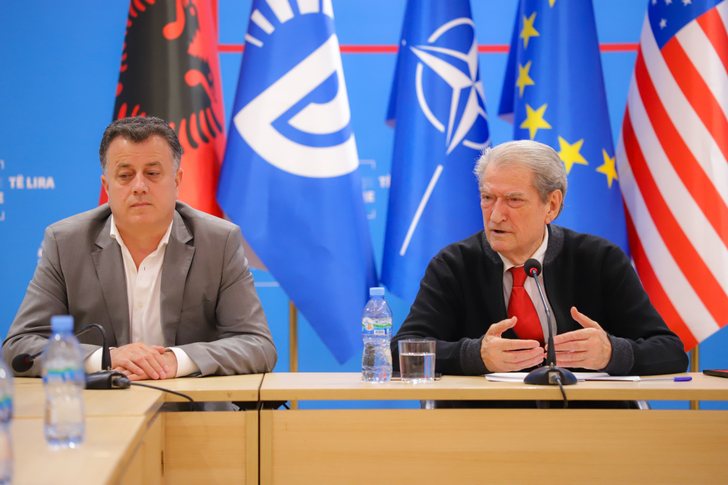
DP leader Sali Berisha, in a meeting with regional leaders...
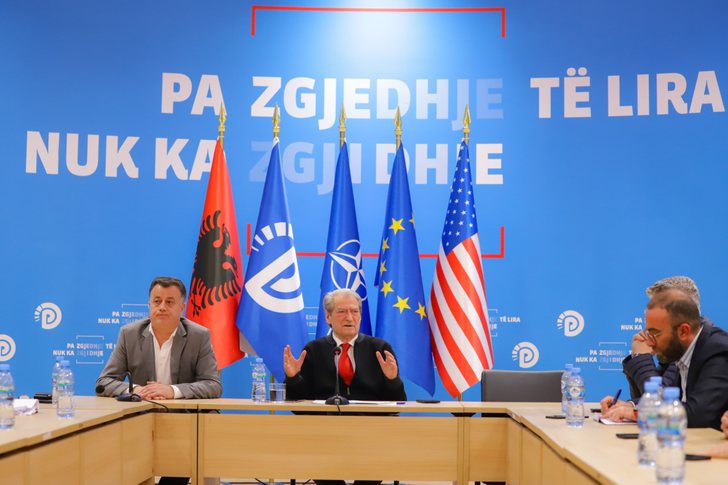
DP leader Sali Berisha has gathered regional leaders and a...
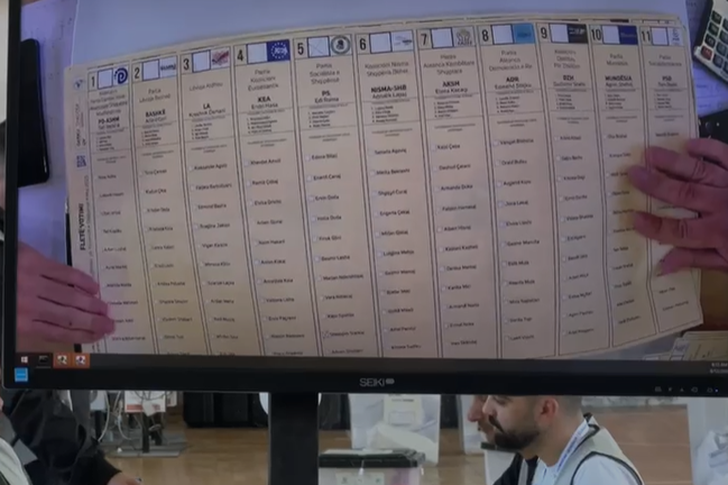
The counting of the last ballot box for the preferential v...

Tomor Alizoti, the political leader of the Elbasan distric...
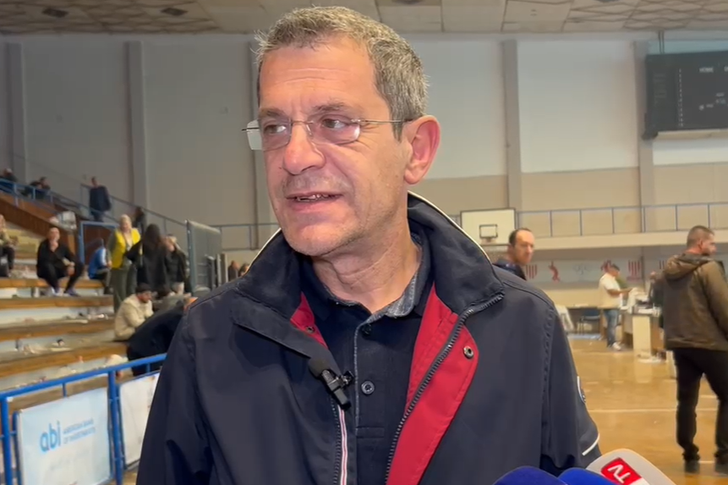
Ilirian Pendavinji, the most voted SP candidate in the Kor...
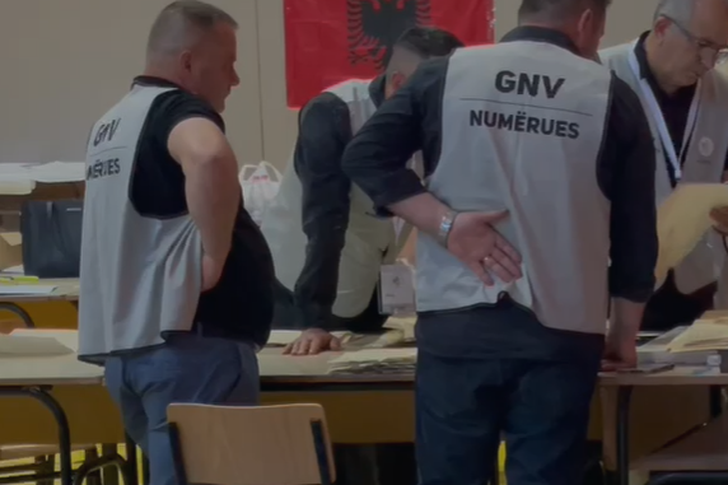
There is only one box left uncounted as it belongs to the ...

After calling them swamps around the swamp throughout his ...

Prime Minister Edi Rama has delivered his first speech aft...
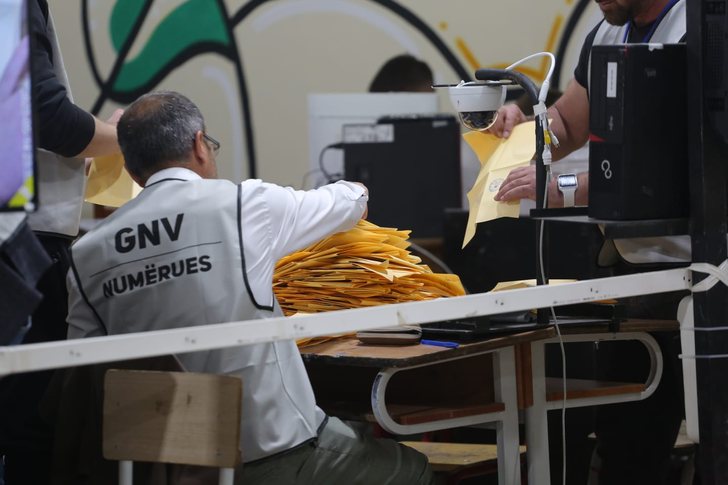
130,452 envelopes out of 194,889 in total were counted reg...
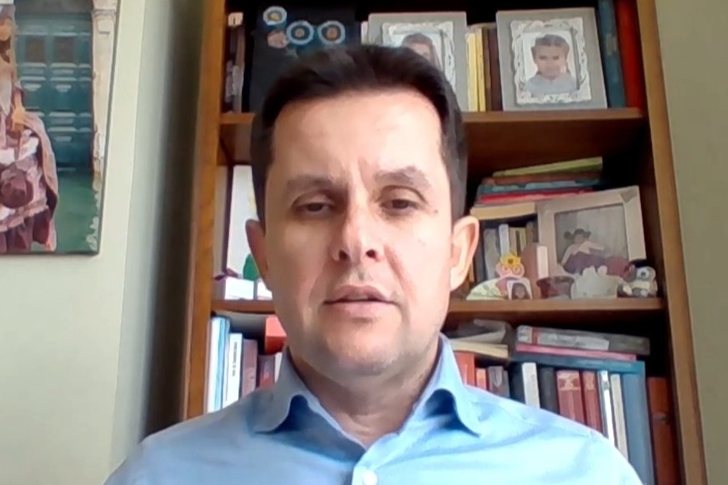
The Democratic Party's candidate for Tirana on the open li...

Prime Minister Edi Rama is expected to deliver a welcoming...
The Democratic Party takes the KAS decision on the Greek vot...
The revenues collected in the budget by the General Direct...
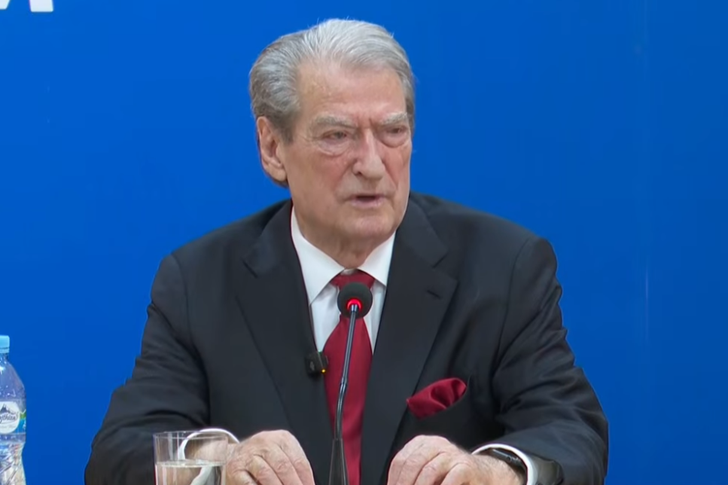
DP leader Sali Berisha has called an urgent meeting of reg...
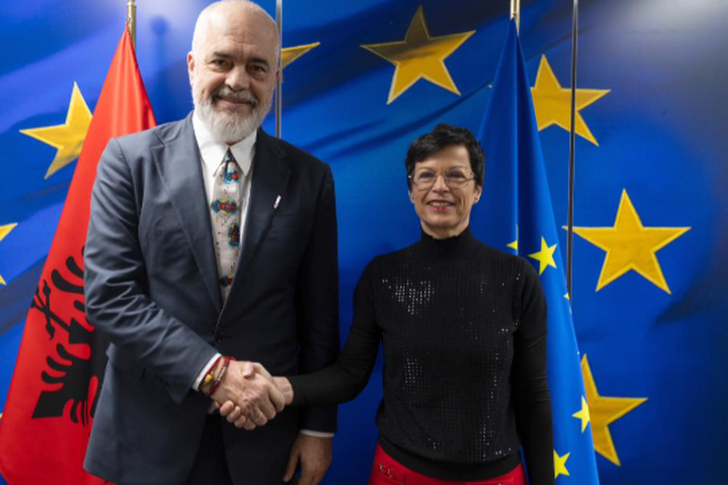
EU Commissioner for Enlargement, Marta Kos, today congratu...
The Central Election Commission has published the latest d...
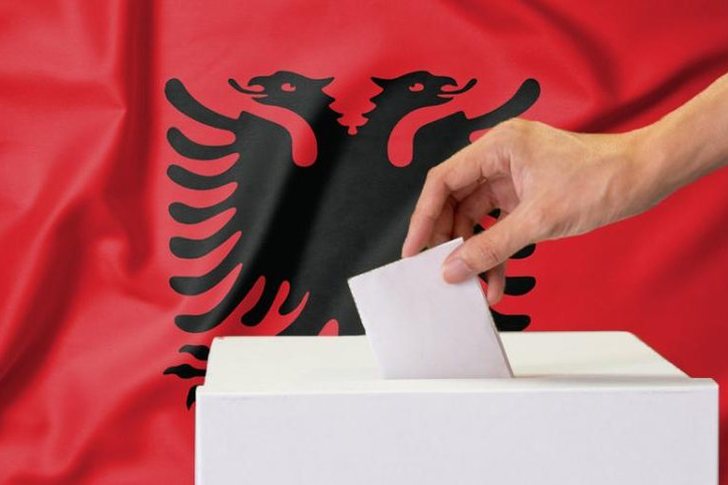
The vote counting for the candidates who ran in the parlia...

CNA has launched another investigation that could lead to ...

Irfan Hysenbelliu is a businessman that we call "Irfan the...

In March 2026, CNA launched another investigation centered...
The arrested mayor of Tirana, Erion Veliaj, with 13 charge...

The Special Board of Appeal (KPA) decided this Monday ...

The KPA vetting decided this Thursday to dismiss the p...

Suela Salavaçi, a prosecutor in the Prosecutor's Offic...

The Special Board of Appeal reinstated the prosecutor ...
A road accident occurred this evening on Nikolla Zoraqi St...

Three people were shot and wounded in Elbasan last night b...

A serious incident occurred this Tuesday in the Yrshek are...

An accident occurred this Tuesday on "Dituria" street in K...
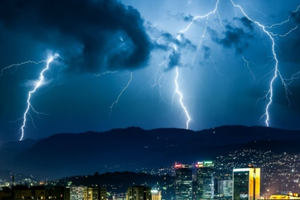
All of Southern Europe will face changing weather conditio...

Albania was hit by temperatures significantly higher than ...

For the first time, Pogradec welcomed the Inter-Lake Chess...
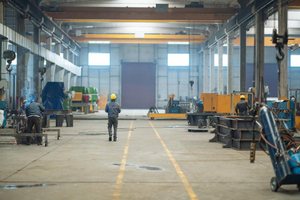
Albania has achieved a record for the employment of foreig...

US Secretary of State Marco Rubio arrived in Manila on Jul...

In the space of a few days, Ukrainian President Volodymyr ...

The spokesman for the Iranian Foreign Ministry warned Bulg...

Autoritetet italiane sekuestruan pako me afër 800 kilogram...

At a time when industrial products are increasingly taking...

Trust among people is not just a three-syllable word. It c...

Master of humor Todi Llupi has passed away at the age of 7...

The ninth edition of "MIK Festival" kicked off with one of...

Construction company licenses will have a validity period ...
The Centralized Purchasing Operator recently opened a tend...
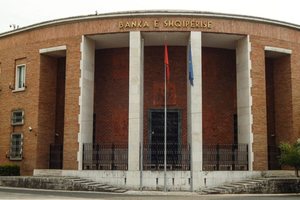
The new draft law "On the Bank of Albania" provides that t...

This Tuesday, one US dollar is bought for 81.2 lek and sol...