


Tensions at the door of the Parliament/ Shehaj clashes with Guard employees
Tensions and debates have also been recorded at the door o...

Tensions and debates have also been recorded at the door o...

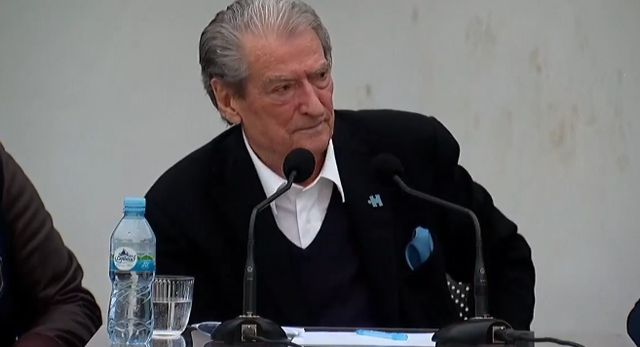
The leader of the Democratic Party, Sali Berisha, held a conversation this afternoon with residents of the administrative unit of unit 15 in Tirana. Berisha focused on the differences in services offered to residents in the countryside, compared to those in the city.
In his speech, Berisha said that in Edi Rama's 12 years, the Albanian village is the one that experienced and experienced the most serious consequences of this regime.
Berisha recalled that in the eight years of his government, 2005-2013, major changes were made in the country's municipalities.
Berisha said that the DP has a philosophy that the village should enjoy the same infrastructure, that is, the same road, the same water supply, the same electricity supply, the same sewerage, the same school as the city neighborhood.
"If we look at these 12 years of Edi Rama, the Albanian village is the one that experienced and experienced the most severe consequences of this regime.
These extremely serious consequences began with the so-called local government reform, where you lost the services that were provided in the municipality and all of this left you without the services you deserve.
It created irresponsible groups appointed and not elected by you, who were not accountable to anyone except their own pockets. With the so-called territorial reform, it dealt a very serious blow to local government, the government of citizens, which had very important missions for the development of the areas.
I can tell you one aspect. During the years 2005-2013, we had a relationship with the municipalities of the country and this relationship was like this. You do the projects and we finance them. And this worked in the best way.
Local governments planned the reconstruction of the road, the reconstruction of the buildings, their construction, the central government financed it.
I can tell you here that from 2005-2013, 2/3 of all investments made in Albania were made in the countryside.
Why? The village was medieval in terms of infrastructure, in the sense that the roads were unpaved everywhere. Yes, the village had unpaved roads even in the Middle Ages, because carts passed by, etc. They had no sewage systems, no water supply, they had dilapidated schools, and we invested.
I can tell you that much more was invested in those years in rural roads taken together than in the national roads built from Hani i Hotit to Gjirokastra.
Why is this? We had and still have a philosophy, the village, the peasant should enjoy the same infrastructure, that is, the same road, the same water supply, the same electricity supply, the same sewerage, the same school as the city neighborhood.
Announcing such a decision seemed difficult, but it was absolutely possible. And with this project we built and reconstructed 8,300 kilometers of roads in rural areas.
In this project, we built and reconstructed 800 or so schools, we built about 500 health centers.
So we were working hard on this principle, so that the villagers where they live would have the infrastructure that the city neighborhood has.
"Of course, they still have the heavy burden of work in agriculture, women, and their management, but the state will do everything to make it easier," Berisha said./CNA

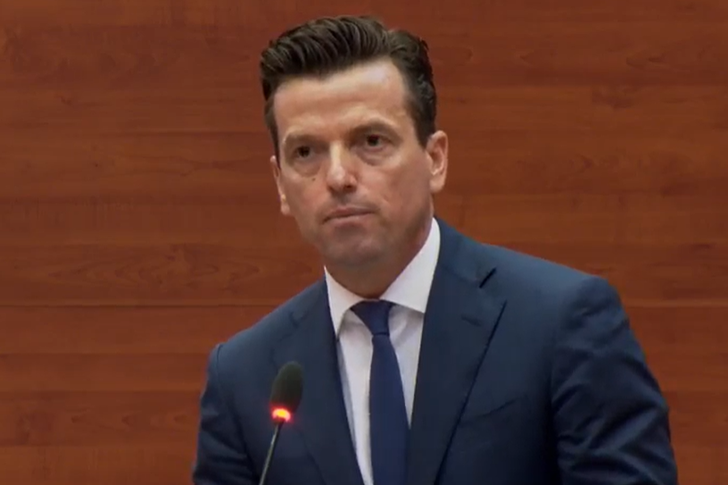
The leader of the Opportunity Party, Agron Shehaj, visited...
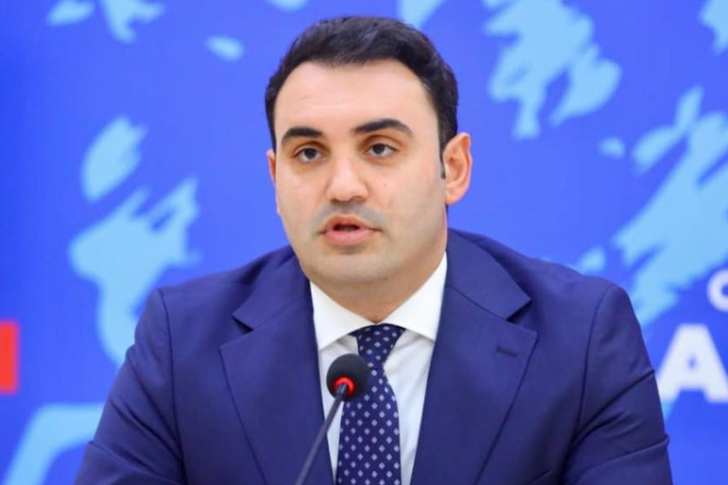
The political leader of the Democratic Party for Tirana, B...
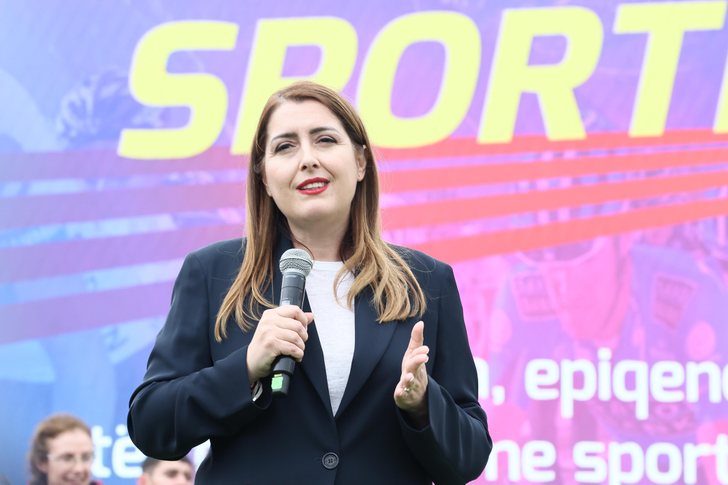
Minister of Education and Sports Ogerta Manastirliu was pr...
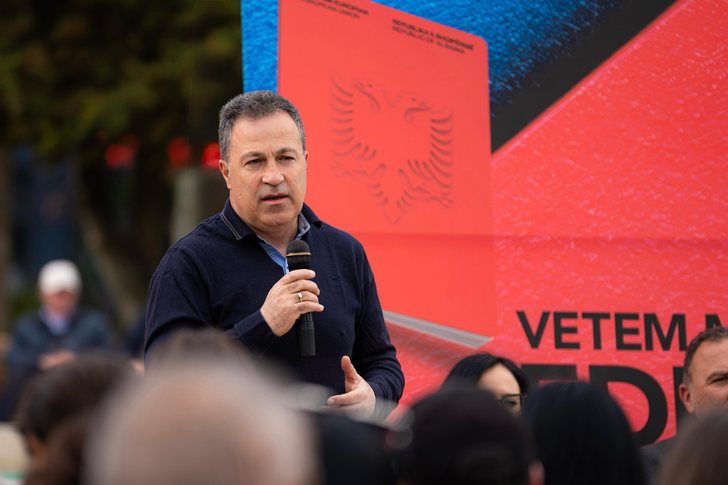
The meeting tour of the political leader of the Korça regi...
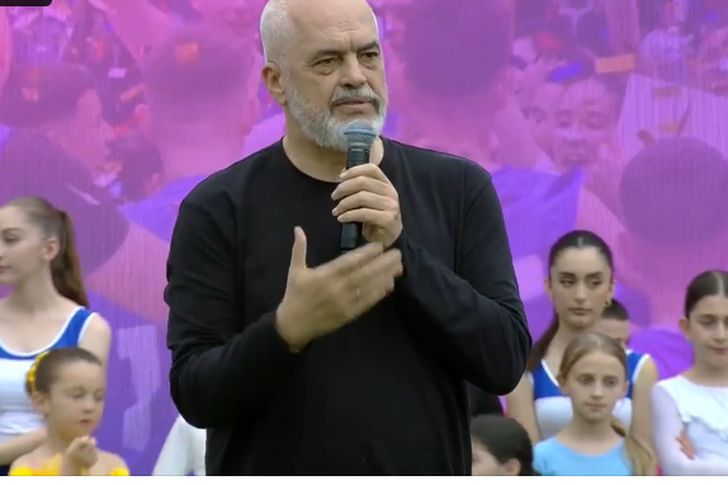
Prime Minister Edi Rama presented today the vision for spo...
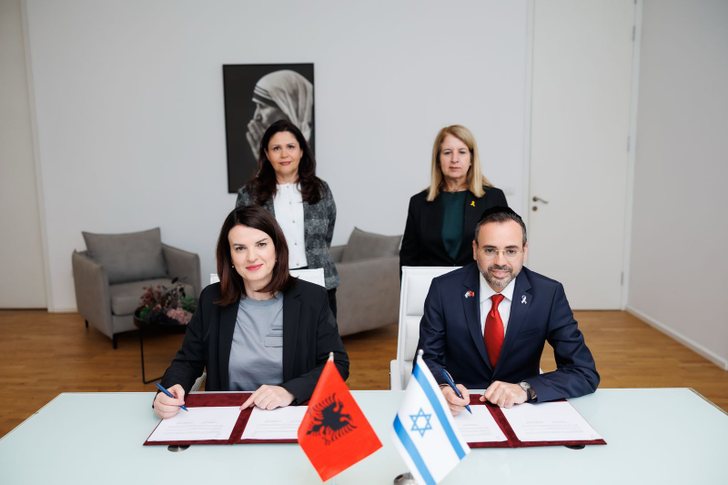
Today, the Minister of Health and Social Protection, Ms. A...
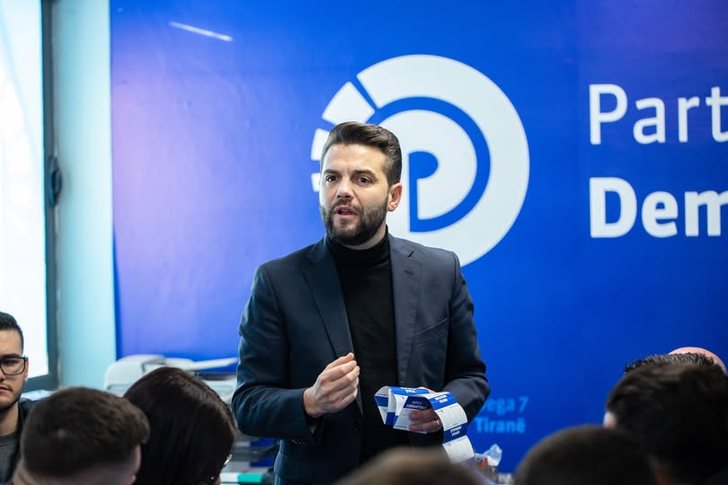
The Democratic Party candidate in Tirana, Grigels Muçollar...
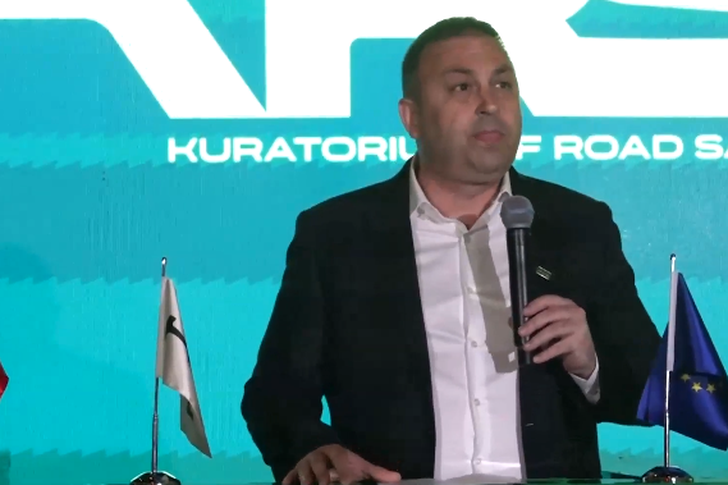
Road safety is an area where everyone's commitment is very...
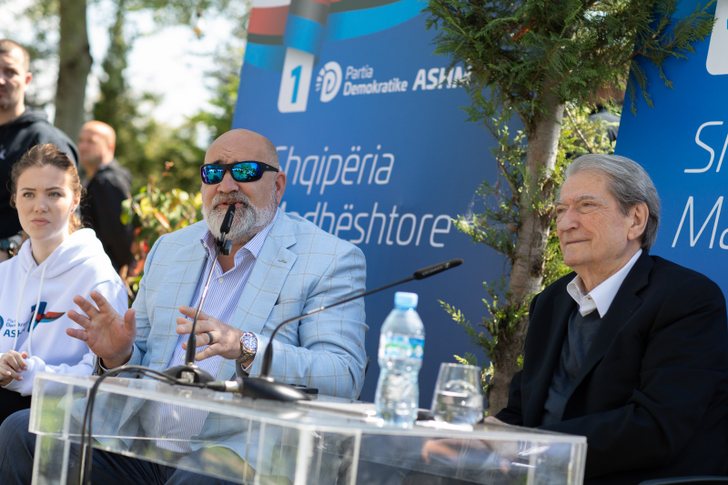
The Democratic Party held a meeting today with the youth o...
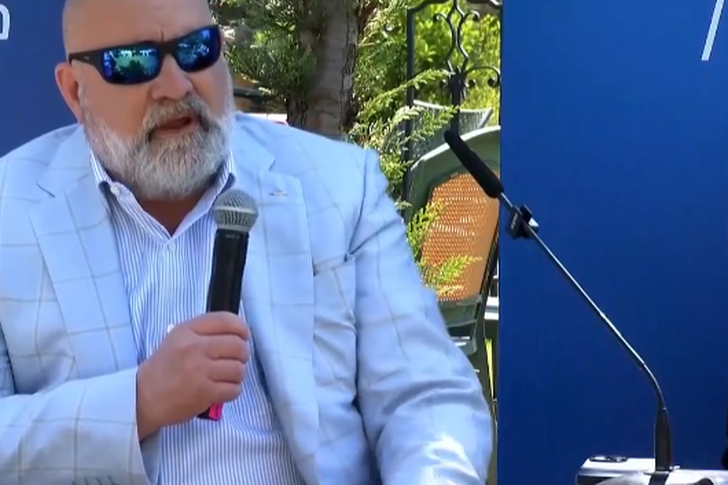
The Democratic Party held a meeting today with the youth o...
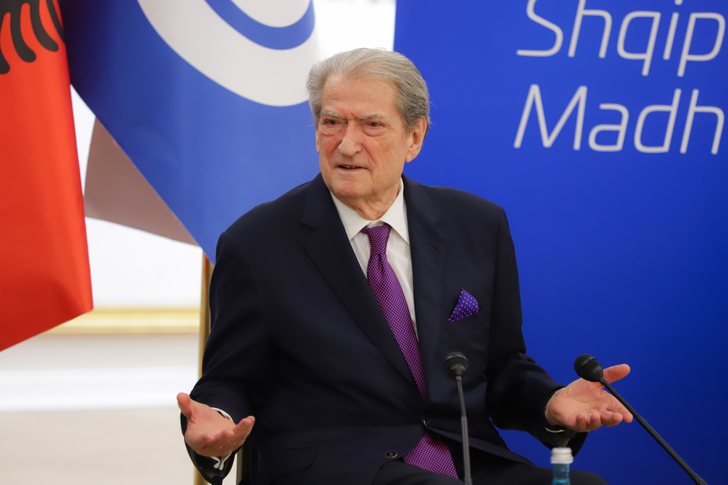
DP leader Sali Berisha participated in a conversation with...
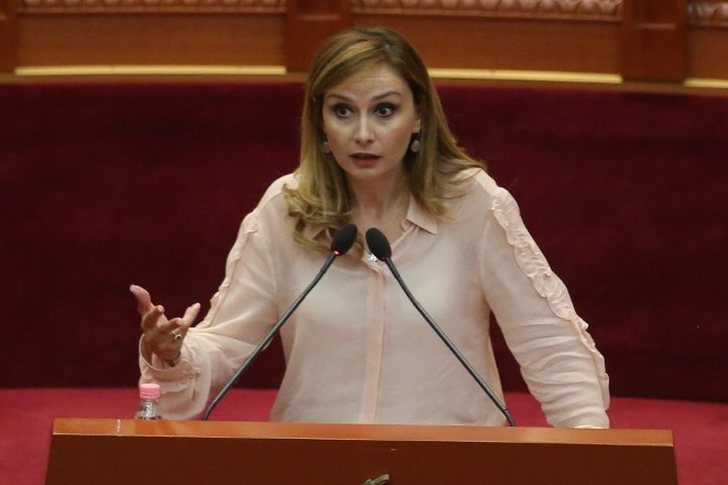
After Lulzim Basha, the media ordered by Durrës prison and...
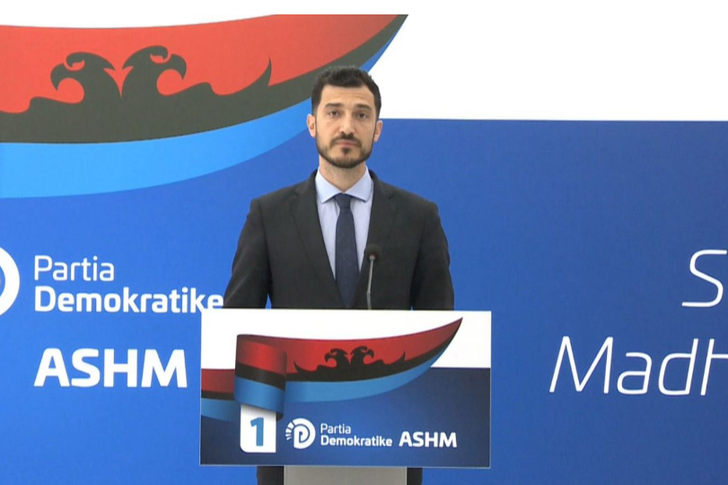
'DP-Alliance for a Greater Albania' has today communicated...
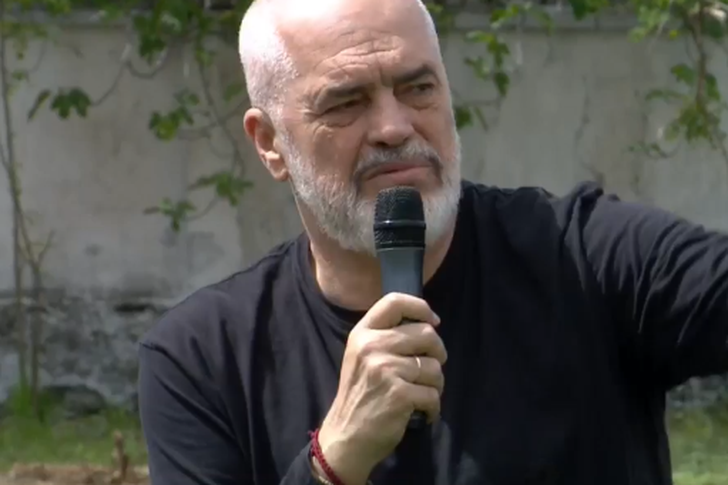
Prime Minister Edi Rama held a meeting with farmers in Cër...
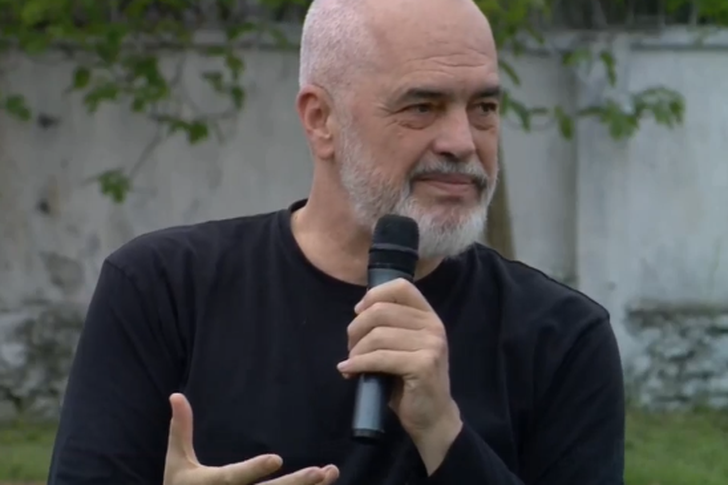
Prime Minister Edi Rama held a meeting in Cërrik today wit...
The leader of the Democratic Party, Sali Berisha, held a d...
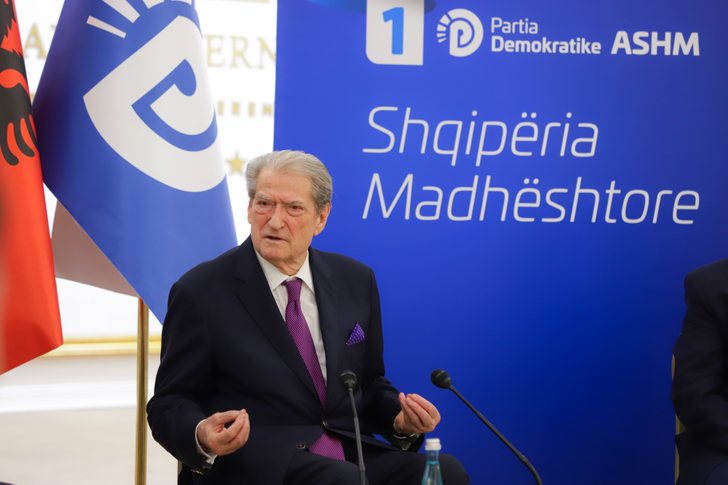
The leader of the Democratic Party, Sali Berisha, held a c...
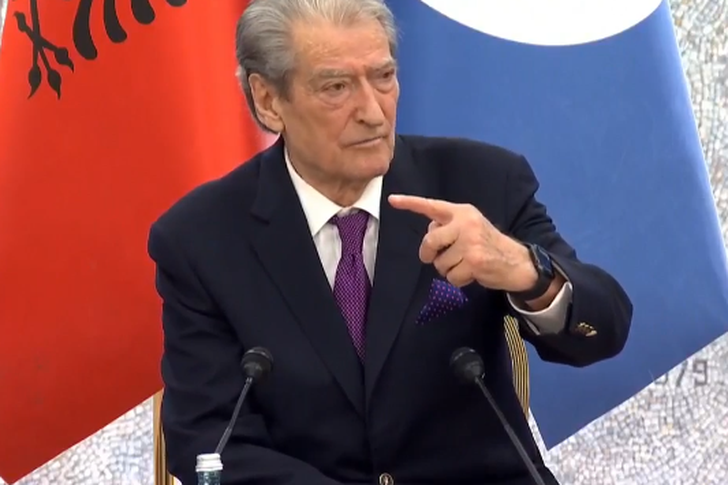
This Wednesday, 'PD-ASHM' is holding a conversation with t...
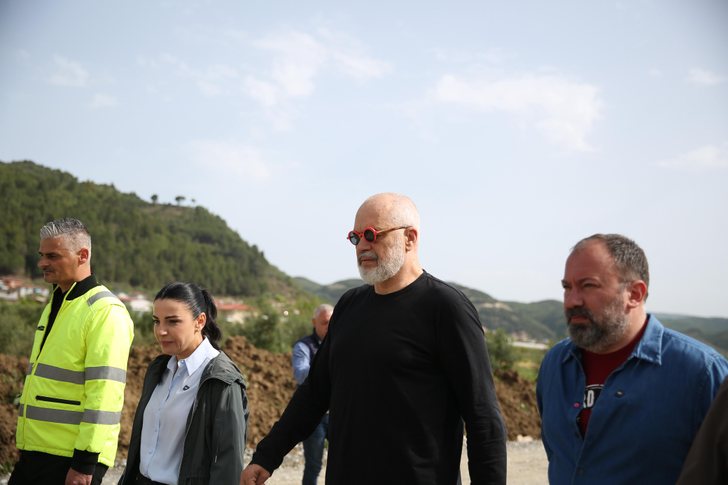
Prime Minister Edi Rama and the Minister of Infrastructure...
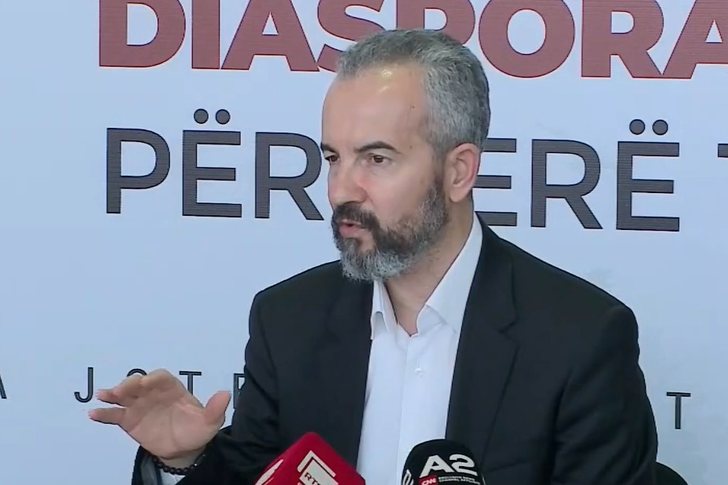
CEC Head Ilirjan Celibashi has stated that every voter wil...

CNA has launched another investigation that could lead to ...

Irfan Hysenbelliu is a businessman that we call "Irfan the...

In March 2026, CNA launched another investigation centered...
The arrested mayor of Tirana, Erion Veliaj, with 13 charge...

The Special Board of Appeal (KPA) decided this Monday ...

The KPA vetting decided this Thursday to dismiss the p...

Suela Salavaçi, a prosecutor in the Prosecutor's Offic...

The Special Board of Appeal reinstated the prosecutor ...
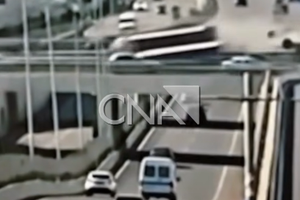
Footage emerges from the serious accident that occurred th...
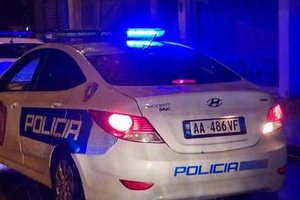
A Shkodra traffic police officer was hit with hard objects...
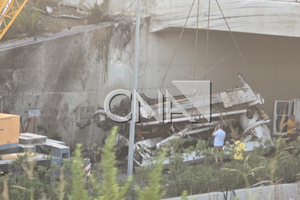
This Wednesday, around 4:00 PM, a serious accident occurre...
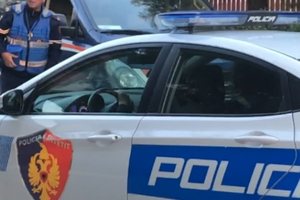
Tirana Police have shared details regarding the accident t...
On Thursday, our country will be under the influence of st...
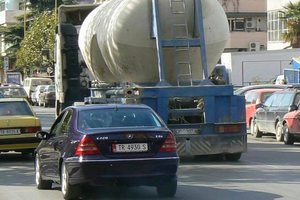
A serious accident that occurred this Wednesday with the c...

The Institute of Geosciences has shared a forecast for wea...
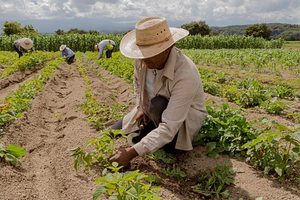
Rising energy and fertilizer prices are expected to contin...

Artificial intelligence (AI) models from the American comp...
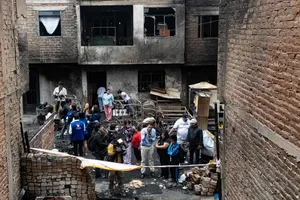
At least 10 people have died after a fire broke out in a h...
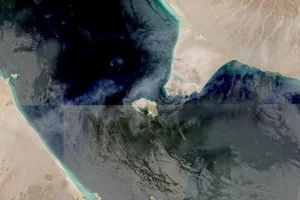
Yemen's Houthis have claimed to have attacked two Saudi oi...
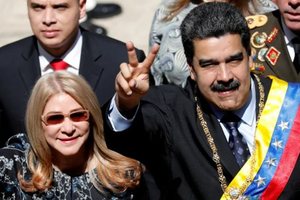
The trial of ousted Venezuelan President Nicolas Maduro on...

At a time when industrial products are increasingly taking...

Trust among people is not just a three-syllable word. It c...

Master of humor Todi Llupi has passed away at the age of 7...

The ninth edition of "MIK Festival" kicked off with one of...
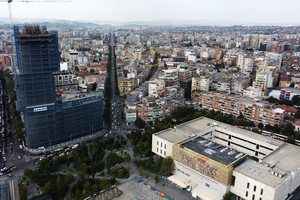
The average sale price of apartments in Tirana reaches rec...
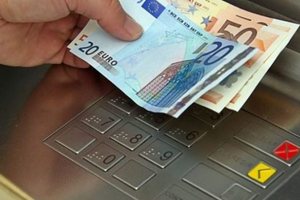
This Thursday, one US dollar is bought for 81.5 lek and so...
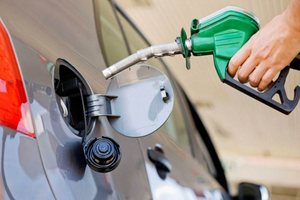
The price of diesel reached 206 lek per liter from 198 lek...

Businesses will no longer be required to simply register t...