


The last session of the parliamentary session on Thursday / On the agenda, a series of draft laws
The last plenary session of this parliamentary session wil...

The last plenary session of this parliamentary session wil...


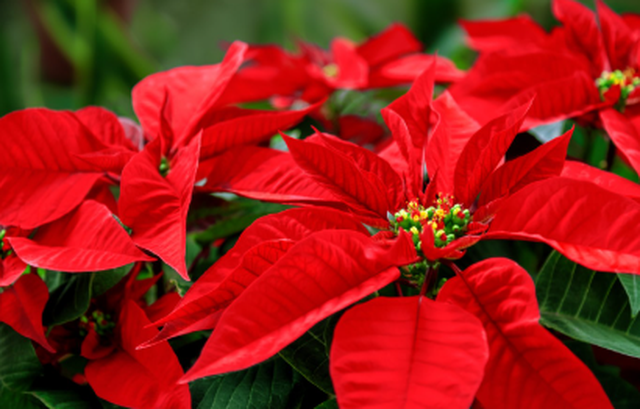
Originally from Mexico, poinsettias are in the Euphorbia family and are a popular holiday plant due to their colorful leaves and are known as the Christmas flower.
They are most commonly used for decoration during the winter holidays, but are also attractive as evergreen plants all year round.
Poinsettias change color in response to the shorter days of winter. Poinsettia flowers are made up of bracts, which look like petals, and small yellow flowers in the center, called cyathia. The colorful bracts attract insects to the flowers and will fall off after pollination.
Poinsettias are not harmful to the health of animals or humans. But they should not be eaten.
The sticky white sap can cause skin rashes, so gloves are recommended when working with these plants.
Avoid contact with eyes and mouth. Wash tools thoroughly after use as the liquid can make tools sticky.
Poinsettias come in many colors.
You can find poinsettias during the holidays that fit into almost any decorating scheme. They range from creamy white to pink to the traditional bright red. Some varieties have leaves with red and white, pink and white, or green and white patterns and even bright orange.
Flower shapes also vary, with some looking similar to a rose. You'll also find poinsettias in unusual colors like blue or purple in garden centers. These are cream-colored varieties that are spray-painted. Sometimes they are sprinkled with glitter.
Cultivation of poinsettias
Three poinsettia plants in red, pink and white.
Light and temperature
Indoor light: Place in a south, east, or west window where the plant will receive bright daylight.
Outdoor light: Partial sun, 4 to 6 hours per day.
Temperature:
Indoor temperatures of 65 to 70 degrees Fahrenheit are ideal.
Avoid placing poinsettias where temperatures fluctuate or may be drying out, such as near cold drafts, heating ducts, fireplaces, fans, space heaters, etc.
Poinsettias will suffer damage if exposed to temperatures below 50 degrees Fahrenheit.
Freezing temperatures will kill poinsettias.
water
Keep the soil moist.
Water the plant when the surface of the soil feels dry to the touch, or the pot feels light when lifted. Don't let poinsettias dry out so much that they wilt.
Remove it from the decorative foil or outer pot before watering. Make sure your plant is in a pot that drains well. Place the plant in a sink and water well, allowing the plant to drain completely.
Never let your poinsettia pots sit in excess water. Constant moisture will rot the plants' roots.
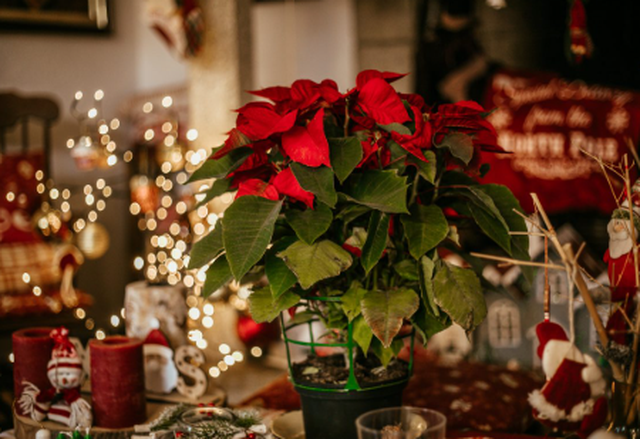
Fertilization
You don't need to fertilize your poinsettia during the holidays. Start fertilizing your plant when you see new growth (green leaves, stems, new leaves). Fertilize with a general-purpose houseplant fertilizer. Mix with water at half the recommended strength.
Feed your poinsettia every 3-4 weeks to keep the plant healthy and provide the nutrients needed for new growth.
replant
In late spring or early summer, transplant your poinsettia into a larger container (about 2 to 4 inches larger than the original pot) or into a garden with partial sun.
In pots, use a soil mix with a good amount of organic matter such as peat moss. Make sure your new pot has good drainage.
In the garden, plant in a well-drained garden bed that gets 4 to 5 hours of sun per day. Mix organic matter like peat moss or compost into the soil. This will help retain soil moisture and create a good growing environment for the roots. Water your poinsettia abundantly after planting. /CNA

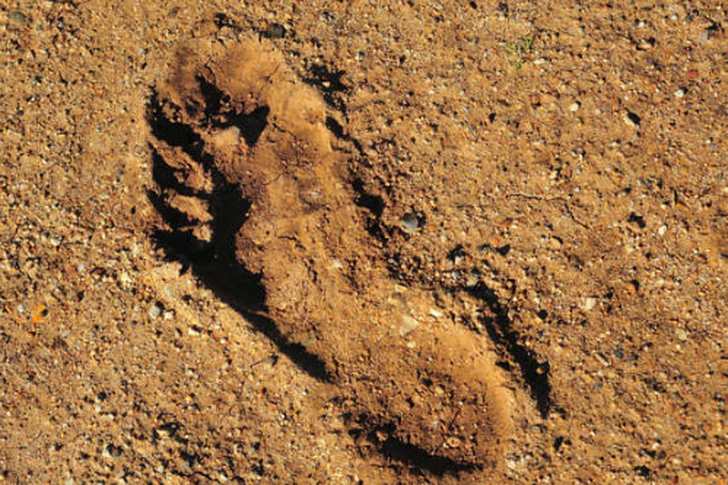
A uniquely preserved prehistoric mud pit may hold the olde...

December 21, 2025 marks the winter solstice, one of the mo...
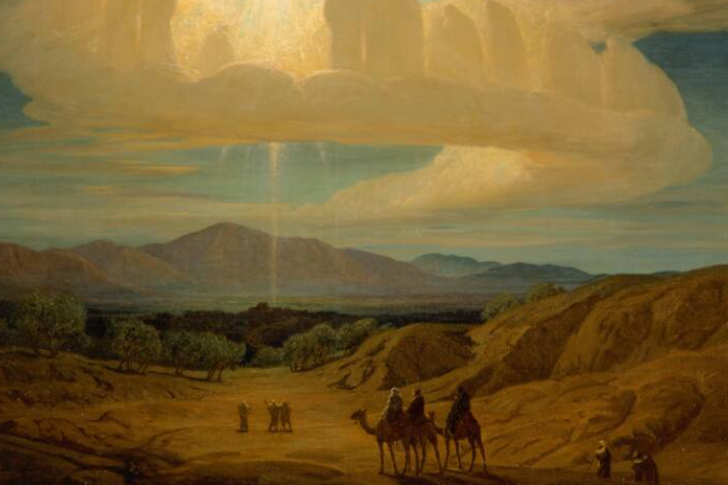
Based on biblical descriptions, the star that is said to h...

A new study suggests that Saturn's largest moon contains l...

Everyone knows the mysterious stories of the Bermuda Trian...
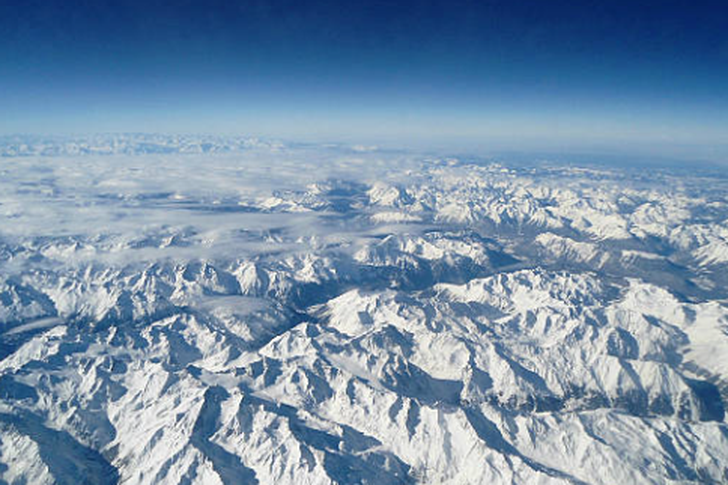
The number of glaciers disappearing each year worldwide wi...
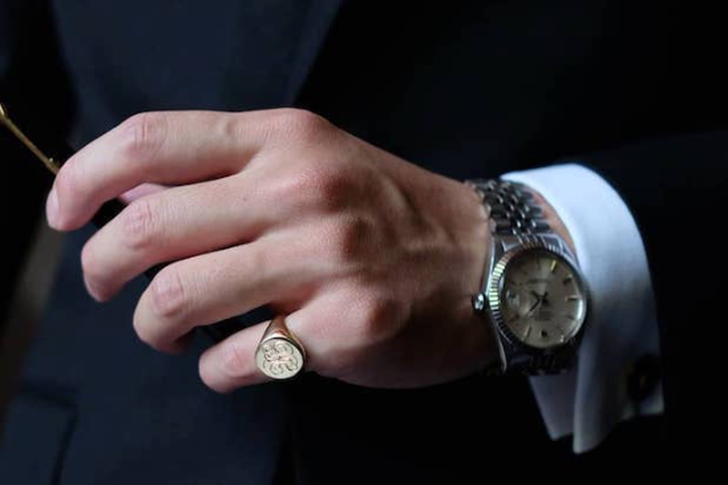
Many people wear or own signet rings today. They are expre...
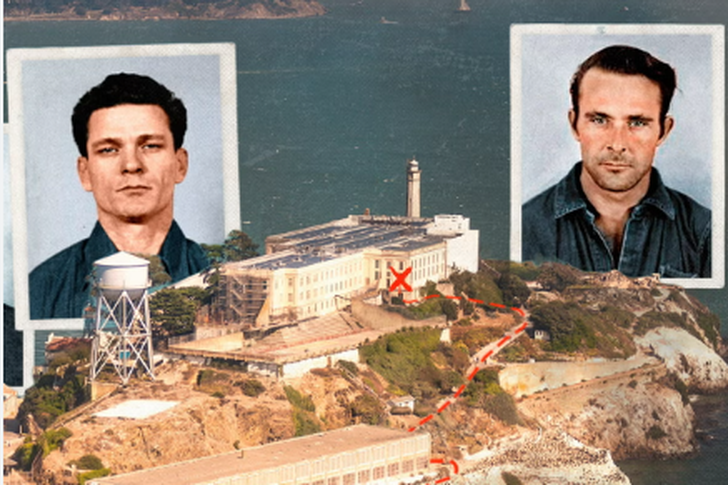
In June 1962, three Alcatraz prisoners fooled guards with ...
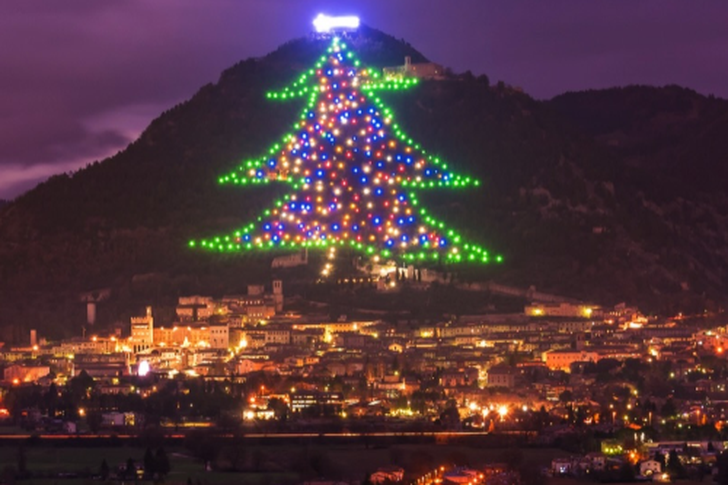
Every December, the medieval town of Gubbio in Italy light...
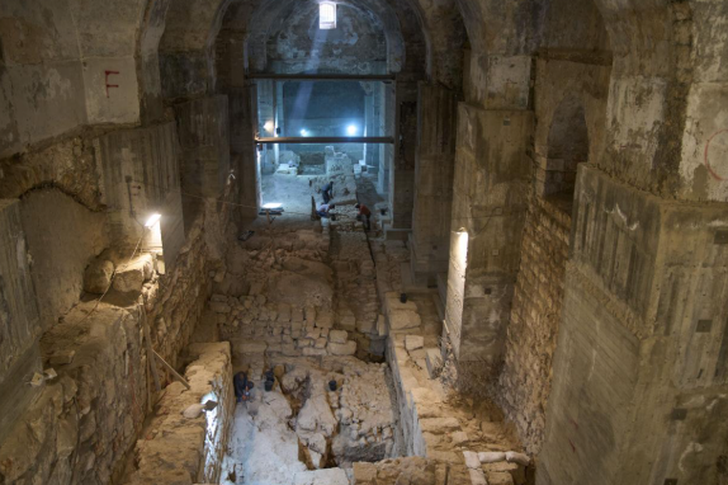
Archaeologists have completed the discovery of the longest...

Në një galaktikë shumë të largët, një vrimë e zezë po shka...
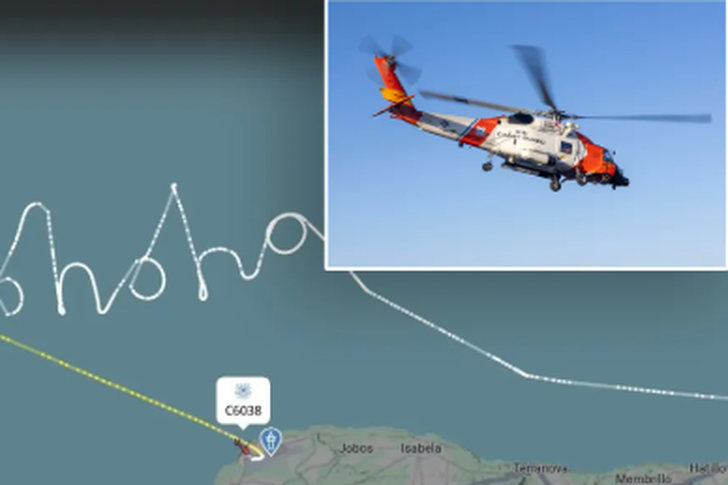
A Coast Guard MH-60T Jayhawk helicopter was in a festive m...

Road workers in Beijing have broken records by laying 8,00...

Një anije argëtimi egjiptiane e lashtë që përputhet me një...
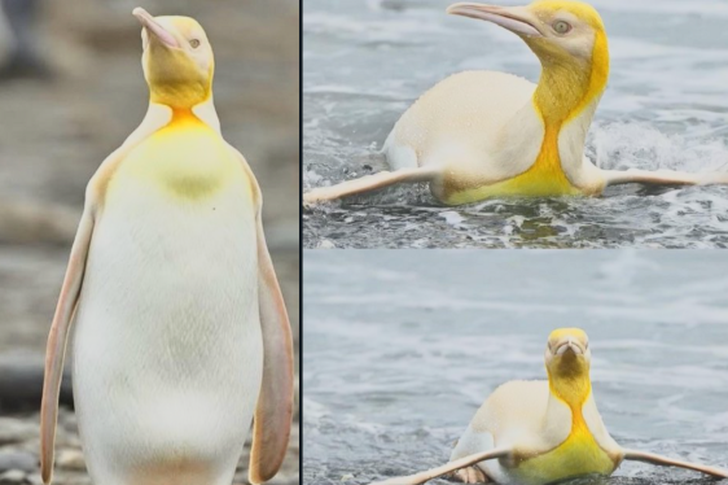
Rare animal researchers have spotted and photographed an u...

If you want to get away after Christmas and celebrate New ...

The last supermoon of 2025 appeared bigger and brighter th...

More and more users, especially young ones, are following ...
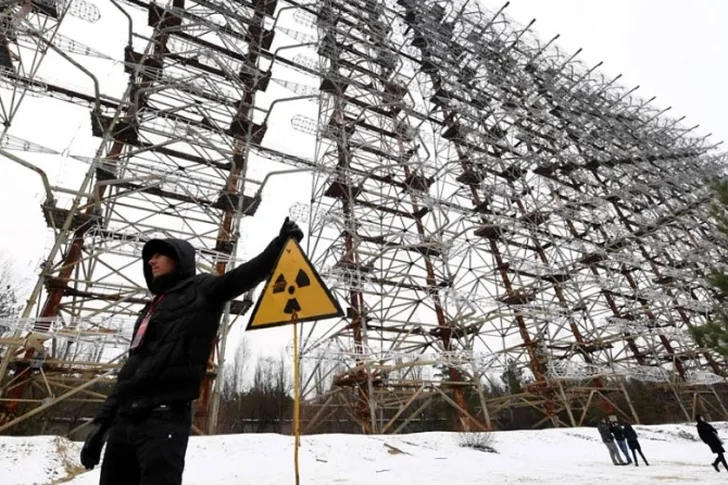
A strange discovery in the ruins of the Chernobyl nuclear ...

In a three-year research program, neuroscientists at Penns...

CNA has launched another investigation that could lead to ...

Irfan Hysenbelliu is a businessman that we call "Irfan the...

In March 2026, CNA launched another investigation centered...
The arrested mayor of Tirana, Erion Veliaj, with 13 charge...

The Special Board of Appeal (KPA) decided this Monday ...

The KPA vetting decided this Thursday to dismiss the p...

Suela Salavaçi, a prosecutor in the Prosecutor's Offic...

The Special Board of Appeal reinstated the prosecutor ...

A serious incident occurred this Tuesday in the Yrshek are...

An accident occurred this Tuesday on "Dituria" street in K...

A tourist has lost her life on Orikum beach, where she was...

Two people were arrested and two others were prosecuted af...
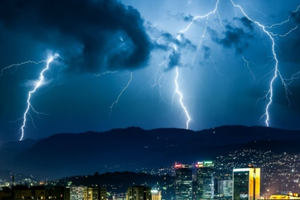
All of Southern Europe will face changing weather conditio...
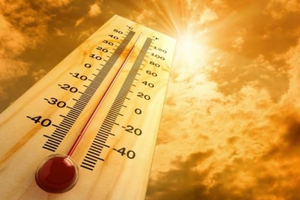
Albania was hit by temperatures significantly higher than ...

For the first time, Pogradec welcomed the Inter-Lake Chess...
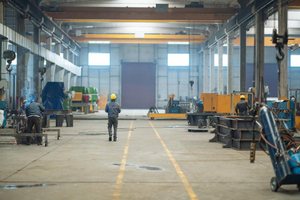
Albania has achieved a record for the employment of foreig...

An operation led by Europol, through authorities in severa...

US President Donald Trump hosted the Lebanese president at...

The European Union has criticized the decision of the acti...

An earthquake measuring 5.0 on the Richter scale struck so...

At a time when industrial products are increasingly taking...

Trust among people is not just a three-syllable word. It c...

Master of humor Todi Llupi has passed away at the age of 7...

The ninth edition of "MIK Festival" kicked off with one of...

The Centralized Purchasing Operator recently opened a tend...
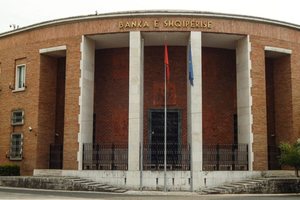
The new draft law "On the Bank of Albania" provides that t...

This Tuesday, one US dollar is bought for 81.2 lek and sol...

Deputy Minister of Economy and Innovation, Enkelejd Musabe...