


Armë, kokainë dhe cannabis në zonat bregdetare/ Arrestohen dy persona
Policia e Vlorës ka finalizuar operacionin e koduar “Sigur...

Policia e Vlorës ka finalizuar operacionin e koduar “Sigur...

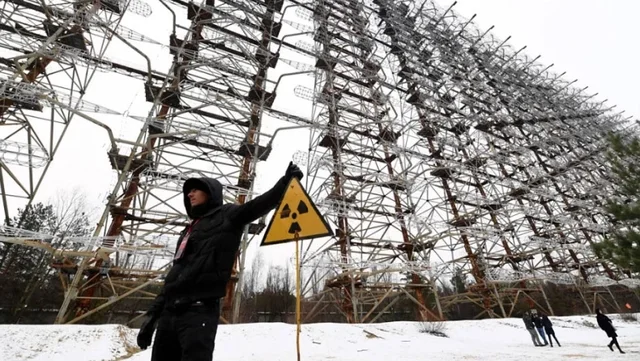
A strange discovery in the ruins of the Chernobyl nuclear power plant has piqued the interest of the scientific community. A black fungus appears to not only withstand radiation, but also use it to grow.
The discovery, first made in 1997 by biologist Nelly Zhdanova, overturned long-held beliefs about the limits of life on Earth. When Zhdanova entered the damaged reactor, she noticed black fungus growing on the walls, pipes, and metal surfaces. In an area that had been closed to humans due to high levels of radiation, the fungus had not only survived, but had "invaded" the heart of the radioactive source.
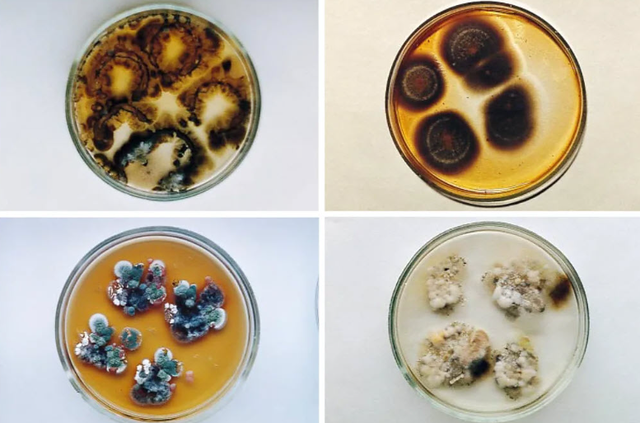
The researcher discovered that the phenomenon was no coincidence: the mold's structures seemed to orient themselves towards the radioactive particles, in a behavior she called "radiotropism."
Melanin plays a central role in this unique adaptation. The pigment that gives cells their dark color appears to act as a shield against ionizing radiation, absorbing and scattering its energy. Subsequent studies have strengthened this hypothesis. In 2007, scientist Ekaterina Dadachova found that some melanized species of fungi grew faster when exposed to radioactive cesium. She even suggested that they could “feed” on radiation, in a process she likened to “radiosynthesis.”
Although the theory has not yet been fully proven, the new findings have given further impetus to the debate. In 2018, samples of the same fungus traveled to the International Space Station. Exposed to cosmic rays, they grew faster there compared to their counterparts on Earth. In addition, scientists noticed that the thin layers of the mold blocked some of the radiation, acting as a natural "barrier."
With plans for bases on the Moon and Mars moving forward, the need for lightweight, effective materials to protect against cosmic radiation is more urgent than ever. That's why some researchers are seriously considering the possibility of "fungal architecture": biological walls and structures that would grow in place and protect astronauts.
As strange as it may sound, a mold that grew inside the most dangerous ruins of Chernobyl could hold the key to safer space travel. It appears to be repeating a life cycle where nature finds a way to thrive even in the most inhospitable environments. /CNA

In a three-year research program, neuroscientists at Penns...

What could be better than full-size Lego F1 cars? A pink 1...

Thanksgiving is a national holiday in the United States, c...
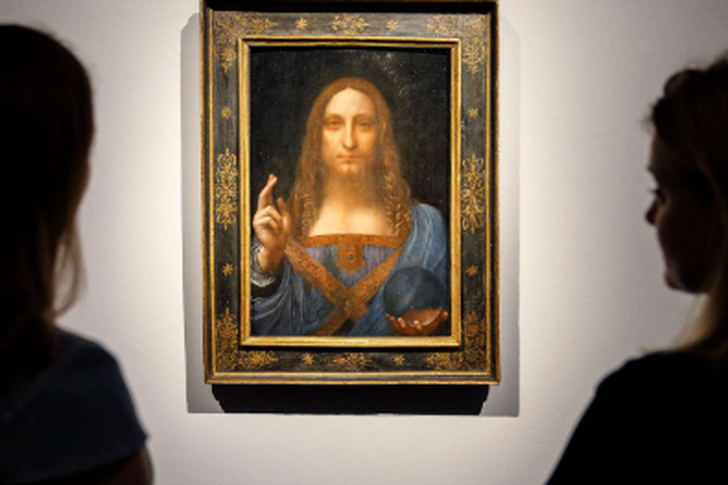
Leonardo da Vinci's painting of Jesus Christ, which sold f...
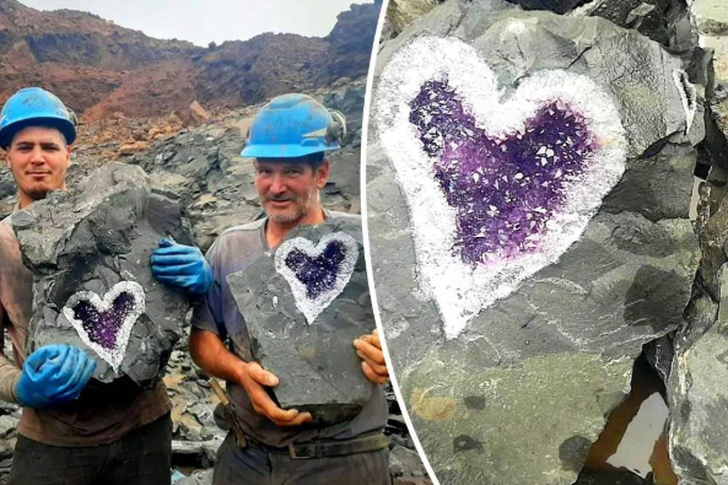
Two stunning heart-shaped amethyst geodes were discovered ...
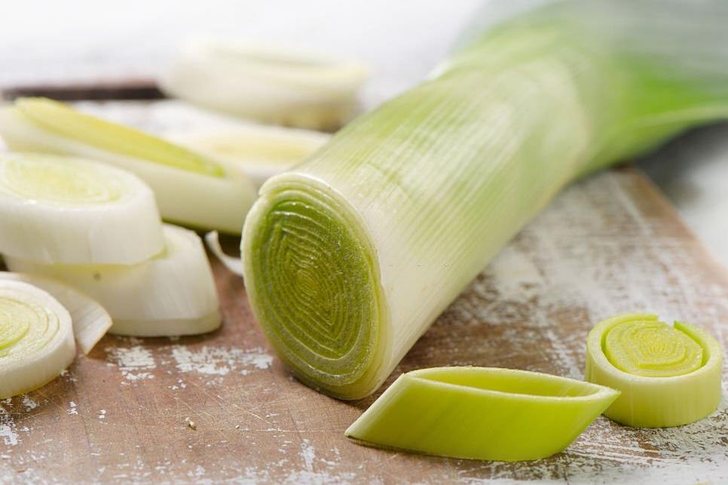
There are several types of leeks, including white leeks, r...

Autism is a broad spectrum, meaning that the symptoms and ...

A portrait painted by Gustav Klimt has been sold at auctio...
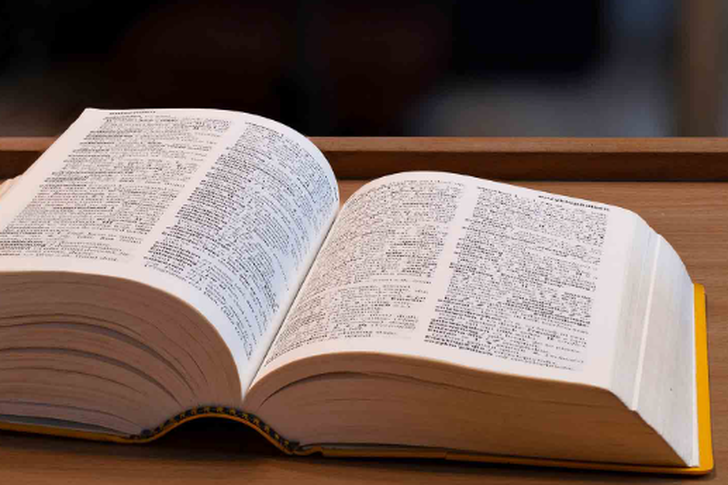
The Cambridge Dictionary's Word of the Year for 2025 is: "...

Aging is a complex biological process - it does not happen...
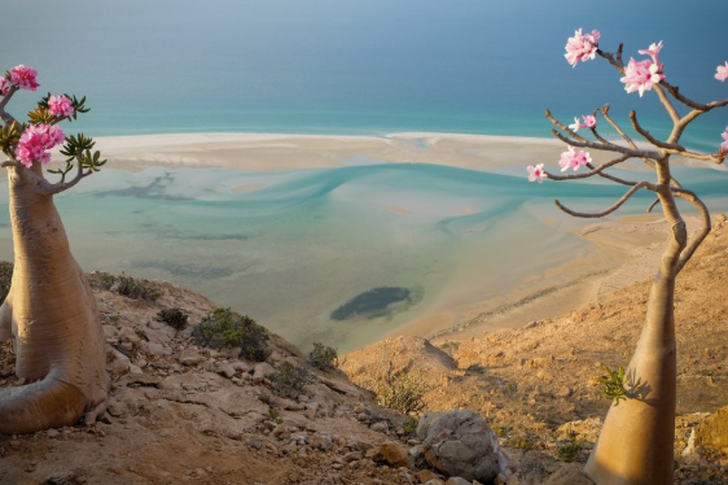
Socotra is a remote Yemeni island in the Indian Ocean, kno...

A rare 9.51-carat blue diamond is expected to sell for up ...
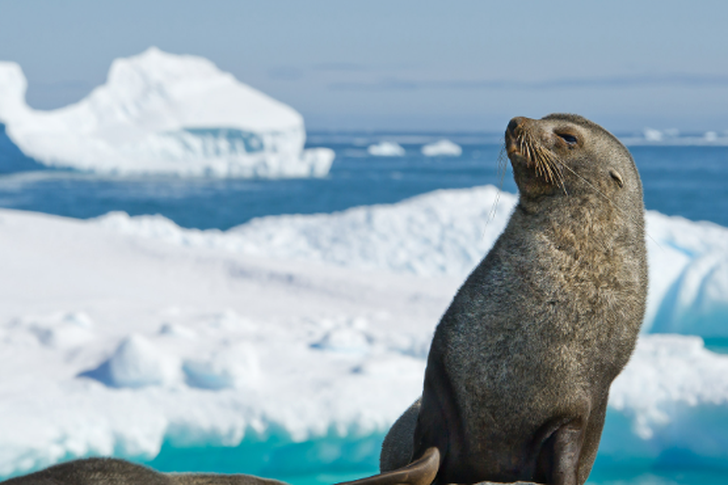
Scientists warn that seals have been devastated by bird fl...
The Channel 4 documentary, "Hitler's DNA: A Dictator's Pla...
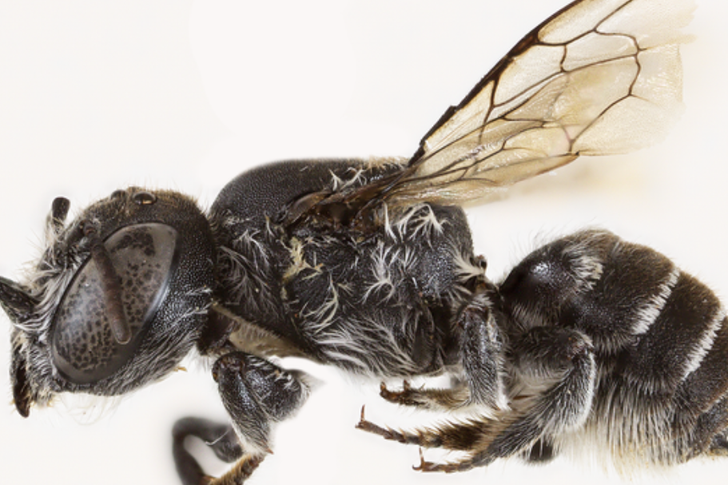
Australia now has a scary new creature: a horned "lucifer"...
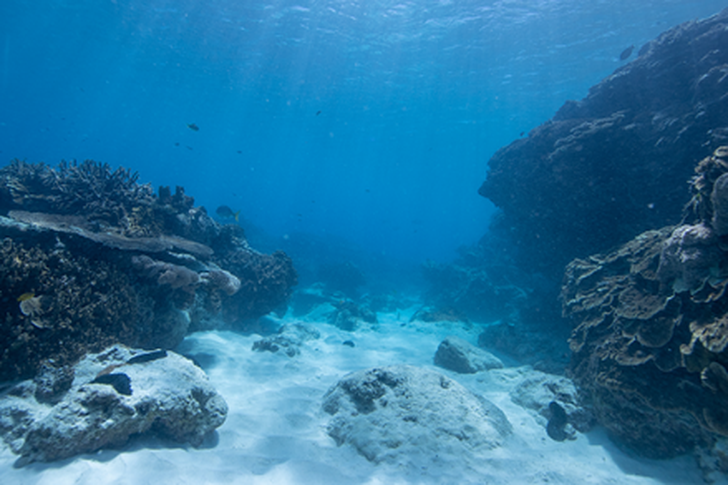
Deep-sea mining waste could disrupt marine food chains and...
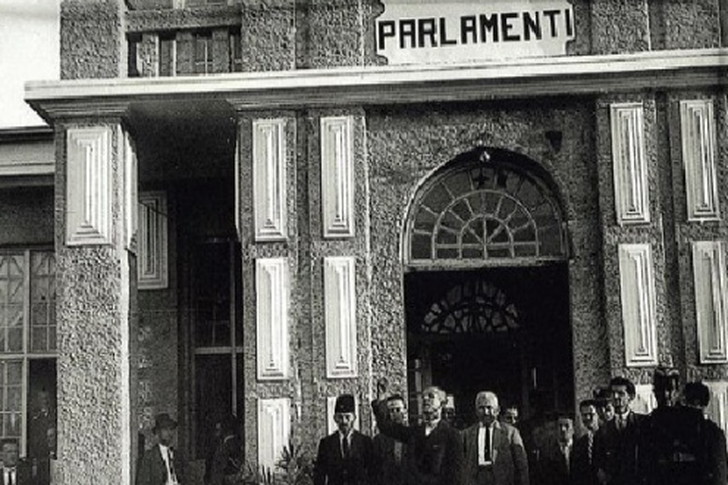
From 1912 to the present, Albania has had prime ministers ...

Only one European country ranked in the top 10 of the 2025...
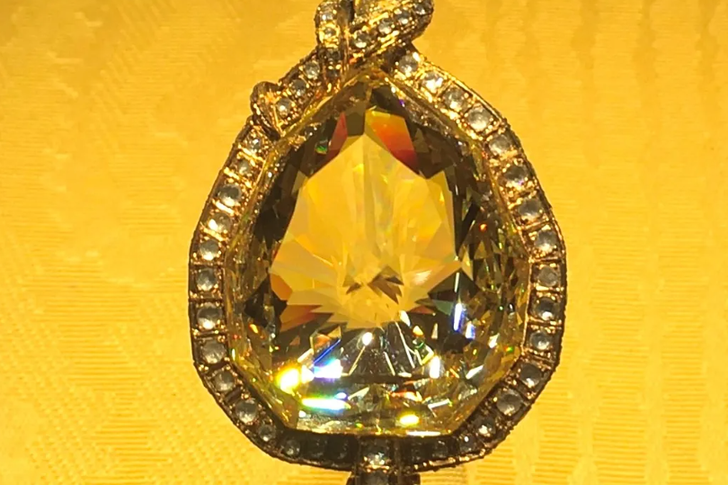
The legendary "Fiorentin" diamond, a 137-carat yellow jewe...
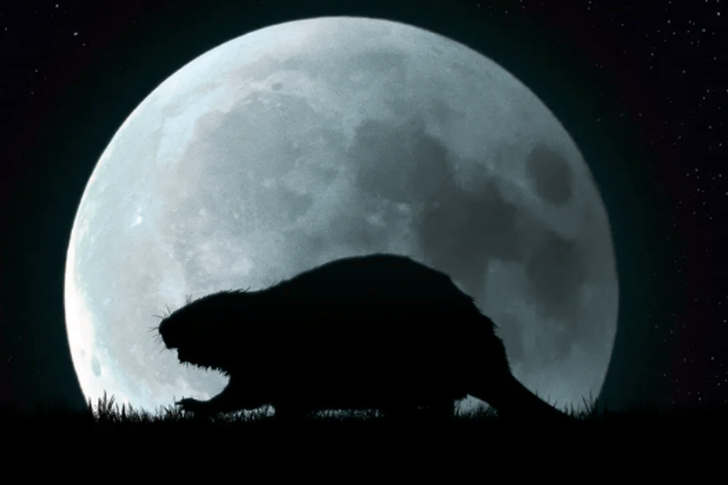
This November's full moon will also be a supermoon called ...
There have been 12 days of protests in the capital, which ...
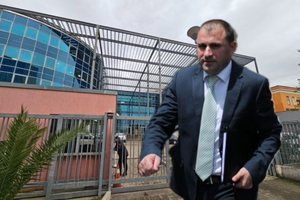
Dritan Prençi is the SPAK prosecutor who is sleeping on th...
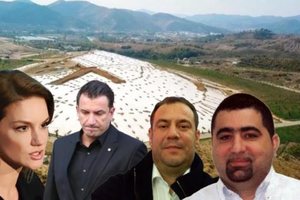
The in-depth investigations that SPAK conducted into Ajola...
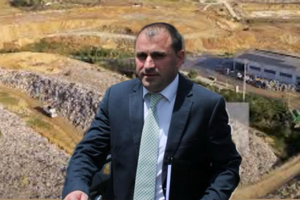
SPAK's standards, the way it investigates, how it secures ...

The Special Board of Appeal (KPA) decided this Monday ...

The KPA vetting decided this Thursday to dismiss the p...

Suela Salavaçi, a prosecutor in the Prosecutor's Offic...

The Special Board of Appeal reinstated the prosecutor ...
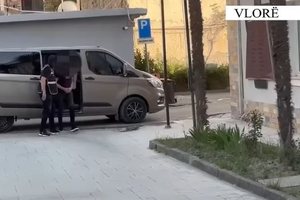
Policia e Vlorës ka finalizuar operacionin e koduar “Sigur...

New details have emerged regarding the serious accident th...
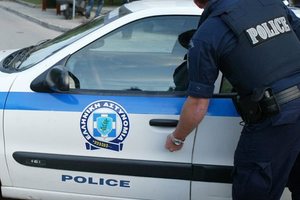
An Albanian businessman was arrested this afternoon in Gre...
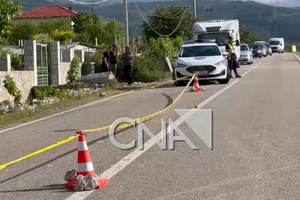
A serious accident has occurred on the Korça-Ersekë axis, ...
Today our country will be affected by stable weather condi...
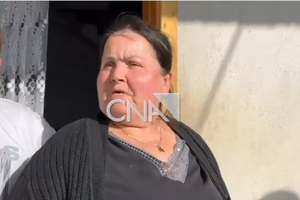
A tragic accident occurred this Friday afternoon in Kameni...

Today our country will be affected by unstable weather con...
On Thursday, our country will be affected by relatively un...
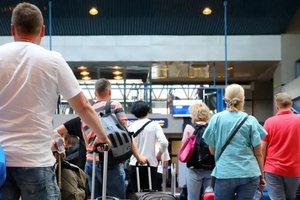
Good news for those who fly: After years of negotiations, ...
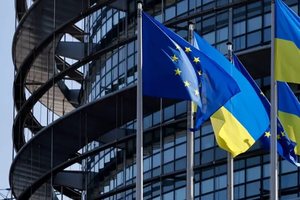
It took more than two years, but now the EU can begin acce...
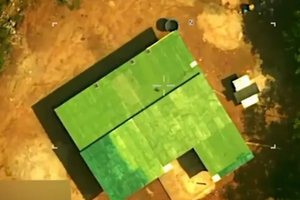
US President Donald Trump announced that the US military h...
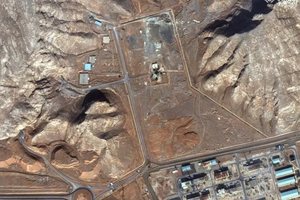
Iran has taken new measures to strengthen the protection o...
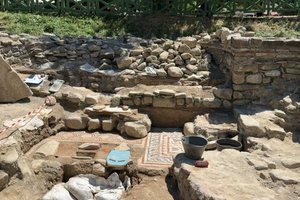
Several archaeological excavations conducted during this s...

At the Museum of Fine Arts in Chambéry, France, an exhibit...

Korça has transformed this weekend into the capital of cel...

Korça is ready to open the summer season with one of the c...
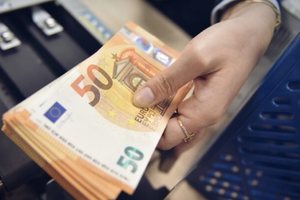
This Saturday, one US dollar is bought for 81.5 lek and so...
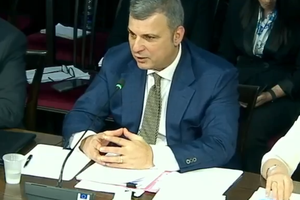
The Governor of the Bank of Albania, Gent Sejko, shared to...

Business lending has increased in the first half of this y...

The labor market has shown worrying trends in early 2026. ...