


VIDEO/ Robot dog entertains citizens in Germany
On the streets of Cologne, Germany, a robot dog has attracte...


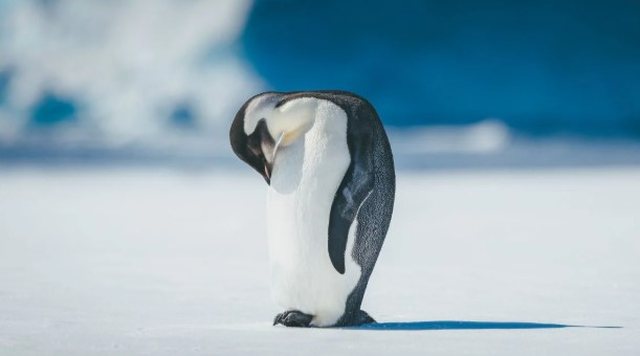
Emperor penguins, one of Antarctica's most iconic species, have been officially declared endangered, just 124 years after the first breeding colony on Ross Island was discovered by British explorer Robert Falcon Scott during his 1902 expedition.
This development is considered an alarming signal for the state of the environment in Antarctica, where climate change is accelerating profound transformations in the ecosystem. According to the latest data, the emperor penguin population has declined by about 10% between 2009 and 2018 and is expected to halve by 2073 if the current trend continues.
Experts say the main cause of this decline is the shrinking sea ice, which is vital to the penguins' life cycle. They use the ice as a platform for mating, incubating eggs and raising their young. When the ice melts prematurely, the young chicks fail to survive.
At the same time, changes in ocean temperatures are also affecting the food chain. Antarctic krill, the main food source for many species, is shifting south and to greater depths, becoming less accessible to predators like penguins and seals.
The situation is equally worrying for Antarctic fur seals, which have suffered a population decline of over 50% since the late 1990s. From around 2.1 million mature individuals in 1999, their numbers have fallen to around 944,000 today.
Moreover, a new threat is spreading in the region: avian influenza, a highly contagious virus that is causing high mortality in marine fauna. In some cases, more than 90% of elephant seal pups have died, while significant declines in adult numbers have also been reported.
The International Union for Conservation of Nature has included these species on its Red List, a global indicator of extinction risk. The rapid shift from “least concern” to “endangered” status for some species shows the alarming pace of deterioration in the situation.
However, scientists point out that the lack of complete data for many other species in Antarctica makes the situation even more unclear. Due to the harsh conditions and remoteness of the region, continuous monitoring remains a major challenge.
Experts are calling for urgent global action, including reducing greenhouse gas emissions, limiting the impact of industrial fishing and improving the protection of natural habitats.
According to them, without rapid and coordinated intervention, emperor penguins and many other Antarctic species could disappear forever, marking an irreversible loss to global biodiversity./ CNA

On the streets of Cologne, Germany, a robot dog has attracte...

A new study, published in the journal Scientific Reports, ...

The most famous photograph of the genius physicist Albert ...
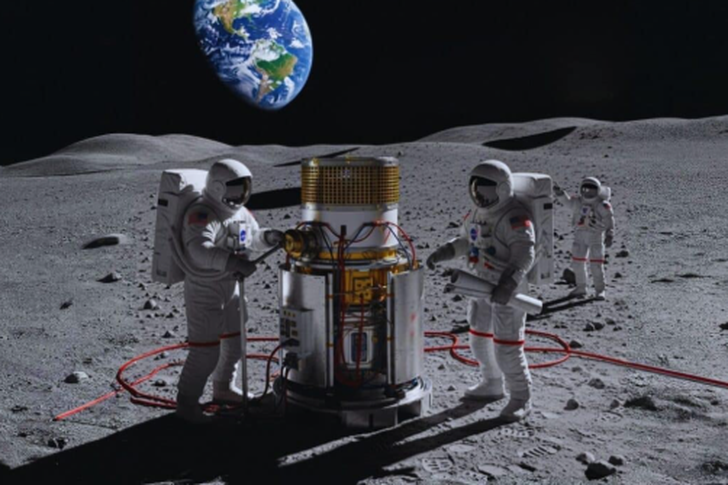
The US space agency, NASA, is aiming for an even more ambi...
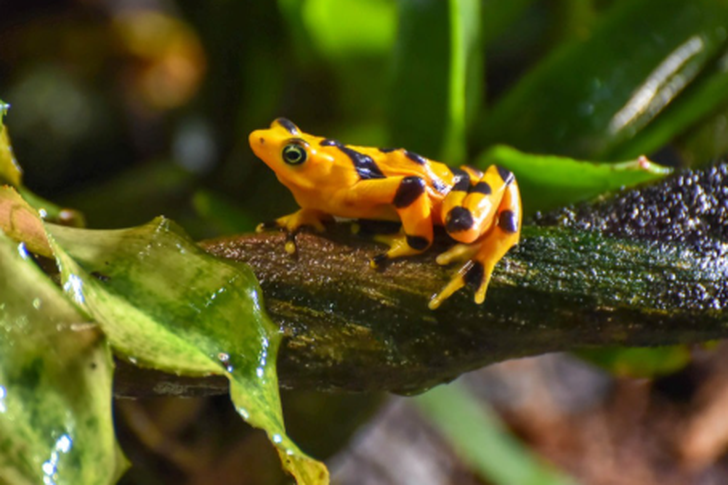
Scientists in Panama have launched a series of experiments...
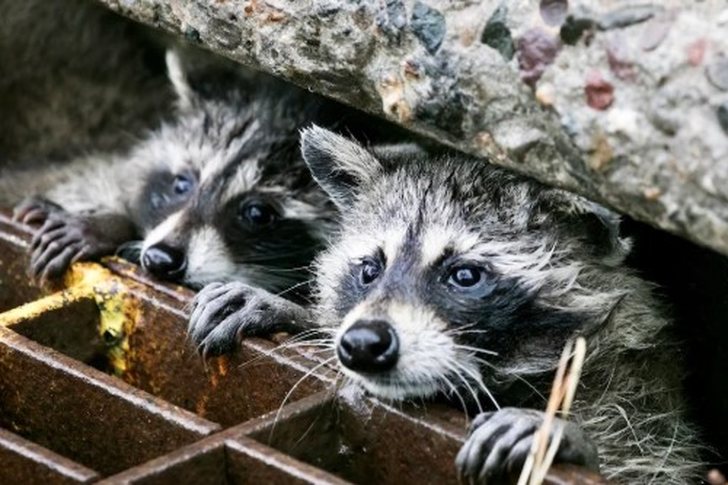
Scientists have found that wild animals around the world a...

A coin considered the "most beautiful" ever produced in Br...
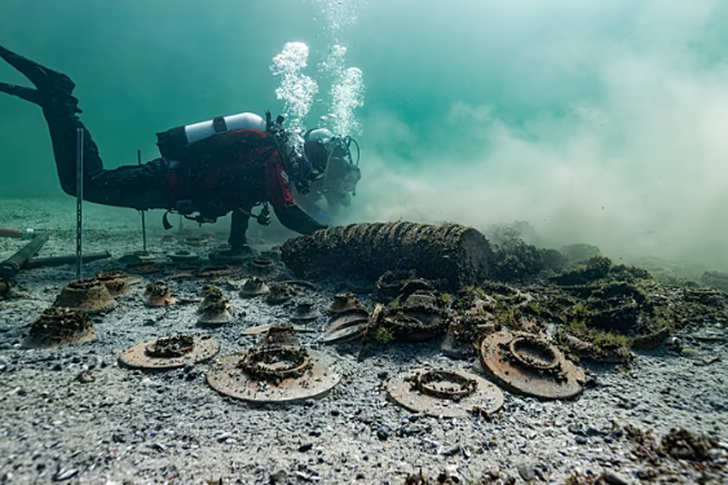
On Lake Neuchâtel in Switzerland, archaeologists have disc...

The Balkan lynx (Lynx lynx balcanicus), a unique species o...

If you think astronauts only eat dehydrated foods and smal...

Rare personal items that once belonged to Marilyn Monroe w...
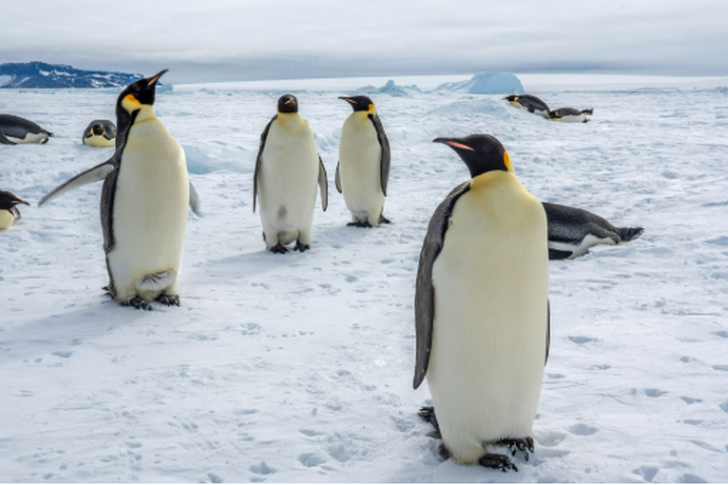
Emperor penguins in Antarctica are facing a growing threat...
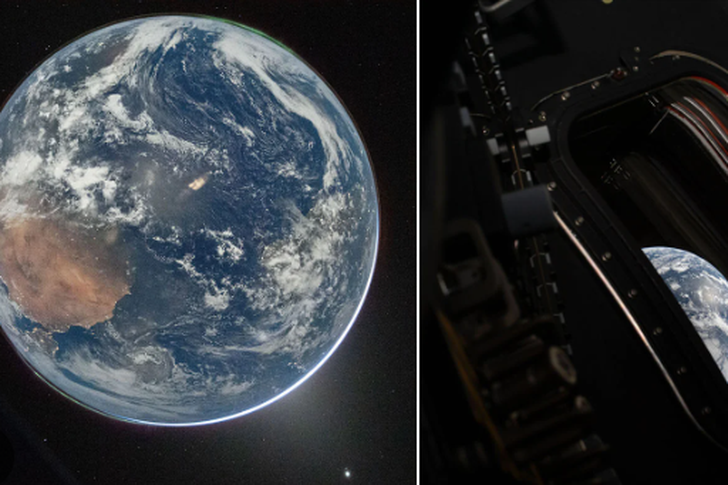
NASA today released the first images taken by astronauts a...
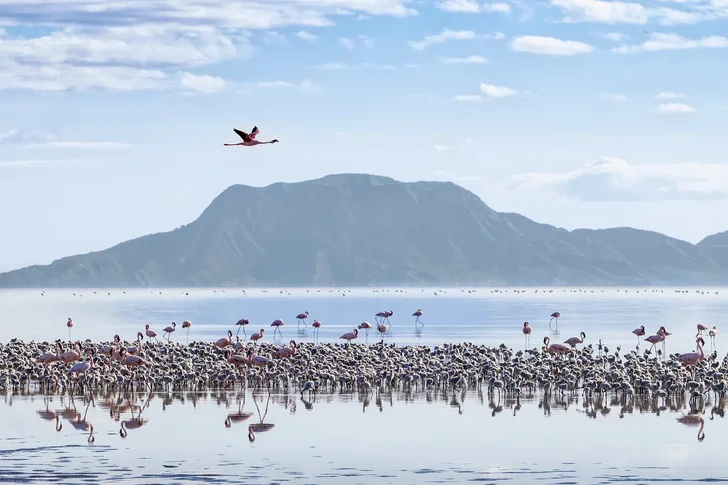
In northern Tanzania, near the border with Kenya, lies Lak...

The tomato is one of the most widespread and important foo...

A new study suggests that people who are more left-handed ...

One of the rarest natural phenomena is located in Japan, w...

Hair turns gray when the cells that produce pigment, calle...

Scientists have identified 45 exoplanets, as planets outsi...
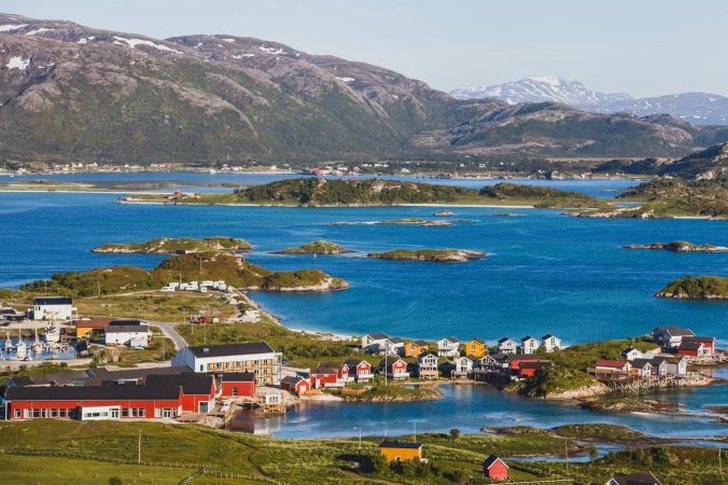
In northern Norway, above the Arctic Circle, lies the isla...

The next case broadcast on the show "Stop", this Thursday,...

The case published this Thursday, June 4, on the show "Sto...

The protests of recent days related to the situation in Zv...

The case addressed this Wednesday, June 3, on the show "St...

The Special Board of Appeal (KPA) decided this Monday ...

The KPA vetting decided this Thursday to dismiss the p...

Suela Salavaçi, a prosecutor in the Prosecutor's Offic...

The Special Board of Appeal reinstated the prosecutor ...

A convict was found dead today in the premises of the Pris...

Several images provided by CNA show the area where this mo...

A quantity of explosive material exploded this morning at ...

The Head of the State Police, Skënder Hita, expressed his ...

For many children and teenagers, the long summer holidays ...

Witnesses in Lozhan, Maliqi, have shared details from the ...

Albania is facing an unprecedented demographic transition,...

On Thursday, our country will be affected by unstable weat...

An extraordinary story of survival has been recorded in Ne...

The Peace Implementation Council in Bosnia and Herzegovina...

John Bolton, the former national security adviser to US Pr...

The number of millionaires worldwide rose by nearly 2 mill...

Korça is ready to open the summer season with one of the c...

Two years after his passing, the renowned Korçë poet Skënd...

The Ethnographic Museum of Berat has opened its doors to v...

The story of Harilla Bakalli is one of the most chilling t...

The government aims to transform the country's industrial ...

Kursi i këmbimit të euros me lekun ka rënë më tej këtë jav...

Profit margins in the construction sector have increased s...

The Transparency Board, at its meeting today, decided to i...