


Investigation/ The company that took public areas from the Municipality of Tirana is revealed
In March 2026, CNA launched another investigation centered...

In March 2026, CNA launched another investigation centered...

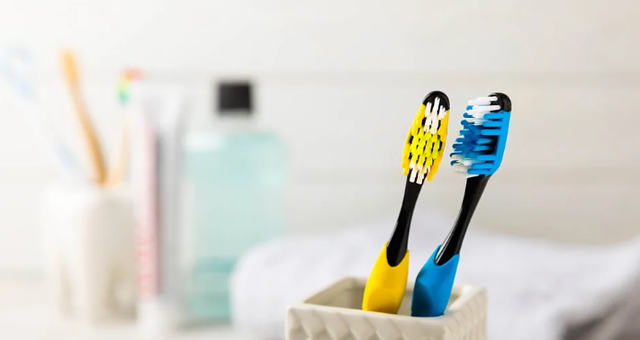
A toothbrush can be home to between 1 and 12 million bacteria and fungi belonging to hundreds of different species, or viruses. The bacteria thrive on water, saliva, skin cells, and food particles left in the mouth.
Another factor that affects the growth of bacteria on toothbrushes is flushing the toilet or opening the window.
According to a study by the Rhine-Waal University of Applied Sciences in Germany, microbes on toothbrushes mainly originate from three sources: the user's mouth, their skin, and the environment where the toothbrush is kept.
But before we use a toothbrush for the first time, it can carry germs.
A study that examined 40 new toothbrushes from different manufacturers purchased from stores in Brazil found that half of them were contaminated with a variety of bacteria.
The most common bacteria are streptococci and staphylococci, which cause tooth decay. Other bacteria can cause inflammation of the gums, known as periodontal disease.
Researchers have also found bacteria and fungi living on used toothbrushes that shouldn't be there — organisms most commonly associated with stomach infections and food poisoning, such as Escherichia coli, Pseudomonas aeruginosa, and Enterobacteriaceae. Studies have also identified pathogens like Klebsiella pneumoniae, a common cause of hospital-acquired infections, and the yeast Candida. These microbes come from the water we use to rinse our toothbrushes, hands, and other parts of our environment.
Bathrooms are warm, humid places that tend to regularly fill with aerosols, tiny droplets of water that can carry bacteria and viruses through the air. This makes toothbrushes kept in the bathroom especially prone to contamination,
Another study found that 60% of student toothbrushes in shared bathrooms were contaminated with bacteria found in feces, and there was a high chance that the germs on one person's brush came from someone else.
Coronaviruses can survive on toothbrushes for several hours and even up to 48 hours in the case of herpes simplex-1, the virus that causes cold sores. This could provide a potential way for the disease to spread - and public health advice is to not share toothbrushes for this reason.
Public health authorities also warn against letting toothbrushes touch each other if more than one brush is stored together, especially those belonging to people you don't live with.
There are a range of techniques for sterilizing toothbrushes, from using ultraviolet light to putting them in the dishwasher or microwave. Some of the least effective have been found to be rubbing the brush with a hair dryer or dipping it in a glass of whiskey. Microwaving is often more effective, but it also risks melting or damaging the toothbrush bristles.
The toothpaste you use, which often has antimicrobial properties, can do some of the work to reduce the number of germs growing on your toothbrush. Rinsing it with water also helps remove some of the bacteria in the cork hole, but many bacteria still stick and grow.
Some researchers recommend a 1% vinegar solution as the most effective way to reduce bacteria, but it will leave a taste that some will find unpleasant the next time they use their toothbrush. Soaking the brush head in an antiseptic mouthwash solution for five to 10 minutes can also be effective./ CNA

A robbery at the Louvre Museum in Paris made headlines aro...

A high-quality diamond weighing 340 carats has been uneart...

In the animal world, where speed is often associated with ...

Scientists, through a new discovery, have shown that the n...

Snow leopards are at high risk of extinction in the wild. ...

Pumpkin is one of the most beloved autumn vegetables. This...
American scientists have, for the first time, created earl...

German waters alone contain around 1.5 million metric tons...

A 40-year-old man in the city of Durres has been declared ...

An unknown portrait by Pablo Picasso of one of his girlfri...

In Scanno, a medieval village deep in the wild mountains o...

The small Croatian village of Jaskovo has earned its place...
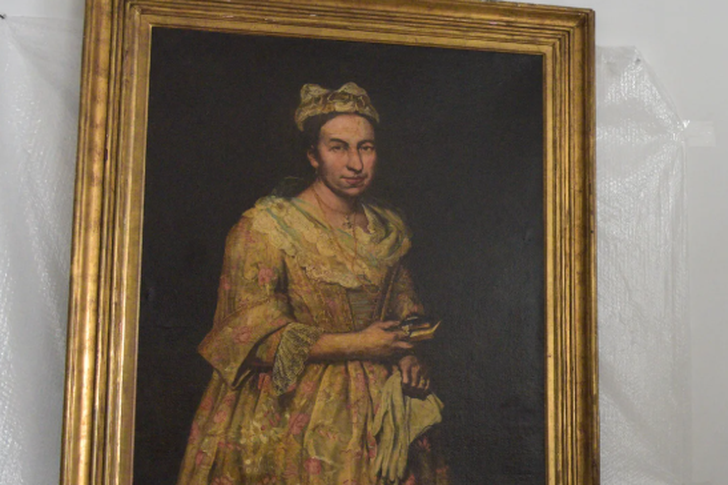
For almost 80 years, the painting 'Portrait of a Lady' by ...

A total lunar eclipse will occur overnight Sunday (Septemb...

To test the water quality in a reservoir, workers typicall...
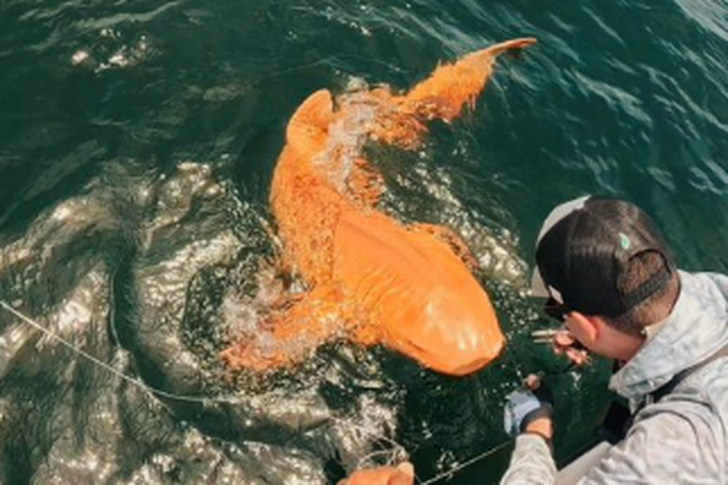
Fishermen off the Caribbean coast of Costa Rica have caugh...
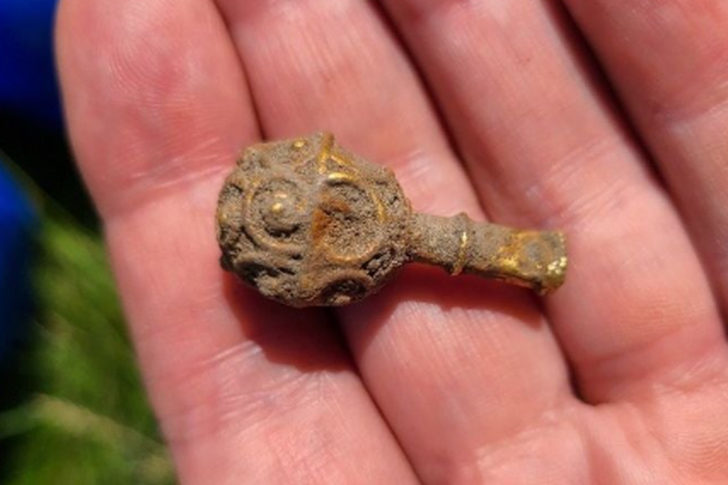
An archaeology student from the US state of Florida has di...

The Huajiang Canyon Bridge is a suspension bridge in Guizh...
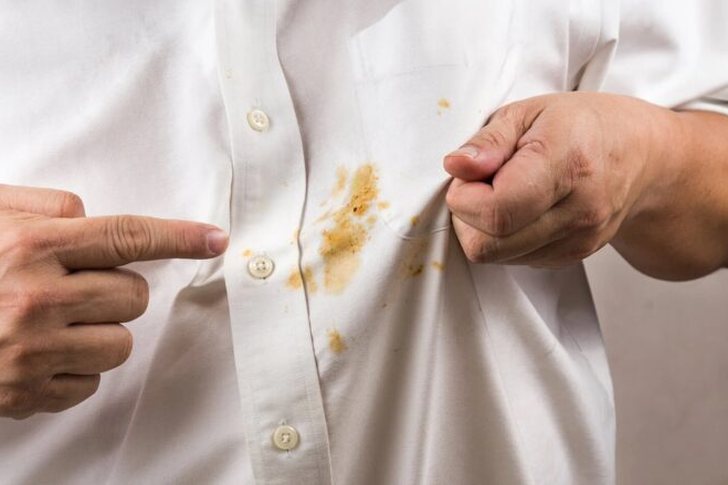
Grease stains on clothes are one of the most stubborn prob...

Scientists analyzed over a billion social media posts to d...

In March 2026, CNA launched another investigation centered...
The arrested mayor of Tirana, Erion Veliaj, with 13 charge...

CNA has uncovered the tentacles of the head of the Supreme...

The company "Gjikuria" has been caught in several serious ...

The Special Board of Appeal (KPA) decided this Monday ...

The KPA vetting decided this Thursday to dismiss the p...

Suela Salavaçi, a prosecutor in the Prosecutor's Offic...

The Special Board of Appeal reinstated the prosecutor ...

Three people have been arrested in Lezha after they forcib...

The Shkodra Court has imposed the security measure "House ...

Një ngjarje e rëndë raportohet se ka ndodhur në orët e par...

A serious road accident was recorded this afternoon on the...

On Monday, our country will be under the influence of rela...

On Sunday, our country will remain under the influence of ...

The World Health Organization described extreme heat in Eu...
Systematically in the last 15 years, circulatory system di...

More than 400 Ukrainian drones were launched overnight tow...

The next British Prime Minister, Andy Burnham, aims to str...

The United States Central Command (CENTCOM) said it has at...

The ceasefire between the United States and Iran has essen...

Trust among people is not just a three-syllable word. It c...

Master of humor Todi Llupi has passed away at the age of 7...

The ninth edition of "MIK Festival" kicked off with one of...

A historic evening for Albanian culture was marked in the ...
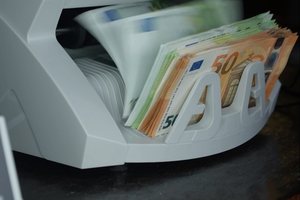
This Monday, one US dollar is bought for 81 lek and sold f...

In Golem and Durrës, the season seems dynamic: buses with ...

This Sunday, one US dollar is bought for 81 lek and sold f...

INSTAT statistics for May show an increase in tourism, wit...