


"It is illegitimate"/ The opposition renews clashes with Endri Shabani, blocks his platform
A tense episode occurred this Monday during the plenary se...

A tense episode occurred this Monday during the plenary se...

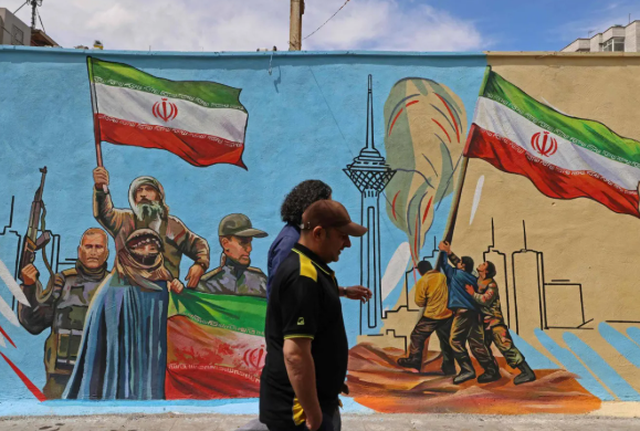
The ceasefire between the United States and Iran has essentially failed, as tensions between the two countries have escalated dramatically over the past week.
Last month, Washington and Tehran reached a Memorandum of Understanding aimed at reducing tensions and continuing dialogue.
Here is a chronology of developments since the beginning of July, according to an analysis by the American network 'CNN':
July 1: US and Iranian negotiators meet in Doha, Qatar, for indirect talks. According to Qatari Foreign Ministry spokesman Majed al-Ansari, the contacts are making "positive progress."
July 7: Iran opens fire on three merchant ships in Omani waters near the Strait of Hormuz, according to a US official. US Central Command (CENTCOM) announces it has launched military strikes against Iran in "retaliation".
July 8: Tehran warns it will respond with "overwhelming retaliation" to the US attacks. The Islamic Revolutionary Guard Corps (IRGC) says it has struck 85 US military targets in Bahrain and Kuwait. That same day, Donald Trump, speaking at the NATO summit in Turkey, describes Iran as "evil and sick people" and declares that the Memorandum of Understanding is "no longer valid". Hours later, the US launches a new wave of attacks.
July 9: Tehran complains that US strikes destroyed a railway bridge in northern Iran. CENTCOM reports that US forces have struck about 90 military targets. Meanwhile, a US official tells CNN that technical talks on the nuclear program are continuing.
July 10: Trump announces that talks with Iran will continue, but clarifies that Washington has informed Tehran that the ceasefire is considered over. Iran's chief negotiator, Mohammad Bayer Ghalibaf, declares that his country is ready for "total defense" in the event of a US violation of the agreement. The Trump administration announces new sanctions against Iran.
July 11: The Iranian foreign minister accuses the US of violating a condition of the Memorandum of Understanding regarding the country's nuclear program.
July 12: The Islamic Revolutionary Guard Corps announces it is closing the Strait of Hormuz after firing warning shots at a ship that attempted to pass through an unauthorized sea corridor. The US launches new strikes, insisting that the Strait remain open.
July 13: US strikes continue in various parts of Iran, with Iranian media reporting at least two deaths. Trump says he will reimpose a blockade on Iranian ships in the Strait of Hormuz, and new attacks follow overnight.
July 14: IRGC announces it has "hit and disabled" two "uncontrolled supertankers." UK Merchant Marine Operations reports that two tankers were hit by missiles while passing through the southern Strait of Hormuz. US launches new wave of bombing.
July 15: Tehran says more than 30 civilians have been killed in recent days by US strikes. In retaliation, it says it has struck US military installations in Kuwait, Bahrain and Jordan.
July 16: A powerful explosion rocks Tehran, while state media reports that attacks are taking place in various parts of the country. The armed forces of Jordan and Kuwait announce that they have intercepted Iranian attacks. That same evening, the US launches new attacks across Iran.


US President Donald Trump has officially arrived at the Ne...
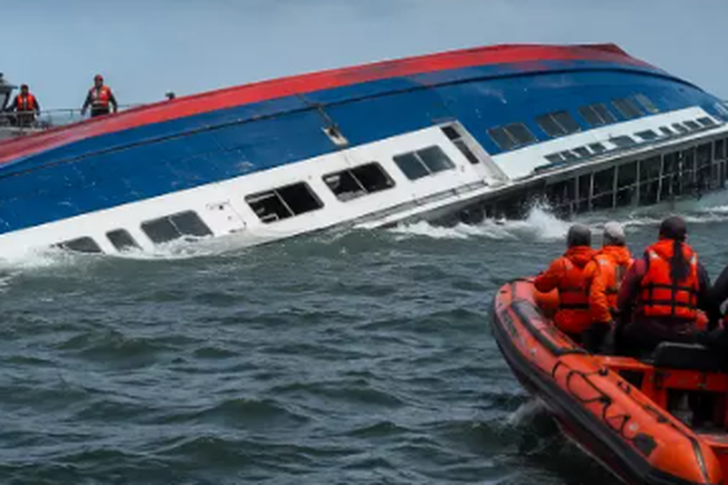
Dozens of people are missing in Guyana, South America, aft...

The African swine fever virus has broken out in seven coun...
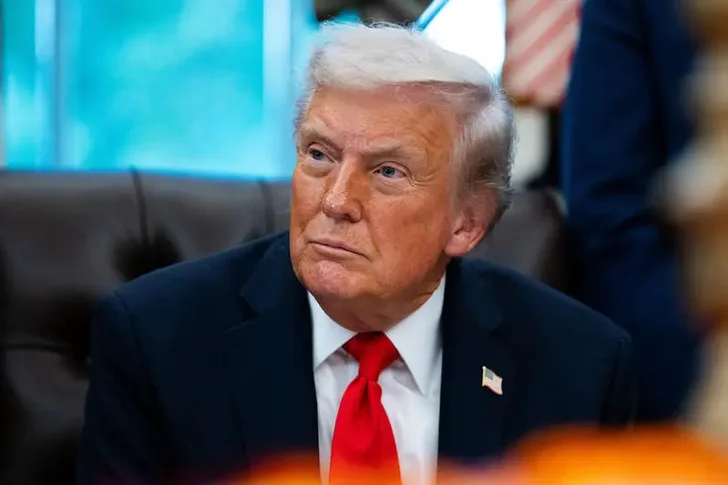
US President Donald Trump will meet next week with his Leb...
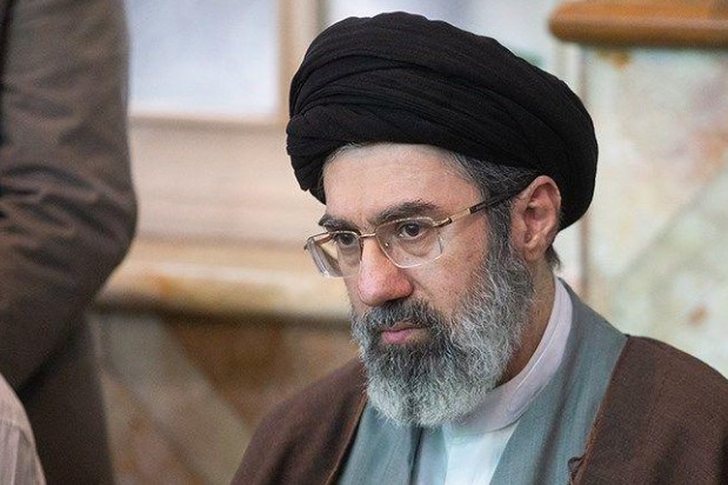
Saudi media outlet 'Al Hadath' reported this Sunday, citin...

A magnitude 5.1 earthquake with an epicenter in Chupaca st...
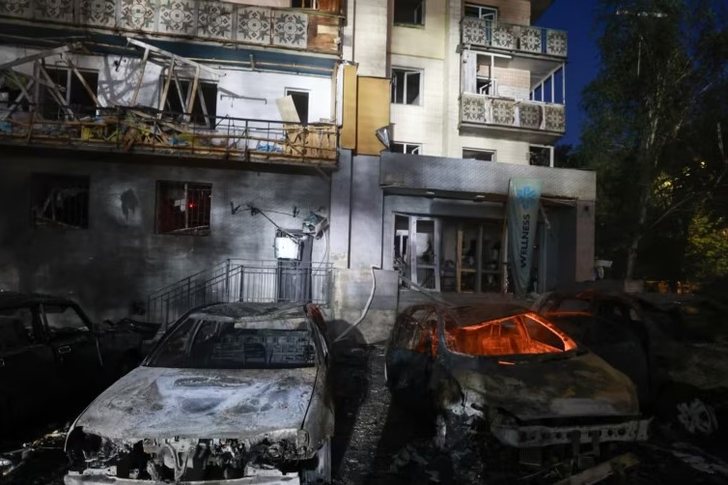
Russia carried out one of the largest ballistic missile at...
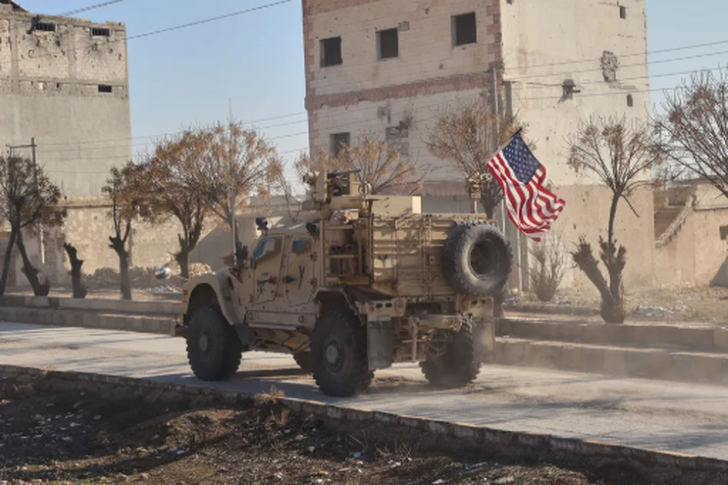
Two American soldiers were killed in Jordan during Iranian...
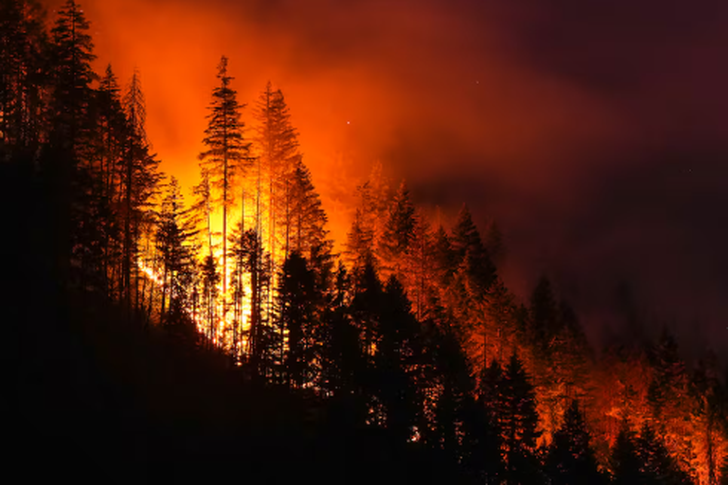
Smoke from massive wildfires in Canada has blanketed much ...
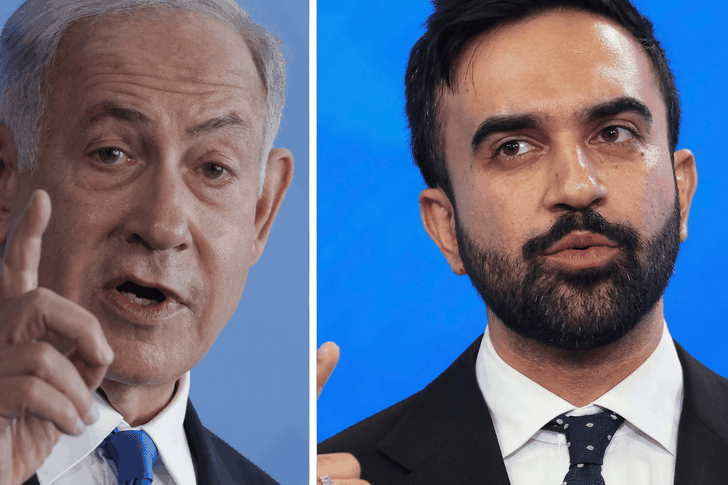
New York Mayor Zohran Mamdani said he is in talks about wh...
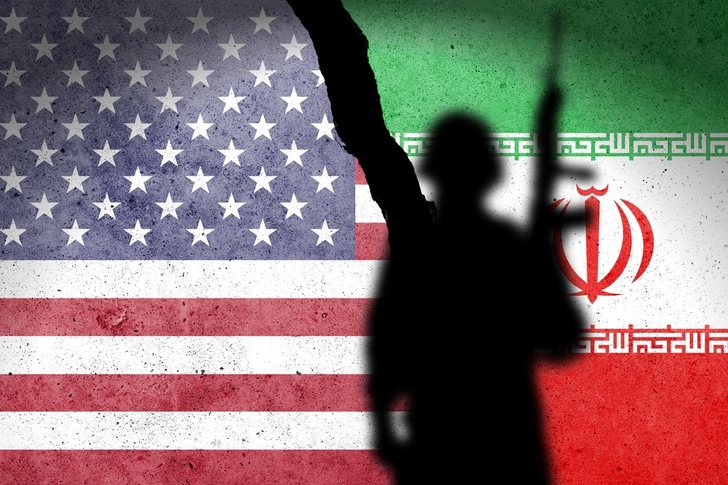
A fragile ceasefire between Iran and the United States is ...
Iran's Supreme Leader, Mojtaba Khamenei, vowed to teach th...

Hungary is considering lowering the voting age as part of ...
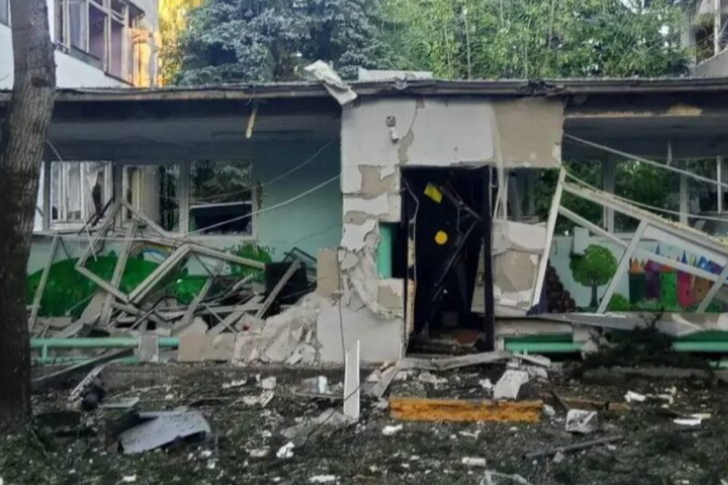
A series of Ukrainian drone attacks have killed seven ware...
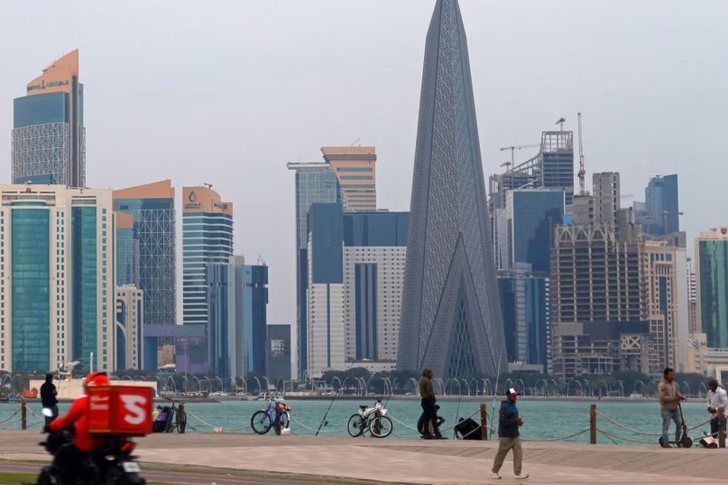
In a stark warning after the seventh night of US strikes a...
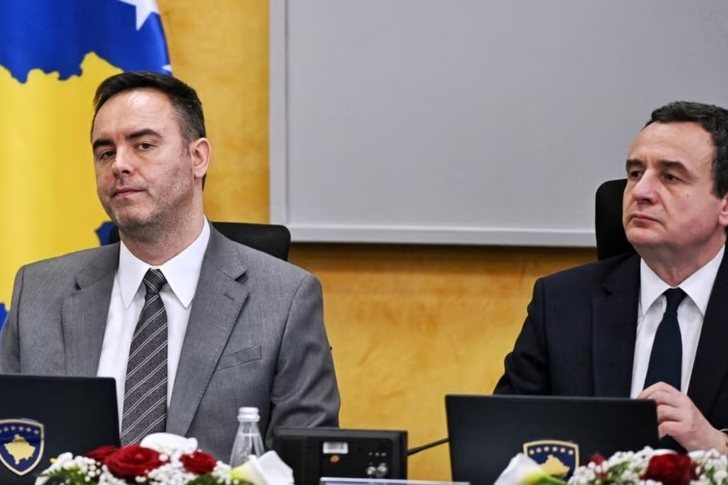
The Kosovo government has urged the European Union (EU) to...

Japan's parliament has approved a bill to ease the rules o...
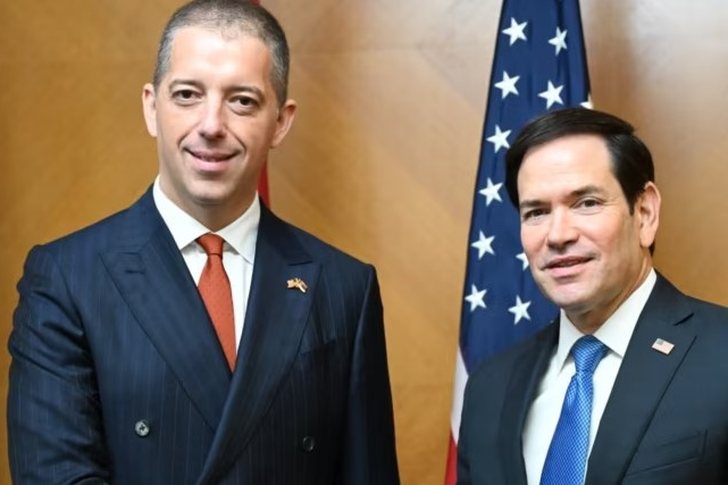
The Strategic Dialogue process between the United States a...
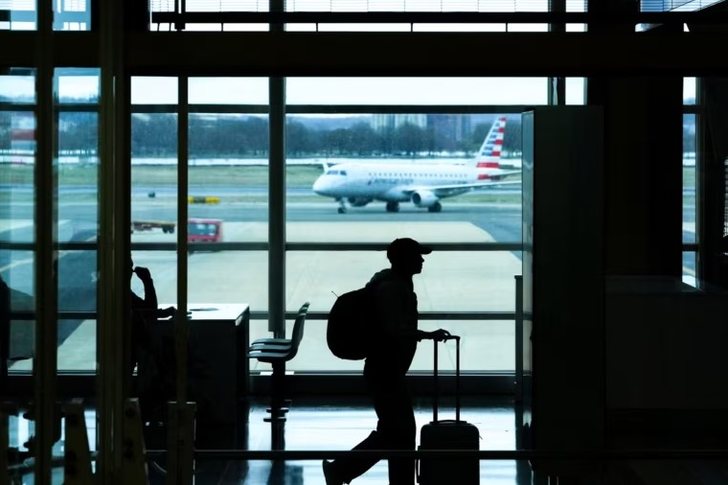
The Trump administration decided on Thursday to shorten th...
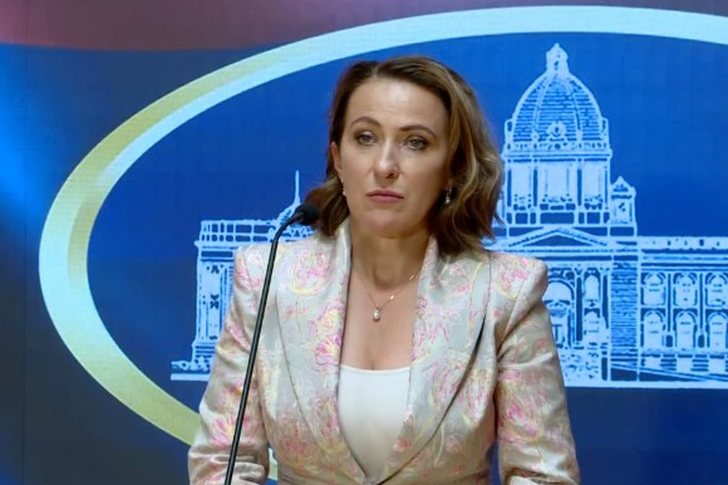
The Minister of State Administration and Local Self-Govern...

Irfan Hysenbelliu is a businessman that we call "Irfan the...

In March 2026, CNA launched another investigation centered...
The arrested mayor of Tirana, Erion Veliaj, with 13 charge...

CNA has uncovered the tentacles of the head of the Supreme...

The Special Board of Appeal (KPA) decided this Monday ...

The KPA vetting decided this Thursday to dismiss the p...

Suela Salavaçi, a prosecutor in the Prosecutor's Offic...

The Special Board of Appeal reinstated the prosecutor ...

A road accident occurred this Monday near Gramsh. As repo...

Three people have been arrested in Lezha after they forcib...
The Shkodra Court has imposed the security measure "House ...

Një ngjarje e rëndë raportohet se ka ndodhur në orët e par...
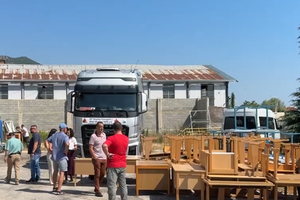
Another humanitarian aid shipment from Germany has arrived...
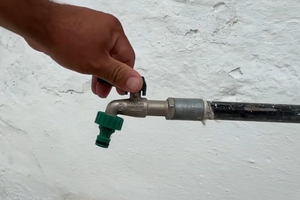
Residents of the village of Memëlisht in the Municipality ...

On Monday, our country will be under the influence of rela...

On Sunday, our country will remain under the influence of ...
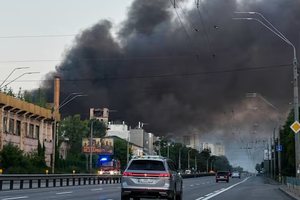
More than 400 Ukrainian drones were launched overnight tow...

The next British Prime Minister, Andy Burnham, aims to str...
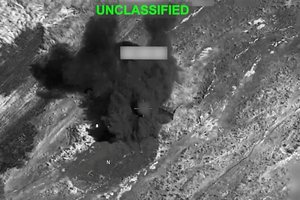
The United States Central Command (CENTCOM) said it has at...
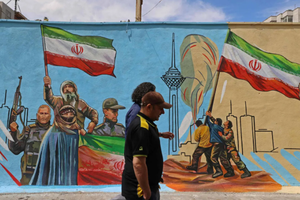
The ceasefire between the United States and Iran has essen...

At a time when industrial products are increasingly taking...

Trust among people is not just a three-syllable word. It c...

Master of humor Todi Llupi has passed away at the age of 7...

The ninth edition of "MIK Festival" kicked off with one of...

This Monday, one US dollar is bought for 81 lek and sold f...
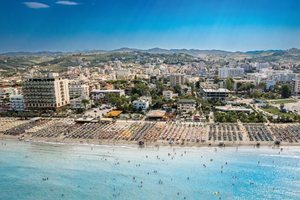
In Golem and Durrës, the season seems dynamic: buses with ...

This Sunday, one US dollar is bought for 81 lek and sold f...
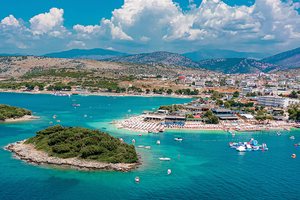
INSTAT statistics for May show an increase in tourism, wit...