

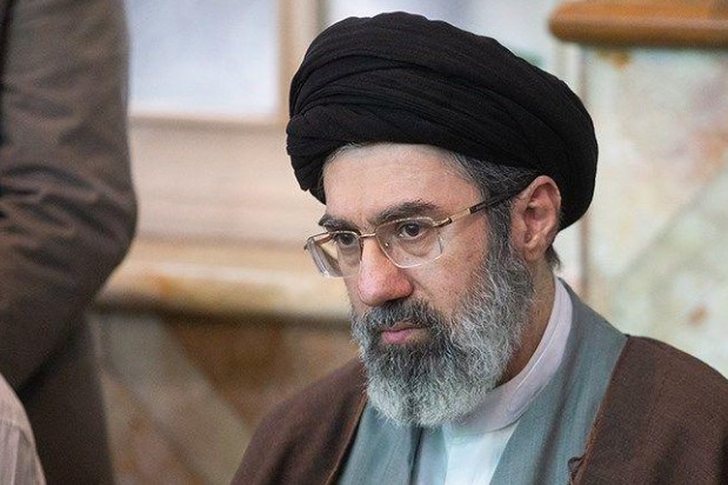
Khamenei vows: We will teach the US lessons they will never forget
Iran's Supreme Leader, Mojtaba Khamenei, vowed to teach th...


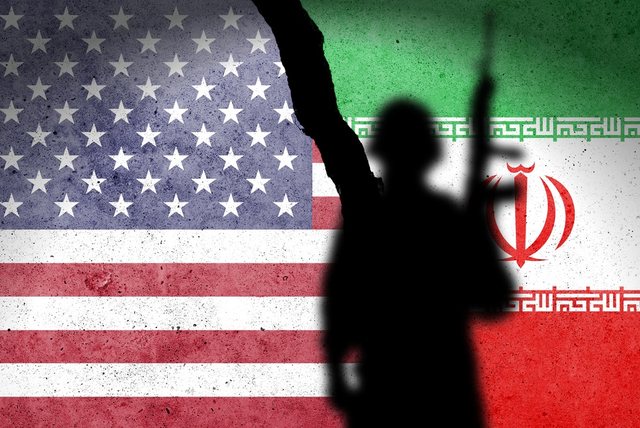
A fragile ceasefire between Iran and the United States is under increasing pressure as the Islamic Republic faces a growing clash between the new political leadership and the regime's most disaffected circles, who are now openly calling it a "coup", an analysis by the prestigious international network CNN highlights.
At the funeral of Supreme Leader Ali Khamenei in Tehran last week, Iranian President Masoud Peskov was booed by a group of people who chanted "Death to the submissive."
Elsewhere at the ceremony, Foreign Minister Abbas Araghchi, who negotiated the ceasefire deal with the Trump administration and helped secure the partial lifting of sanctions against Tehran, was forced to leave under security guard after being attacked with stones by an angry crowd that called him a "traitor."
The hostility towards senior officials reflects a theory that is gaining ground in the most extreme circles of the Iranian regime.
According to her, the politicians and military figures who negotiated and signed the agreement with Washington are trying to stage a "velvet coup", moving the country away from the revolutionary principles of the Islamic Republic, while the new Supreme Leader, Mojtaba Khamenei, remains virtually invisible in public life.
Hardliners argue that, rather than avenge the assassination of Ali Khamenei, government officials have "surrendered" to the United States, signing an agreement that they say violates the orders of his successor.
Mojtaba Khamenei has not publicly addressed the nation nor has he appeared to personally assert his authority, fueling rumors and intensifying internal conflicts.
Despite calls for national unity after the war, Ali Khamenei's funeral was turned into a show of force by the Islamic Republic's most intransigent supporters.
The crowd demanded immediate revenge for the death of the supreme leader and the resumption of hostilities with the United States, rejecting any form of agreement with Washington.
Their desire appears to have been strengthened after the fragile ceasefire collapsed, as the Islamic Revolutionary Guard Corps carried out attacks in the Strait of Hormuz, provoking American retaliation and reviving calls from extremists to abandon the deal altogether.
Even before the new clashes erupted, extremist circles had turned against the negotiators.
During a public ceremony, religious singer Mohammad Ali Bakhshi issued a direct threat to President Pezheskian:
"Mr. President, if the Leader's conditions are not met, then we, your blade, and your neck will be left. We will make you live in hell."
The threat of public assassination sparked a backlash, but Bakhshi does not appear to have faced any legal consequences.
The hard-liners are also targeting Mohammad Bayer Ghalibaf, a former Revolutionary Guard commander and head of talks with the United States.
According to his critics, he is trying to strengthen the role of the Supreme National Security Council at the expense of the Supreme Leader and parliament.
"This is the political coup they have planned and are implementing step by step," said hardline MP Kamran Ghazanfari.

Iran's Supreme Leader, Mojtaba Khamenei, vowed to teach th...
Hungary is considering lowering the voting age as part of ...
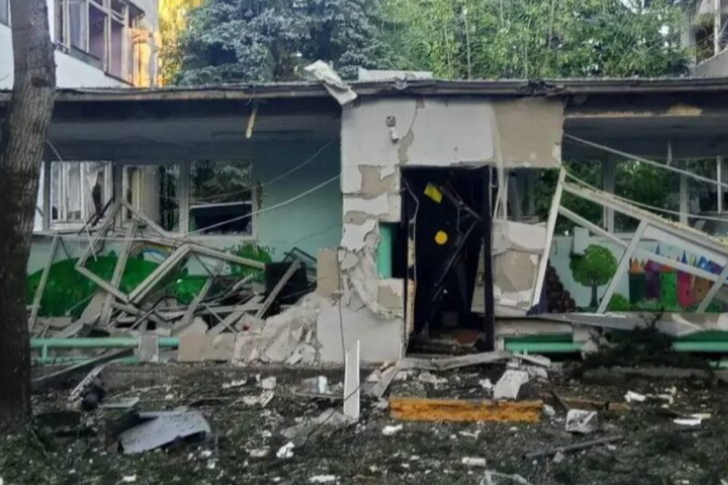
A series of Ukrainian drone attacks have killed seven ware...
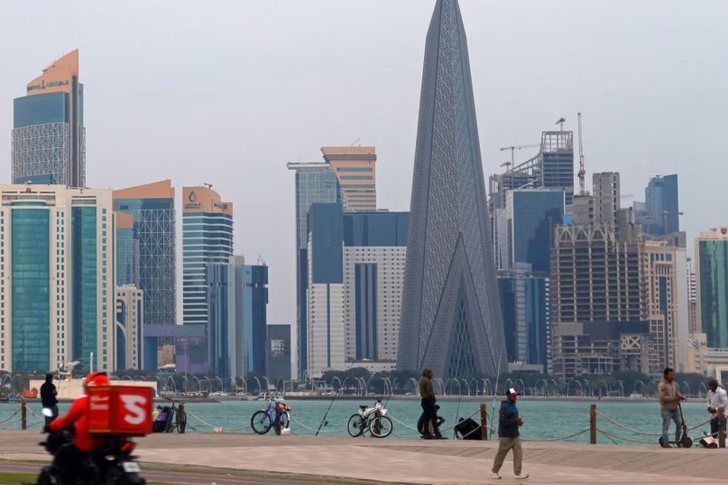
In a stark warning after the seventh night of US strikes a...
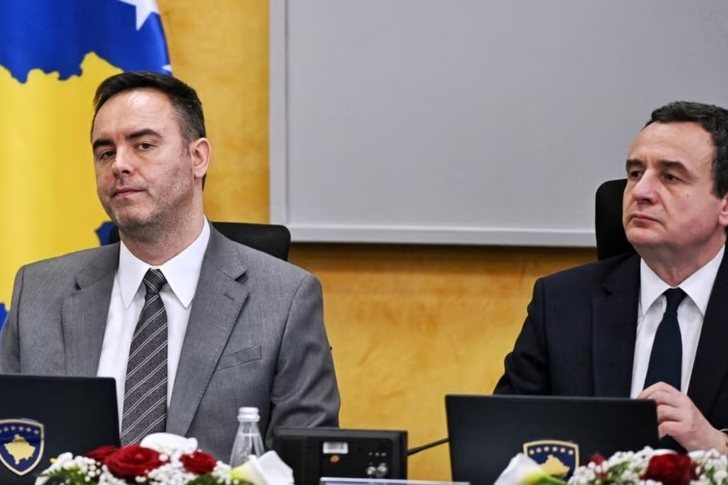
The Kosovo government has urged the European Union (EU) to...

Japan's parliament has approved a bill to ease the rules o...
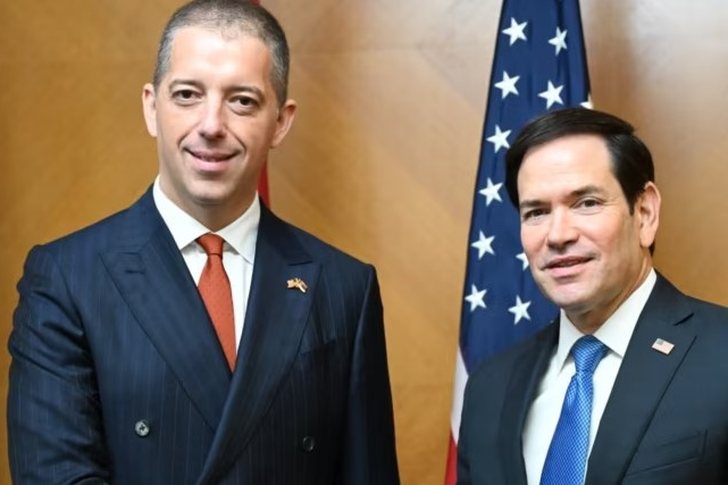
The Strategic Dialogue process between the United States a...
The Trump administration decided on Thursday to shorten th...
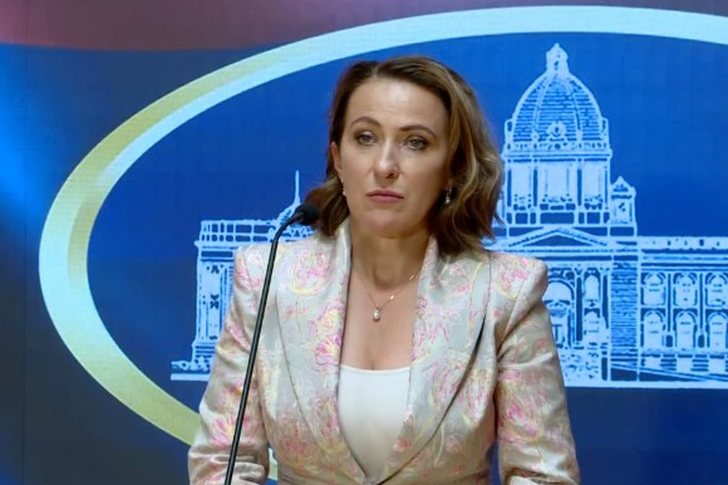
The Minister of State Administration and Local Self-Govern...
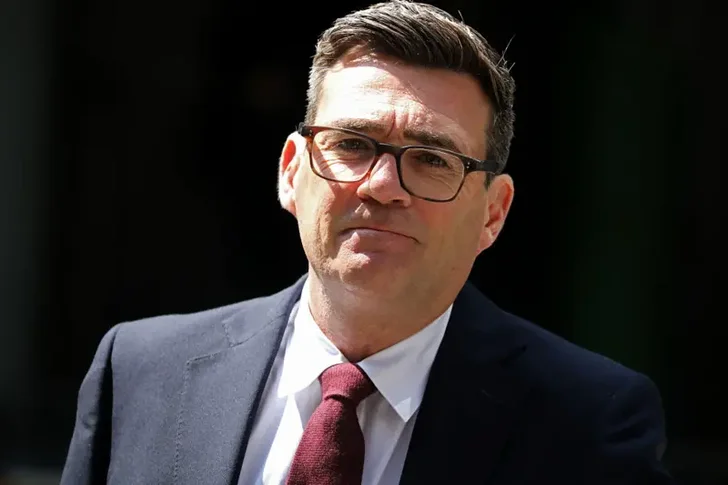
Andy Burnham has been officially declared the new leader o...
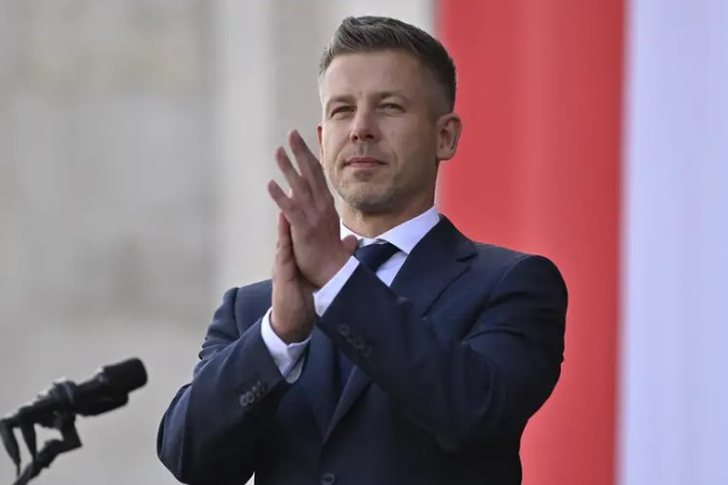
Viktor Orbán had taken measures in case he lost power — at...
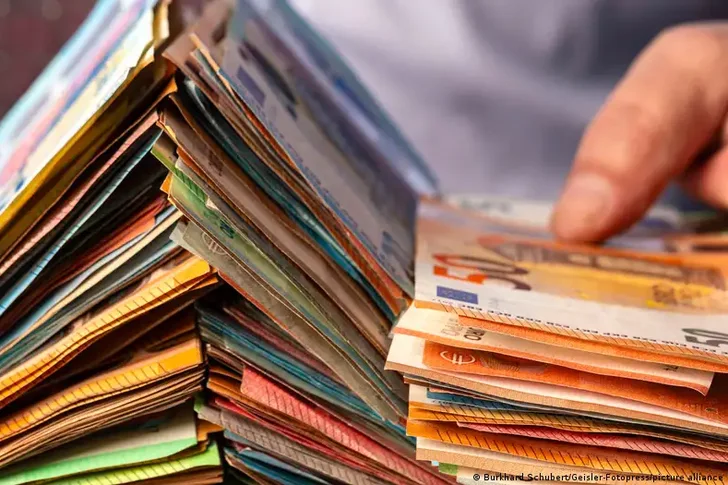
Anyone who examines the draft federal budget for 2027 and ...
Shtetet e Bashkuara thanë se janë në pritje të krijimit të...
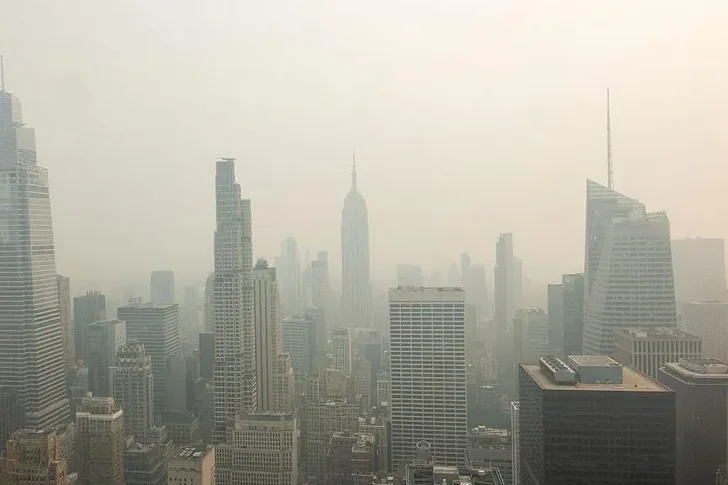
More than 800 wildfires continue to burn across Canada, wh...
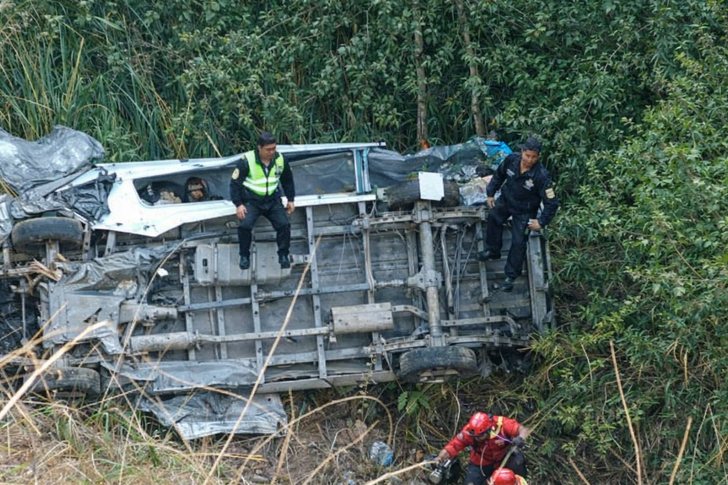
At least 14 people were killed and five others injured on ...
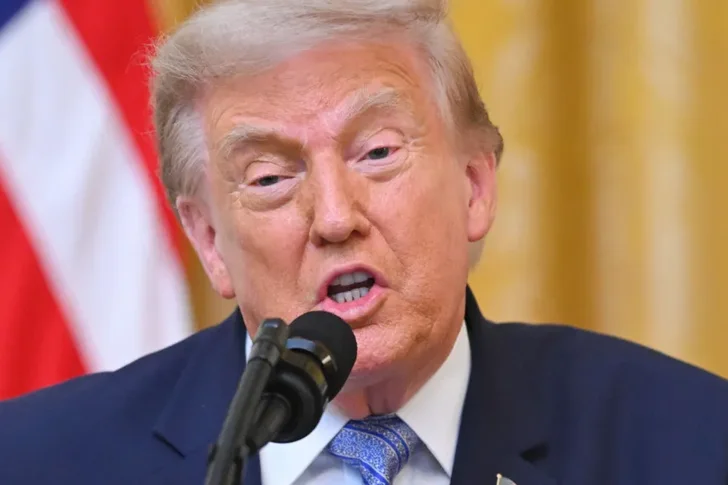
United States President Donald Trump delivered a speech fr...
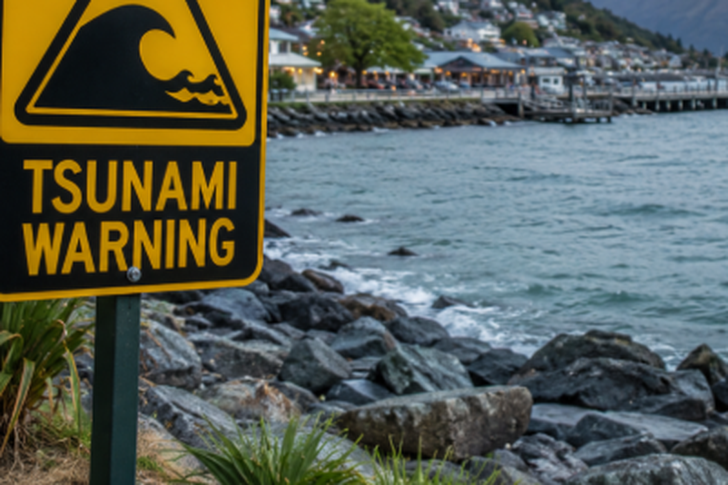
A magnitude 5.9 earthquake struck New Zealand's South Isla...
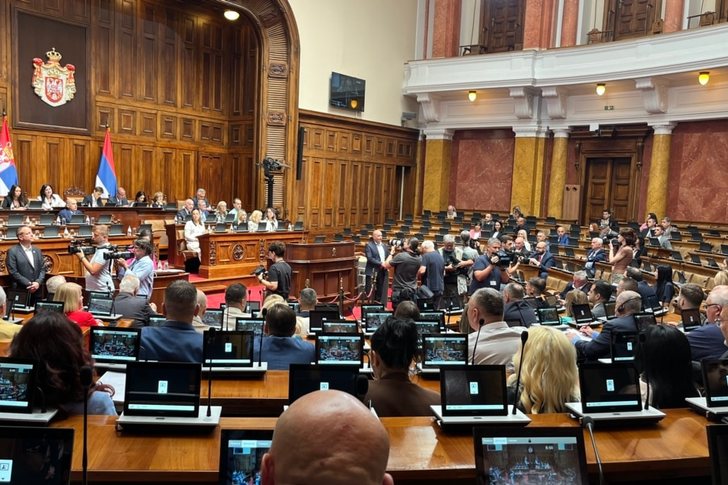
The only Albanian MP in the Serbian Parliament, Shaip Kamb...
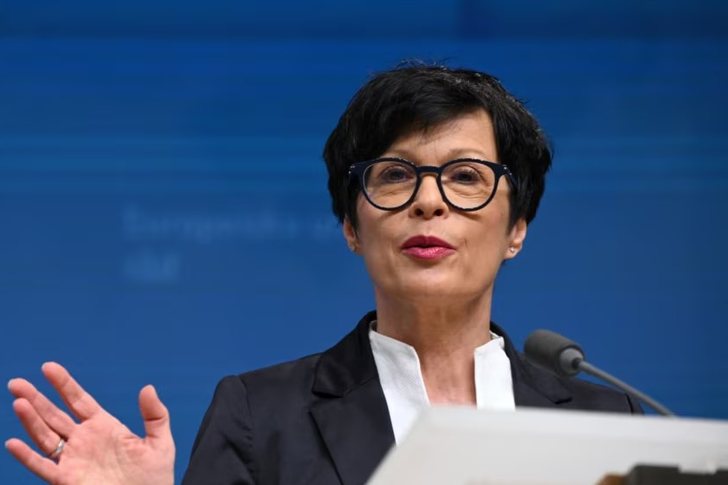
European Union Enlargement Commissioner Marta Kos has reac...
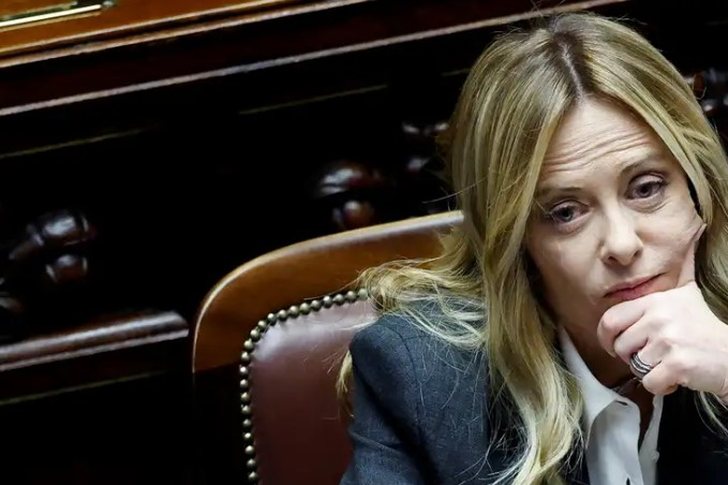
In the Chamber of Deputies (Camera dei Deputati) in Rome, ...
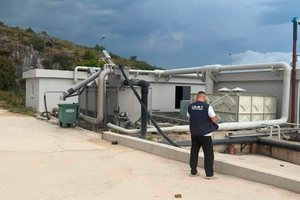
The company "Gjikuria" has been caught in several serious ...
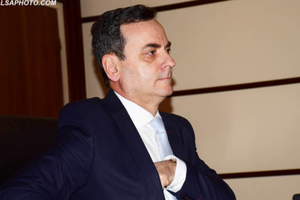
Sokol Sadushi's tentacles have touched the diplomatic syst...
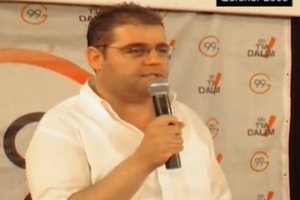
Another name listed in the group of 99 of Erion Veliaj...

The mayor of Tirana, Erion Veliaj, arrested on 13 charges ...

The Special Board of Appeal (KPA) decided this Monday ...

The KPA vetting decided this Thursday to dismiss the p...

Suela Salavaçi, a prosecutor in the Prosecutor's Offic...

The Special Board of Appeal reinstated the prosecutor ...

Two German tourists were rescued through a search operatio...
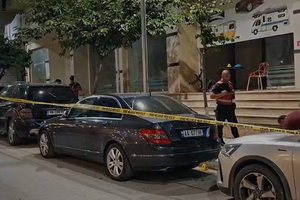
A motorcycle found today in Saranda has raised suspicions ...
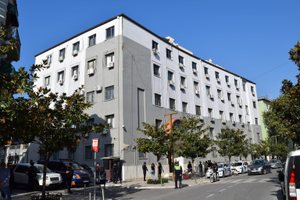
The Durrës Court has jailed the director of the Albanian P...

The Trafficking Investigation Section has finalized the po...

The World Health Organization described extreme heat in Eu...

Systematically in the last 15 years, circulatory system di...
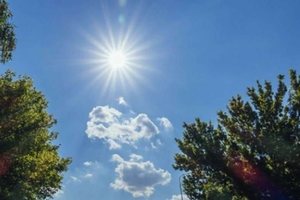
Today, our country will remain under the influence of stab...

On Friday, our country will remain under the influence of ...
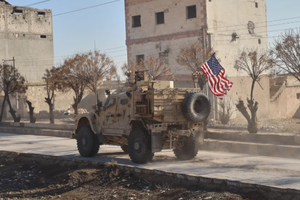
Two American soldiers were killed in Jordan during Iranian...
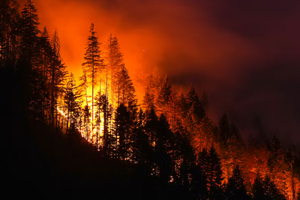
Smoke from massive wildfires in Canada has blanketed much ...
New York Mayor Zohran Mamdani said he is in talks about wh...
A fragile ceasefire between Iran and the United States is ...

Master of humor Todi Llupi has passed away at the age of 7...

The ninth edition of "MIK Festival" kicked off with one of...
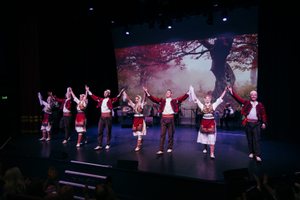
A historic evening for Albanian culture was marked in the ...

When I turned 10, another building was built in front of o...
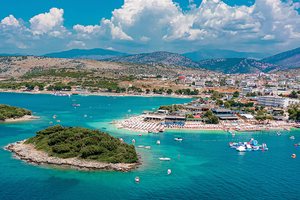
INSTAT statistics for May show an increase in tourism, wit...

Albania needs higher wages, but more than that. It needs a...

This Saturday, one US dollar is bought for 81.2 lek and so...

The Albanian economy continued to expand in early 2026, bu...