

DASH: Dialogu Strategjik me Kosovën kur të përmbushen kushtet dhe zotimet ndaj serbëve
Shtetet e Bashkuara thanë se janë në pritje të krijimit të...



Anyone who examines the draft federal budget for 2027 and the revenue and expenditure projections for the coming years will be faced with worrying figures. With planned spending of around 555 billion euros, Germany is expected to take on around 200 billion euros in new debt next year. The situation is not optimistic and better for the following years either.
It is no wonder that the federal government is seriously considering new ways to increase revenue. In this context, the billions that the state loses every year due to tax and financial crimes are striking. There are no exact figures, but experts estimate that the losses amount to between 100 and 200 billion euros per year.
Even if only a portion of these amounts could be recovered through more effective controls and stricter penalties, this would benefit the federal government, the states, and municipalities, as their budgets are financed almost entirely by tax revenues.
Police, tax inspectors and customs will cooperate more closely
"The majority of citizens in this country pay their taxes, naturally, reliably and without fuss," said Federal Justice Minister Stefanie Hubig (SPD) in Berlin. "But there are also those who hide their income from the tax authorities."
This includes working without legal contracts, tax evasion abroad, shell companies, secret funds and various forms of fraud. "Schemes that have only one purpose: to deceive the tax administration."
Together with Federal Finance Minister Lars Klingbeil (SPD), Hubig has drawn up a 26-point action plan to combat tax fraud and money laundering more effectively. A "Joint Center for Tax and Financial Crime" will be established within the customs authorities. 1,500 new jobs are planned to coordinate investigations, analyses and prosecution of money laundering and tax crime cases.
Artificial intelligence against cover people
"A core part of this center will be a new data analytics center," Klingbeil said. "Artificial intelligence will help analyze large amounts of data, unravel complex company structures, and better identify people who are being used as fronts."
State tax inspectors, the Federal Criminal Office and customs financial investigators will cooperate more closely in important procedures. "No one should be sure that they will not be discovered," said Klingbeil. "The honest should not be the ones who lose. Tax fraudsters who enrich themselves through criminal methods should not go unpunished."
The Cum-Ex Scandal
Në Gjermani ka ndodhur për shumë vite pikërisht e kundërta. Një shembull është skandali i njohur Cum-Ex. Për më shumë se dhjetë vjet, shteti lejoi që tatimet mbi dividendët e aksioneve, të paguara një herë ose aspak, të rimbursoheshin disa herë. Vetëm pas vitit 2011 ky skandal çoi në hetime të shumta, procese gjyqësore dhe debate politike mbi përgjegjësinë e bankave, investitorëve dhe institucioneve mbikëqyrëse.
Vetëdeklarimi për shmangien e dënimit nuk duhet të mbetet kaq i lehtë
Një çështje tjetër që diskutohet vazhdimisht është mundësia e vetëdeklarimit për evazion fiskal, i cili në Gjermani ekziston që nga viti 1919. Ideja ishte që tatimpaguesit të deklaronin vullnetarisht të ardhurat e fshehura, në mënyrë që shteti të mund të arkëtonte taksat e papaguara.
Kjo rregullore luajti një rol të madh pas vitit 2008, kur gjithnjë e më shumë gjermanë u zbuluan se mbanin pasuri të padeklaruara në llogari bankare anonime jashtë vendit.
Vetëm gjatë viteve 2011 dhe 2012 pati rreth 30.000 vetëdeklarime, pasi autoritetet gjermane blenë CD me të dhënat e klientëve gjermanë në bankat zvicerane. Ata që kishin frikë se do të zbuloheshin, zgjodhën të paraqiteshin vetë në administratën tatimore, të deklaronin llogaritë dhe të paguanin taksat e prapambetura.
Socialdemokratët kanë qenë gjithmonë kritikë ndaj kësaj praktike. "Kriminelët nuk duhet të mund të blejnë kaq lehtë lirinë e tyre", tha Klingbeil.
"Porsche dhe Rolex do të jenë të konfiskuara"
Klingbeil dhe Hubig kërkojnë gjithashtu ndëshkime më të rënda për veprat veçanërisht të rënda. Dënimi maksimal për krimin tatimor të organizuar në banda pritet të rritet nga 10 në 15 vjet burg.
Për më tepër, format e rënda të krimit tatimor do të klasifikohen sërish si krime të rënda, me një dënim minimal prej një viti burg.
Plani i veprimit parashikon gjithashtu më shumë mundësi për konfiskimin e pasurive me origjinë të dyshimtë. Deri tani, kjo ishte e mundur vetëm pasi provohej një vepër konkrete penale, si pastrimi i parave, dhe pas një dënimi penal.
Në të ardhmen, doganat do të kenë të drejtë të konfiskojnë pasuri për një periudhë deri në 180 ditë. "Porsche-ja dhe Rolex-i do të jenë të konfiskuara për momentin. Kjo do t'i godasë fort autorët", tha Klingbeil. Personat e prekur do të duhet të provojnë se i kanë fituar ligjërisht këto pasuri.
Kontrolle më të rrepta në botën digjitale dhe atë reale
Rregulla të reja priten edhe për blerjen dhe shitjen e kriptomonedhave. Aktualisht, fitimet janë të përjashtuara nga tatimi nëse midis blerjes dhe shitjes kalon më shumë se një vit. Kjo mund të ndryshojë.
"Do të vendosim gjithashtu analiza të blockchain-it", tha Klingbeil. "Kriminaliteti tatimor në hapësirën digjitale po i shmanget gjithnjë e më shumë metodave tradicionale të hetimit dhe ne duhet të reagojmë."
But the state also wants to take a closer look at traditional businesses, especially those that handle large amounts of cash. From 2028, any business with an annual turnover of over 100,000 euros will be required to use cash registers. This will affect, for example, jewelry and antique dealers.
One billion euros of additional revenue planned for 2027
The action plan should be included in the legislative process as soon as possible. The first results are expected to be available as early as August.
According to Klingbeil, the measures were largely coordinated with the coalition partner CDU/CSU. "I am fully convinced that everyone in the coalition sees it this way and there is no disagreement on this point."
In the budget planning for 2027, the Minister of Finance already counts on additional revenue of one billion euros from the fight against tax crime, but he believes that the amount could be much larger.
Positive feedback
The non-governmental organization Finanzwende welcomed the plans of the Social Democratic ministers. According to it, the fight against tax fraud is being taken more seriously and is being pushed forward more decisively. Now, according to the organization, the plans must be accompanied by concrete actions.
The opposition Green party also reacted positively. According to them, the government has presented a very important package of reforms. However, the CDU/CSU and the states should not fall prey to pressure from interest groups that may demand the weakening of these measures. /DW

Shtetet e Bashkuara thanë se janë në pritje të krijimit të...

More than 800 wildfires continue to burn across Canada, wh...

At least 14 people were killed and five others injured on ...

United States President Donald Trump delivered a speech fr...

A magnitude 5.9 earthquake struck New Zealand's South Isla...
The only Albanian MP in the Serbian Parliament, Shaip Kamb...

European Union Enlargement Commissioner Marta Kos has reac...

In the Chamber of Deputies (Camera dei Deputati) in Rome, ...
US Secretary of State Marco Rubio has significantly escala...

The United States has launched a new wave of attacks on Ir...
The leader of the Democratic League of Kosovo, Lumir Abdix...

President Donald Trump has opposed the immigration agency'...
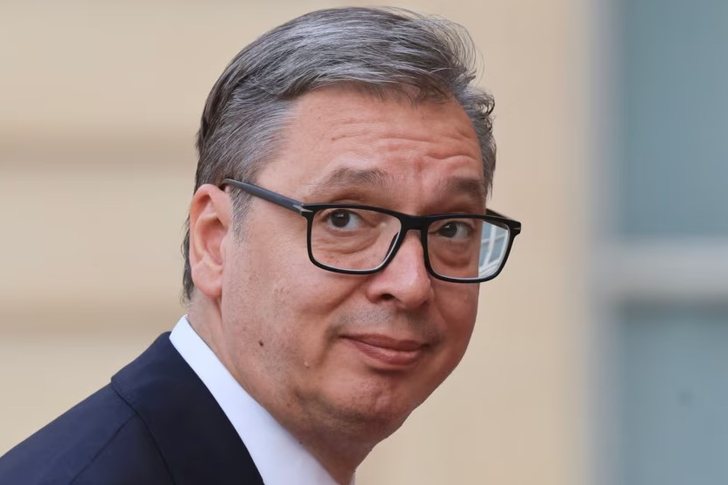
Serbian President Aleksandar Vučić said on July 15 that th...

Electricity was restored in Cuba today, after a third outa...
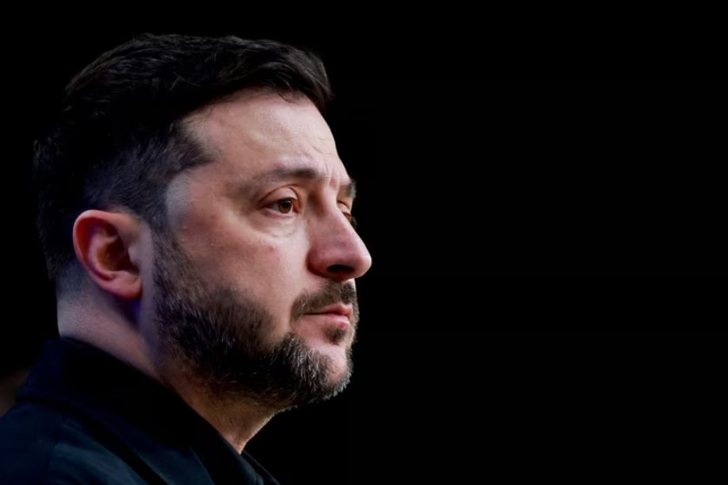
Ukraine expects to have the technical capability to produc...
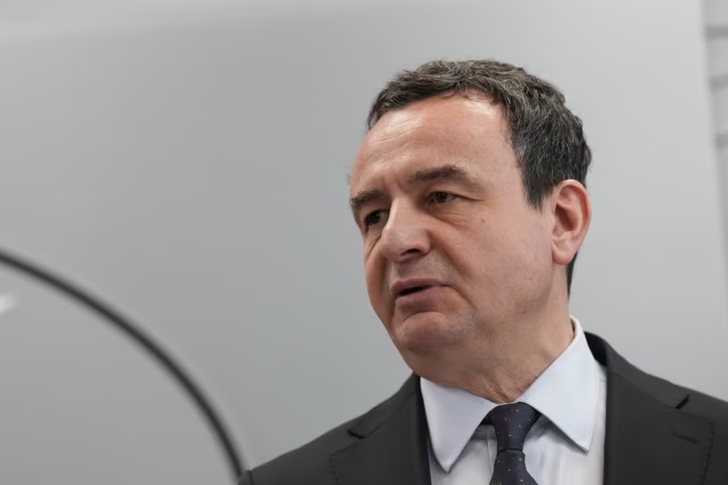
Kryeministri në detyrë i Kosovës, Albin Kurti, ka thënë të...

US President Donald Trump said he still believes Russian c...

Tensions between the United States and Iran have escalated...

The President of the European Commission, Ursula von der L...
The elected MP of the Democratic League of Kosovo (LDK), A...

The mayor of Tirana, Erion Veliaj, arrested on 13 charges ...

Qytetarët që kalojnë pasditen pranë Liqenit Artificial në ...
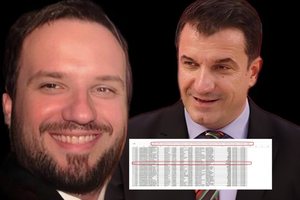
On the morning of July 7, 2026, the Ministry of Culture ur...

After the disclosure of the portfolio of properties an...

The Special Board of Appeal (KPA) decided this Monday ...

The KPA vetting decided this Thursday to dismiss the p...

Suela Salavaçi, a prosecutor in the Prosecutor's Offic...

The Special Board of Appeal reinstated the prosecutor ...
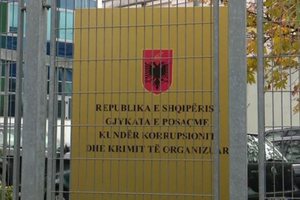
The Special Court's appeal has upheld the 28-year prison s...

A serious accident occurred this afternoon on the Elbasan-...

The Police Supervision Agency has arrested two police offi...

The 18-year-old who stabbed a citizen in the premises of t...

On Friday, our country will remain under the influence of ...

Demographic trends in Europe are revealing a new complex r...

Today, our country will remain under the influence of stab...
Today, our country will remain under the influence of stab...

Anyone who examines the draft federal budget for 2027 and ...

Shtetet e Bashkuara thanë se janë në pritje të krijimit të...

More than 800 wildfires continue to burn across Canada, wh...

At least 14 people were killed and five others injured on ...

Master of humor Todi Llupi has passed away at the age of 7...

The ninth edition of "MIK Festival" kicked off with one of...

A historic evening for Albanian culture was marked in the ...

When I turned 10, another building was built in front of o...

Oil prices have risen again in recent days on internationa...

This Friday, one US dollar is bought for 81.2 lek and sold...

Around 97,100 people are employed in regulated professions...

Albania continues to be the main destination for vacatione...