

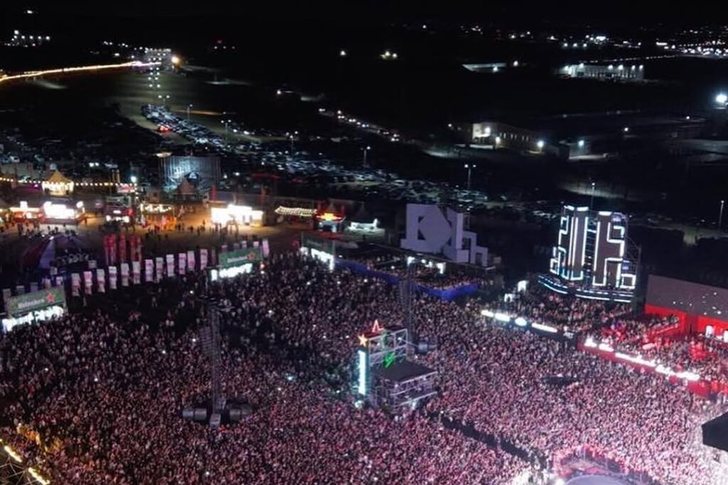
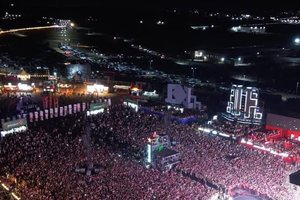
Sunny Hill publishes prices/ Three-day tickets from 195-800 euros
For three days of festival, up to 120 euros just for parki...


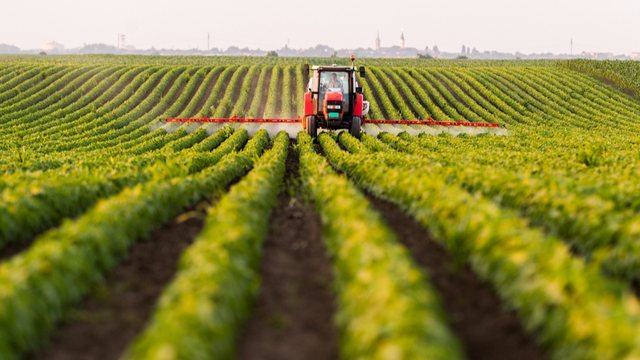
The Albanian economy continued to expand in early 2026, but the pace of growth slowed and some of the main manufacturing sectors remained in difficulty.
According to the European Commission's quarterly report on candidate and potential candidate countries, Albania's Gross Domestic Product grew by 3.7% in the first quarter of 2026, from 4% in the previous quarter.
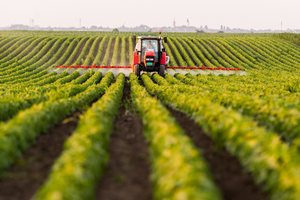
Growth was mainly supported by private consumption, public administration, education, health, real estate and construction. In contrast, industry and agriculture continued to make a negative contribution to the economy.
Private consumption grew by 3.9%, but investment slowed significantly, to 3.9% from 10% at the end of last year.
Exports of goods recovered by 28% in real terms, helped by a low comparison base, while exports of services increased by 5%. However, the increase in imports offset the positive effect and the contribution of net exports to the economy remained almost neutral. The report also shows mixed signals from the labor market. Unemployment rose slightly to 9.4%, while youth unemployment reached 16.9%.
Net emigration of nearly 28,500 people in 2025 continued to tighten the labor supply. On the other hand, the average gross wage increased by 9.6%, to 90,119 lekë, significantly faster than inflation. Inflation accelerated to 3.2% in June, exceeding the Bank of Albania's 3% target. Prices were mainly affected by food, housing, energy and transportation.
At the same time, the lek continued to strengthen against the euro, reaching an average of 95.3 lek per euro in the second quarter. Public finances performed better. In the first five months of the year, budget revenues increased by 11.2%, while expenditures by 7.4%. The budget recorded a surplus of 1.9% of expected annual GDP and public debt decreased to 48.8% of GDP.
Western Balkans accelerates growth, but remains dependent on consumption
Overall, the Western Balkans economy improved in the first quarter. The region's weighted average growth accelerated to 3.2%, from 2.7% at the end of 2025, marking the highest pace since the fourth quarter of 2024.
Kosovo recorded the highest growth, at 5.4%, followed by Albania at 3.7%, Serbia at 3.2%, North Macedonia at 3.1%, Montenegro at 2.6% and Bosnia and Herzegovina at 2.2%.
However, growth in most of the region was mainly supported by household consumption, driven by rising wages. Investment slowed down almost everywhere, with the exception of Montenegro. Foreign trade also presented a mixed picture, with only Serbia and Kosovo making a positive contribution to net export growth.
One of the main issues highlighted by the report is the stalling improvement in the labor market. Unemployment rates stabilized in the first quarter, having reached their lowest levels in 2025, but annual employment was declining in most countries.
Unemployment ranged from 8.9% in Serbia to 11.5% in North Macedonia and remained above the European Union average.
Labor force shrinkage, emigration, and worker shortages are gradually becoming structural constraints on the region's economies. Rapid wage growth supports consumption, but can increase costs for businesses, especially when not accompanied by the same pace of productivity growth.
Inflationary pressures increased during the second quarter. Inflation was relatively low at the beginning of the year, but accelerated in April and May, particularly in North Macedonia, Bosnia and Herzegovina, and Kosovo, where it exceeded 5% on average.
The price increase was driven mainly by food and energy, indicating that the global situation continues to be transmitted to the Western Balkan economies through import costs.
This trend could weaken household purchasing power and limit consumption, currently the main engine of growth in the region. Pressures from energy and food also increase production and transportation costs for businesses.
The report also highlights a deterioration in budget positions in most economies. Revenues grew at a strong pace, but expenditures expanded even faster, mainly on social transfers, subsidies and, in some countries, capital investments.
Albania was the exception, recording a budget surplus in the first five months of the year. In other countries, budget balances worsened compared to the same period a year earlier./ Monitor

For three days of festival, up to 120 euros just for parki...
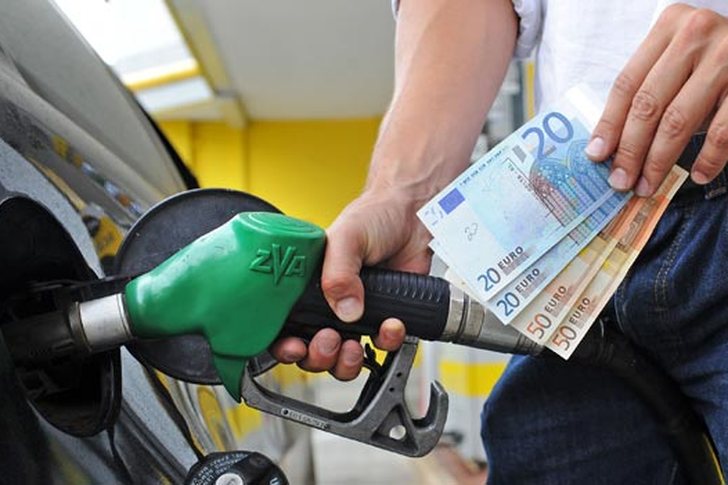
Oil prices have risen again in recent days on internationa...
This Friday, one US dollar is bought for 81.2 lek and sold...

Around 97,100 people are employed in regulated professions...
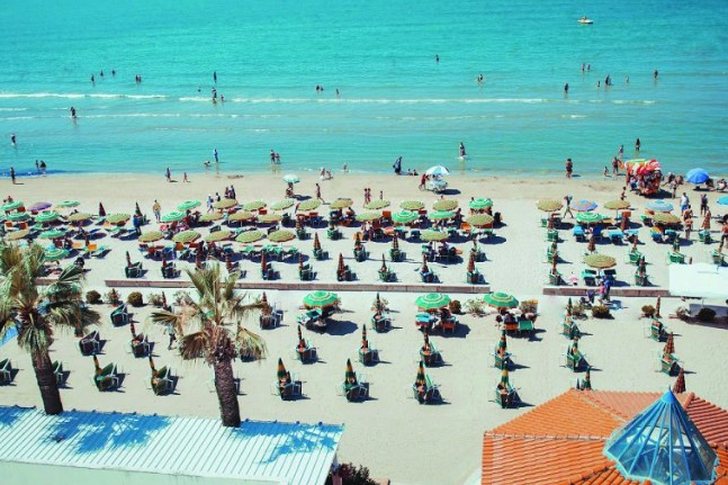
Albania continues to be the main destination for vacatione...
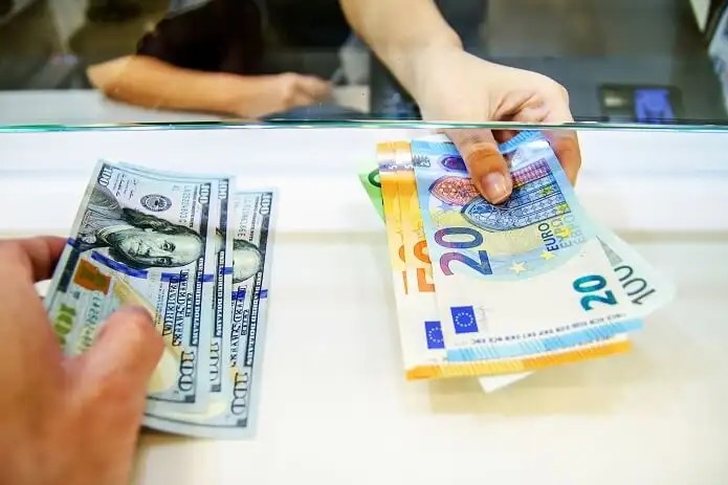
This Thursday, one US dollar is bought for 81.1 lek an...

Beekeeping has expanded significantly in recent years, bec...

Employment in 2025 was characterized by a slight decline a...
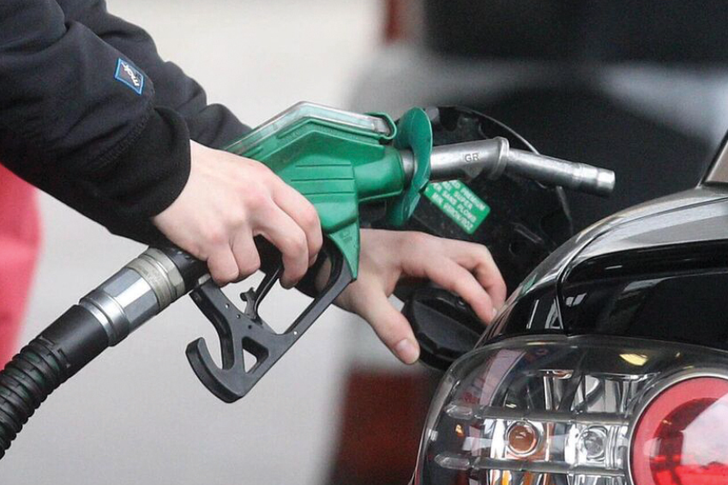
A few weeks after the dissolution of the Transparency Boar...
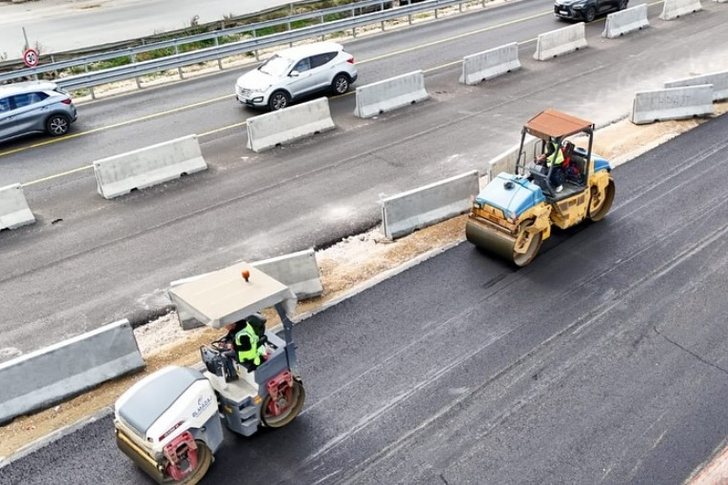
Albania, along with other Western Balkan countries, risks ...
Over the last 35 years, Albania has consistently faced a n...
This Wednesday, one US dollar is bought for 81.3 lek and s...

The number of foreign exchange offices declined in 2025, f...
In addition to the effect on the decline in demand for rea...
This Tuesday, one US dollar is bought for 81.5 lek and sol...

The tax administration has announced the completion of the...
Albania has lost almost a quarter of its population since ...
This Monday, one US dollar is bought for 81.5 lek and sold...
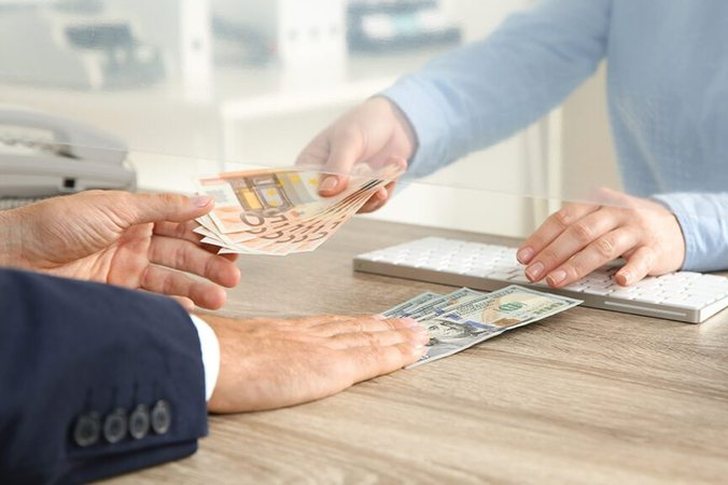
This Sunday, one US dollar is bought for 81.5 lek and sold...

The new old-age pensions in 2025 were on average 16,500 le...

The mayor of Tirana, Erion Veliaj, arrested on 13 charges ...

Qytetarët që kalojnë pasditen pranë Liqenit Artificial në ...
On the morning of July 7, 2026, the Ministry of Culture ur...
After the disclosure of the portfolio of properties an...

The Special Board of Appeal (KPA) decided this Monday ...

The KPA vetting decided this Thursday to dismiss the p...

Suela Salavaçi, a prosecutor in the Prosecutor's Offic...

The Special Board of Appeal reinstated the prosecutor ...
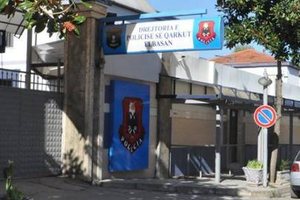
The suspected perpetrator attempted to kill a 59-year-old ...

Një nga personat e shpallur në kërkim për plagosjen e shte...

Two internationally wanted persons have been arrested in D...
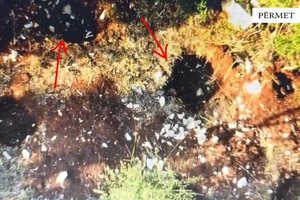
A person has been arrested in Përmet after he had adapted ...

On Friday, our country will remain under the influence of ...
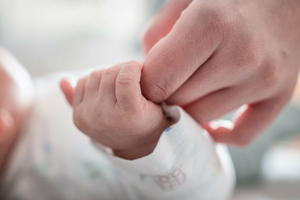
Demographic trends in Europe are revealing a new complex r...

Today, our country will remain under the influence of stab...
Today, our country will remain under the influence of stab...
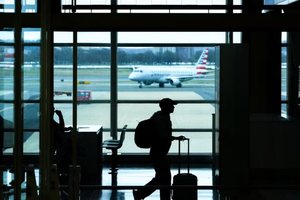
The Trump administration decided on Thursday to shorten th...
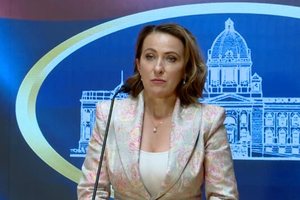
The Minister of State Administration and Local Self-Govern...

Andy Burnham has been officially declared the new leader o...

Viktor Orbán had taken measures in case he lost power — at...

Master of humor Todi Llupi has passed away at the age of 7...

The ninth edition of "MIK Festival" kicked off with one of...

A historic evening for Albanian culture was marked in the ...

When I turned 10, another building was built in front of o...
The Albanian economy continued to expand in early 2026, bu...
For three days of festival, up to 120 euros just for parki...
Oil prices have risen again in recent days on internationa...
This Friday, one US dollar is bought for 81.2 lek and sold...