


The perpetrator disguised in a mask and wig/ Details of the assassination in Elbasan are revealed
Three people were shot and wounded in Elbasan last night b...

Three people were shot and wounded in Elbasan last night b...

In addition to the invaluable artistic creativity in the field of photography, where Gjon Mili, who generated and moved forward a stream of several modern artistic genres, thanks to the creative application of new lighting technologies (stroboscopic) and the spaces it enabled for several typologies of innovative new forms of photography ("moving photos", "stroboscopic photos", "light drawings", "formless photography", etc.), as we have mentioned other times, he was also a writer, journalist and experienced memory. The Albanian public is mainly known for two of his major books in the form of catalogs and memoirs completely realized by him: "Picasso's Third Dimension", A Triton Press Publication, 1970 and "Gjon Mili: Photographs & Recollection" (John Mili: Photographs and Memories) New York Graphic Society Boston, 1980, which constitute a major and authentic artistic flow.
Sometimes another book has been clearly mentioned, which has not become known in Albania, even after the 1990s. past for completely subjective reasons. Not even in Kosovo. Even though this is the first work published as a book, it belongs to the year 1960 and is in catalog format (A4) with many photos and textual descriptions, as well as high quality in visual, graphic and photographic terms.
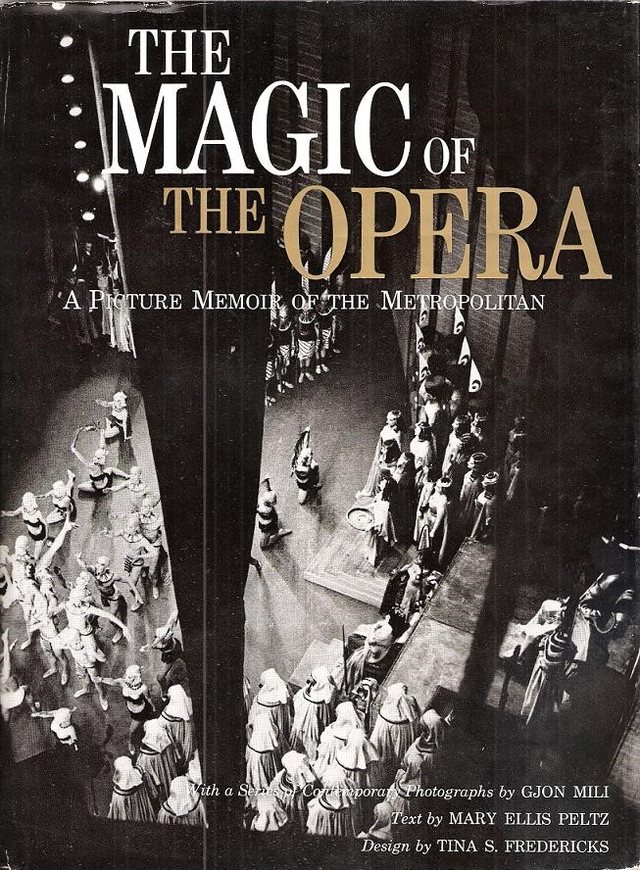
The work is called "The Magic of the Opera". (The Magic of the Opera), (published by Frederick A. Praeger, Inc., New York, in cooperation with the Metropolitan Opera Association, 1960.) As a feature is the fact that this book catalog was made by two co-authors: John MIli and Mary Ellis Peltz. Mili is the author of the photos, and Mary Ellis Peltz is the author of the text accompanying the photos and their captions. We do not know the history of the beginning, preparation, collaboration and publication of this book at the end of the 50s, at which time the photos of its interior were taken by Gjon Mili. We only know that during this time Gjon Mili continued to photograph and publish successfully for LIFE magazine, while co-author Mary Ellis Peltz was in charge of the New York Metropolitan Opera Archives and may have been the originator. In fact, she is also the author and co-author of several other books on the history of opera; once he was also a poet.
The work "The Magic of the Opera", as the title itself promises, is a simple visual and literary anthem, a simple, concise story, full of fluid lyricism, with humor, with very short texts that let the photographs speak longer with their universal language, with the visual language of a photographic poet, Gjon Milit, who, at the time he took these photos (the end of the 1950s), had achieved a special artistic authority and popularity and meritorious in the art of American and international photography.
According to the inscriptions on the front, the book is a "photographic memoir" of the Metropolitan Opera of New York. So, as in many other cases of Gjon Mili's publications, it is not the photo that "illustrates the text", but the text that "comments and interprets the photo", which means that of the two components, the photos of Gj. Mili remain the supreme ingredients of the work. However, without each other, there could hardly be such harmony. In this way, the book also constitutes a bivalent unity, where the photo and the text are transformed into a unique artistic binomial.
The history of opera in the World and America has its roots deep in time, its simple and initial forms since the end of the century. XVI (Daphne-1597, Euridice-1600) to traverse a long path of change, evolution, perfection. Throughout this long road, until the middle of the 19th century when photographic art was in its infancy and the ways of reflecting other arts (as well as opera) were done through engraving, painting, drawing, graphics, etc., there was no photo opportunities. Only in the century XX began photographic reflection through many difficulties and professional vicissitudes. Gjon Mili was one of these photographers who stood out for his craftsmanship, but also for the quality of his technology equipment. The first photographs of Gjon Mili's stage musical performances belong to the year 1940, published in LIFE magazine.1) (Keep off the Grass - High-Speed ??Cameras shoot New Revue, LIFE: July 8 1940, pp.52-54) Further , he has also published hundreds of other photos of important operatic musical stage events.
Just like the title, the book invites you to enjoy the magic of a great art, to enter the labyrinths of librettos, sophisticated music, scenographies and its behind-the-scenes where mythical, historical events and conflicts, wars, triumphs are protected with the yeast of musical and dramatic art. heroic, tragedy, murder, revenge, love, scandals, intrigue, betrayal, sublime sacrifices. And, behind them, composers, librettists, conductors, orchestrators, singers, dancers, painters, scenographers, philanthropists, managers, organizers, spectators stand on pedestals of fame and glory, all of them an elite of prominent intellectuals of the worldly European and American societies, often in fierce conceptual competition with one another.
The book has 172 pages; each, or in pairs they are illustrated with photos. (The first 55 pages with photos, some even with engravings, sketches, paintings, even the professional and social caricature do not belong to Gjon Mili). Although the book is an American publication2) (Published in the United States of America in 1960), it was printed in Germany3) (Printed in Germany: BOOKS THAT MATTER: The Magic of the Opera, p.4)
All 72 photos of this book, belonging to Gjon Mili (p. 56 – 159) are not published anywhere else, not even in LIFE magazine, where Mili published for more than 40 years. So, they were made exclusively for this work. Although the book is entirely artistic, as are the profiles and creative styles of its authors, it also has an encyclopedic, informative, humane, entertaining character, full of situations and spiritual clarity of artists, master musicians of composition, stage performance and vocals. , writers and scenographers, it is a figurative memory.
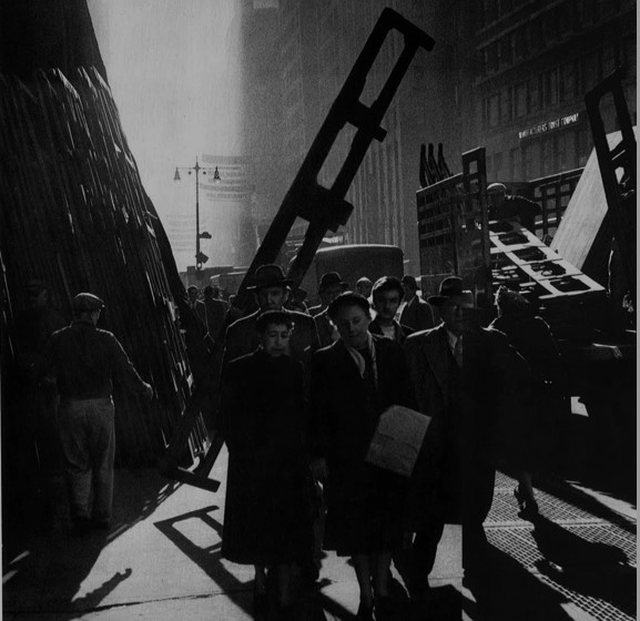
But it is and is like a panel, or an open exhibition, where you can stand in every square and find very easily and quickly where you are, that is, the reference point, the "milestone" in this journey of the highest multi-artistic collective form of the organized artistic combination of musical, orchestral, dramaturgical, vocal, dance, acting, performance, design, costumes and magnificent scenographies genres.
In order for the book not to be incomplete, partial, so that the history of the Metropolitan Opera in this work does not graphically lack that initial part of its activity when photography was not yet widely used in the world (1883) until it became possible, as well as the fact that Gj. Mili exercised his artistic activity there from 1938 onwards, the authors of the book have decided that the graphic illustration of this vacuum (with other graphic illustrations such as drawings, graphics, paintings, but also photographs provided mainly as "courtesy ” of the Metropolitan Opera Archives, New York.
In a broad sense, the history of the Metropolitan Opera is the history of American opera. In all 72 of famed photographer John Mill's magnificent new photos taken onstage during performances, backstage, and nostalgic backstage nooks and crannies of the grand old house—today, the magical world of opera in America is brought to life. with special power and beauty. 4)
(FREDERICK A. PRAEGER, A picture Memoir of the Metropolitan, Publishers 64 University Place, New York 3, NY, frontispiece)
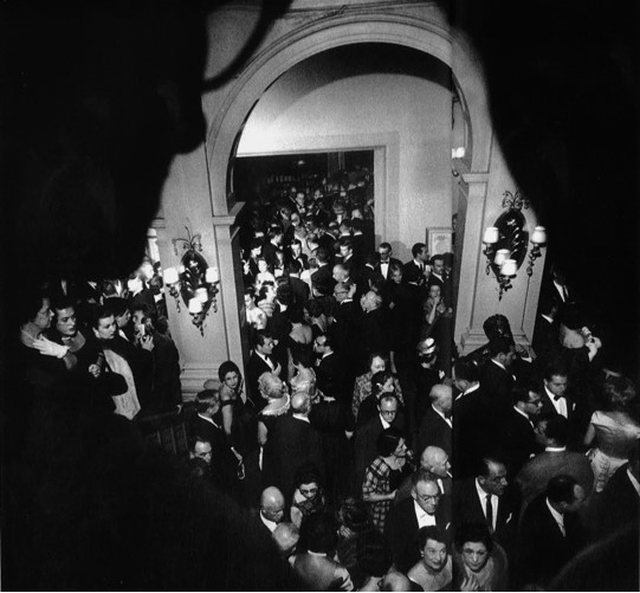
Konstruksioni kompozicional i librit ka 10 kollona, 10 pjesë që përkojnë me ngjarje, periudha dhe zhvillime të njëpasnjëshme sasiore e cilësore të Operës Metropolitane drejt krijimit, përsosjes, tranzicionit, triumfit, shkëlqimit, periudhës së artë, momenteve të mëdha, perspektivave të reja nëpërmjet fotove epike që mund t’i realizojë vetëm një artist si Gjon Mili.
Midis tyre fillimi i librit i kushtohet vitit 1883, pra inaugurimit të Shtëpisë së Operës ( Old Met, building on 39th and Broadway) dhe fundi i tij, vitit 1960, pra pas rreth 80 vitesh, kur kishin filluar përgatitjet për t’u transferuar në një godinë tjetër më modern (1966) ( Metropolitan Opera House at Lincoln Center, Upper West Side of Manhattan) e konceptuar si një kompani muzikore, në një kohë që arti operistik dhe simfonik skenik ishin transformuar dhe jetonin momente të reja e të mëdha.
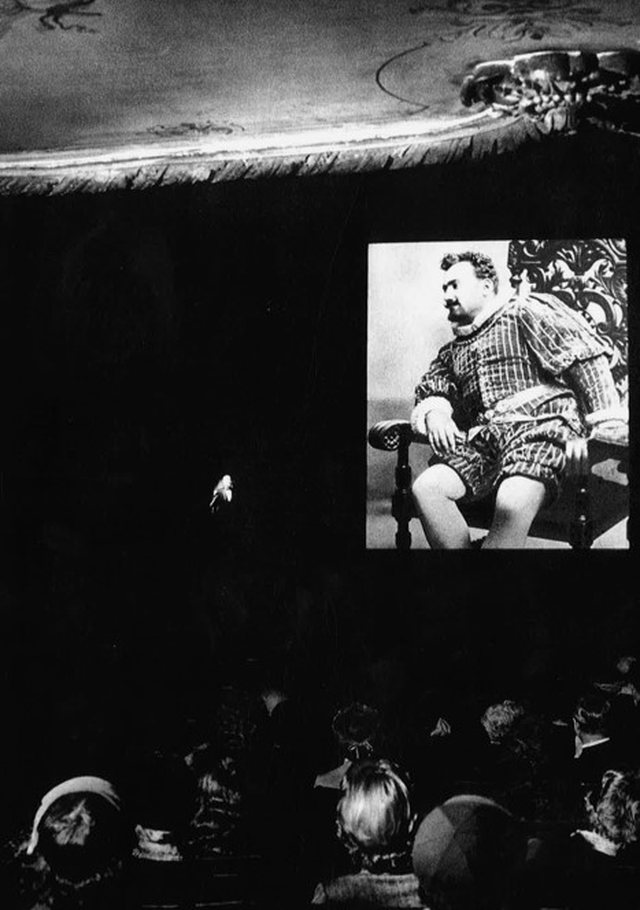
Një foto emblematike që çel serinë e fotove të Milit është ajo e momentit kur, me rastin e një aktiviteti të përvjetori të themelimit të Operës Metropolitane, nën interesin e shumë artdashësve, në një ekran të madh shfaqen portrete të interpretuesve të mëdhenj, ku Mili ka rrëmbyer atë të këngëtarit të madh italian Enrico Caruso.
Hap pas hapi, peirudha metropolitane moderne e Erës Bing, kur veprat e Alban Berg dhe Samuel Barber ndanë skenën me favoritë të tillë si Verdi dhe Puccini, zbulohet faqe pas faqeje nëpërmjet fotografive të pabotuara kurrë më parë nga Mili.
“Mjeshtëria e tij e mrekullueshme ka fokusuar skena të zgjedhura dramatike nga më shumë se një duzinë produksionesh metropolitane aktuale, madje ai ka shkuar prapa perdes së artë, të madhe e të rëndë për të vëzhguar (studiuar) punën komplekse të muzikës së bekuar, dramës, dhe vallëzimit që nevojitej për të krijuar perfeksionin operistik.”5)) (FREDERIICK A. PRAEGER, A picture Memoir of the Metropolitan, Publishers 64 University Place, New York 3, N.Y., frontispiece)
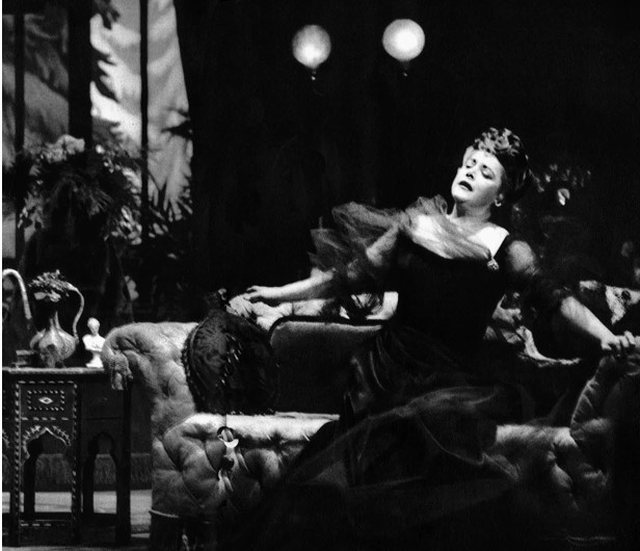
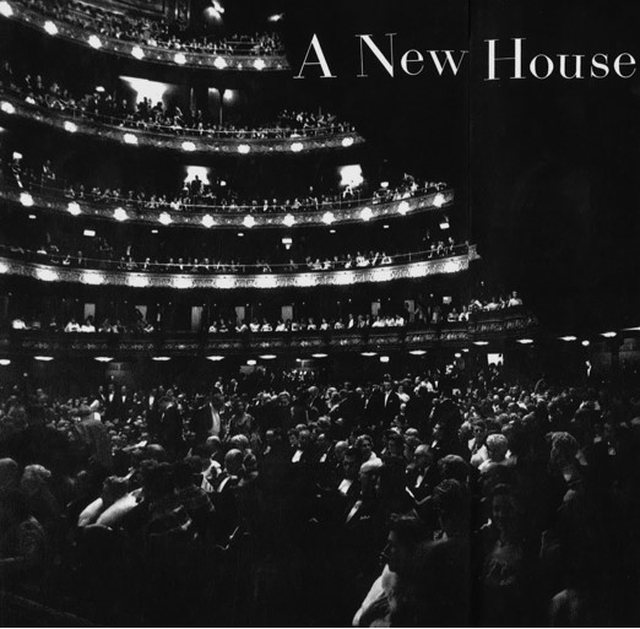
Pictures of an admirable craftsmanship, which include large and overcrowded spaces of the facade, entrance, or ticket offices where waiting in long lines is accompanied by photographic exhibitions of operatic stars, foyers, grand and solemn interiors of the public in plates, luxurious 5-story lodges, reserved for a privileged audience of the civic and cultural elite, uncomfortable nooks and crannies, where students and poor but passionate ordinary viewers squeeze in between the steam of sweat to gaze and enjoy a little bit of sacrifice the music, the libretto, the orchestra, the singers, the dancers, the opening and closing of the golden curtain, the breaks between the acts, etc., are some of the selections with a great representation of Gj. Milit. In this perspective, we find that especially for the book, Gjon Mili has photographed 18 different famous opera performances, among which "Lohengrin", "Tristan and Isolde" and "Die Meistersinger von Nuremberg" (Master Singers) by Richard Wagner; "Aida", "Macbeth", "La Traviata" and "Il Trovatore" by Giuseppe Verdi; "Madama Butterfly" and "Tosca" by Giacomo Puccini, "Così fan tutte" and "Nozze di Figaro" by Wolfgang Amadeus Mozart, "Carmen" by George Bizet, works by Samuel Barber ("Vanessa"), Pietro Mascagni ("Cavalleria Rusticana"), Johann Strauss II ("Gipsy Baron"), Modest Mussorgsky ("Boris Godunov"), etc.
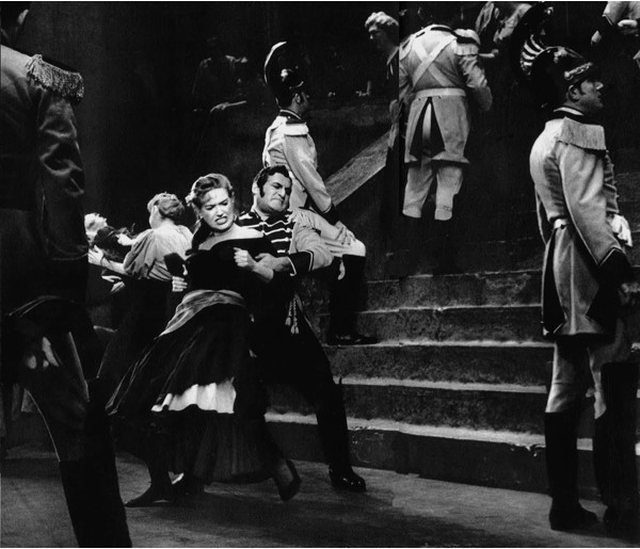
As a connoisseur and hunter of famous operatic artists, Gjon Mili has taken for this work photos of a high personalizing and generalizing artistic level of such operatic figures as Leonard Warren - the great American baritone who died performing on stage, Antony Tudor - director of the Metropolitan Ballet, Gloria Davy - singer, Cesare Siepi - bass singer, Aleksandra - Danilova prima ballerina, José Quintero - director of metropolitan shows, Erich Leinsdorf - conductor of the metropolitan orchestra, Antonietta Stella - singer, Licia Albanese - singer, Gian -Carlo Menotti - outstanding librettist, Thomas Schippers - conductor, Renata Tebaldi - soloist, Giulieta Simionato - singer, etc.
Exclusive antique, architectural, aesthetic, environmental value make up the photos that show views of the massive stage of the metropolitan building from the outside and its exotic interior, the magnificent stage and backstage, as well as the numerous staff studios. These remain, however, faint memories of great operatic events, since in 1966, after 83 years of operation of this "old house", the Metropolitan Opera Association decided to move its activity to another even bigger building, more suitable, where a new modern era of its activity and management would begin. The moments of the inauguration of this great arena, as well as many operatic and metropolitan ballet activities, Gjon Mili has followed and conveyed through hundreds of photos and dozens of publications in LIFE magazine, where he worked until the end of his life.
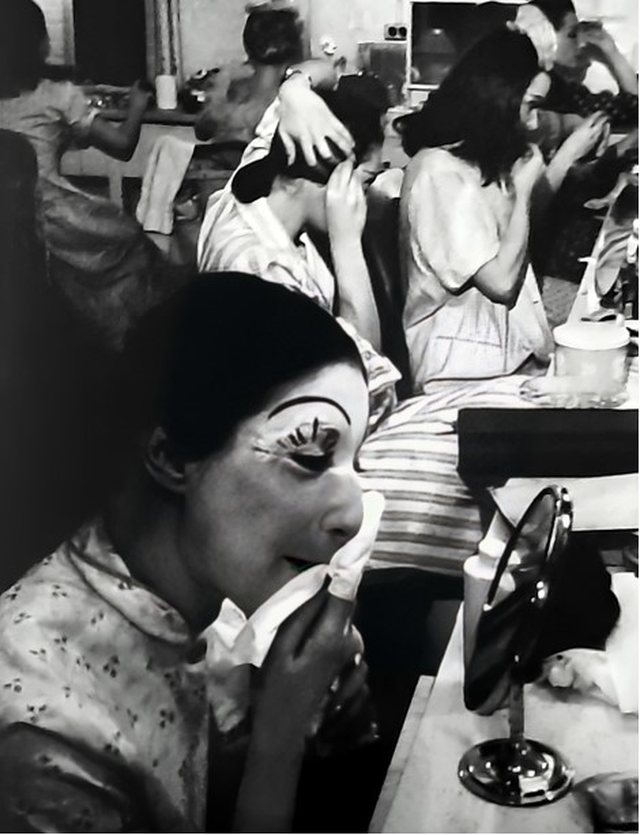
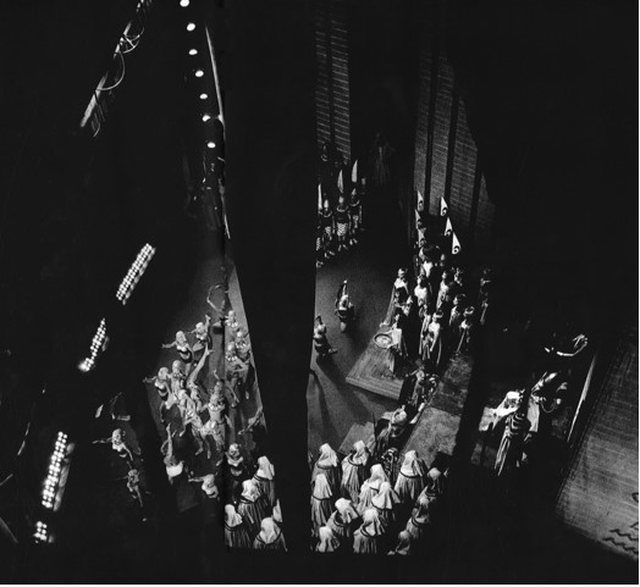
The hidden and invisible position of standing, moving, photographing apparently did not allow Mil to use stroboscopic equipment and technology. Also he had stated that he had finished the mission with this technique since 10 years ago, although he did not respect his old passion completely and forever. So, the photographs in this book are almost all with his classic "stop action" technique, they are shot in performance during the performance, they include large scenic and scenographic spaces, and they are impressive with their craftsmanship.
All 72 photos of this work by Gjon Mili, unknown until today by the audience and Albanian art lovers, constitute an authentic and surprising artistic portfolio of his creativity during this marked year, when we remember Gjon Mili with respect and humane and artistic gratitude on his 120th Anniversary of the Birth (28.11.1904) and the 40th Anniversary of the Death (14. 2. 1984)
The book "The Magic of the Opera" remains the evocation of a great art house, an indelible photographic evidence, a historical and artistic work of one of the largest institutions of the most complex and harmonized works - opera, especially in the 20th century, where Gjon Mili deserves a special merit. "This is the most wonderful book on opera that has ever been published in America"6) (FREDERICK A. PRAEGER, A picture Memoir of the Metropolitan, Publishers 64 University Place, New York 3, NY, frontispiece).

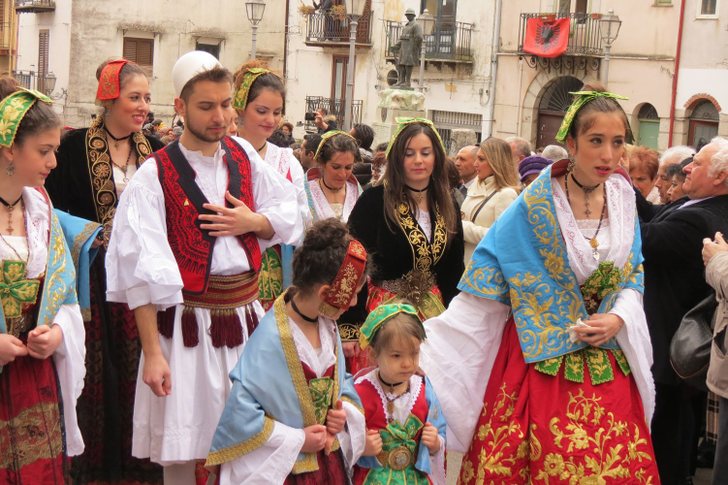
Activist Brizida Gjikondi has shared on her social network...

It had been three days that every morning I went down ...

Today is the Night of Qadr and according to the Islamic re...

The month of Ramadan is in the last 10 days, which has the...
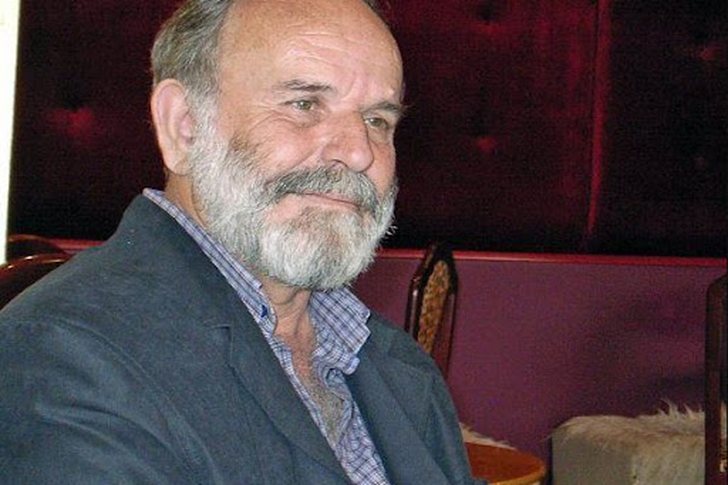
The well-known painter, Ali Oseku, passed away yesterd...
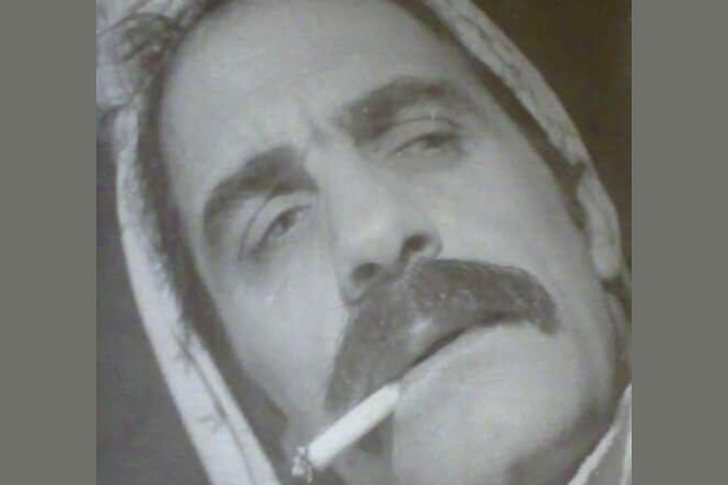
Jaku Goja has nothing to do with Francesco Goja. He is Alb...
The great actress, Margarita Xhepa, celebrates her 90th bi...
There is an industry that could be the ambassador of our p...

The day was so beautiful, but I got dark as soon as I ...
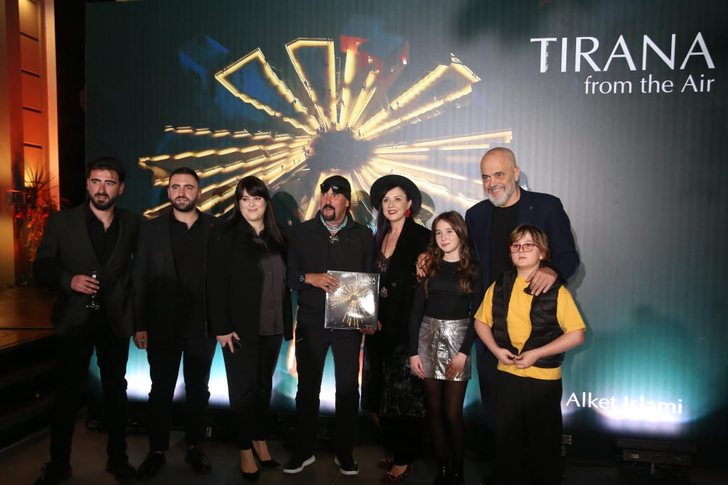
This Wednesday evening, the premiere "Tirana from the Air"...
The second Albanian school after Korça was opened in Pogra...
Berti has been my best friend. Even narrower than when he ...
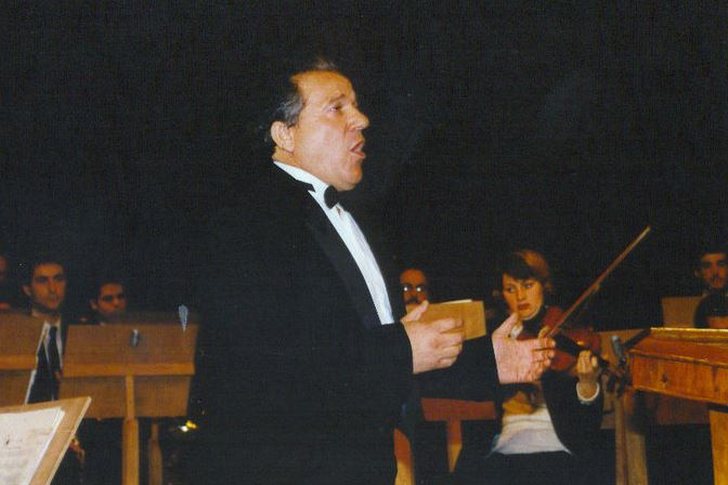
Gjergji ka konkuruar në një nga festivalet të këngës së le...

The well-known artist from Korça, Gjergj Sulioti, has pass...

Ndërron jetë në moshën 81-vjeçare kompozitori i njohur Jo...
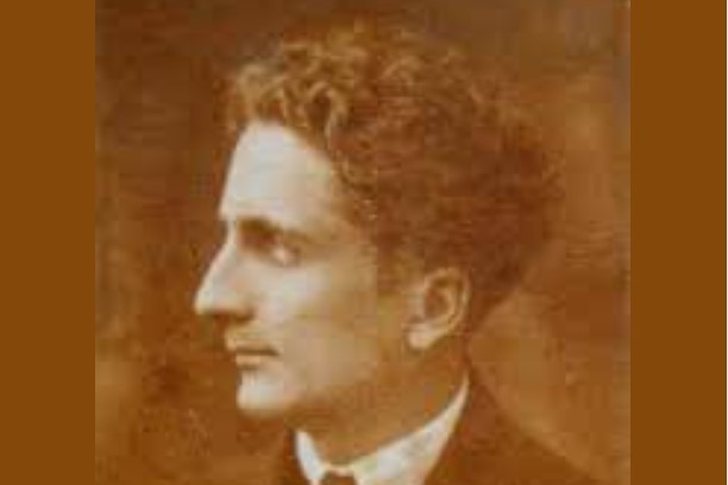
Like today, on March 20, 1899, Llazar Fundo, the intellect...
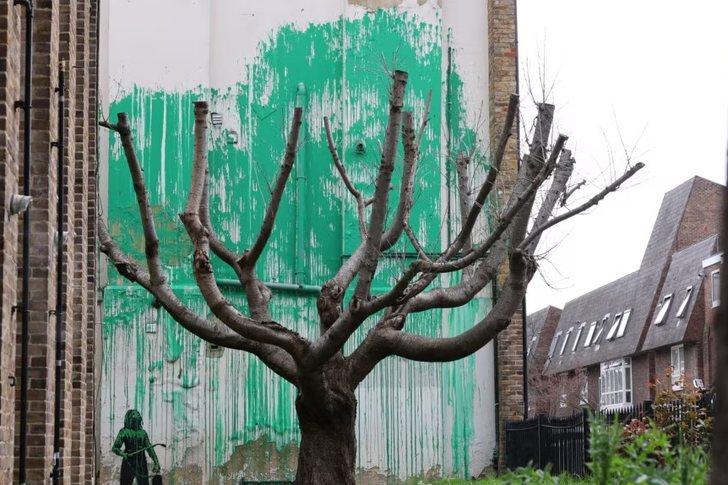
Crowds gathered in north London on Monday morning to see a...
When I remember that near-death adventure today, my fl...
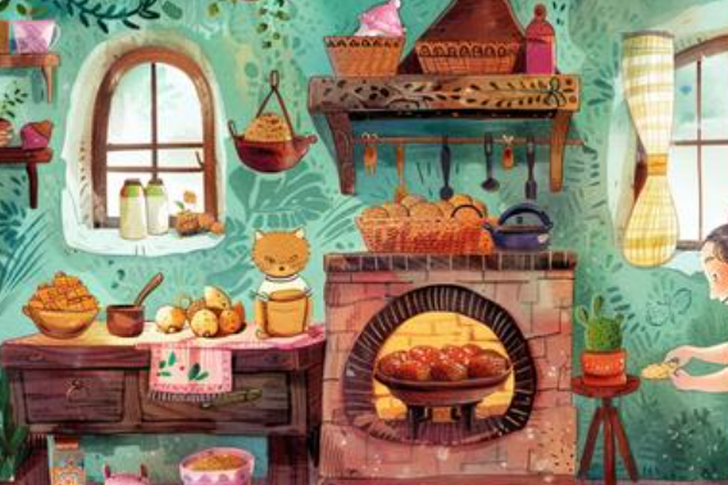
Lulet e portokalleve janë pjesë e pandashme e çdo oborri t...
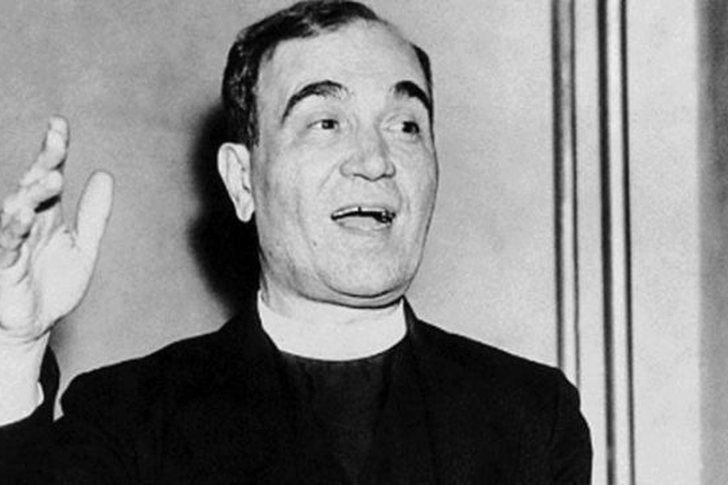
Radio "Njjallja" has commemorated Archbishop Fan Noli on t...

CNA has launched another investigation that could lead to ...

Irfan Hysenbelliu is a businessman that we call "Irfan the...

In March 2026, CNA launched another investigation centered...
The arrested mayor of Tirana, Erion Veliaj, with 13 charge...

The Special Board of Appeal (KPA) decided this Monday ...

The KPA vetting decided this Thursday to dismiss the p...

Suela Salavaçi, a prosecutor in the Prosecutor's Offic...

The Special Board of Appeal reinstated the prosecutor ...

Three people were shot and wounded in Elbasan last night b...

A serious incident occurred this Tuesday in the Yrshek are...

An accident occurred this Tuesday on "Dituria" street in K...
A tourist has lost her life on Orikum beach, where she was...

All of Southern Europe will face changing weather conditio...

Albania was hit by temperatures significantly higher than ...

For the first time, Pogradec welcomed the Inter-Lake Chess...

Albania has achieved a record for the employment of foreig...

An operation led by Europol, through authorities in severa...

US President Donald Trump hosted the Lebanese president at...

The European Union has criticized the decision of the acti...

An earthquake measuring 5.0 on the Richter scale struck so...

At a time when industrial products are increasingly taking...

Trust among people is not just a three-syllable word. It c...

Master of humor Todi Llupi has passed away at the age of 7...

The ninth edition of "MIK Festival" kicked off with one of...

The Centralized Purchasing Operator recently opened a tend...
The new draft law "On the Bank of Albania" provides that t...

This Tuesday, one US dollar is bought for 81.2 lek and sol...

Deputy Minister of Economy and Innovation, Enkelejd Musabe...