

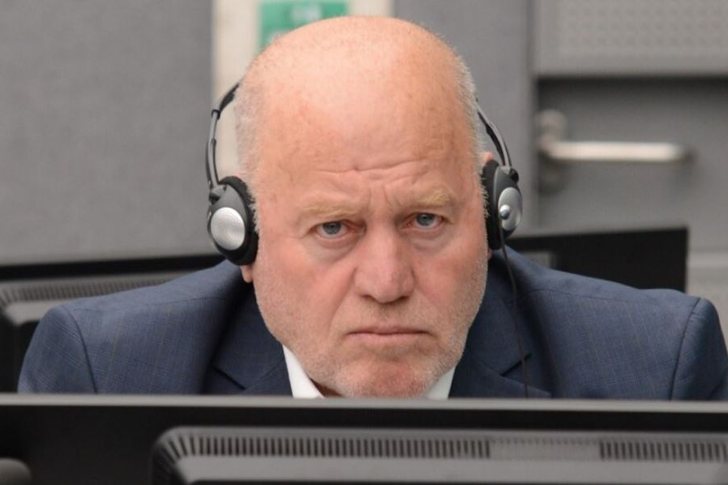
Ismet Bahtijari pleads guilty to witness intimidation and obstruction of justice
The former member of the Kosovo Liberation Army, Ismet...


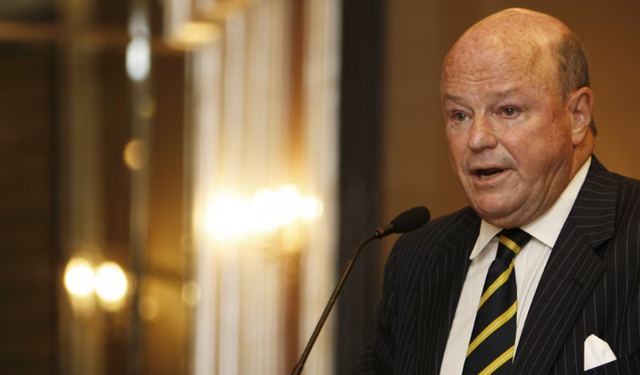
The former emissary of the United States in the talks on the status of Kosovo, Frank Wisner, says that Kosovo today is a mixed story - "it has not achieved everything it wanted, but it has built itself as a sovereign state in the European family".
In an interview given to Radio Free Europe, Wisner says that Serbia, still to this day, is not ready to accept the reality of an independent Kosovo, so the agreements reached between the two countries, according to him, do not work.
For his own reasons, he says that Kosovo should establish the Association of municipalities with a Serbian majority, but with "very limited responsibilities".
Wisner believes that it is still too early to say what can be expected from the administration of the US president-elect, Donald Trump, regarding the Western Balkans.
"The previous Trump administration had a series of ideas aimed at reaching a territorial agreement... Any movement towards this objective would cause nothing but trouble in the Western Balkans. I hope that this will not tempt the new administration", he says.
Radio Free Europe: Ambassador Wisner, two decades ago, you were a key figure in the negotiations on the status of Kosovo. Over 25 years after the war and on the eve of the 17th anniversary of Kosovo's independence, how would you assess its progress over the years?
Frank Wisner: Kosovo has achieved its independence - a dream come true - it has built itself as an independent nation and partially entered the family of nations. However, it has been repeatedly opposed by Serbia, which has not recognized its independence. As a result, Serbia has managed to block its membership in the United Nations and a number of countries have not recognized it.
But, at the same time, Kosovo, as a new country, has managed to improve its economic situation and improve its political institutions.
Radio Free Europe: In retrospect, do you believe that Kosovo could have done anything differently that could have improved its situation today?
Frank Wisner: No. I have often thought about this, but Serbia has been very determined to block Kosovo's independence. It was impossible to overcome that obstacle. Her opposition to Kosovo's independence has not subsided for a minute during these years.
And, until Serbia accepts the fact that Kosovo is sovereign and independent and is ready to develop good neighborly relations with it, I do not expect any solution between them.
The European institutions have tried hard to help the two sides to accept each other and they have not succeeded. The United States has not succeeded. Until Serbia is convinced that it is in its interest to allow Kosovo to be a fully independent country, nothing will happen, the final status will not be achieved. Radio Free Europe: International mediators have also said that the two companies are not yet ready for a final agreement. Do you think there is a way out?
Frank Wisner: Serbia, in particular, is not ready to accept that Kosovo is no longer part of Serbia and to accept its independence. Until that is achieved, I see no final status solution.
Radio Free Europe: How can it be achieved? Do you think the Ahtisaari Plan is still the best framework for Kosovo-Serbia relations? Or should there be new proposals?
Frank Wisner: I think the Ahtisaari Plan was good. There is nothing wrong. The problem is not the plan, but Serbia's unwillingness to accept the fact that Kosovo is independent. Kosovo will not be satisfied with anything less than independence.
"Association with limited liability"
Radio Free Europe: The formation of the Association of municipalities with a Serbian majority is an agreement reached in dialogue, but which has not yet been implemented by Kosovo. The current government of Kosovo fears that it may look something like Republika Srpska. Do you justify this fear?
Frank Wisner: I believe that the idea of ??[majority] Serbian municipalities, to work together, to cooperate, to preserve cultural institutions, is quite good. But I have never been fully convinced that Serbia sees that agreement as part of an independent Kosovo. She sees it more as a way to reduce Kosovo's position as an independent state.
So, the idea in principle remains good, but until I see a greater willingness of Serbia to live with an independent Kosovo, I do not expect any agreement to work, to be maintained or to be successful.
Radio Free Europe: So, do you think that Kosovo should form the Association?
Frank Wisner: I think that Kosovo, for its own reasons, should create an association of municipalities with a Serbian majority, with very limited responsibilities in culture, education, taxes and things like that, but which does not have a sovereign status that would disrupt it the functioning of the state of Kosovo.
Radio Free Europe: The USA, as Kosovo's closest ally, has been critical of the current Government, mainly because of some of its actions in the north of Kosovo, such as the removal of the use of the Serbian dinar, the closure of parallel Serbian institutions ... The government has characterized those steps as an extension of legal authority, but the US and the rest of the international community have said the time is not right for them. What do you think?
Frank Wisner: I think the time is right to extend all the sovereign responsibilities of an independent country. Kosovo, even, is late.
All these things - the use of the Serbian dinar or the parallel structures - are designed by Serbia to undermine the sovereign status of Kosovo. I just don't see the Serbs willing to give them up without a big blow.
So, I return to my essential point: until there is a political decision in Belgrade on the acceptance of Kosovo's sovereignty, I see no way out, everything else is a secondary issue.
Radio Free Europe: What do you think of the solution for the north of Kosovo?
Frank Wisner: This is a complicated question, because the north of Kosovo is inhabited by Serbs, but it is part of sovereign Kosovo and must be integrated into the institutions of the Kosovo state. This has not happened completely, because Serbia sabotages that integration.
"The Western Balkans will not be a priority of the Trump administration"
Radio Free Europe: A new administration is expected to take office in the United States. There are many issues in the world that will attract immediate attention, but how do you see the new administration's commitment and approach to the Western Balkans region?
Frank Wisner: I don't know. I think it's too early to talk. The Western Balkans will not be a top foreign policy priority in the new administration.
The previous Trump administration has had a number of ideas aimed at reaching a territorial agreement. I think they have failed.
If the new administration were to go back to those ideas, I think it will fail again. If you consider the territorial integrity of the countries, you open Pandora's Box, you open a crisis in the whole region, where the Balkan states and their ethnic groups fight over where the borders should be drawn.
Serbia has talked about recreating a great Serbia, which would be a curse for stability in the Balkans. Any move towards this objective would cause nothing but trouble in the Western Balkans. I hope this will not tempt the new administration.
Radio Free Europe: To what extent will the new administration engage in Kosovo-Serbia relations?
Frank Wisner: As I said before, it is still too early to predict. Its staff has not yet passed the Senate and has not defined the policies. There are bigger fish to cook, in terms of the new administration's challenges in Asia, Ukraine and the Middle East. All these issues must be addressed before any prospects of progress in the Western Balkans can be seen.
Radio Free Europe: How should the future Government of Kosovo position itself in front of the new administration in the United States?
Frank Wisner: I think it should make sure that its lines of communication are open, continue to insist on the independence of the state, and cooperate with any reasonable negotiating initiative that is undertaken.
"Kosovo should be a candidate for NATO membership"
Radio Free Europe: With increasing tensions in the Balkans and increasing foreign influences from Russia and China, how vulnerable is Kosovo to destabilizing efforts?
Frank Wisner: Kosovo is a small country. It has no strong structures and if there are goals set from outside to destabilize it, it is vulnerable.
However, so far, it has survived and that gives me hope for the future.
Radio Free Europe: Should Kosovo be offered a clear path to NATO membership and would it affect stability in the region?
Frank Wisner: In my opinion, Kosovo should be a candidate for NATO membership and this would add a more convincing reason for the region to accept it, for Serbia to accept Kosovo's sovereignty.
Radio Free Europe: What advice would you give to the leaders of Kosovo and Serbia, but also to the international community regarding the disputes in this region?
Frank Wisner: The only way to deal with disputes in the region is to talk about them and address them.
For example, I do not expect Serbia to accept the independence of Kosovo. She should, but she won't.
What can happen are partial agreements on trade, on the movement of people, on cultural cooperation. These would be practical steps for cooperation between Pristina and Belgrade and are worth pursuing.
So I'd say it's a mixed story. It has not achieved everything it wanted, but, of course, it has built itself as a sovereign state in the European family./ Rel

The former member of the Kosovo Liberation Army, Ismet...
During meetings with European Union leaders today in B...
Russian President Vladimir Putin has said Moscow is close ...
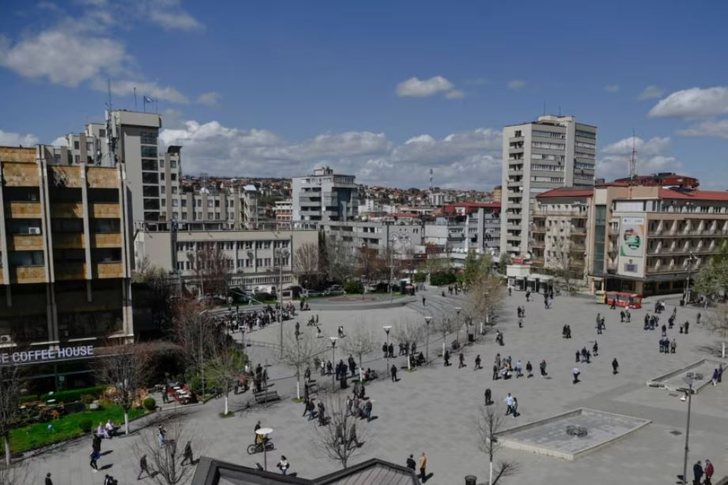
Kosovo has 1,586,659 registered inhabitants, according to ...
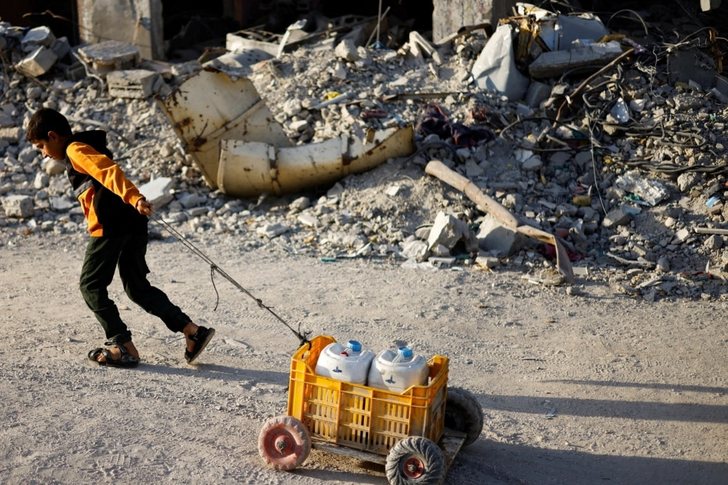
Human rights organization Human Rights Watch (HRW) said on...
President-elect Donald Trump abruptly scrapped a bipar...
The Supreme Court said Wednesday it will hear arguments ne...
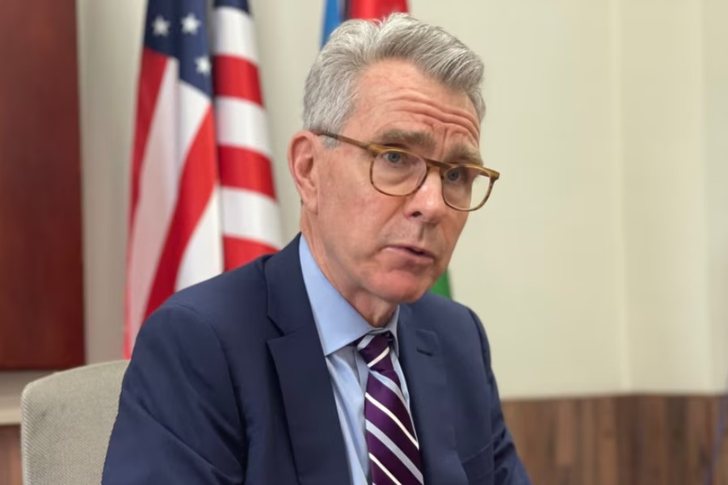
In the final weeks before President Joe Biden leaves t...
US President-elect Donald Trump's promise to quickly end t...
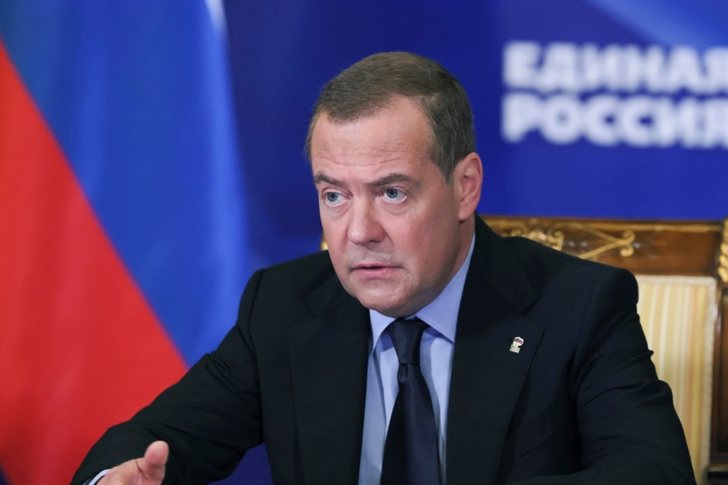
The vice president of Russia's Security Council, Dmitr...
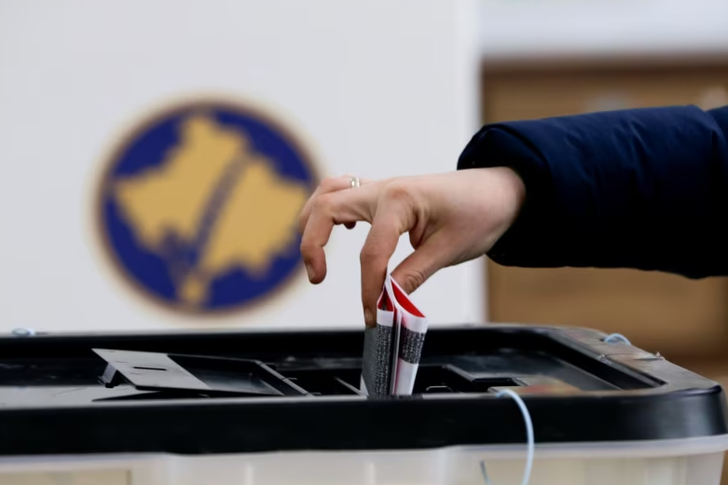
The Prime Minister of Kosovo, Albin Kurti, has announced t...
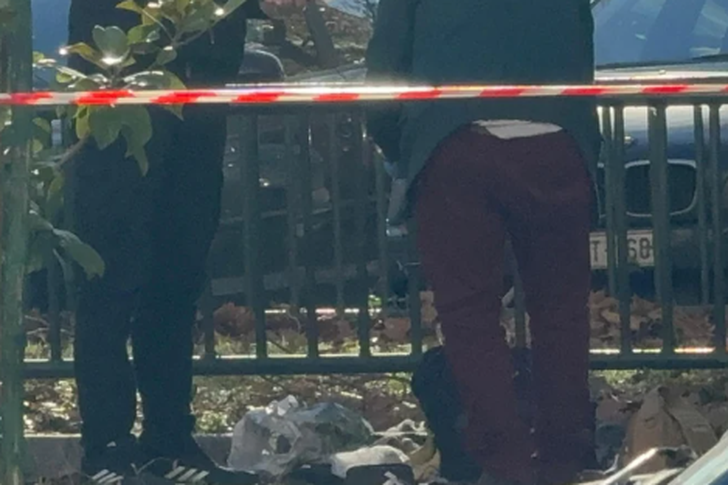
A panic situation was experienced in front of the court in...
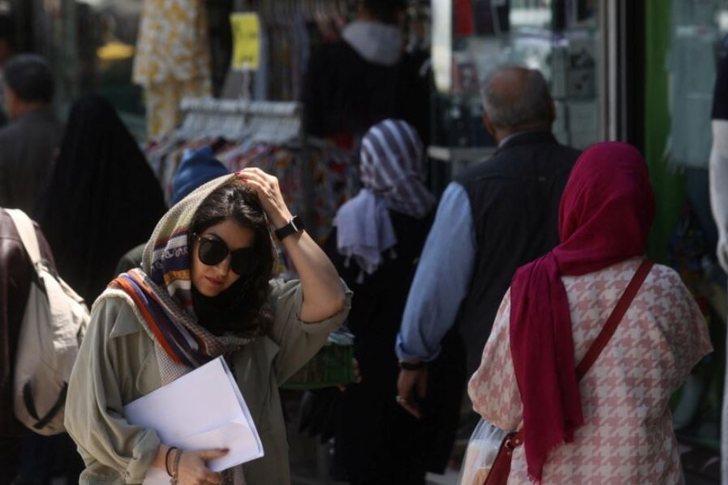
Iranian lawmakers have called for changes to a bill that p...
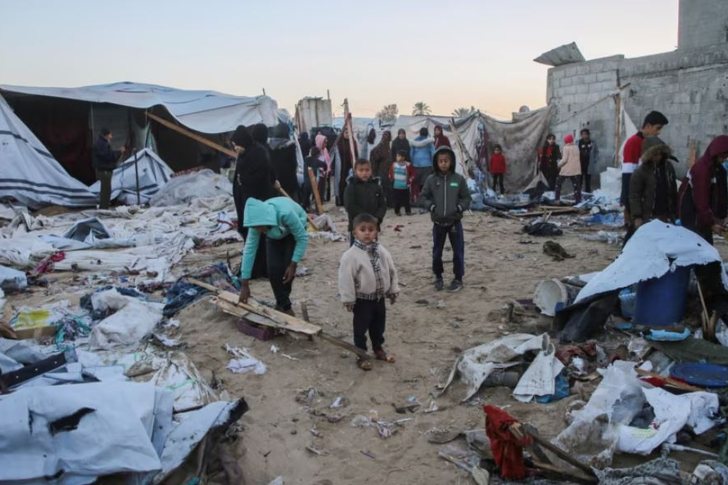
The United States, along with Arab mediators, are trying W...
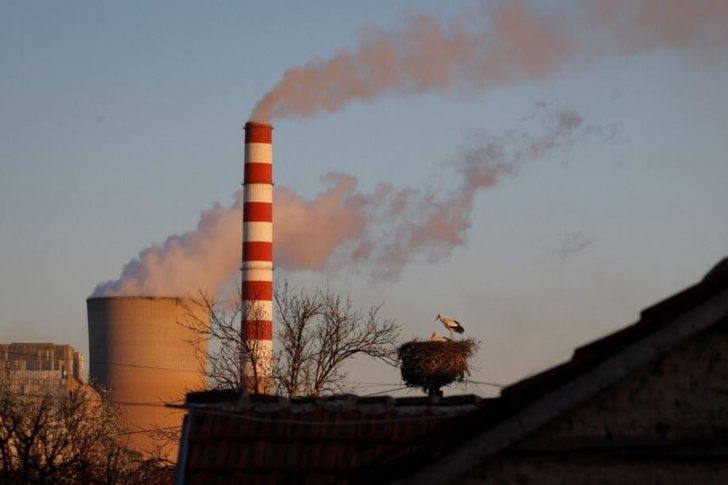
Global coal use is expected to hit an all-time high in 202...

Japanese automakers Nissan Motor Corporation and Honda Mot...
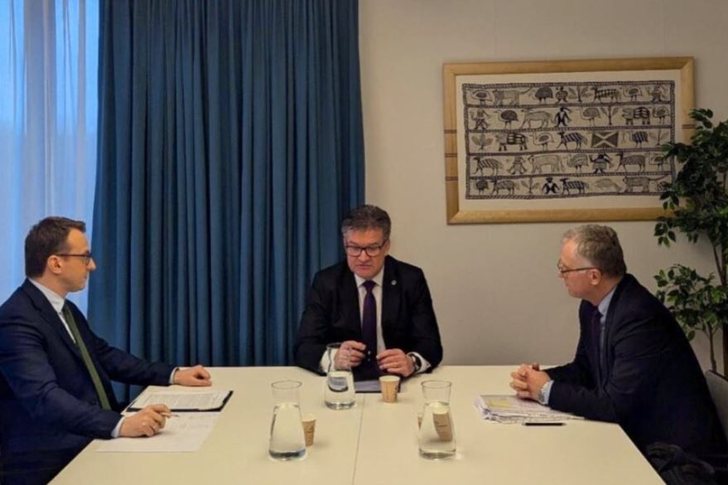
The special representative of the European Union for the K...
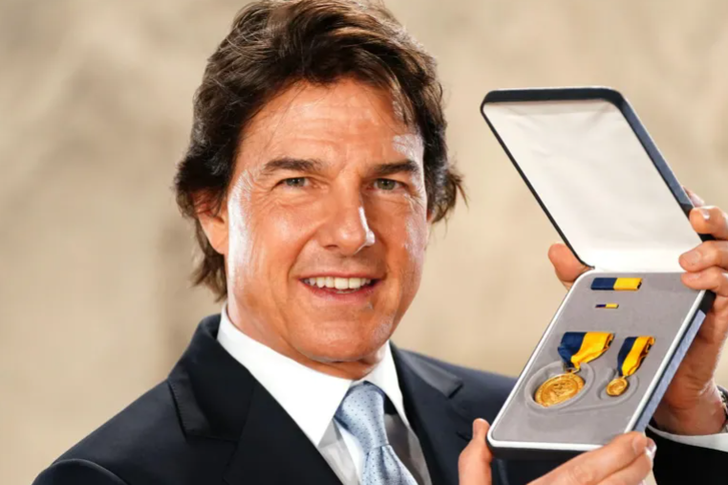
Tom Cruise has been honored with the US Navy's highest civ...
The European Union (EU) has launched an investigation ...
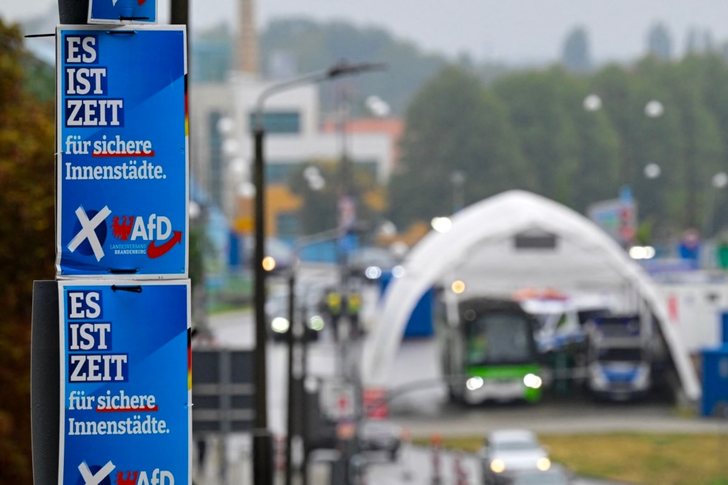
Support for far-right parties in Europe continued to rise ...

CNA has launched another investigation that could lead to ...

Irfan Hysenbelliu is a businessman that we call "Irfan the...

In March 2026, CNA launched another investigation centered...
The arrested mayor of Tirana, Erion Veliaj, with 13 charge...

The Special Board of Appeal (KPA) decided this Monday ...

The KPA vetting decided this Thursday to dismiss the p...

Suela Salavaçi, a prosecutor in the Prosecutor's Offic...

The Special Board of Appeal reinstated the prosecutor ...

Footage emerges from the serious accident that occurred th...

A Shkodra traffic police officer was hit with hard objects...
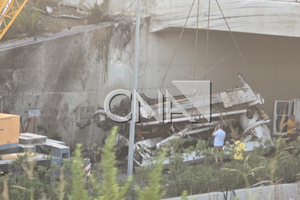
This Wednesday, around 4:00 PM, a serious accident occurre...

Tirana Police have shared details regarding the accident t...
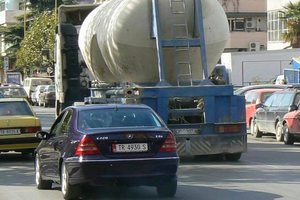
A serious accident that occurred this Wednesday with the c...

The Institute of Geosciences has shared a forecast for wea...
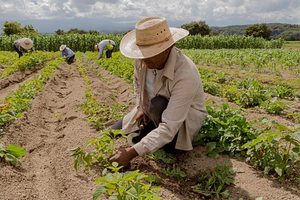
Rising energy and fertilizer prices are expected to contin...

Over 18,000 foreign citizens from 140 countries have appli...
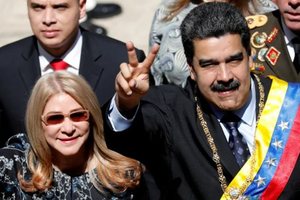
The trial of ousted Venezuelan President Nicolas Maduro on...
US President Donald Trump has issued another warning to Ir...
Prime Minister Andy Burnham has announced that most bus fa...

France's parliament has passed a law to ban social media f...

At a time when industrial products are increasingly taking...

Trust among people is not just a three-syllable word. It c...

Master of humor Todi Llupi has passed away at the age of 7...

The ninth edition of "MIK Festival" kicked off with one of...

The price of diesel reached 206 lek per liter from 198 lek...

Businesses will no longer be required to simply register t...

Despite economic growth and income in recent years, Albani...

This Wednesday, one US dollar is bought for 81.4 lek and s...