

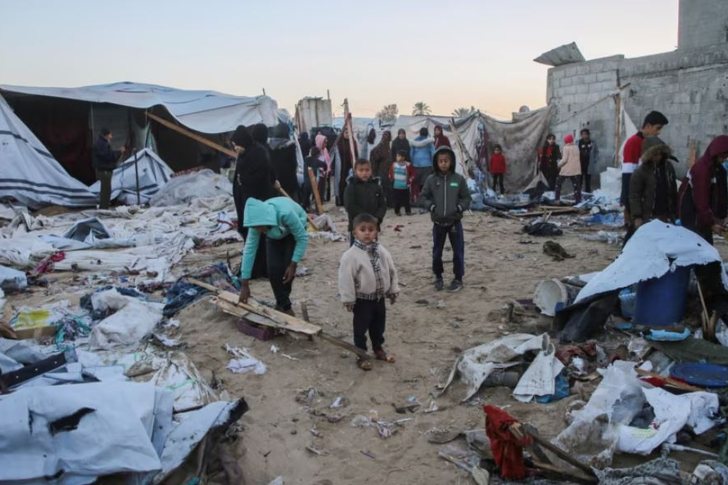
Mediators step up ceasefire efforts as Israel kills 16 in Gaza
The United States, along with Arab mediators, are trying W...


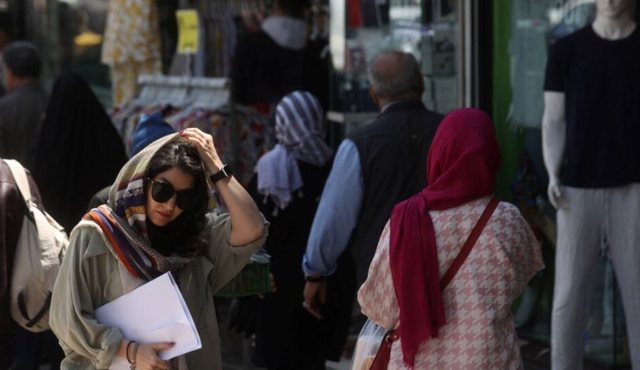
Iranian lawmakers have called for changes to a bill that provides for tougher penalties against women who refuse to wear the mandatory headscarf, or hijab, local Iranian media reported on Wednesday.
The bill, already approved by Parliament but not yet sent to the government for final confirmation, has sparked a heated debate in Iran, more than two years after nationwide protests erupted in part over the strict dress code. for women in the Islamic Republic.
Shahram Dabiri, Iran's vice president for parliamentary affairs, has asked to delay sending the bill for final approval, according to ISNA news agency.
"We asked that the law on cleanliness and hijab not go to the government", Dabiri was quoted as saying, who added that "the speaker of the Parliament asked for an amendment to the draft law", reports AFP.
Dabiri did not specify the nature of the change, nor did he give a deadline for the process.
Legislators in September 2023 had approved the bill, officially called the "Family Support Act through the Promotion of the Culture of Purity and Hijab".
Since then, it has received the approval of the Garda Council, a body with powers to review laws.
The bill was originally expected to be sent to President Masoud Pezeshkian in December.
Pezeshkian, who can sign it and make it law, has expressed "reservations" about the text, citing numerous "ambiguities".
The 74-article draft law tightens restrictions on women's public dress, and threatens measures against businesses that do not enforce the dress code, according to its text, which has been published by Iranian media.
It also foresees harsh punishments of imprisonment of up to 10 years, or fines worth more than 6,000 dollars for the promotion of "nudity" or "indecency".
Since the early years of the republic, following the Islamic Revolution of 1979, women in Iran have been required by law to cover their heads and necks.
In late 2022, a wave of protests erupted following the death in police custody of 22-year-old Iranian-Kurdish Mahsa Amini, who had been arrested for allegedly violating the Islamic dress code.
During the riots, which lasted for months, hundreds of people, including dozens of members of the security services, were killed. Thousands of demonstrators were arrested./REL

The United States, along with Arab mediators, are trying W...
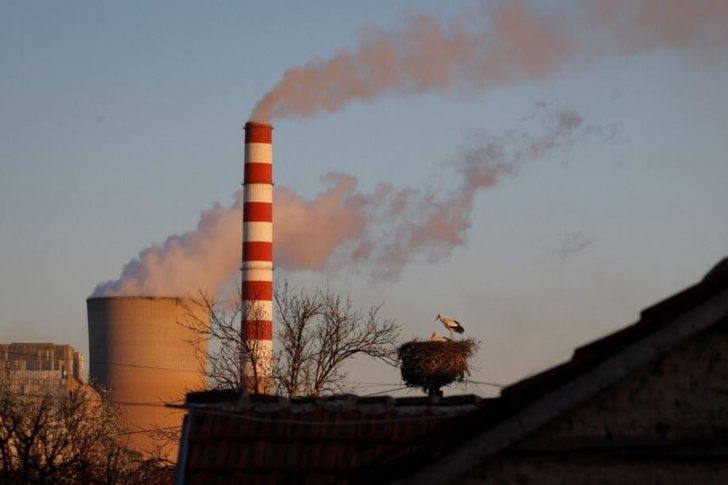
Global coal use is expected to hit an all-time high in 202...

Japanese automakers Nissan Motor Corporation and Honda Mot...
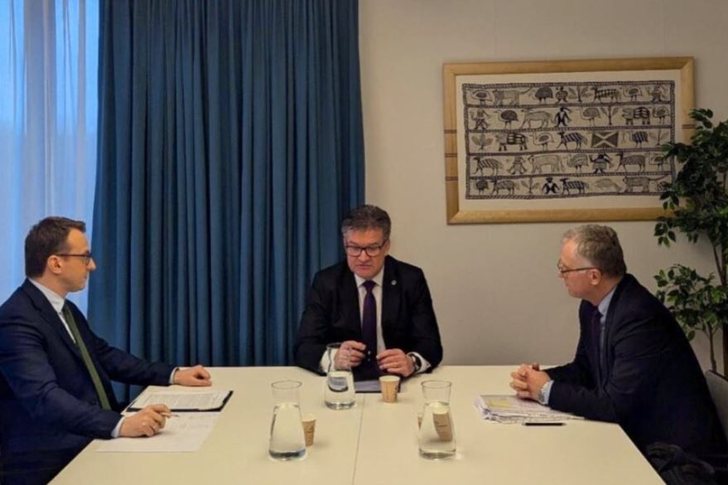
The special representative of the European Union for the K...

Tom Cruise has been honored with the US Navy's highest civ...

The European Union (EU) has launched an investigation ...
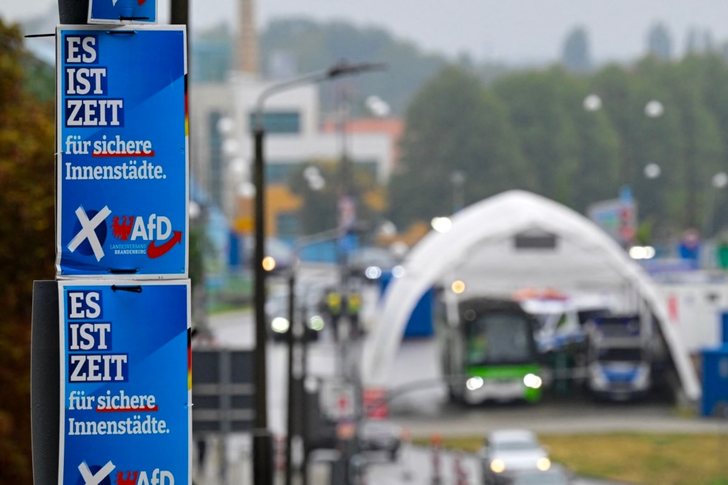
Support for far-right parties in Europe continued to rise ...
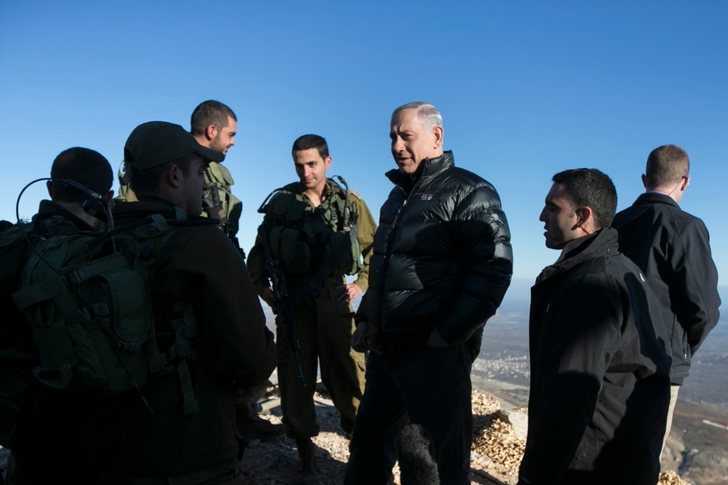
Prime Minister Benjamin Netanyahu said on Tuesday that Isr...
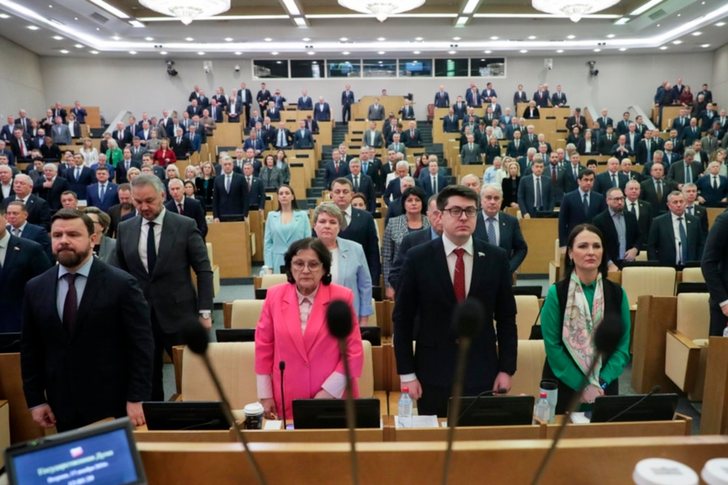
Russian lawmakers approved a bill on Tuesday that expanded...
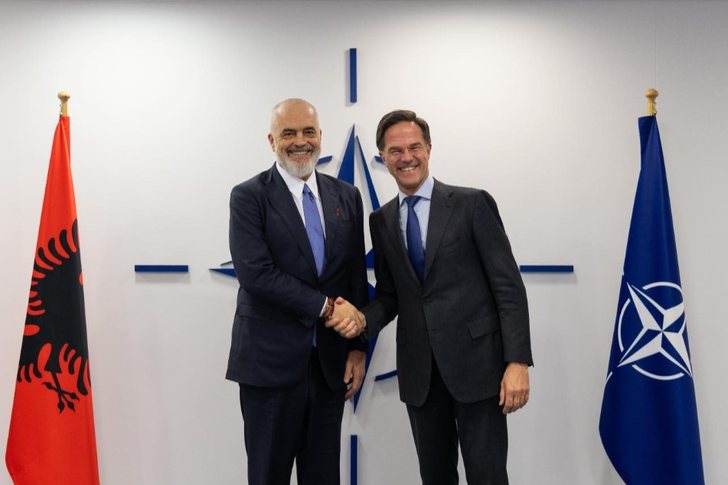
Prime Minister Edi Rama held a meeting with the Secret...
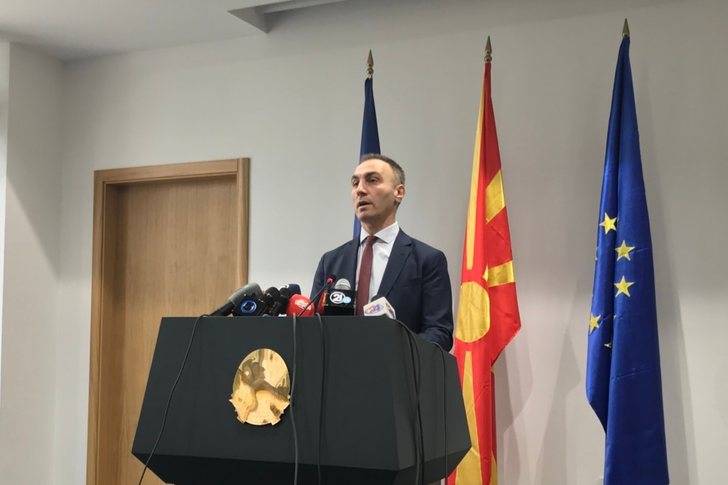
The Macedonian prosecution asked the basic court in Skopje...
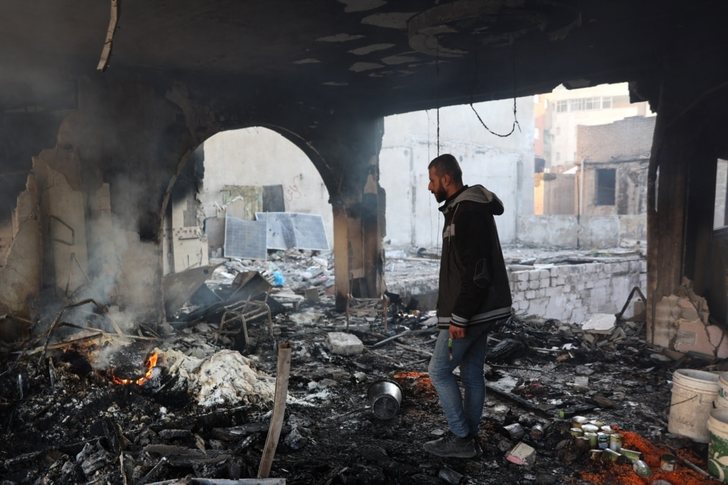
An Israeli airstrike in the Gaza Strip has left at least e...

In a joint statement today, the Department of Homeland Sec...
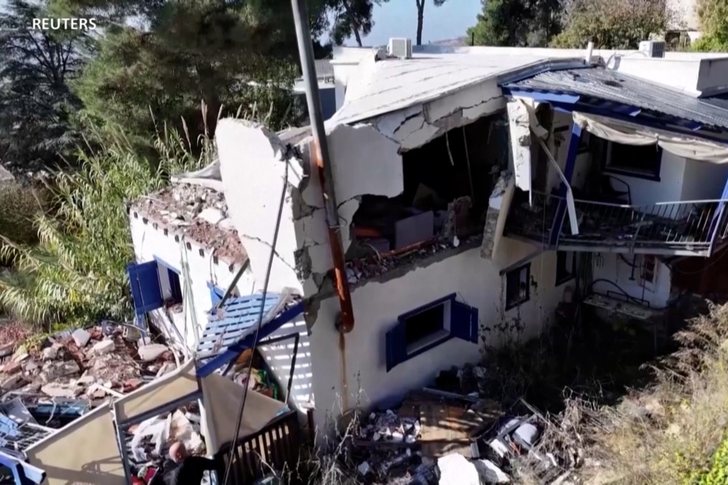
Over 60,000 residents in northern Israel were evacuated 14...
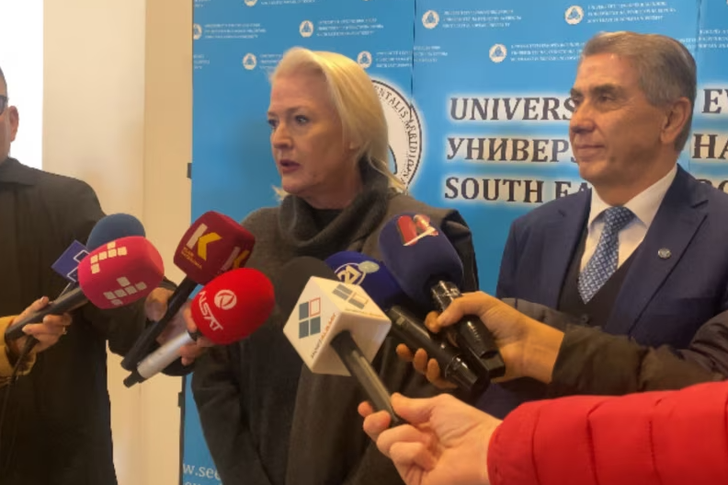
The American ambassador in Skopje, Angela Aggeler, declare...
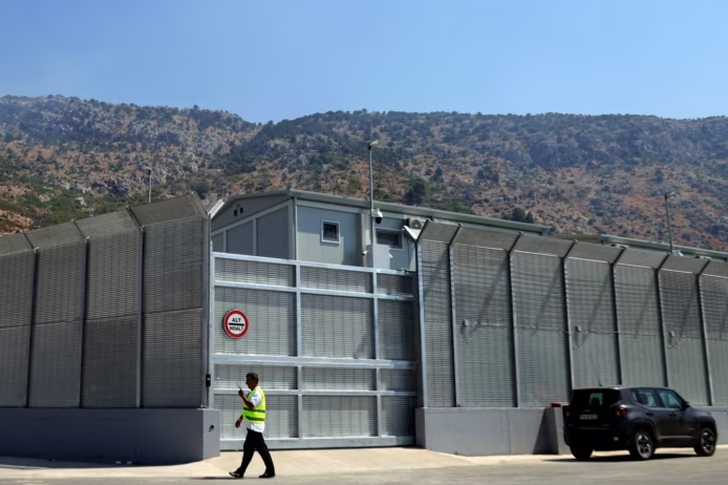
Italy's Prime Minister Giorgia Meloni asked the European C...
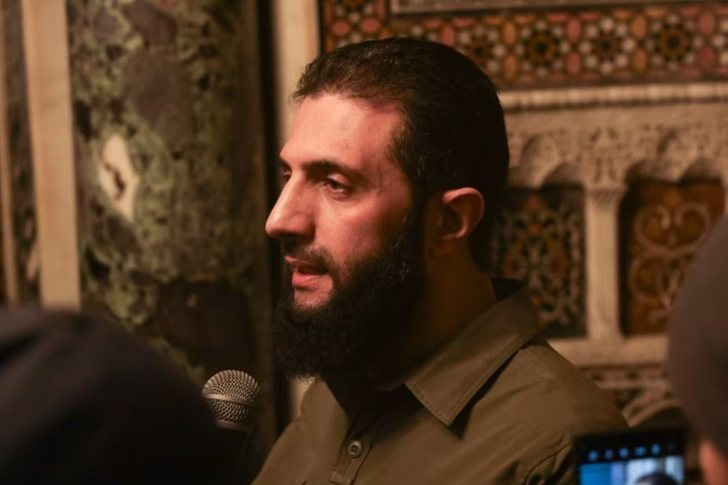
German and French officials will meet representatives ...

South Korean President Yoon Suk-yeol, who has been sus...
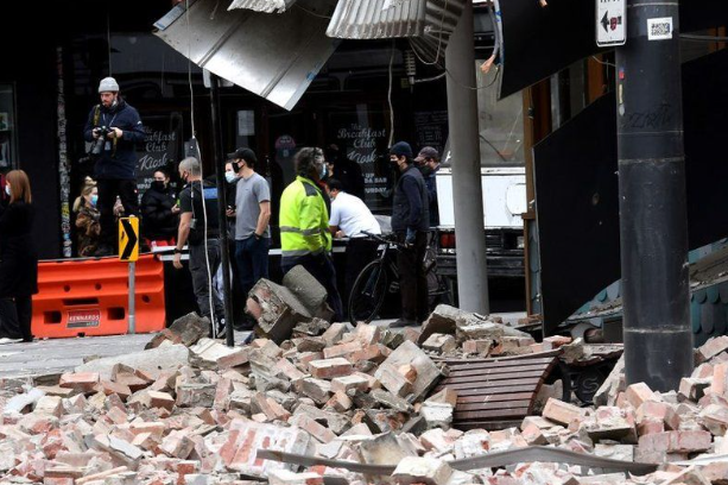
A strong 7.3 magnitude earthquake has struck near Vanuatu'...

The meetings within the dialogue between Kosovo and Se...

CNA has launched another investigation that could lead to ...

Irfan Hysenbelliu is a businessman that we call "Irfan the...

In March 2026, CNA launched another investigation centered...
The arrested mayor of Tirana, Erion Veliaj, with 13 charge...

The Special Board of Appeal (KPA) decided this Monday ...

The KPA vetting decided this Thursday to dismiss the p...

Suela Salavaçi, a prosecutor in the Prosecutor's Offic...

The Special Board of Appeal reinstated the prosecutor ...

Footage emerges from the serious accident that occurred th...

A Shkodra traffic police officer was hit with hard objects...
This Wednesday, around 4:00 PM, a serious accident occurre...

Tirana Police have shared details regarding the accident t...
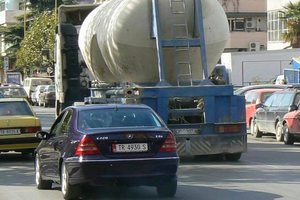
A serious accident that occurred this Wednesday with the c...

The Institute of Geosciences has shared a forecast for wea...

Rising energy and fertilizer prices are expected to contin...

Over 18,000 foreign citizens from 140 countries have appli...

The trial of ousted Venezuelan President Nicolas Maduro on...
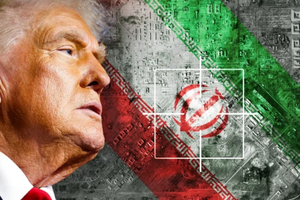
US President Donald Trump has issued another warning to Ir...

Prime Minister Andy Burnham has announced that most bus fa...

France's parliament has passed a law to ban social media f...

At a time when industrial products are increasingly taking...

Trust among people is not just a three-syllable word. It c...

Master of humor Todi Llupi has passed away at the age of 7...

The ninth edition of "MIK Festival" kicked off with one of...

The price of diesel reached 206 lek per liter from 198 lek...

Businesses will no longer be required to simply register t...

Despite economic growth and income in recent years, Albani...

This Wednesday, one US dollar is bought for 81.4 lek and s...