


Netanyahu: Israeli troops will control a neutral zone inside Syria
Prime Minister Benjamin Netanyahu said on Tuesday that Isr...


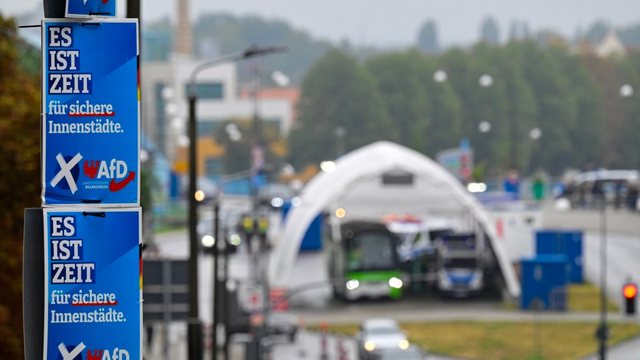
Support for far-right parties in Europe continued to rise in 2024. As VOA London correspondent Henry Ridgwell reports, analysts say the trend was driven by concerns about immigration, inflation and the war in Ukraine.
European Union parliamentary elections in June resulted in a surge in support for far-right parties in some member states, although centrist parties continue to hold power in EU institutions in Brussels.
The National Union Party, led by Marine Le Pen, won the majority of votes in France, or 31 percent of them, for the EU parliamentary elections. She made clear her ambition to gain power in France itself.
"We are ready to make changes in the country. We are ready to protect the interests of the French people and put an end to mass immigration," she said.
President Emmanuel Macron made the shocking decision to dissolve parliament and call a general election.
Left and center parties formed an alliance to block Ms Le Pen's party coming to power.
But the new government lost a vote of confidence in early December.
Marine Le Pen has her own problems as she faces a corruption trial that could damage her political ambitions.
In Germany, Europe's biggest economic powerhouse, the far-right Alternative for Germany party came second in the EU parliamentary elections, putting Chancellor Olaf Scholz's Social Democrats in third place.
"We have to worry about the vote for right-wing populist parties here and in other European countries. We must never get used to this and it must always be our mission to stem their progress," Chancellor Scholz said.
This call did not receive due attention. In September, the Alternative for Germany won the state elections for the first time in Thuringia and came second in Saxony.
Analysts said the issue of immigration was central to its success.
"Even inflation and price increases in recent years may have played a role. But I think that the issue of immigration is really the main dissatisfaction of the voters", says Guntram Wolff, Director of the "Bruegel" Institute.
The ruling coalition led by Chancellor Scholz collapsed in November and Germany will hold early elections in February.
Alternative for Germany is campaigning, promising to reduce immigration and end military support for Ukraine in its fight against Russian aggression.
"We want peace in Ukraine. We don't want to send guns, tanks and missiles there," says Alice Weidel, head of the Alternative for Germany party.
In Austria, the far-right Freedom Party won 28 percent of the vote, coming out on top in September's election there. But all other parties ruled out the possibility of forming a coalition with the Freedom Party, so it was kept out of power8.
In 2025, analysts say attention will turn to political developments in France and Germany, as Europe prepares for President-elect Donald Trump's return to the White House in January./ VOA

Prime Minister Benjamin Netanyahu said on Tuesday that Isr...
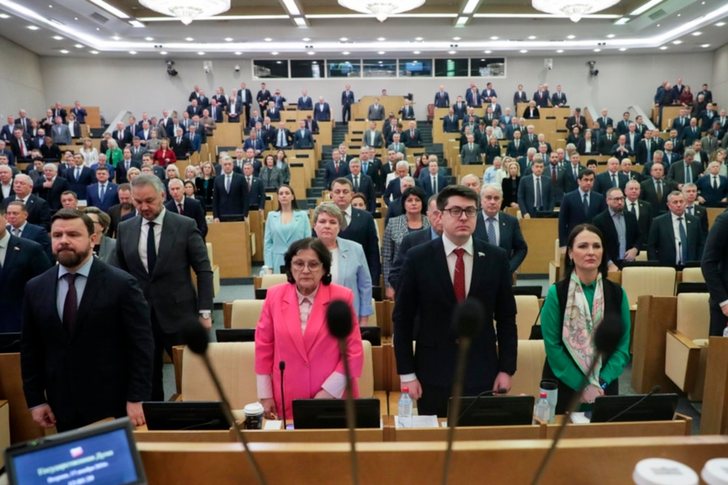
Russian lawmakers approved a bill on Tuesday that expanded...
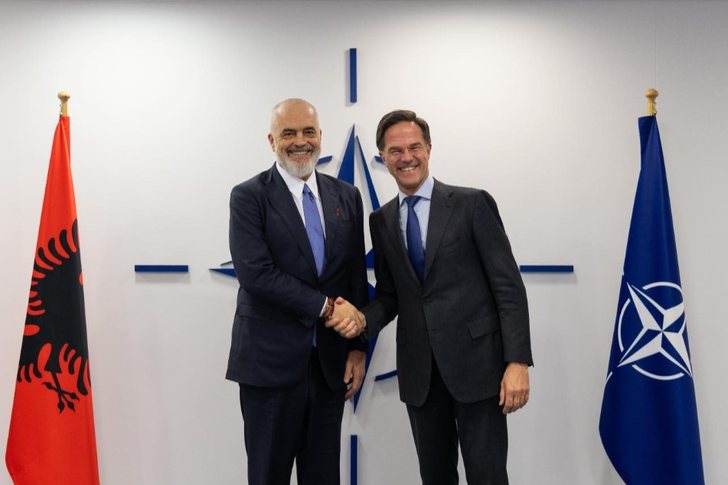
Prime Minister Edi Rama held a meeting with the Secret...
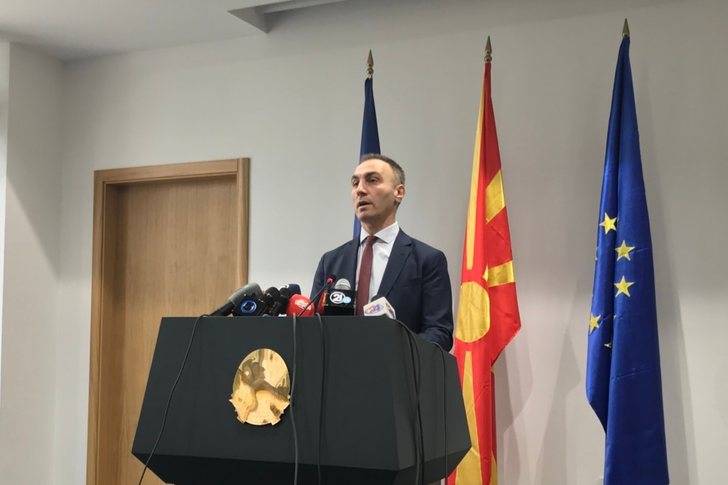
The Macedonian prosecution asked the basic court in Skopje...
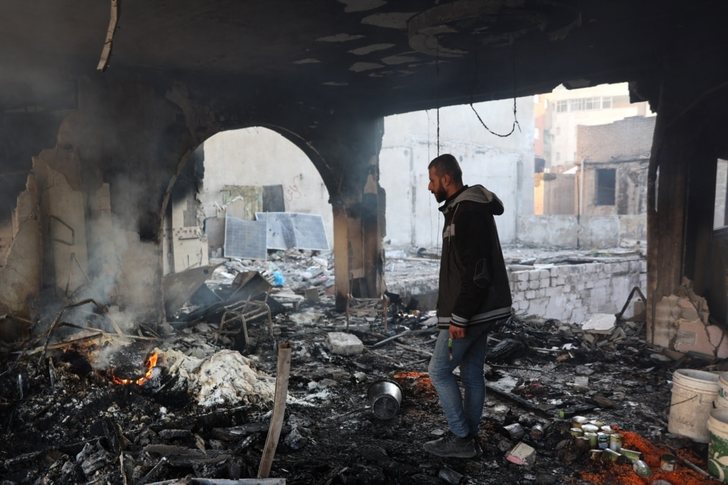
An Israeli airstrike in the Gaza Strip has left at least e...

In a joint statement today, the Department of Homeland Sec...

Over 60,000 residents in northern Israel were evacuated 14...
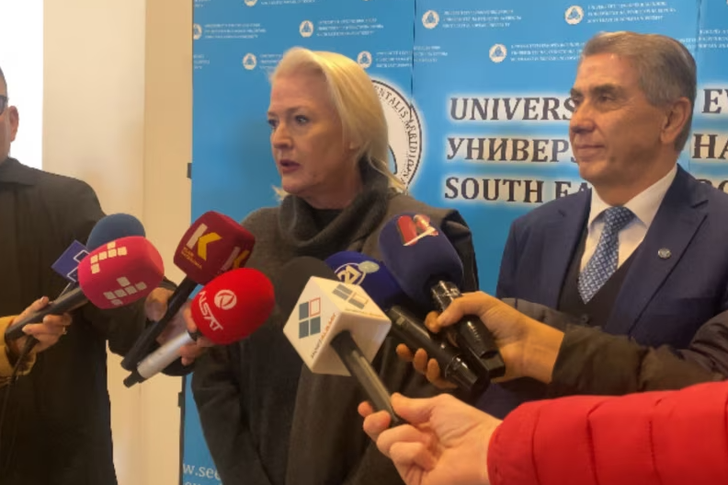
The American ambassador in Skopje, Angela Aggeler, declare...

Italy's Prime Minister Giorgia Meloni asked the European C...

German and French officials will meet representatives ...
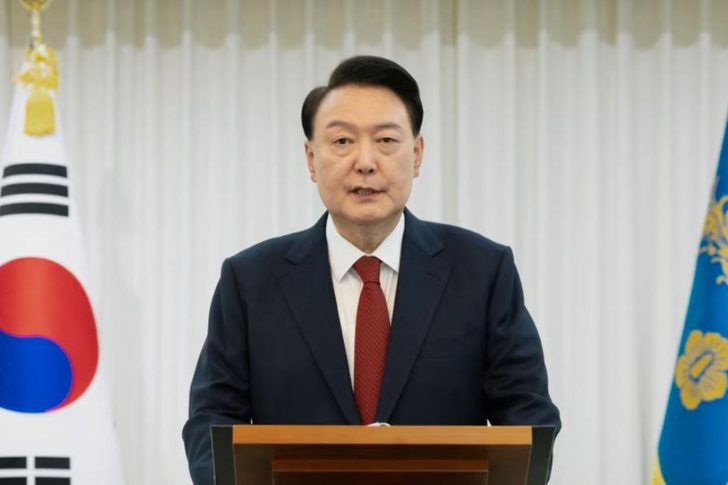
South Korean President Yoon Suk-yeol, who has been sus...

A strong 7.3 magnitude earthquake has struck near Vanuatu'...
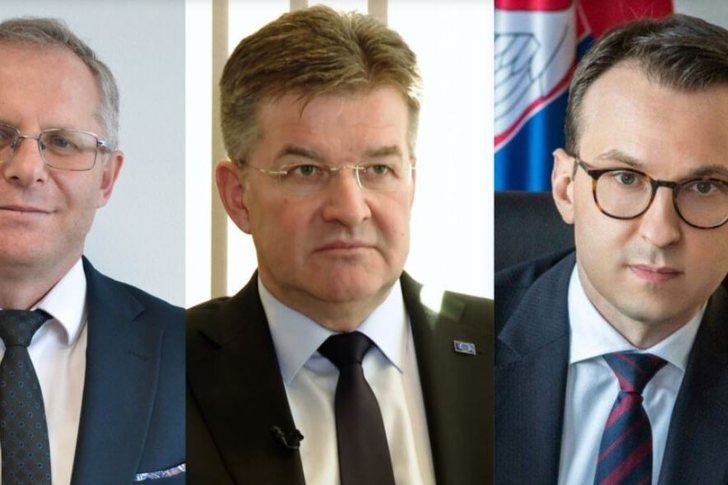
The meetings within the dialogue between Kosovo and Se...
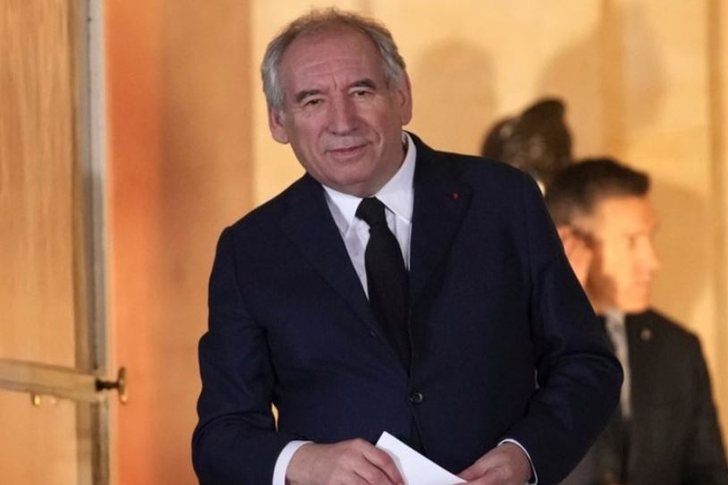
The new Prime Minister of France, Francois Bayrou, beg...
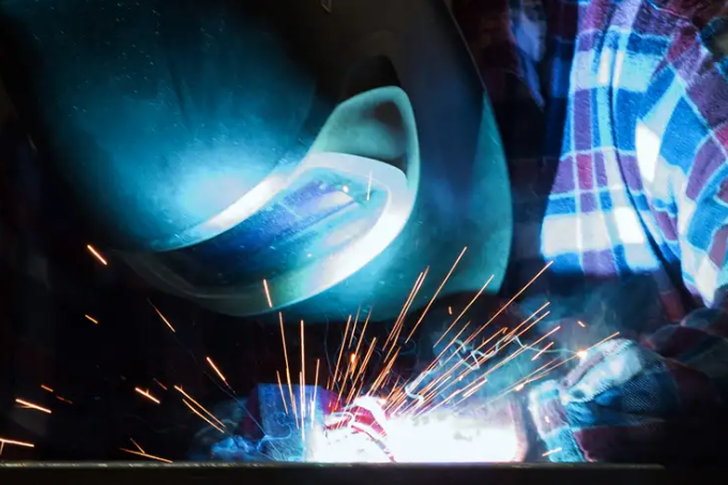
Almost one in four employees in Europe is currently a migr...

Loneliness is increasingly becoming a problem among young ...
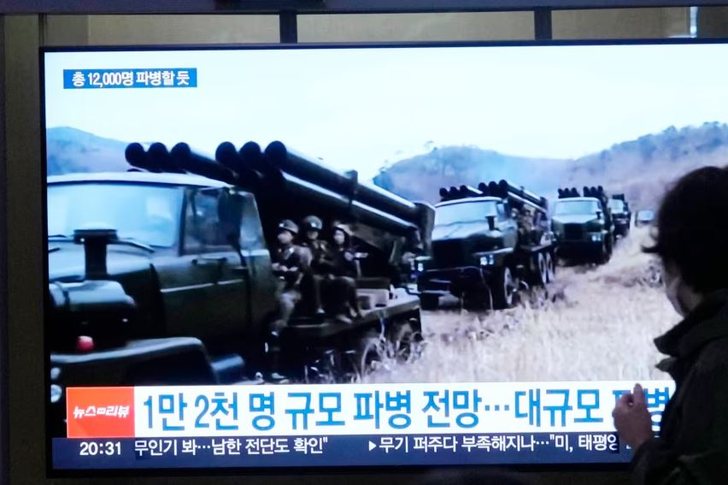
According to a recent Pentagon assessment, North Korean tr...

A high-ranking general in the Russian armed forces has bee...
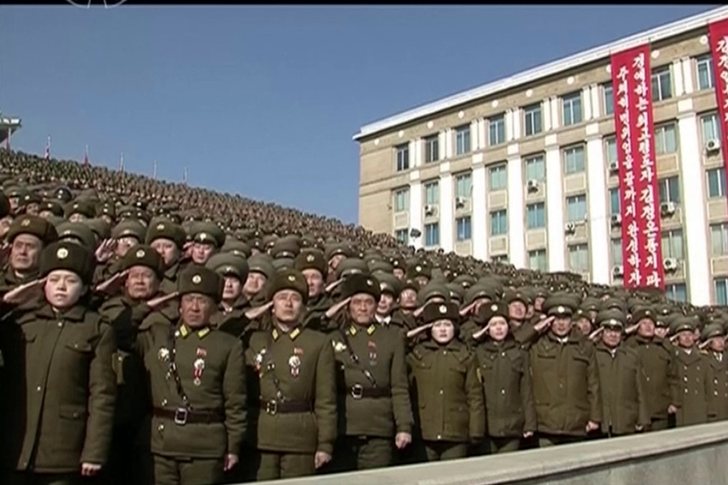
Ten countries and the European Union called North Korea's ...

President-elect Donald Trump's incoming National Security ...

CNA has launched another investigation that could lead to ...

Irfan Hysenbelliu is a businessman that we call "Irfan the...

In March 2026, CNA launched another investigation centered...
The arrested mayor of Tirana, Erion Veliaj, with 13 charge...

The Special Board of Appeal (KPA) decided this Monday ...

The KPA vetting decided this Thursday to dismiss the p...

Suela Salavaçi, a prosecutor in the Prosecutor's Offic...

The Special Board of Appeal reinstated the prosecutor ...

Footage emerges from the serious accident that occurred th...

A Shkodra traffic police officer was hit with hard objects...

This Wednesday, around 4:00 PM, a serious accident occurre...

Tirana Police have shared details regarding the accident t...

A serious accident that occurred this Wednesday with the c...

The Institute of Geosciences has shared a forecast for wea...

Rising energy and fertilizer prices are expected to contin...

Over 18,000 foreign citizens from 140 countries have appli...

The trial of ousted Venezuelan President Nicolas Maduro on...
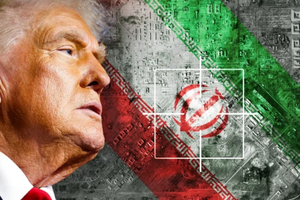
US President Donald Trump has issued another warning to Ir...

Prime Minister Andy Burnham has announced that most bus fa...

France's parliament has passed a law to ban social media f...

At a time when industrial products are increasingly taking...

Trust among people is not just a three-syllable word. It c...

Master of humor Todi Llupi has passed away at the age of 7...

The ninth edition of "MIK Festival" kicked off with one of...
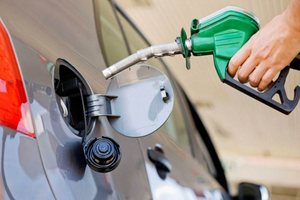
The price of diesel reached 206 lek per liter from 198 lek...

Businesses will no longer be required to simply register t...

Despite economic growth and income in recent years, Albani...

This Wednesday, one US dollar is bought for 81.4 lek and s...