

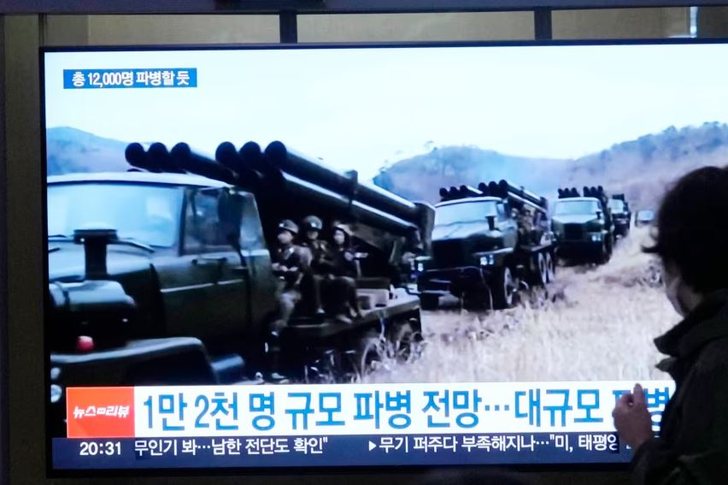
North Korean troops fight with Russians against Ukraine
According to a recent Pentagon assessment, North Korean tr...


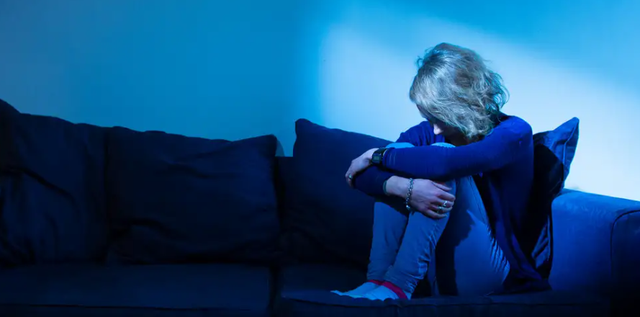
Loneliness is increasingly becoming a problem among young people and can have a serious impact on health. A new survey has revealed that most Germans experience loneliness.
Loneliness is becoming an increasingly serious problem in Germany, according to a new survey conducted by one of the country's leading public health insurers.
About 60% of Germans suffer from loneliness often, sometimes or rarely, according to the survey, which was presented in early December in Berlin by the health insurance company Techniker Krankenkasse (TK).
The study is based on a representative telephone survey of 1,403 people conducted in May by the research institute, Forsa.
Loneliness in youth
It found that loneliness seems to particularly affect young people – of those aged 18 to 39, 68% said they often, sometimes or rarely felt lonely. The issue seems to concern young people even more: 36% of 18- to 39-year-olds said they feel lonely very or fairly badly, while among the 40-59 age group and the over-60 generation, the figure was just 19% and 21% respectively. Speaking at a press conference introducing the report in Berlin (11.12.2024), Janosch Schobin, a sociologist working for the government-backed Loneliness Network, said that this loneliness is often caused by changing life circumstances that are more likely happen at a young age such as leaving home, moving to new cities, and changing jobs.
Singles are three times more likely to feel lonely than those with partners, and although there is no difference between men and women in the intensity of feeling lonely, a partnership does play a role. 33% of singles feel very or quite strongly burdened by loneliness. Among people who have a stable partner, this figure is only 22%.
Loneliness remains a taboo for men
The study found that education level, job or whether people lived in large or small cities were not significant factors in whether or not people were lonely. There was also no significant difference between the number of single men and women.
The main factors that contributed to loneliness are assessed the state of a person's partnerships and social relationships. However, poverty increases the chances of being lonely, and older singles are at higher risk of loneliness than younger singles.
Changing life circumstances is also an important factor: Losing a job and a partner through separation or death often leads to a collapse of social ties and loneliness. But the report found that accepting loneliness continues to be difficult for people, especially men. Only 22% of men experiencing loneliness said they talked about it with other people - compared to 40% of women surveyed.
The main reason given by respondents is that "I didn't want to burden others" with this issue. Some 29% said it was uncomfortable for them to talk about loneliness, while 9% said they had no one they could talk to about their loneliness.
Loneliness is a health issue
Physical and mental illness are also associated with increased feelings of loneliness. Some 23% of people who experience loneliness said they consider their health to be poor – compared to 13% of those who do not feel lonely.
Poor health can lead to loneliness in particular if individual limitations, such as those caused by disabilities, hearing loss or episodes of depression, make it more difficult to communicate with others.
Loneliness appears to be a psychological stressor: Symptoms such as stress and exhaustion, fatigue, low positive mood, sleep disorders and anxiety appear much more often in lonely people. "Loneliness can also lead to physical illness. This is no longer a theory. It has been proven," said Jens Baas, chairman of the board at health insurance company TK, citing links to dementia.
Lonely people also seem to experience general physical ailments more often, including back and stomach pain, breathing difficulties and asthma.
Exactly the link that exists between loneliness and health remains a scientific mystery. "It would be nice if we could explain the connection, but it's not that easy," Baas said. how it works physiologically, we don't know."/ DW

According to a recent Pentagon assessment, North Korean tr...

A high-ranking general in the Russian armed forces has bee...

Ten countries and the European Union called North Korea's ...

President-elect Donald Trump's incoming National Security ...
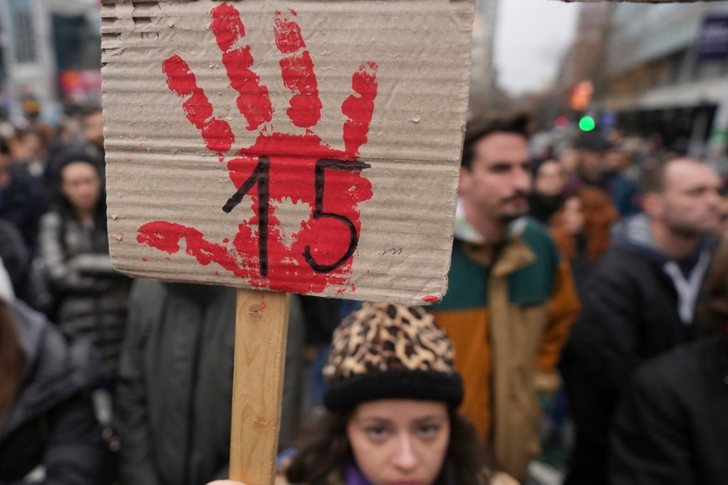
Amnesty International said on Monday that Serbia's secret ...

At least five people have died and five others have been i...
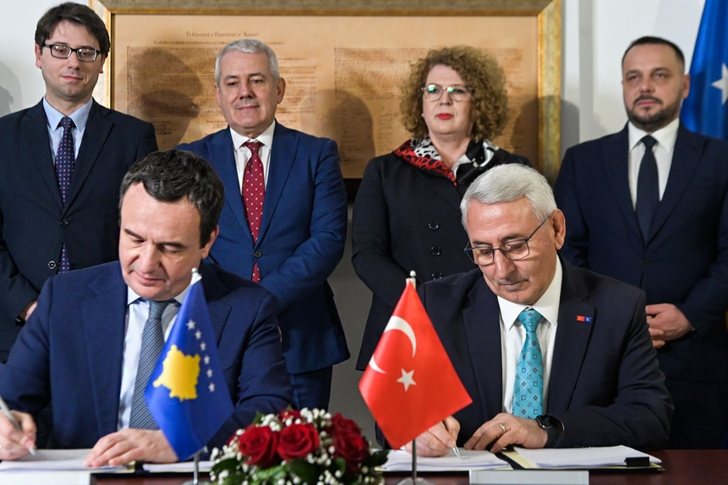
The Government of Kosovo has signed an agreement on Monday...
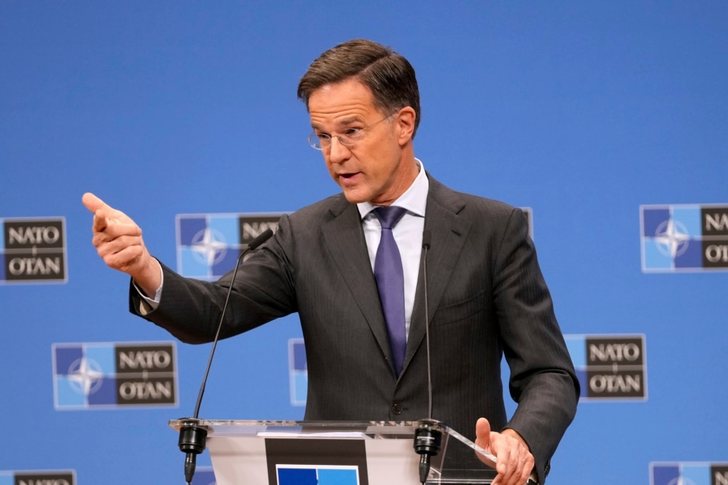
The Secretary General of NATO, Mark Rutte, has called on M...

Macedonian police announced that they arrested four people...
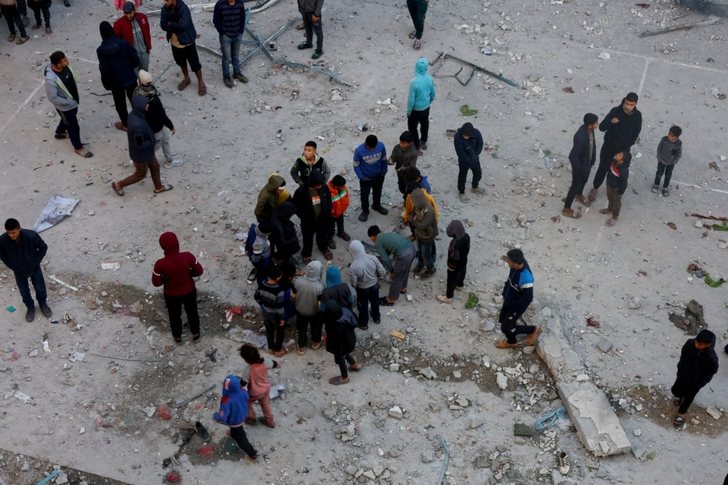
Palestinian authorities, who are controlled by the Hamas g...
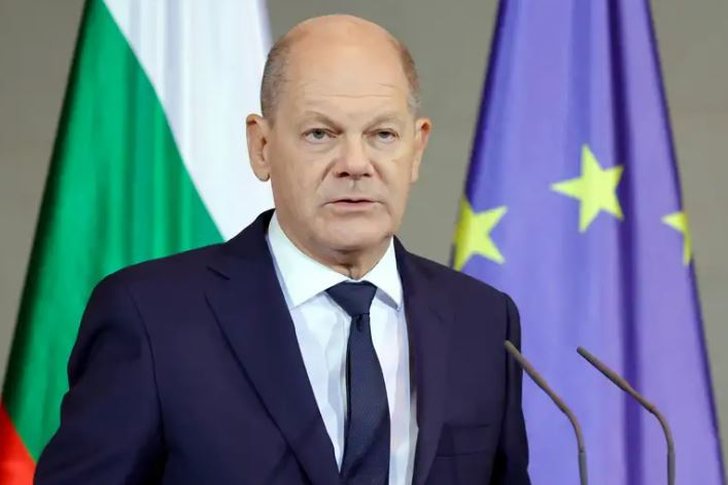
The Chancellor of Germany, Olaf Scholz, lost the vote ...
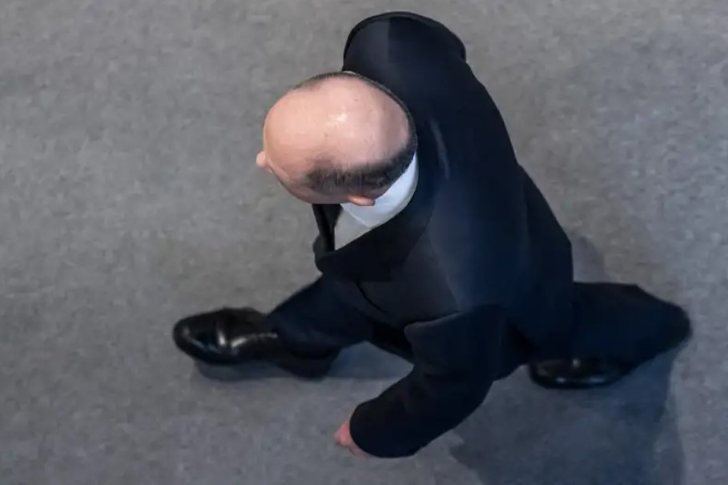
The early elections scheduled for February 23 are being de...
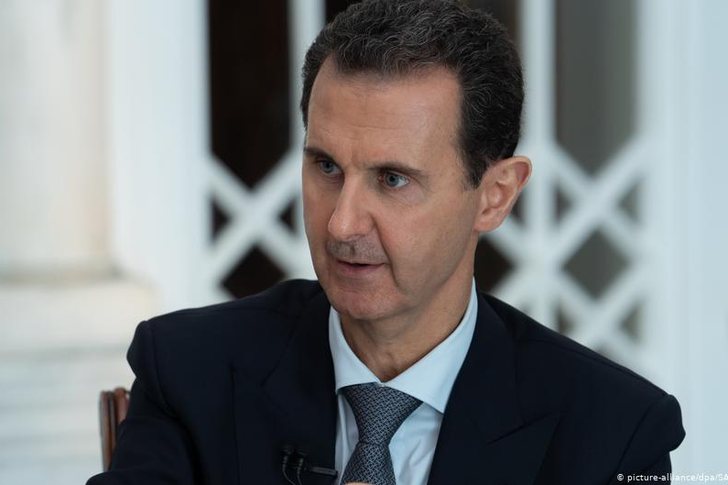
The former president of Syria, Bashar al-Assad, spoke for ...
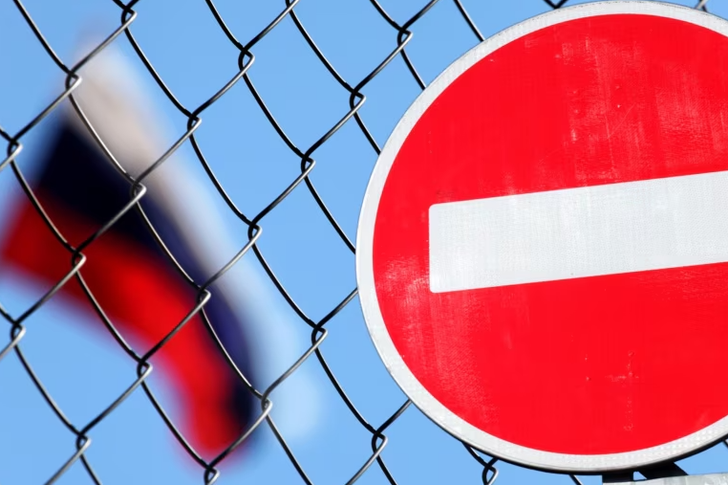
The European Union has approved a 15th package of sanction...
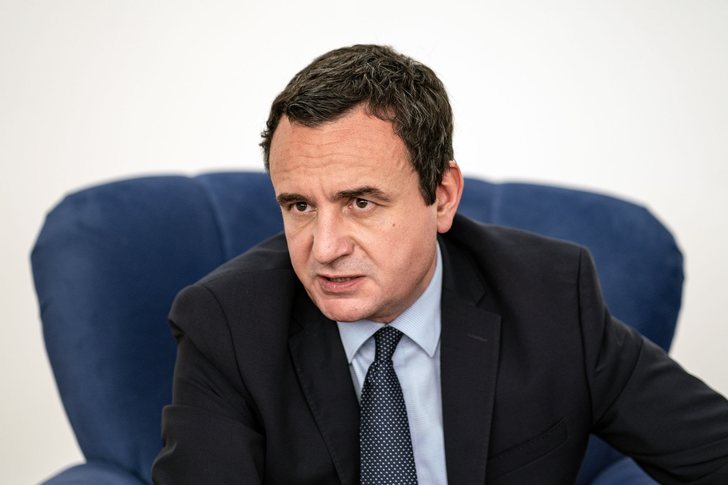
The Prime Minister of Kosovo, Albin Kurti, did not app...
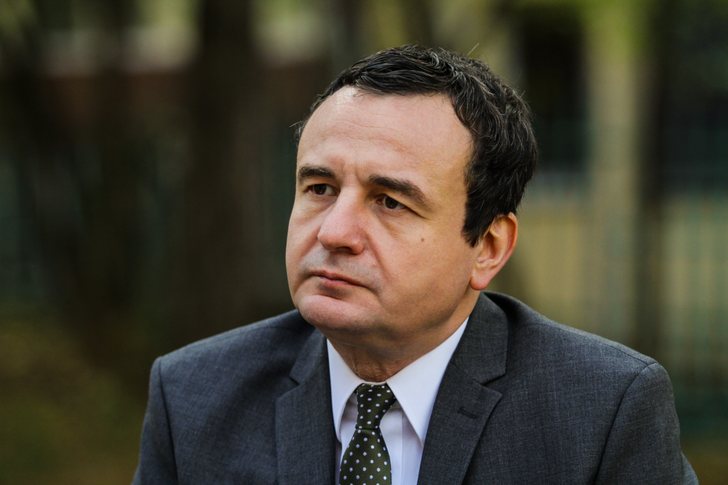
The Prime Minister of Kosovo, Albin Kurti, has been in...
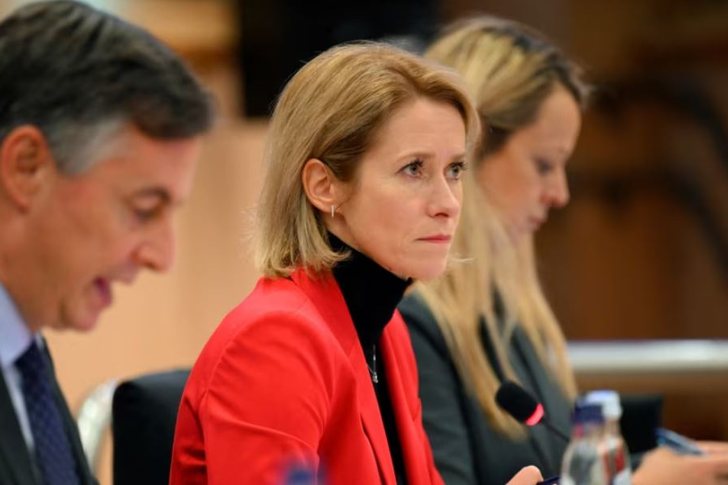
EU foreign policy chief Kaja Kallas said on Monday tha...

Nga 1 janar 2025 do të ndalohet pirja e duhanit në amb...
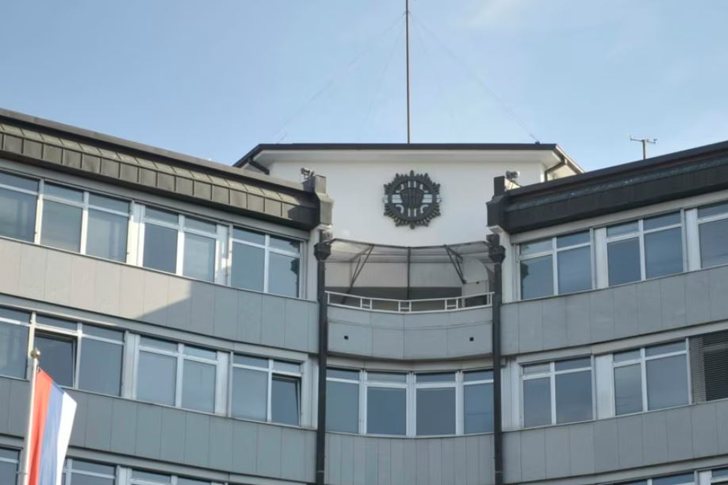
Serbian officials installed spyware on the phones of dozen...

Russian military personnel still in Syria are facing short...

CNA has launched another investigation that could lead to ...

Irfan Hysenbelliu is a businessman that we call "Irfan the...

In March 2026, CNA launched another investigation centered...
The arrested mayor of Tirana, Erion Veliaj, with 13 charge...

The Special Board of Appeal (KPA) decided this Monday ...

The KPA vetting decided this Thursday to dismiss the p...

Suela Salavaçi, a prosecutor in the Prosecutor's Offic...

The Special Board of Appeal reinstated the prosecutor ...

Footage emerges from the serious accident that occurred th...

A Shkodra traffic police officer was hit with hard objects...

This Wednesday, around 4:00 PM, a serious accident occurre...

Tirana Police have shared details regarding the accident t...
A serious accident that occurred this Wednesday with the c...

The Institute of Geosciences has shared a forecast for wea...
Rising energy and fertilizer prices are expected to contin...

Over 18,000 foreign citizens from 140 countries have appli...

The trial of ousted Venezuelan President Nicolas Maduro on...

US President Donald Trump has issued another warning to Ir...

Prime Minister Andy Burnham has announced that most bus fa...

France's parliament has passed a law to ban social media f...

At a time when industrial products are increasingly taking...

Trust among people is not just a three-syllable word. It c...

Master of humor Todi Llupi has passed away at the age of 7...

The ninth edition of "MIK Festival" kicked off with one of...

The price of diesel reached 206 lek per liter from 198 lek...

Businesses will no longer be required to simply register t...

Despite economic growth and income in recent years, Albani...

This Wednesday, one US dollar is bought for 81.4 lek and s...