


The opposition makes noise/The Assembly adopts resolutions on the work of SPAK and other institutions
The opposition has caused a ruckus in the next parliamenta...

The opposition has caused a ruckus in the next parliamenta...

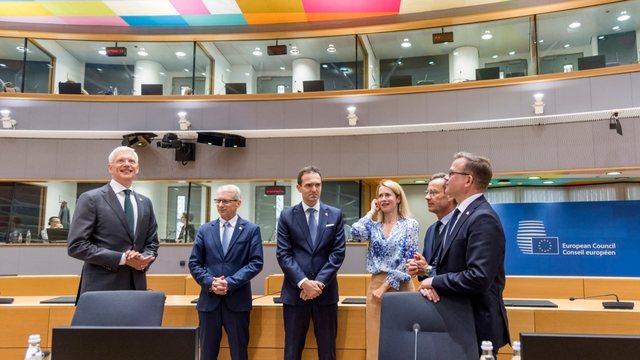
European Union leaders gathered on Thursday in a high-level meeting to discuss the importance of protecting the eastern flank from Russian aggression, as well as strengthening Ukraine's defense capabilities. The head of NATO, Jens Stoltenberg, and the president of Ukraine, Volodymyr Zelensky, will be in the center of attention at this meeting.
President Zelensky will address European leaders through a teleconference. Although it is not officially on the agenda, a large discussion space is expected to take the rebellion of the Wagner group, during the weekend in Russia as well as the impact it may have on the government of President Vladimir Putin.
"The rebellion we saw over the weekend shows that there are cracks and divisions within the Russian system. At the same time, it is important to emphasize that these are internal Russian issues" , said Mr. Stoltenberg after arriving at the headquarters of the European Union in Brussels.
EU leaders agree with this assessment. "This showed deep cracks in Putin's system. This uprising last weekend will be followed by other actions," said the president of the EU Commission, Ursula von der Leyen.
Gitanas Nauseda, President of Lithuania, one of several EU countries bordering Russia, insisted that the weekend uprising is another reason to take a tough stance on Russian President Vladimir Putin.
"Some colleagues sometimes say that a strong Putin is less dangerous than a weak Putin. I don't agree with that. We must move forward and be decisive, because now is a decisive moment in history," he said.
Krisjanis Karins, the Prime Minister of Latvia, another country bordering Russia, said "we cannot control what is happening inside Russia, but we can control what we do from outside".
Officials from several EU member states and institutions said the chaos and instability created by the rebellion would not only force the EU to redouble its support for Ukraine with commitments for more ammunition, but also ensure that the fighting and violence does not spread in the member countries of the bloc.
"There is no room for hesitation," said Estonian Prime Minister Kaja Kallas. "We must continue to raise the cost of Russian aggression."
Some EU leaders said the effects of the rebellion had reached the Kremlin.
"However, they (the uprisings) will certainly have a long-term impact on Russia," German Chancellor Olof Scholz told the ARD channel. "I believe (Russian President Vladimir Putin) has weakened."
Chancellor Scholz said what many EU leaders hoped would happen. They are now seeing the growing impact of the 11 rounds of sanctions the EU has imposed on Russia, in cooperation with the United States.
Although the EU may not offer any military guarantees, there is a prevailing mood that its leaders will toughen the language in the final statement of their meeting. In the latest draft, obtained by the Associated Press news agency, the leaders say they are "ready to contribute, together with partners, to future security commitments to Ukraine that will help Ukraine defend itself in the long term, curb acts of aggression and resist attempts at destabilization.”
Most EU countries are also NATO members, and at the alliance's July 11-12 meeting they will consider offering more security guarantees to Ukraine, although they are not expected to offer it full membership. full in NATO.
EU countries have also offered billions of euros in aid to boost Ukraine's military reserves and shore up the country's battered economy. EU leaders will also consider the possibility of using Russia's frozen assets, amounting to around 200 billion euros, to help Kiev./ VOA

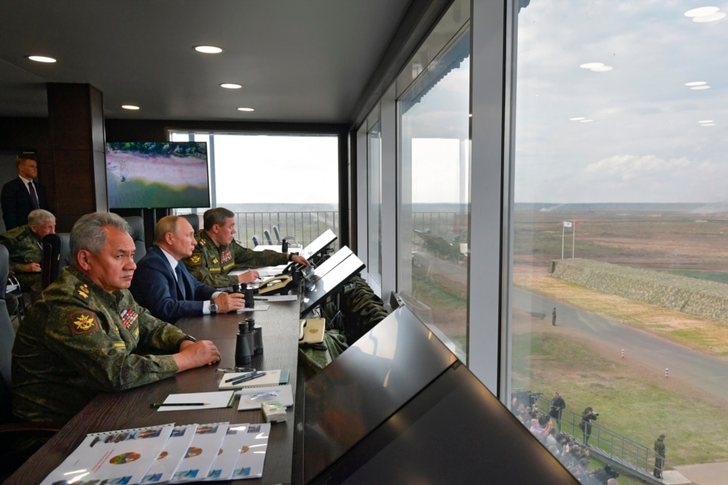
Russia's top generals have not been seen in public since t...
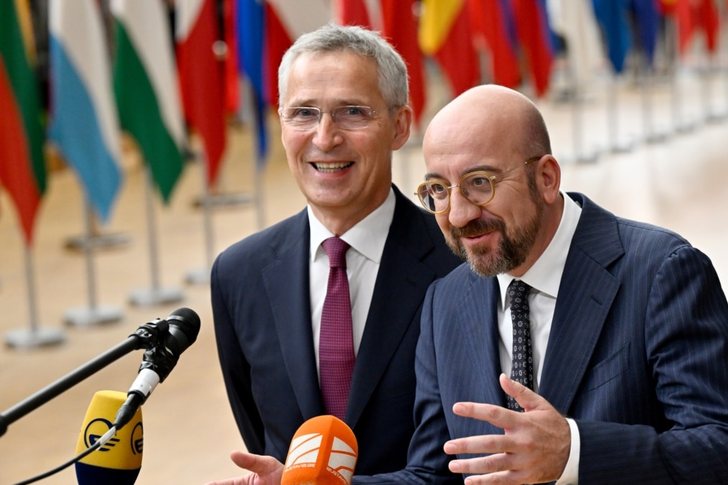
The President of the European Council, Charles Michel, sai...
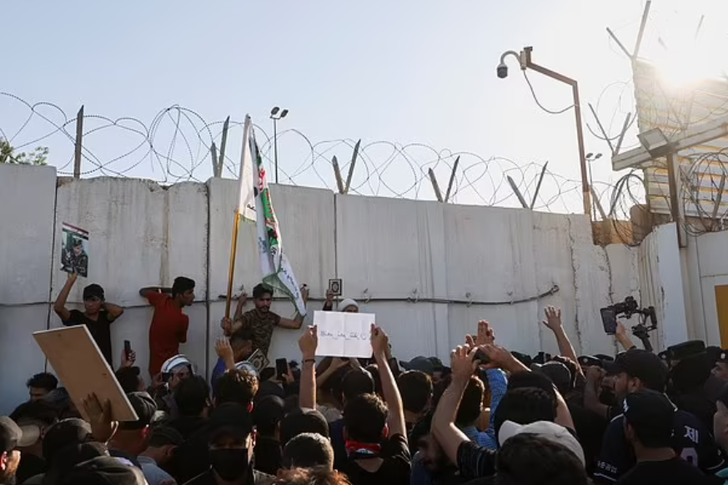
A protest with tensions and clashes took place today at th...
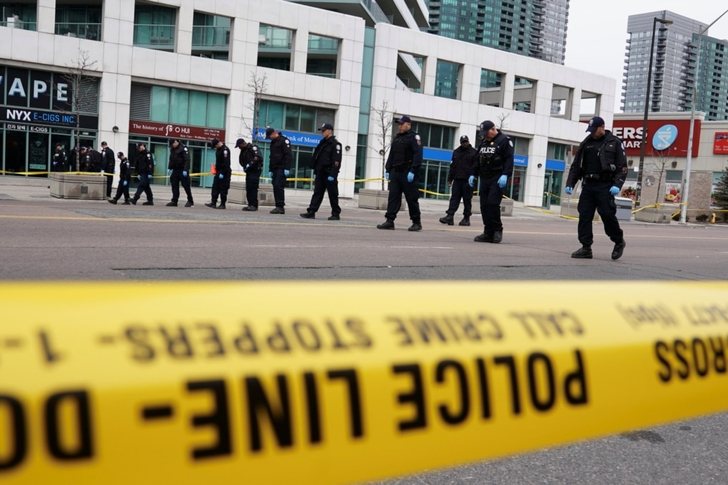
A professor and two students were stabbed during a lecture...
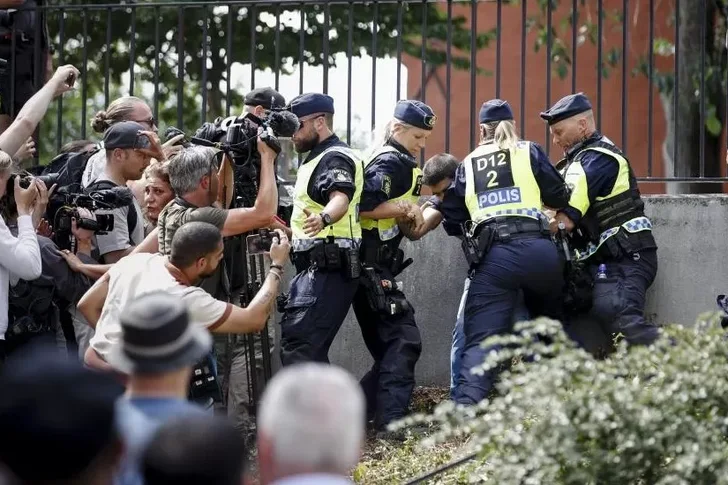
Tens of people protested in front of the Swedish embassy i...
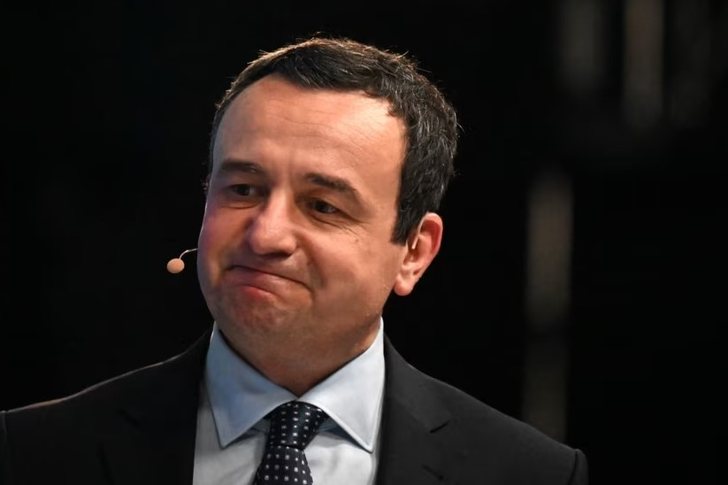
The Prime Minister of Kosovo, Albin Kurti, has publish...
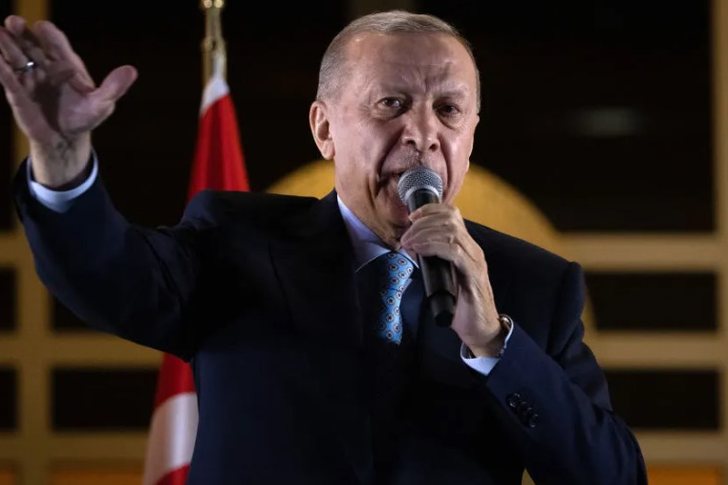
The burning of the Koran by two men in Sweden after a Swed...
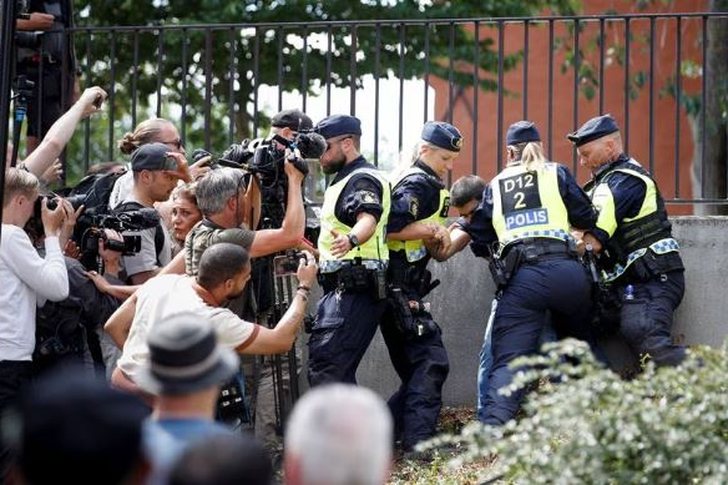
Several Muslim-majority countries have condemned the burni...
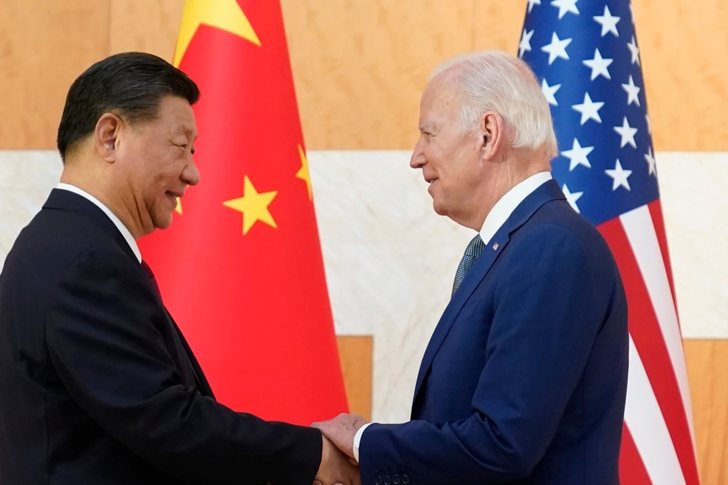
WASHINGTON - The United States' efforts to ease tensions w...
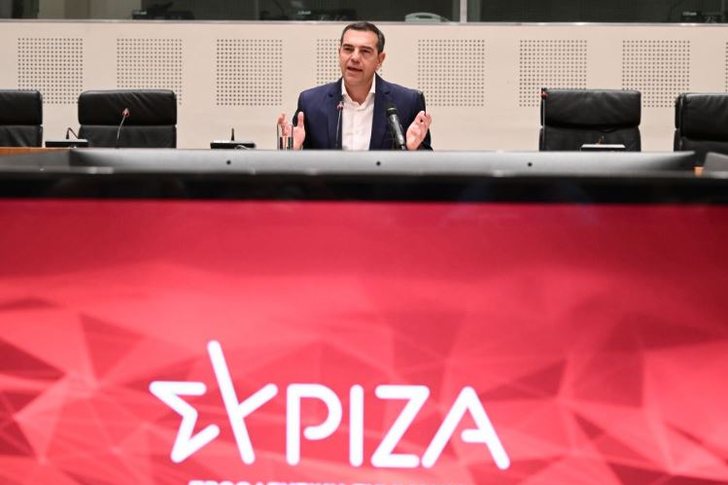
Alexis Tsipras, the leader of SYRIZA, has submitted his re...
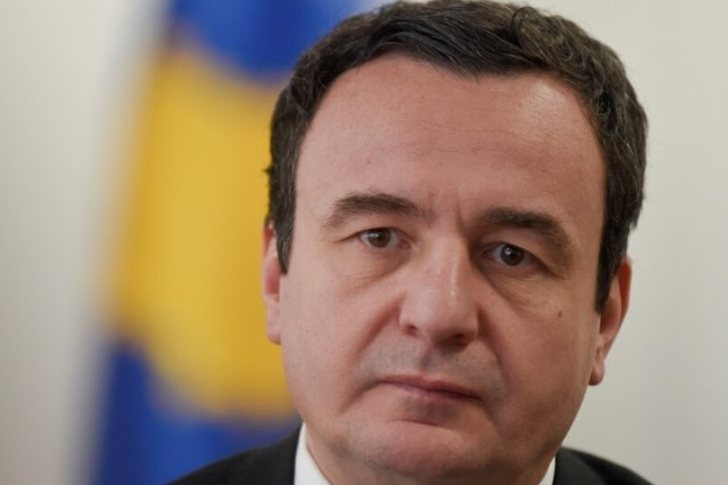
The Prime Minister of Kosovo, Albin Kurti, has spoken ...
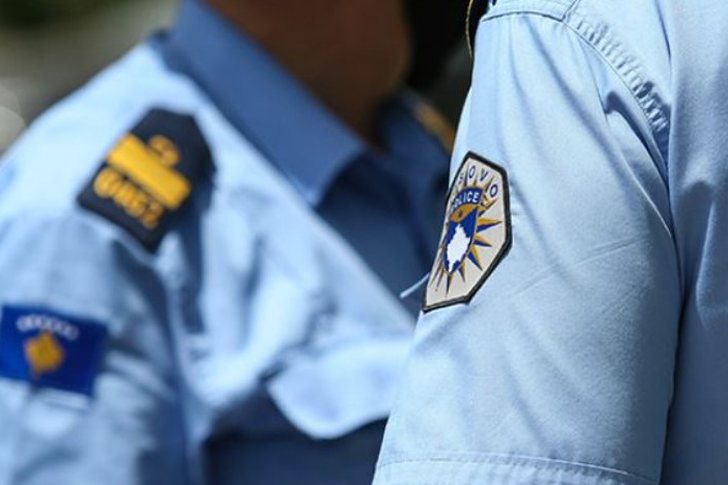
Last night, the static point of the Kosovo Police at "Tre ...
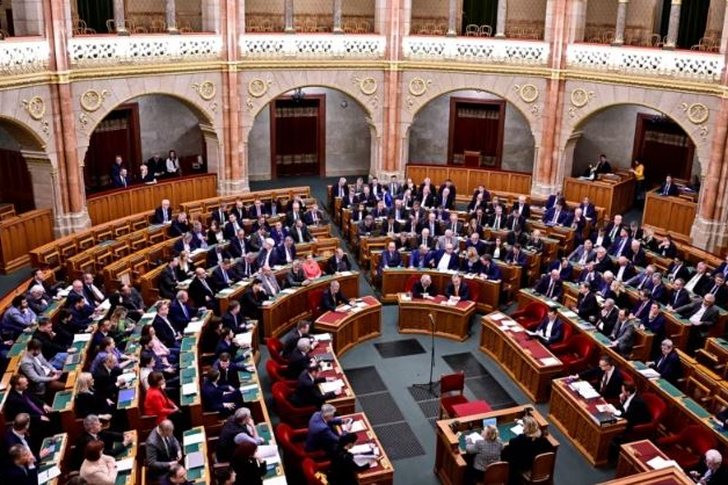
Hungary's parliament will not ratify Sweden's NATO members...

Një ngjarje e rëndë është regjistruar pranë Konsullatës së...
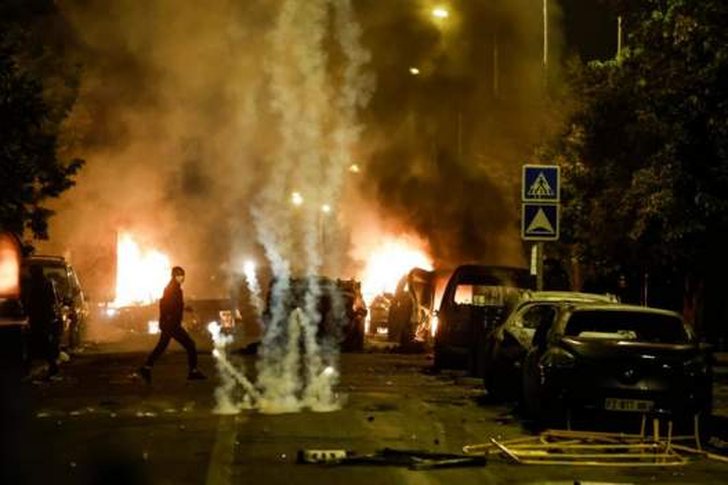
At least 150 people have been arrested across France in th...
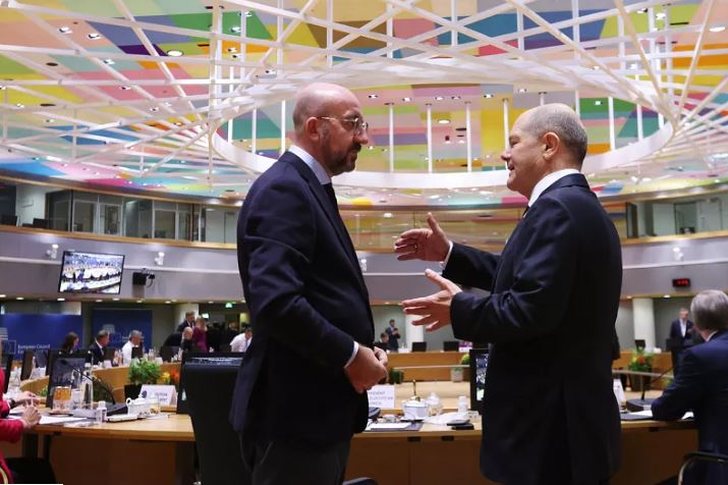
The leaders of the 27 member countries will gather today i...
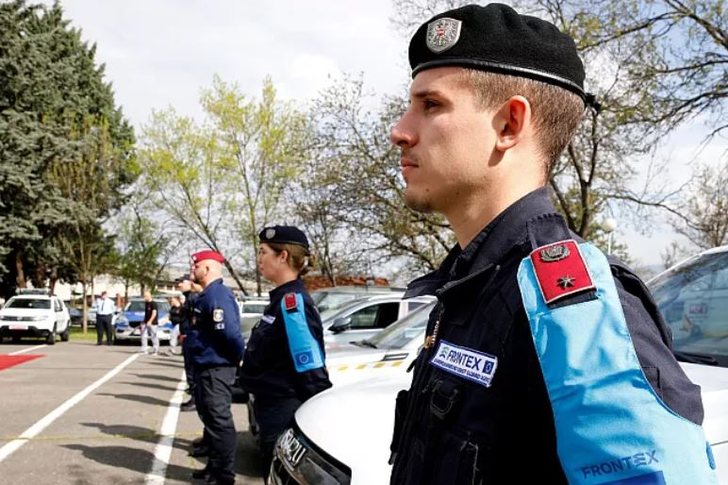
The agency's human rights officer has recommended that Fro...
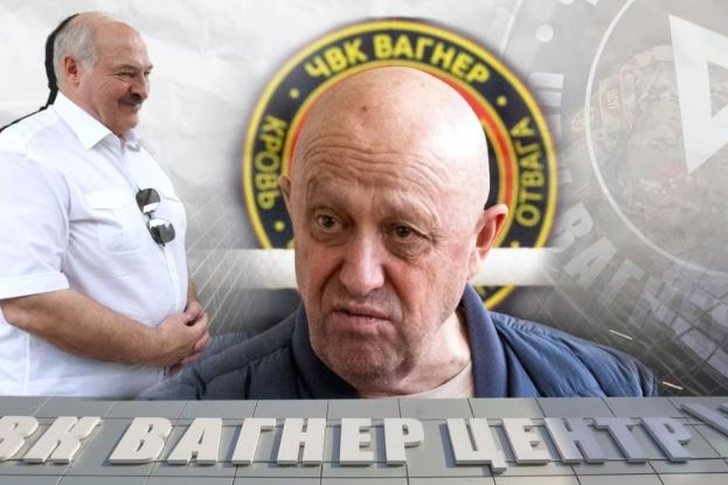
Kur tanket e mercenarëve të Wagnerit lëviznin drejt Moskës...

The Federal Bureau of Investigation (FBI), as well as the ...
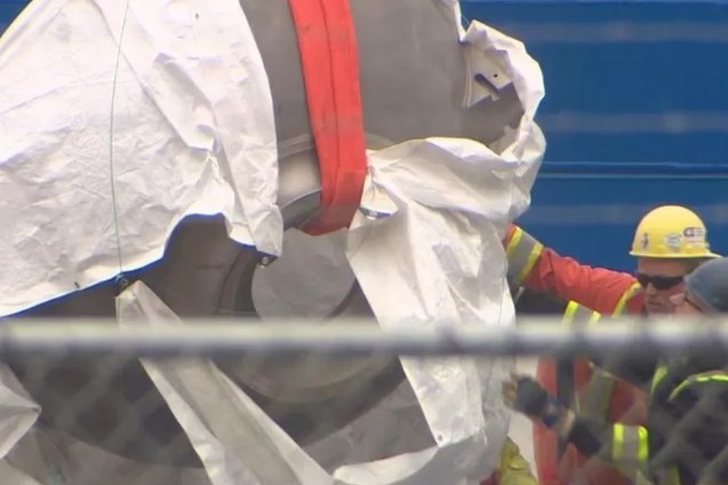
For the first time, parts of the "Titan" submarine that ex...

CNA has launched another investigation that could lead to ...

Irfan Hysenbelliu is a businessman that we call "Irfan the...

In March 2026, CNA launched another investigation centered...
The arrested mayor of Tirana, Erion Veliaj, with 13 charge...

The Special Board of Appeal (KPA) decided this Monday ...

The KPA vetting decided this Thursday to dismiss the p...

Suela Salavaçi, a prosecutor in the Prosecutor's Offic...

The Special Board of Appeal reinstated the prosecutor ...
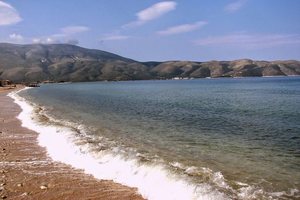
A person has died today on Orikum beach. According to repo...
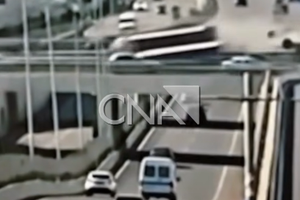
Footage emerges from the serious accident that occurred th...
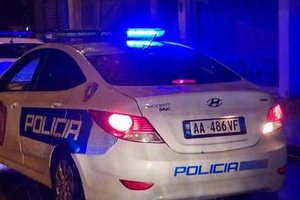
A Shkodra traffic police officer was hit with hard objects...
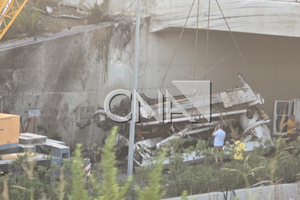
This Wednesday, around 4:00 PM, a serious accident occurre...

Children without parental care, for whom alternative famil...

On Thursday, our country will be under the influence of st...
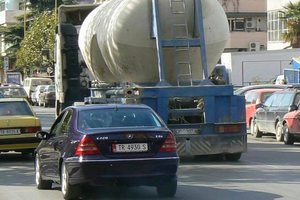
A serious accident that occurred this Wednesday with the c...

The Institute of Geosciences has shared a forecast for wea...

Artificial intelligence (AI) models from the American comp...
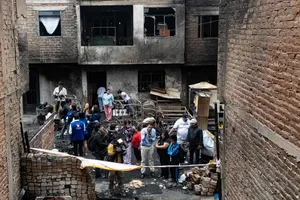
At least 10 people have died after a fire broke out in a h...
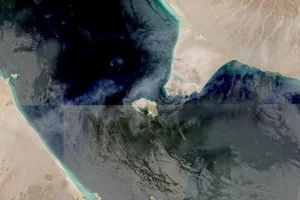
Yemen's Houthis have claimed to have attacked two Saudi oi...

The trial of ousted Venezuelan President Nicolas Maduro on...

At a time when industrial products are increasingly taking...

Trust among people is not just a three-syllable word. It c...

Master of humor Todi Llupi has passed away at the age of 7...

The ninth edition of "MIK Festival" kicked off with one of...

The average sale price of apartments in Tirana reaches rec...

This Thursday, one US dollar is bought for 81.5 lek and so...
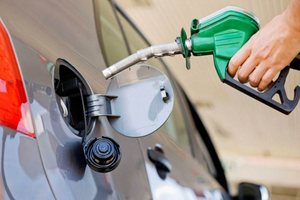
The price of diesel reached 206 lek per liter from 198 lek...

Businesses will no longer be required to simply register t...