

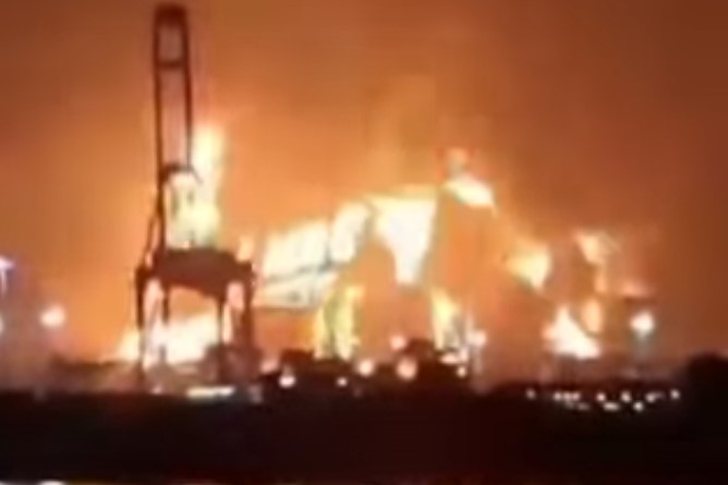
Iran attacks world's largest liquefied natural gas facility/ Footage from missile strikes
Iran attacked yesterday evening with missiles the industri...


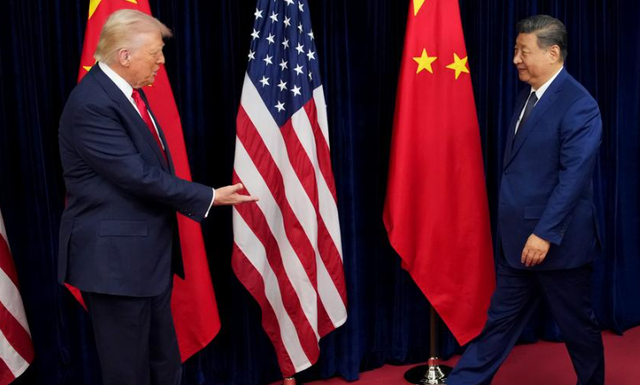
Donald Trump's visit to Beijing was intended to stabilize fragile relations amid a trade and technology conflict with China. Now the war with Iran is reshaping his agenda and Beijing's influence.
US President Donald Trump has asked China to postpone his planned visit to Beijing because of the war in Iran. "I think it's important for me to be here," Trump said in Washington on Monday.
The move comes as the US-Israeli war against Iran escalates and the United States faces growing military and economic pressure. The conflict could reshape Washington's priorities and strain already fragile relations with China.
Trump was expected to travel to Beijing from March 31 to April 2. His visit was highly anticipated, given the deep strategic and trade rivalry between the United States and China — a rivalry that has become even more acute under Trump's tariff campaign.
On Tuesday (March 17, 2026), Trump said the trip would take place “within five or six weeks.” He said: “We’re working with China. They’re fine with that.” On Sunday, he suggested that the timing of the visit could depend on one thing: whether China helps unblock the Strait of Hormuz, which Iran has de facto closed in response to US-Israeli attacks.
Still don't have an agenda?
"Both China and the United States will continue to pay attention to maintaining communication regarding President Trump's visit to China," Lin Jian, a spokesman for China's Foreign Ministry, said at a press conference on Wednesday.
It would be Trump's first trip to China during his second term and was initially planned to stabilize relations after years of tensions over trade, technology and the military balance in the Indo-Pacific.
John Seaman from the Center for Asian Studies at the Institut Français des Relations Internationales (Ifri) told DW that the postponement sends a clear signal: "The postponement of the long-awaited trip to Beijing clearly suggests that Trump is stalling in the Middle East — as the US has often done in the past — and is therefore losing focus on China."
Seaman said the visit was not yet fully prepared, despite planning meetings between US and Chinese officials in Paris. "This kind of visit requires months of serious planning and negotiations," he said.
"Xi Jinping is not a leader who improvises. It is very likely that such an ill-prepared trip would not have yielded any significant results. The postponement gives both sides more time to clarify things."
Claus Soong, an analyst at the Mercator Institute for China Studies (MERICS), told DW that "Iran may be part of the reason, but it's not just Iran. The main factor for the delay is Paris, where the two sides met and did not reach a consensus on what Trump and Xi will talk about in Beijing."
The delay has revived concerns in China about Trump's credibility as a negotiating partner. "The delay, in Beijing's eyes, shows that mutual trust is increasingly eroding," Soong said. "The fact that Trump is predictable undoubtedly worries Beijing."
The Iran War Reshapes Priorities
According to the US military, at least 200 soldiers have been wounded since the attacks on Iran began on February 28. Thirteen members of the US forces have been killed. The US human rights group HRANA said on Monday (16.03.2026) that more than 3,000 people have been killed inside Iran so far.
The conflict is spreading across the Middle East. Iran has launched missile attacks on Gulf states that host US bases. The Strait of Hormuz - one of the world's most important energy shipping lanes - is now virtually closed to oil exports due to fears of mines and attacks.
Only "dark transits", ships that move with systems that automatically turn off their identification elements and are most likely linked to Iran, are still passing through.
Global shipping and energy prices have soared. Trump has asked major oil importers, including China, to send naval support. But analysts say Beijing — which considers Tehran a partner — is unlikely to join in. “Beijing knows that time is not on the US’s side. They can wait and see,” Soong said.
"If the war drags on and the Strait of Hormuz remains closed, oil reserves will be depleted very quickly. This will create great pressure on Trump, especially considering that he will face midterm elections."
China, the largest buyer of Iranian oil, may be less vulnerable to the crisis because it is said to have the world's largest oil reserves. It also continues to import oil from Iran, Soong said. That gives Beijing a significant bargaining chip in talks with Washington.
A ceasefire in the trade war
The summit in Beijing was intended to stabilize the trade and technology truce that Trump and Xi reached in Busan in late 2025. "There is a balance, but it is a balance of intimidation," Soong said.
"It's a pause, not an end to competition." China responded to Trump's tariffs and U.S. controls on computer chip exports by imposing restrictions on the export of rare earth minerals to the United States.
China maintained some of those restrictions even after Washington lowered tariffs. Trump now wants progress on agricultural purchases ahead of the midterm elections. More Chinese imports of American chicken, beef and crops could help him with voters in farm states.
Tensions over Taiwan rise
Security concerns are adding to the pressure. Reuters reported last week that a $14 billion arms package for Taiwan is poised to be approved by Trump. It could be announced after his visit to China. The package is expected to include advanced air defense systems. According to Soong, Beijing sees this as a provocation. “For the Chinese government, this is a blow to whatever positive atmosphere the two sides have been trying to build. And Beijing cannot wait for Trump to say that he opposes Taiwan independence — that is Beijing’s core interest.” Beijing claims Taiwan as part of China and has warned that it will use force, if necessary, to bring the island under its control. According to Soong, the war in Iran may not immediately change the global rivalry, but it highlights a trend. "It's not yet a turning point. But it does indicate that during Trump's second term, we could see a shift in the US-China race, as the US becomes less popular and less able to mobilize allies."/ DW

Iran attacked yesterday evening with missiles the industri...

Në një klasë në qytetin e Kriva Palanka në Maqedoninë e Ve...
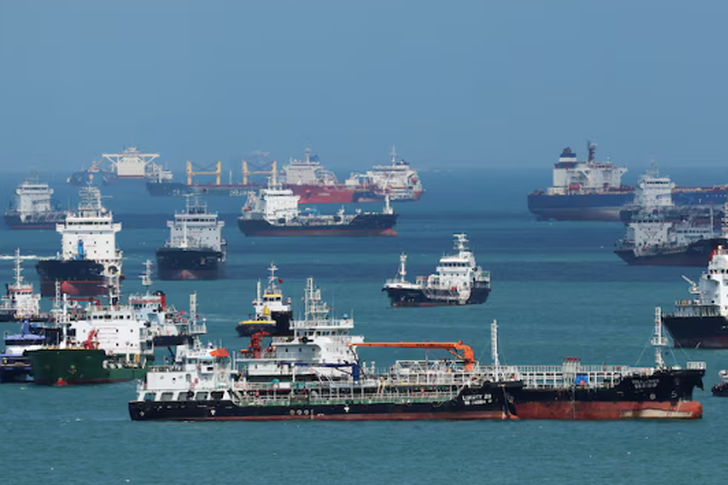
Asia is expected to hit record levels of fuel imports from...
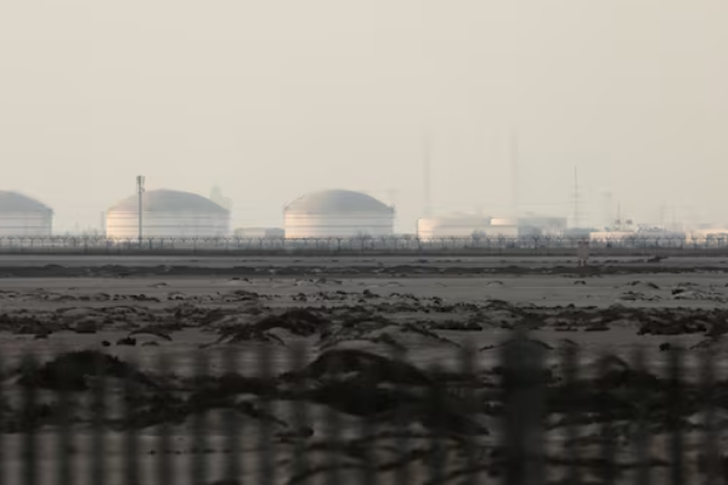
Missile attacks from Iran have hit the main liquefied natu...
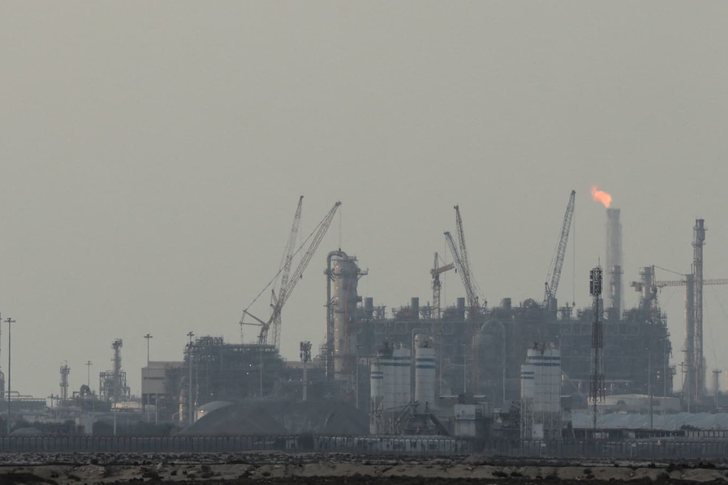
Lufta në Lindjen e Mesme ka hyrë në ditën e saj të 20-të n...

French President Emmanuel Macron has declared that there s...
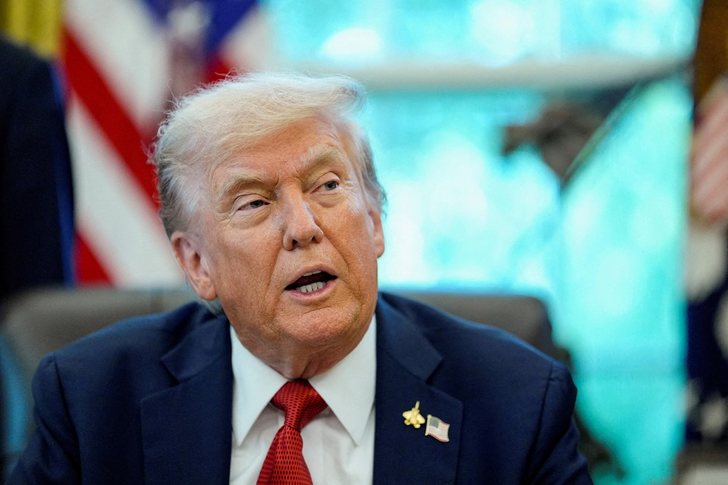
US President Donald Trump has reacted through a post on Tr...
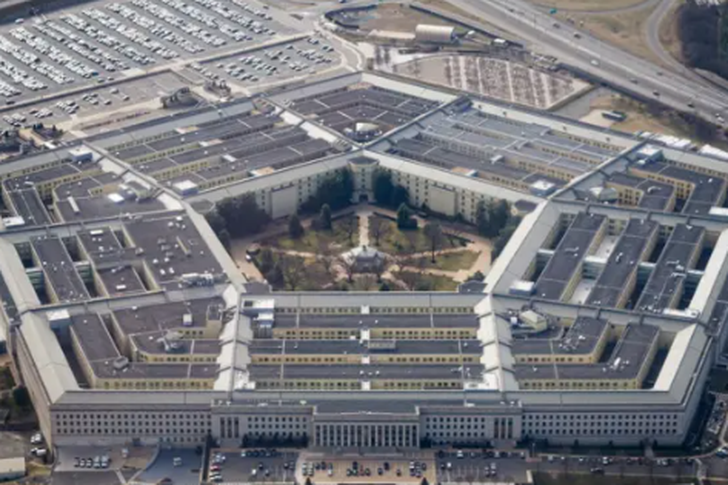
The Pentagon has asked the White House to approve more tha...
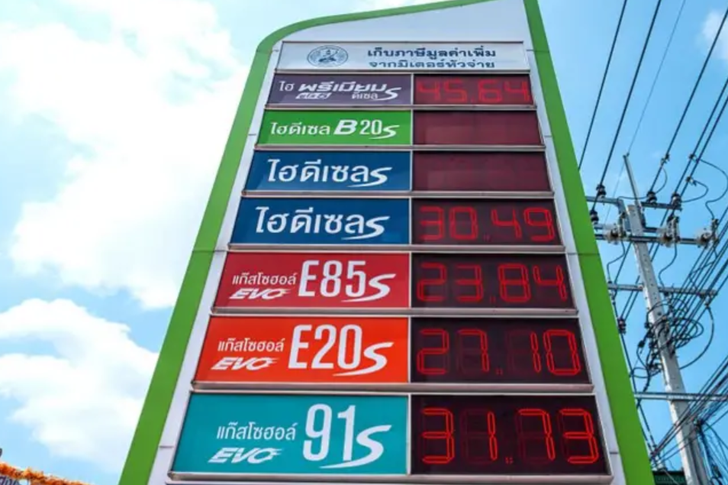
The price of Brent crude oil rose 4% to $112 (£84.34) a ba...

Reuters reports that US Vice President JD Vance plans to v...
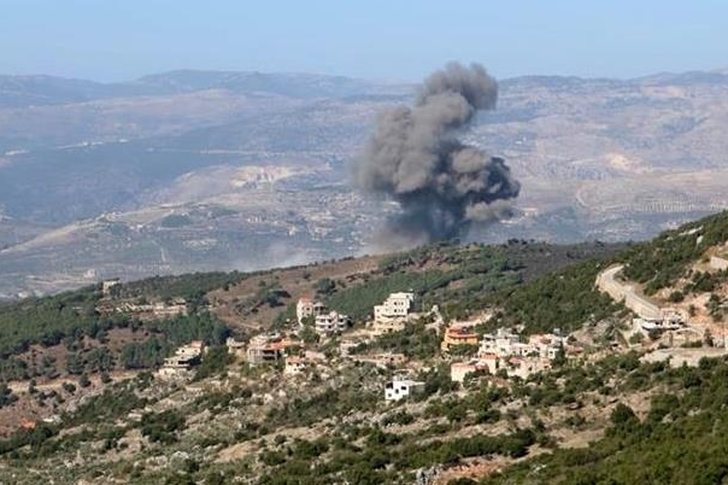
The Lebanese group Hezbollah says it has attacked groups o...
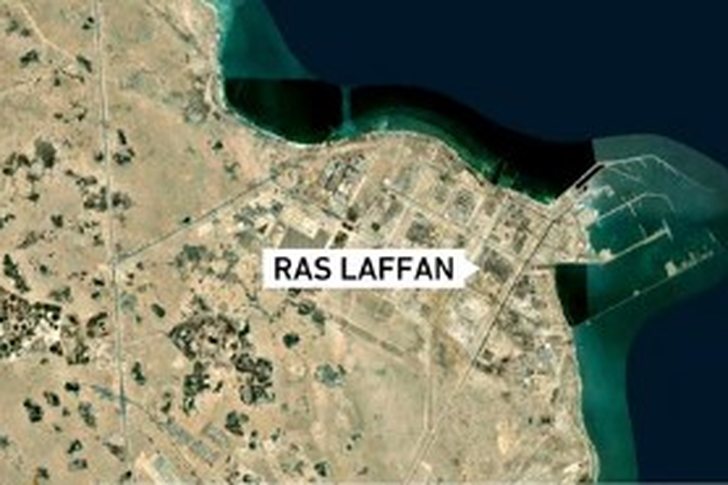
Attack on Ras Laffan could lead to supply shortages and ri...
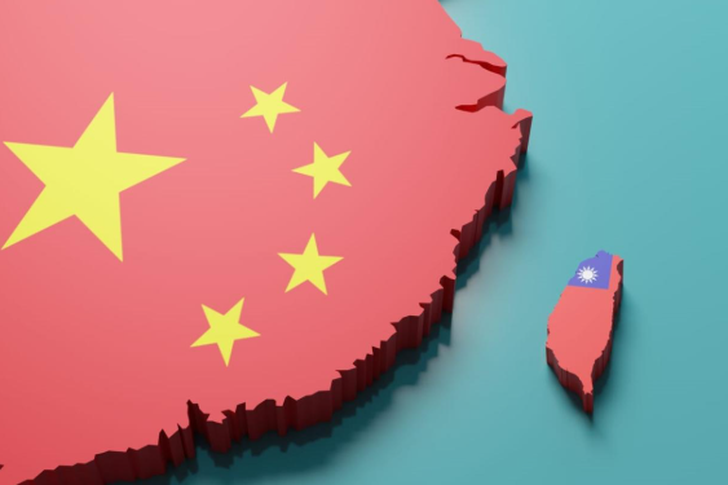
According to an assessment by the United States intelligen...
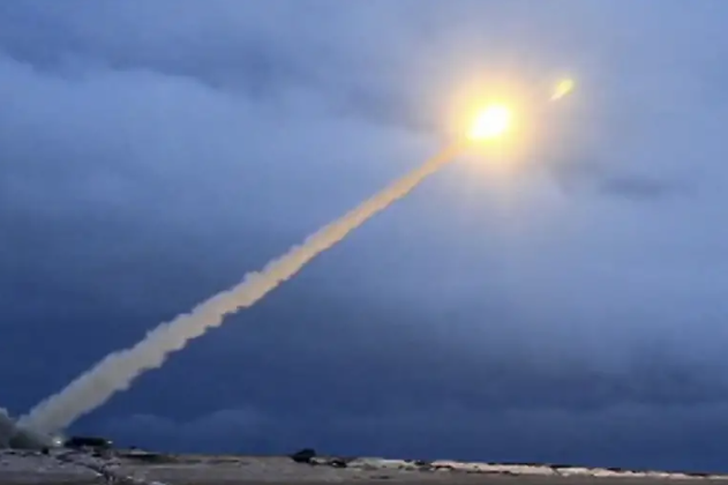
The Israeli military has announced that it has launched ai...

An urgent public health alert has been issued following a ...
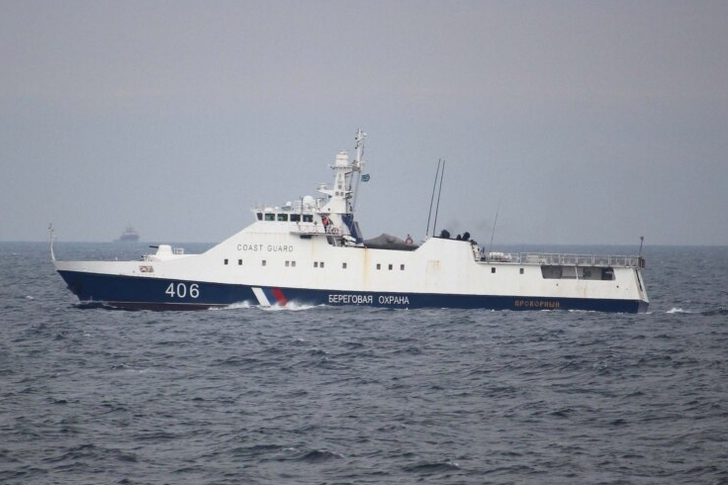
According to reports from the international media "Financi...
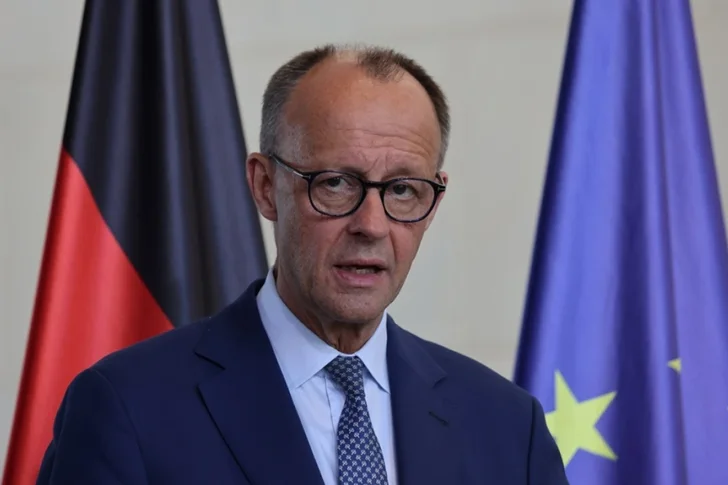
Germany is trying to maintain a careful diplomatic balance...
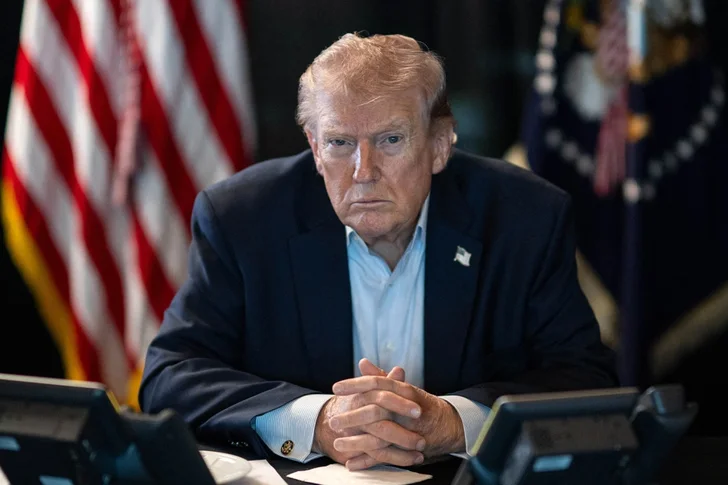
According to a report by The New York Times, former US Pre...
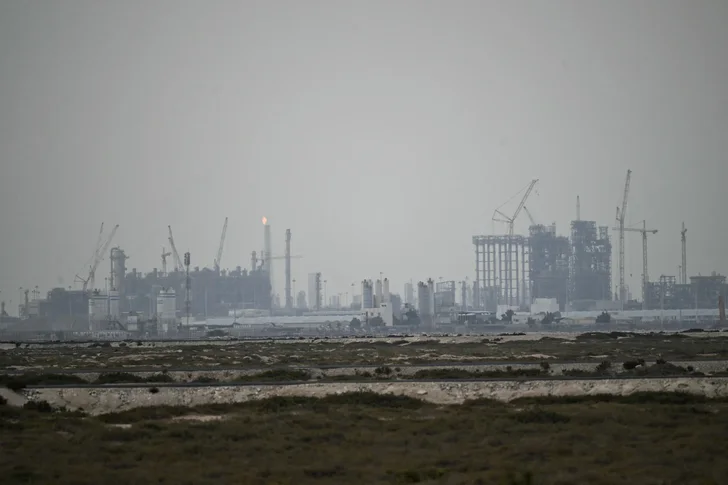
Qatar's state oil company, QatarEnergy, announced that mis...
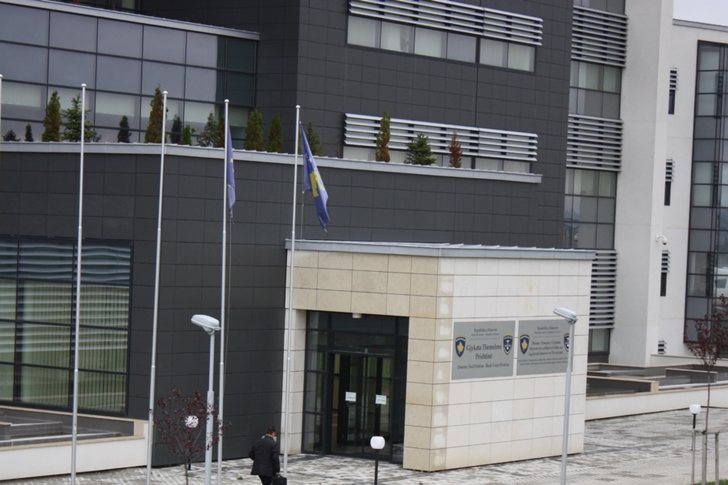
The Basic Court in Pristina has found guilty and sentenced...

CNA has launched another investigation that could lead to ...

Irfan Hysenbelliu is a businessman that we call "Irfan the...

In March 2026, CNA launched another investigation centered...
The arrested mayor of Tirana, Erion Veliaj, with 13 charge...

The Special Board of Appeal (KPA) decided this Monday ...

The KPA vetting decided this Thursday to dismiss the p...

Suela Salavaçi, a prosecutor in the Prosecutor's Offic...

The Special Board of Appeal reinstated the prosecutor ...
Citizen MH, 61, a fisherman, was found dead near the islan...

Another phase of the international operation, codenamed "T...

Police have arrested a 34-year-old woman at Rinas Airport ...

A serious accident has occurred on the Lezhë-Shëngjin axis...

Over 18,000 foreign citizens from 140 countries have appli...

This Wednesday, our country will be under the influence of...
All of Southern Europe will face changing weather conditio...

Albania was hit by temperatures significantly higher than ...
Prime Minister Andy Burnham has announced that most bus fa...

France's parliament has passed a law to ban social media f...
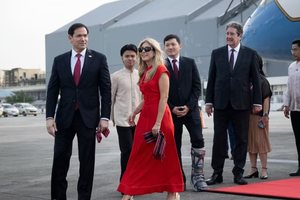
US Secretary of State Marco Rubio arrived in Manila on Jul...

In the space of a few days, Ukrainian President Volodymyr ...

At a time when industrial products are increasingly taking...

Trust among people is not just a three-syllable word. It c...

Master of humor Todi Llupi has passed away at the age of 7...

The ninth edition of "MIK Festival" kicked off with one of...

Businesses will no longer be required to simply register t...

Despite economic growth and income in recent years, Albani...

This Wednesday, one US dollar is bought for 81.4 lek and s...

Construction company licenses will have a validity period ...