


Fire at the waste field in Kruja/ Toxic smoke covers the area
The waste field in Kruja has been engulfed in flames since...

The waste field in Kruja has been engulfed in flames since...

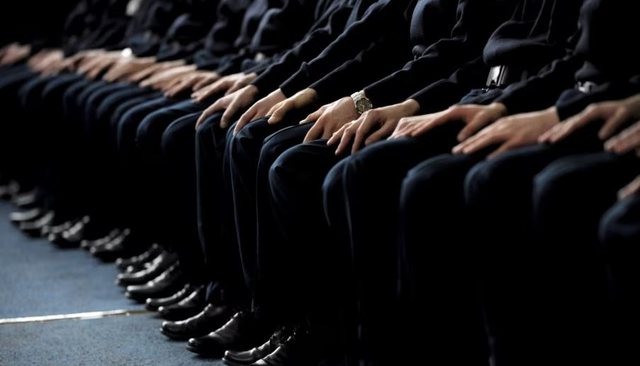
The last tests of applicants for cadets in the Kosovo Police revealed that at least 13 of the nearly 1,000 tested tested positive for drug use.
At least eight of them were excluded from the recruitment process. Courts are already involved in examining their cases.
What were the policemen tested for?
To be admitted to the Kosovo Police, cadet candidates must undergo several checks, including tests for some types of drugs, medical, psychological and others.
Until the end of last year, drug tests were carried out in private institutions, but after an agreement of understanding between the Kosovo Police and the Kosovo University Hospital and Clinic Service, they have been transferred to state institutions.
The director of the Biochemistry Clinic at the University Clinical Center of Kosovo, Shemsi Veseli, confirms for Radio Free Europe that some candidates tested there have tested positive for amphetamine and some other types of narcotic substances.
"In the first group of 426 people, in January, eight tested positive, while in the group in March, of 519 people, five tested positive," says Veseli.
"It should be mentioned that in the first group they mostly tested positive for amphetamine, while in the second group there was a wide range of substances", he adds.
The Kosovo Police say that for the first eight candidates who have tested positive for narcotic substances, the decision has already been made to exclude them from the recruitment process.
The same decision is expected to be made for the other five.
"Candidates who do not meet the required standards in one of the areas where the medical/psychological checks are carried out, cannot continue the procedures to become Kosovo Police cadets", says a statement of this institution given to Radio Free Europe.
The Kosovo Police did not respond to REL's question whether in the past, when tests were performed in private institutions, there were positive cases of drug use.
Lawsuit in the courts
Radio Free Europe found out that at least two of the candidates for cadets, who were excluded from the recruitment process, have already filed lawsuits in the courts against the Kosovo Police.
For one of the cases, the Basic Court in Prizren confirmed for the REL that it has taken a procedural decision, asking the Biochemistry Clinic at KKUK to do detailed expertise, which would confirm if the person in question is a user of narcotic substances.
In the clarification for the REL, the court said that it was requested to clarify which period of time the result refers to - whether it reflects only the current situation or even a longer period of time.
"The proposer [plaintiff] has the obligation to allow the aforementioned institution [Biochemistry Clinic] to carry out this expertise, or to appear at the aforementioned institution after being summoned by him", it is stated in the statement that the Basic Court in Prizren gave to REL.
There, it is also emphasized that after accepting the expert's report, the court will continue with the handling of the case.
REL also contacted the plaintiff's lawyer, but he said he is not allowed to speak.
The Basic Court in Pristina, on the other hand, did not respond to REL's interest in commenting on the lawsuit filed in this institution.
Similarly, the Kosovo Police did not comment on the lawsuits against her.
"Tests are safe"
The director of the Biochemistry Clinic, Shemsi Veseli, says that testing at KKUK reduces the risk of future police officers being users of abusive substances.
Regarding the tests carried out in Biochemistry, he says he has no doubts.
"There should be no hesitation [about accepting the result], because the tests are safe and there is no bias. We do the tests and we don't see the names, we don't know the candidates... The court has raised this issue and we will respond", says Veseli, but without giving more details.
The toxicology specialist, Nardi Sheqerxhiu, says that the tests used in the KKUK to identify narcotic or abusive substances are quick or rapid and are carried out through urine.
"Amphetamine is detected in urine up to 48 hours after the last use. After 48 hours, the test for amphetamine in the urine can be negative, because the consumed substances are constantly eliminated with the urine", says Sheqerxhiu for Radio Free Europe.
This means that if a police cadet candidate has tested positive for amphetamine, they may test negative if retested.
Sheqerxhiu says that there are some tests that can be performed through the hair, which give results for a longer period after the last use of abusive substances, but, according to him, they are not performed in Kosovo.
Formed almost 25 years ago, the Kosovo Police has a mission "to provide law enforcement in a professional, effective and efficient manner"./REL


For 25 years Mauro Congedo and his brother have been findi...
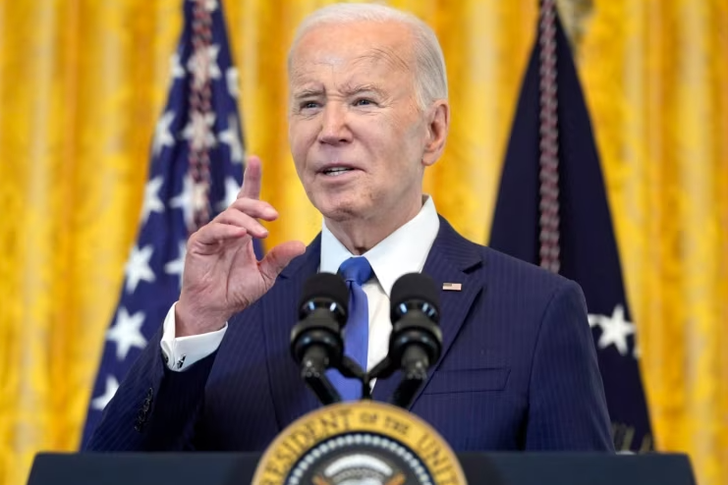
US President Joe Biden said Israel is honoring his request...

Një nga pengjet që u mor nga luftëtarët e Hamasit – grupit...

The European Union said it does not want to comment on Ser...
Europol, through a recent report, identifies the most thre...

More than 100 people were on board a ferry when it caught ...
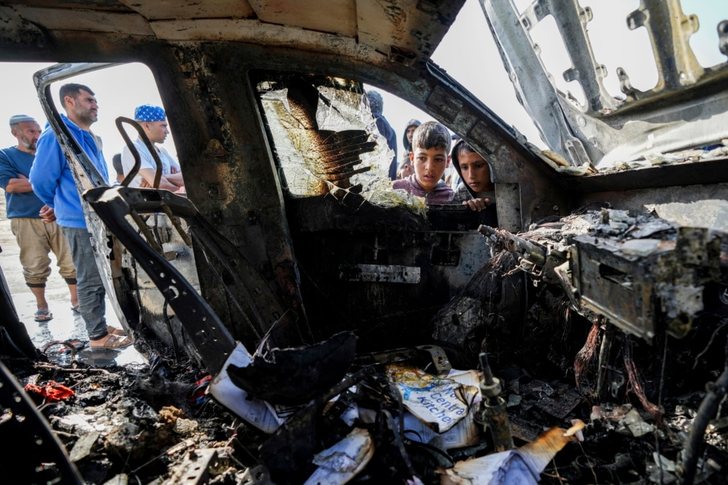
Israel's military said on Friday it had fired two senior o...
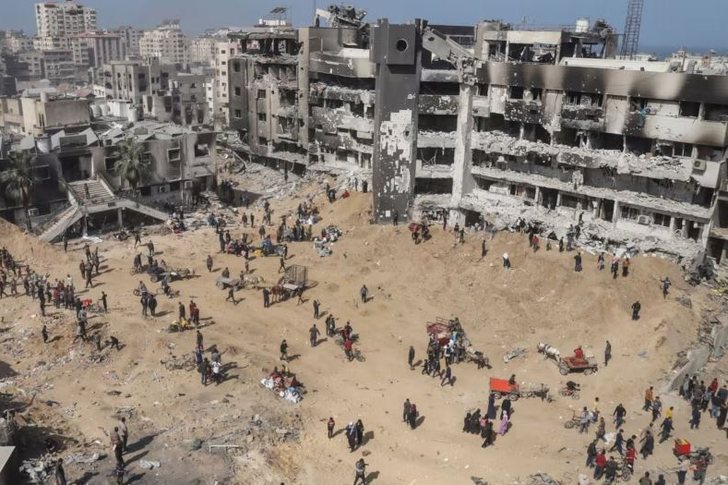
Israel says it is taking steps to increase the flow of hum...
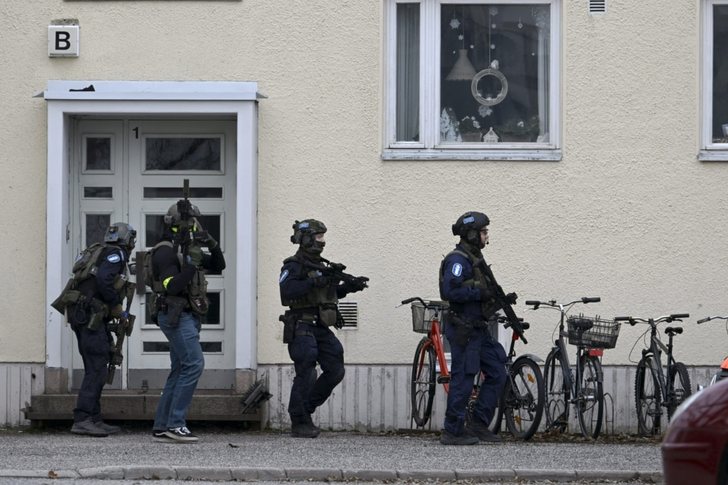
Finland already has a pretty "strict" gun law and now is n...
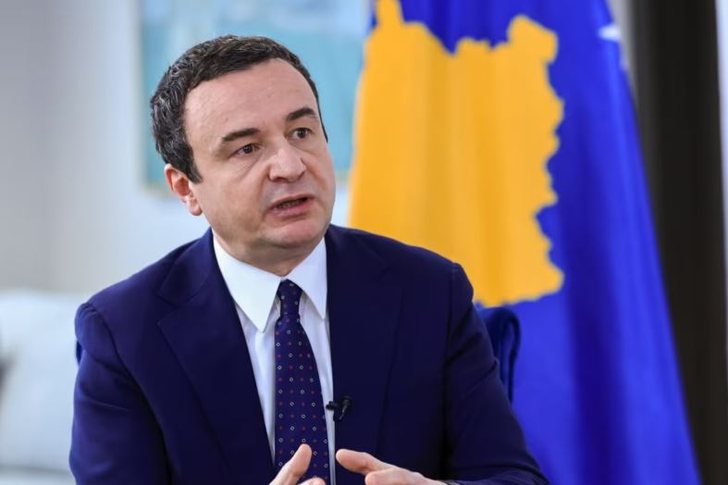
The Prime Minister of Kosovo, Albin Kurti, on Friday c...

The cost of houses within the eurozone fell by 1.1% du...
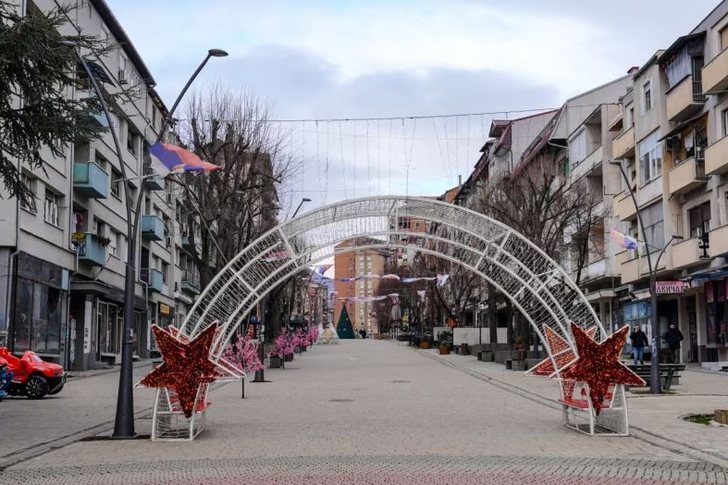
Lista Serbe said on Friday that Kosovo Serbs will not ...
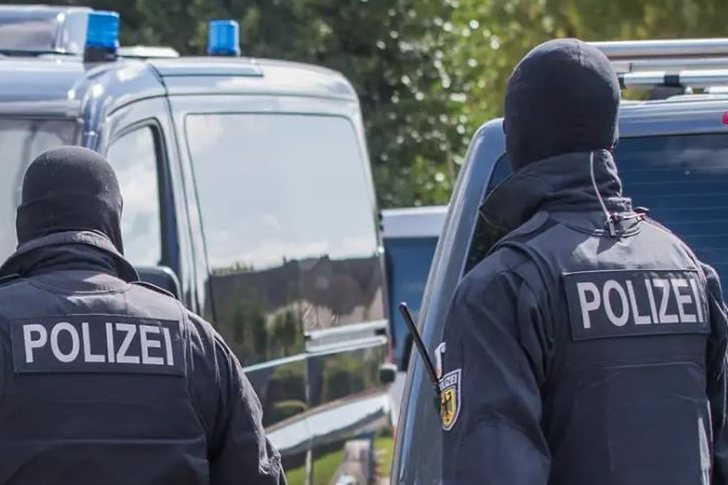
According to a media report, 400 German police officer...

German Defense Minister Boris Pistorius has announced ...

The American President, Joe Biden, has made a reaction...
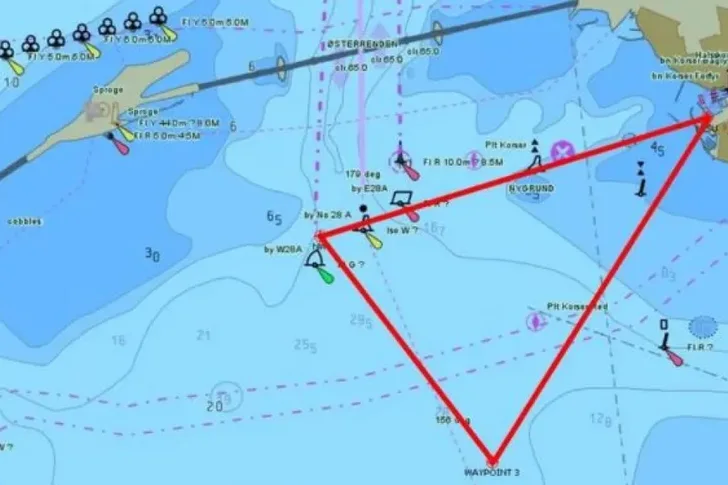
Danish authorities are on high alert due to the failur...
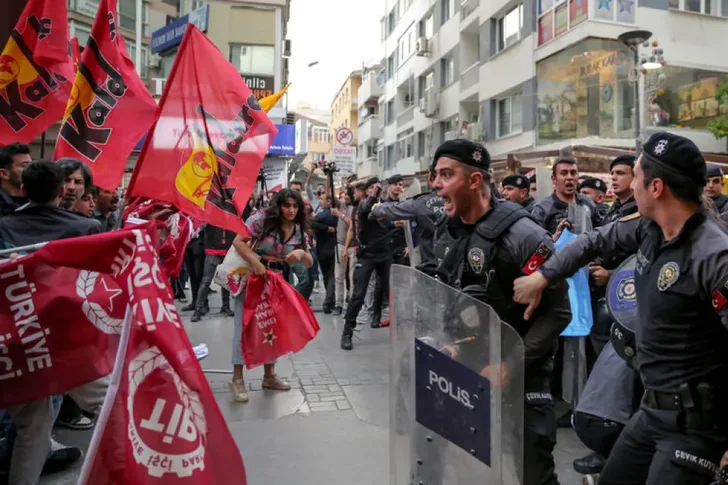
Turkish authorities arrested 340 people across the cou...

Ekipet e shpëtimit po punojnë për të çliruar më shumë ...

US Secretary of State Anthony Blinken said that Ukraine wi...
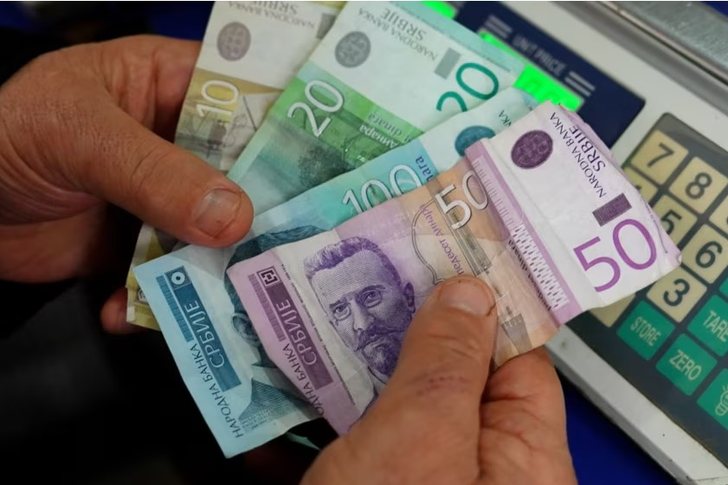
Kosovo and Serbia have not been able to agree on the issue...

CNA has launched another investigation that could lead to ...

Irfan Hysenbelliu is a businessman that we call "Irfan the...

In March 2026, CNA launched another investigation centered...
The arrested mayor of Tirana, Erion Veliaj, with 13 charge...

The Special Board of Appeal (KPA) decided this Monday ...

The KPA vetting decided this Thursday to dismiss the p...

Suela Salavaçi, a prosecutor in the Prosecutor's Offic...

The Special Board of Appeal reinstated the prosecutor ...
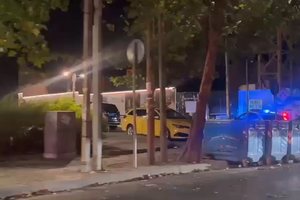
A road accident occurred this evening on Nikolla Zoraqi St...
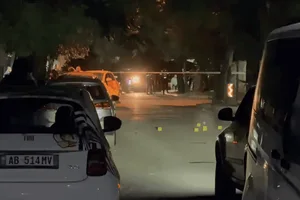
Three people were shot and wounded in Elbasan last night b...
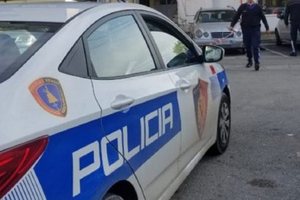
A serious incident occurred this Tuesday in the Yrshek are...
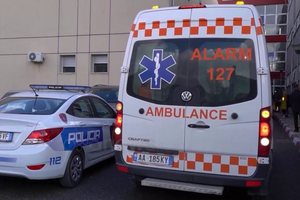
An accident occurred this Tuesday on "Dituria" street in K...
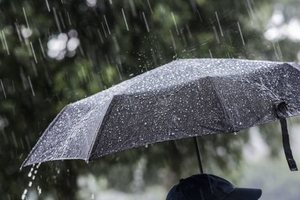
This Wednesday, our country will be under the influence of...

All of Southern Europe will face changing weather conditio...

Albania was hit by temperatures significantly higher than ...

For the first time, Pogradec welcomed the Inter-Lake Chess...

Prime Minister Andy Burnham has announced that most bus fa...
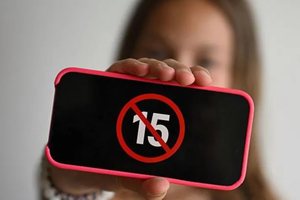
France's parliament has passed a law to ban social media f...

US Secretary of State Marco Rubio arrived in Manila on Jul...

In the space of a few days, Ukrainian President Volodymyr ...

At a time when industrial products are increasingly taking...

Trust among people is not just a three-syllable word. It c...
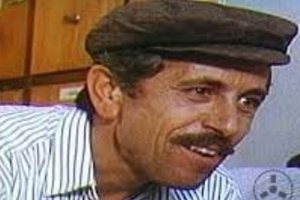
Master of humor Todi Llupi has passed away at the age of 7...

The ninth edition of "MIK Festival" kicked off with one of...

Businesses will no longer be required to simply register t...

Despite economic growth and income in recent years, Albani...

This Wednesday, one US dollar is bought for 81.4 lek and s...

Construction company licenses will have a validity period ...