

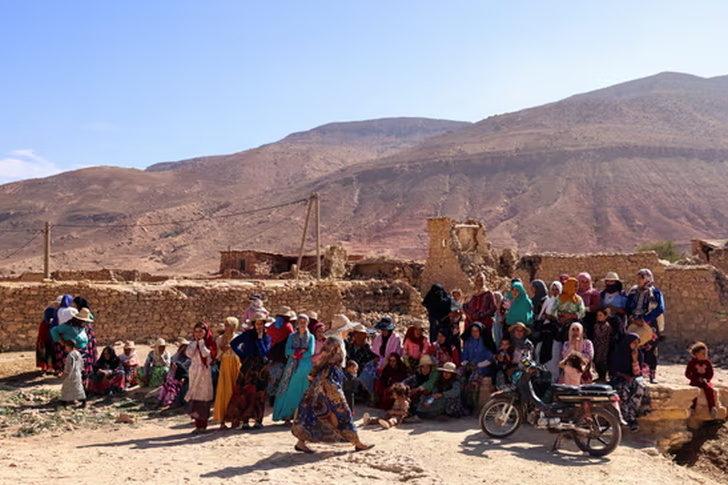
Wedding party saves Moroccan villagers from earthquake
A wedding party saved all the people of a Moroccan village...


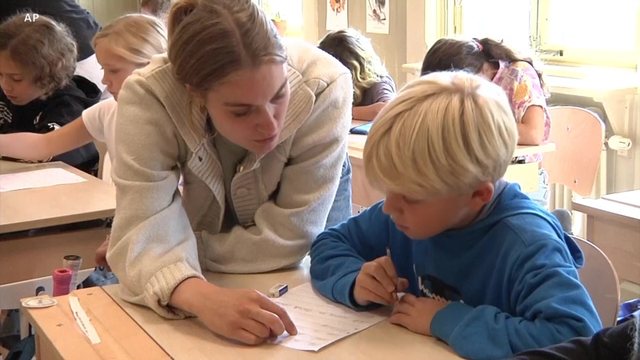
Some schools in Sweden are restricting the use of computers and other electronic devices in classrooms, as teachers fear the devices are harming students' reading and writing skills. Although Sweden has a higher educational success rate than its European neighbors, government statistics suggest a slight decline.
As the new school year begins around the world, for a Swedish school in central Stockholm this means many hours of handwriting and quiet hours of reading, something unusual for Sweden.
In 2017 Sweden adopted a strategy for the use of computers and tablets in classrooms, even in kindergartens. Nine-year-old Henrik Trolle Adams in third grade at Djurgardsskolan school believes in the importance of handwriting.
"Writing on the computer impairs the ability to write well by hand."
Even his classmate Liveon Palmer prefers to write on paper.
"I like to write more in the notebook, because I just feel better . "
Sweden has a budget set aside for technology integration in classrooms. Third graders have access to carefully monitored tablets.
"We use tablets in math class, but not for writing. I think that students under the age of 10 should not use tablets to write. Students need adequate time to learn and improve their handwriting. Calligraphy should be practiced often. Connecting the brain with the hand helps develop handwriting and even improves reading," says third-grade teacher Catarina Branelius.
During a press conference in March, Swedish Minister for Schools Lotta Edholm expressed concern about a decline in reading and comprehension skills among Swedish students.
Although education in Sweden is above the European average, the international study PIRLS highlighted a decline between 2016 and 2021. According to Minister Edholm, while other factors such as the pandemic can explain this phenomenon, computers also play a role.
In response, the Swedish government announced an investment of 60 million euros in book purchases this year. During the next two years, 80 million euros will be spent for this purpose.
Neil Selwyn, a professor in the Faculty of Education at Monash University, who has conducted research for the past 25 years on the integration of digital technology in schools, says the decision is purely political.
"It is a symbolic move on behalf of politicians and a chance for the government to show that it is doing something different from its predecessors. There are a lot of things about schools that governments can't change or touch, so putting technology in schools is a political move and removing it is a political move, too,” he says .
However, the use of technology in classrooms is increasingly being questioned around the world. In a report published this summer, UNESCO warns against the widespread use of technology in education.
The director of the school "Djurgardsskolan" Caroline Köling, says that it is unacceptable to do experiments with children and completely replace traditional methods with new technology.
"Experiments should not be done, the school should not experiment with children. It's clearly written, so we can do some things, but we can't take away the things we know work to do something we don't know what the outcome will be."
Principal Köling and her teaching staff have designed a school program that prioritizes not only education, but also provides students with unique experiences that may not be readily available at home. The school does not allow students to use technology after class while they wait for their parents to pick them up./ VOA

A wedding party saved all the people of a Moroccan village...

A survey of 14 countries on both sides of the Atlantic fin...
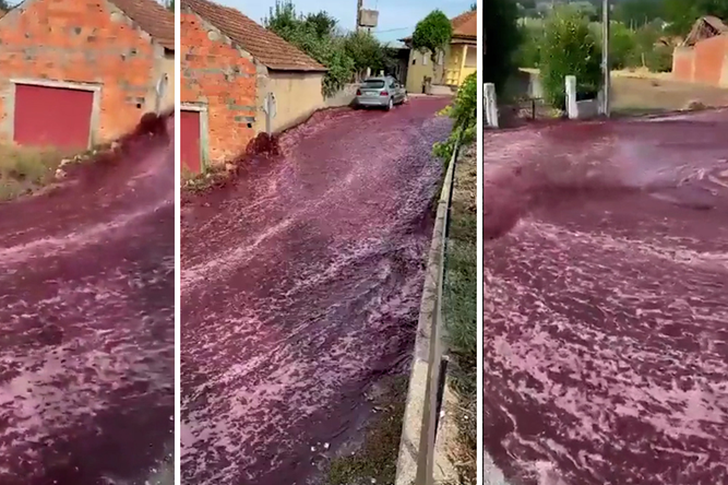
The streets of Sao Lourenco do Bairro in Portugal were pai...
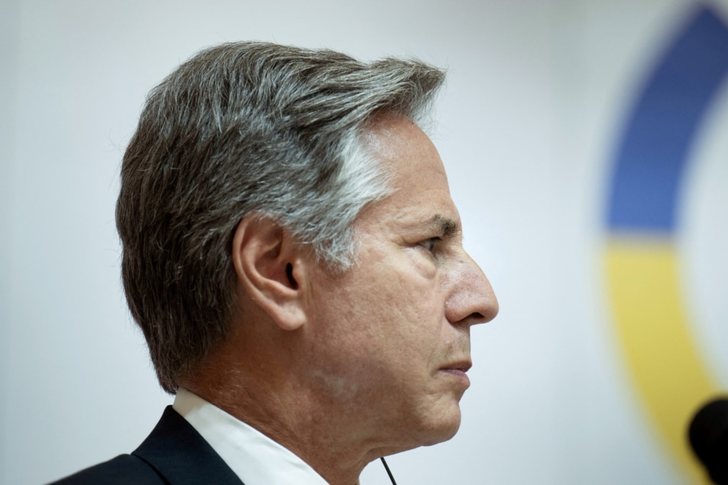
New details have come to light regarding the exchange ...

Passengers and crew on an EasyJet flight from Luton to Ibi...
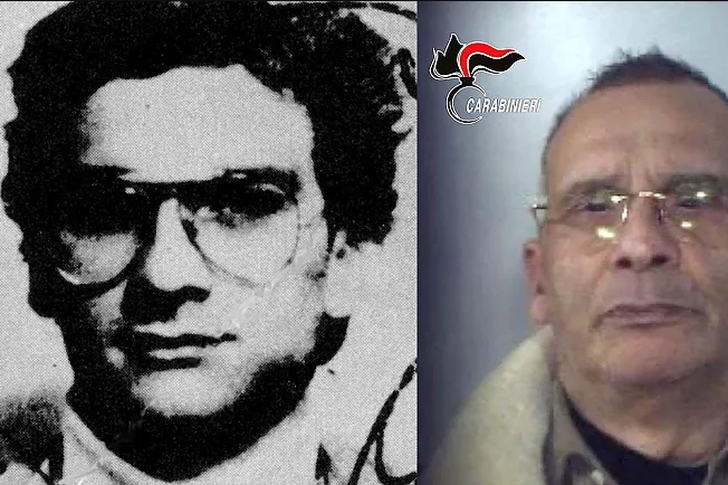
The health condition of the mafia boss, Matteo Messina Den...
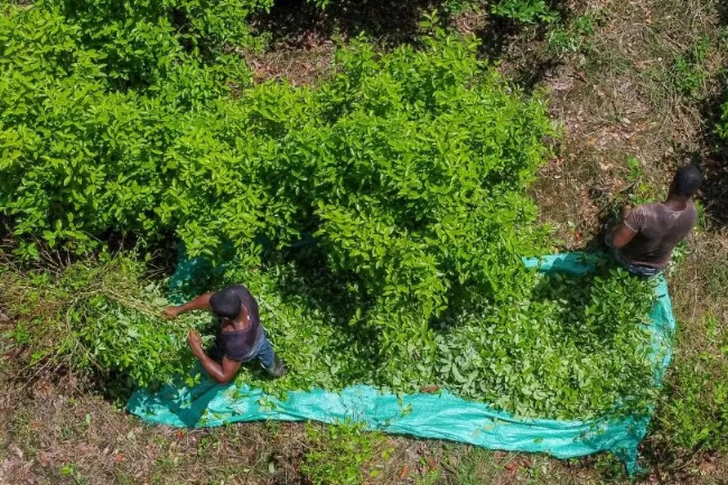
Colombia reached a record high last year in terms of cocai...
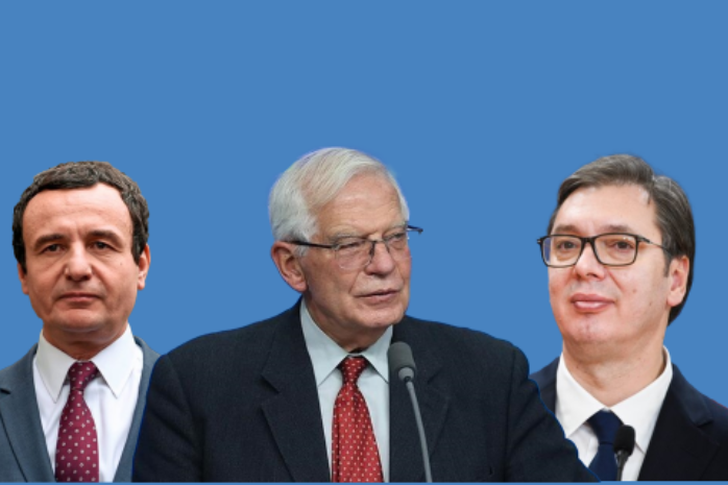
The agenda for the high-level meeting that will be held on...

The Food and Veterinary Agency of Kosovo (AUV) ensures tha...
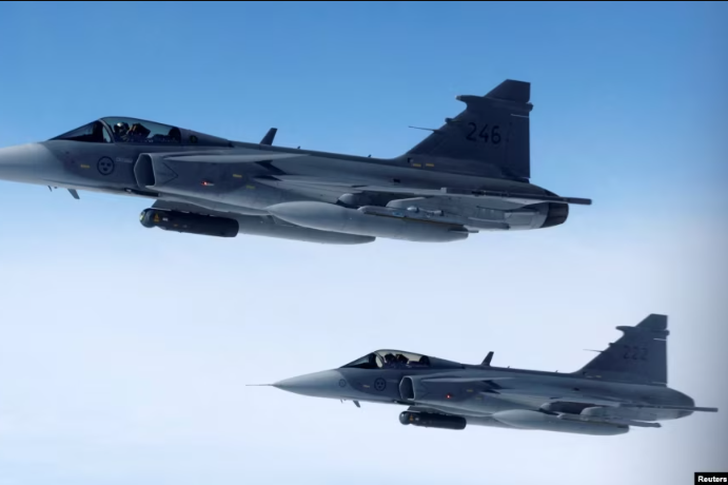
The Swedish government is considering donating Gripen figh...

Shepherd Bushirin a media owner and agricultural land owne...
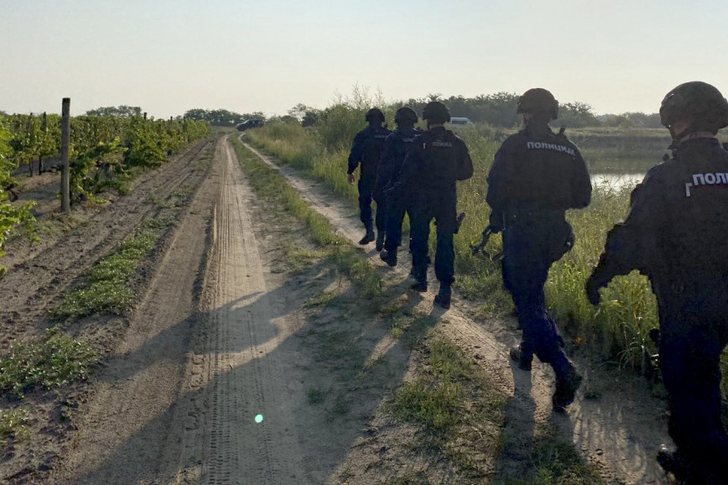
This morning, the Serbian police launched a major acti...
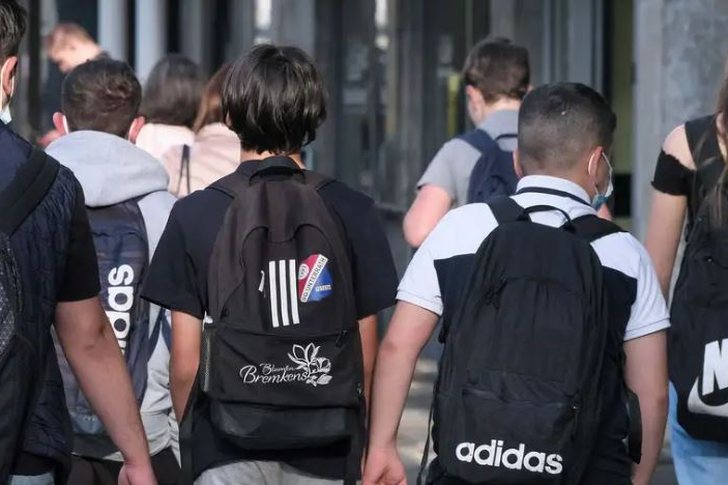
The Federal Parents' Council in Germany spoke clearly for ...
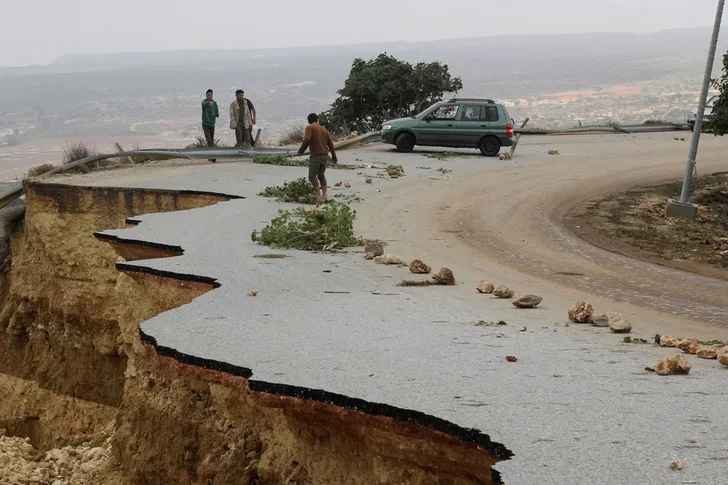
Over 2,000 people have lost their lives in the catastro...
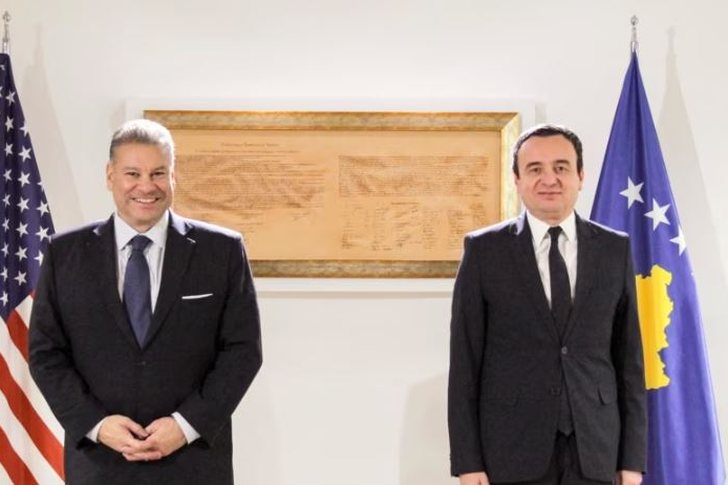
The Prime Minister of Kosovo, Albin Kurti, said that h...

The leader of North Korea, Kim Jong Un, has arrived...
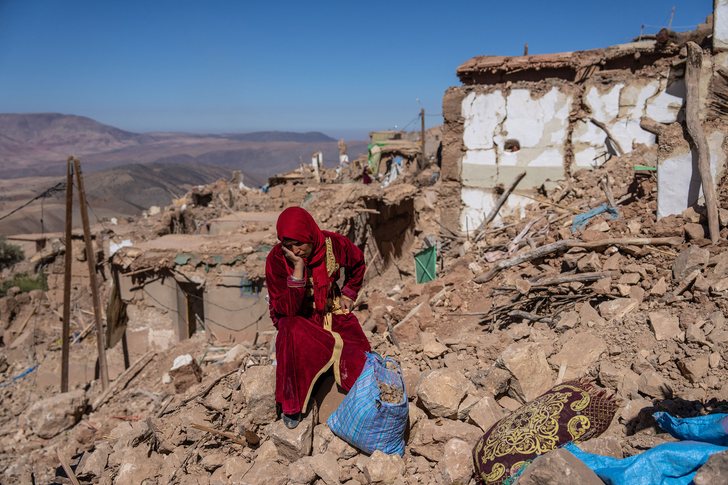
Rescue teams are still continuing operations to find survi...

Kim Jong Un's heavily armed private train has arrived in R...
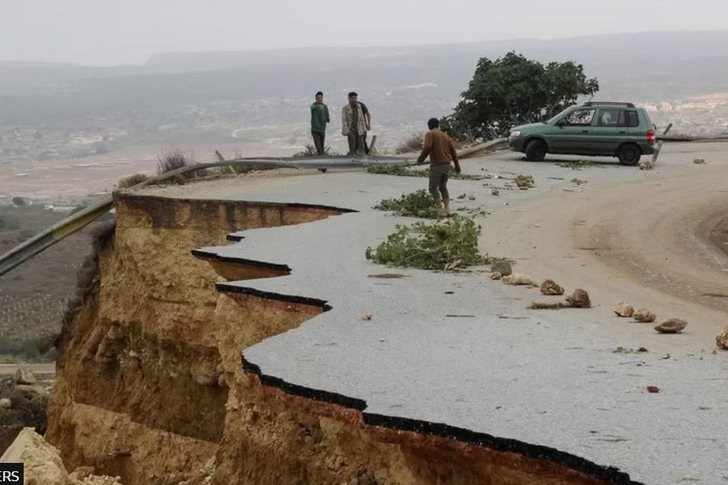
Mijëra njerëz dyshohet se kanë vdekur pas një stuhie t...
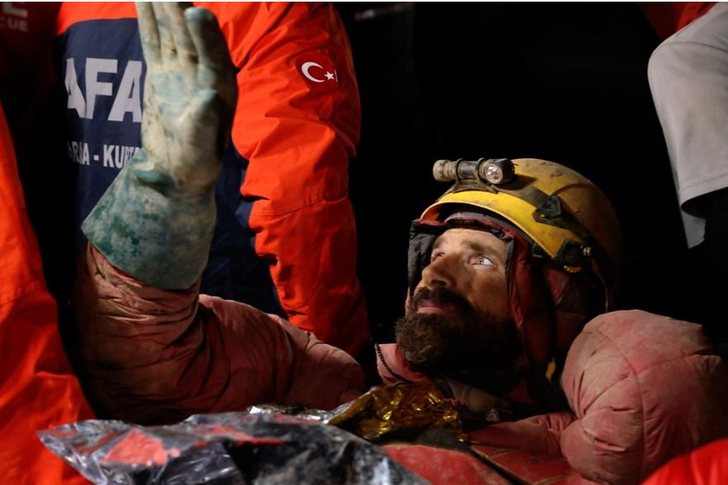
The rescue team was able to get out of the deepest cave in...

There have been 12 days of protests in the capital, which ...
Dritan Prençi is the SPAK prosecutor who is sleeping on th...
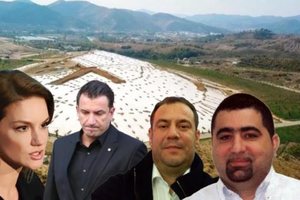
The in-depth investigations that SPAK conducted into Ajola...
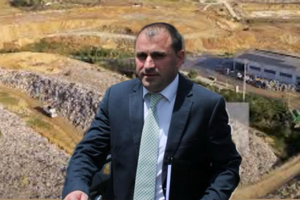
SPAK's standards, the way it investigates, how it secures ...

The Special Board of Appeal (KPA) decided this Monday ...

The KPA vetting decided this Thursday to dismiss the p...

Suela Salavaçi, a prosecutor in the Prosecutor's Offic...

The Special Board of Appeal reinstated the prosecutor ...
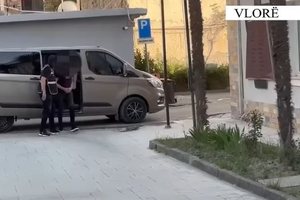
Policia e Vlorës ka finalizuar operacionin e koduar “Sigur...
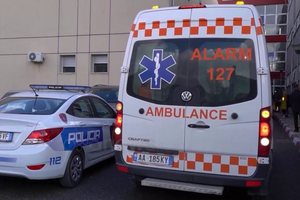
New details have emerged regarding the serious accident th...
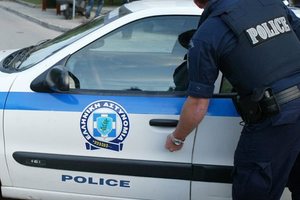
An Albanian businessman was arrested this afternoon in Gre...
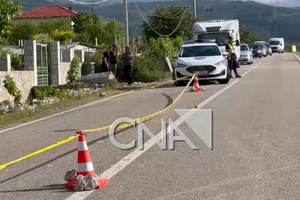
A serious accident has occurred on the Korça-Ersekë axis, ...

Today our country will be affected by stable weather condi...
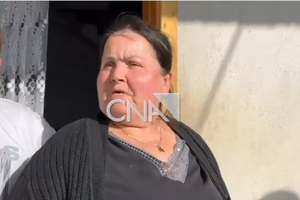
A tragic accident occurred this Friday afternoon in Kameni...

Today our country will be affected by unstable weather con...

On Thursday, our country will be affected by relatively un...
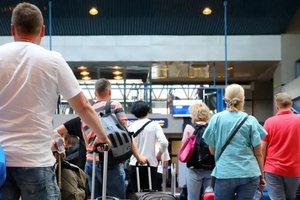
Good news for those who fly: After years of negotiations, ...
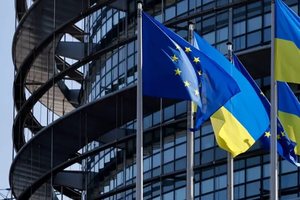
It took more than two years, but now the EU can begin acce...
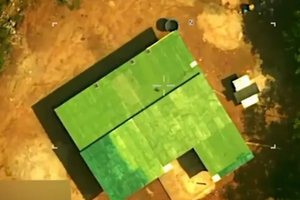
US President Donald Trump announced that the US military h...

Iran has taken new measures to strengthen the protection o...
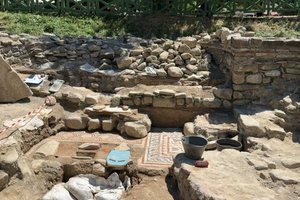
Several archaeological excavations conducted during this s...

At the Museum of Fine Arts in Chambéry, France, an exhibit...

Korça has transformed this weekend into the capital of cel...
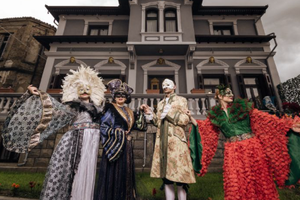
Korça is ready to open the summer season with one of the c...
This Saturday, one US dollar is bought for 81.5 lek and so...
The Governor of the Bank of Albania, Gent Sejko, shared to...

Business lending has increased in the first half of this y...

The labor market has shown worrying trends in early 2026. ...