


Second victim of bad weather/ Fisherman drowns in Ksamil
Citizen MH, 61, a fisherman, was found dead near the islan...

Citizen MH, 61, a fisherman, was found dead near the islan...

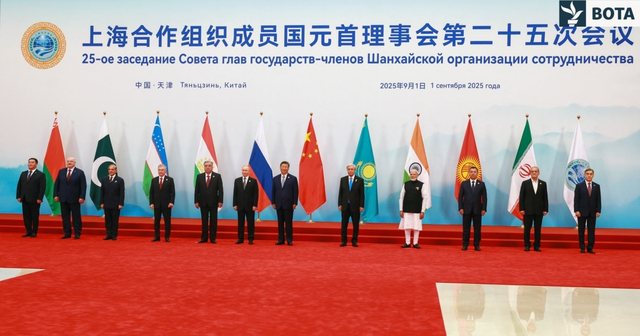
Iran's first counter-terrorism drill within the framework of the Shanghai Cooperation Organization (SCO) is less about joint military force and more about sending a signal: Tehran wants the world to see it as strategically important, even if the exercise itself demonstrates little real multilateral capability.
The five-day "Sahand 2025" exercise, within the framework of the SCO's Regional Counter-Terrorism Structure (RATS), began on December 1 at the base of the Imam Zaman Mechanized Brigade of the Islamic Revolutionary Guard Corps in Shabestar district, East Azerbaijan province, near Iran's northwestern borders.
According to the Revolutionary Guard, the exercise involves participants from SCO member states – Belarus, China, India, Kazakhstan, Kyrgyzstan, Pakistan, Russia, Tajikistan and Uzbekistan – and observer states and focuses on joint operations against terrorism, separatism and extremism, which are the main pillars of the RATS mandate.
But analysts say the military significance of the exercise is limited. The exercise is small-scale, with low participation, and it is unlikely to translate into a significant operational capability.
Politically, Iran hopes to use the SCO to project an alignment with major Eurasian powers and dispel the perception that it is isolated, even if the organization remains fragmented and uncertain about its strategic role. Whether this will succeed is another matter.
"A counter-terrorism exercise is not an indication that Iran's relations with countries like Russia and China are improving," Farzin Nadimi, a senior fellow at the Washington Institute, told Radio Free Europe/Radio Liberty's Farda. He stressed that the exercise is more symbolic than transformative in nature.
Nadim argued that it is unlikely that SCO members will have a strong presence in these exercises.
"It's likely they're just there to observe as the [Revolutionary Guard] Mechanized Brigade will do the heavy lifting," he said, noting the lack of reporting on member states transporting military equipment to Iran.
The speaker of the Iranian Parliament and former commander of the Iranian Guards' air force, Mohammmad Baqer Qalibaf, presented the exercise as a geopolitical message to Western capitals.
"Independent states are determined to defend themselves against an unjust global order," he said during a speech on December 2.
But Nadim said Tehran is overestimating the strategic importance of the exercise.
"This is probably a message to... Azerbaijan and Iraqi Kurdistan, as well as to Kurdish groups based in Iraq," he said. "I don't think an exercise at this level and of this quality could have any other purpose, such as serving as a deterrent against Israel."
The northwestern part of Iran remains one of the country's most sensitive security areas and has long been a site of separatist sentiment among ethnic Azeris and Kurds. The region has seen activity by Kurdish groups that Tehran considers terrorist organizations and serves as a corridor for smuggling gangs operating along the borders with Armenia, but also with Azerbaijan and its enclave of Navchivan.
Tehran's membership in the SCO — which was formalized in 2023 after nearly two decades as an observer — gives Iran access to extensive intelligence sharing and the ability to formally request the designation of terrorist organizations through the RATS. Domestically, officials have said that SCO membership marks a diplomatic break from Western isolation.
But the organization itself is having difficulty defining its purpose.
Analysts argue that the SCO is facing an identity crisis: its mission has blurred over time, mixing counterterrorism cooperation with trade, cultural programs and broad geopolitical messages against Western influence.
Internal divisions further complicate the situation. Russia increasingly sees the SCO as an anti-Western bloc that is strengthening its influence in Central Asia, while China prioritizes coordination against terrorism and advancing its global vision of governance. Geographical expansion – with the admission of India and Pakistan in 2017, Iran in 2023 and Belarus in 2024 – has increased the group’s reach, but has also deepened internal contradictions. /REL

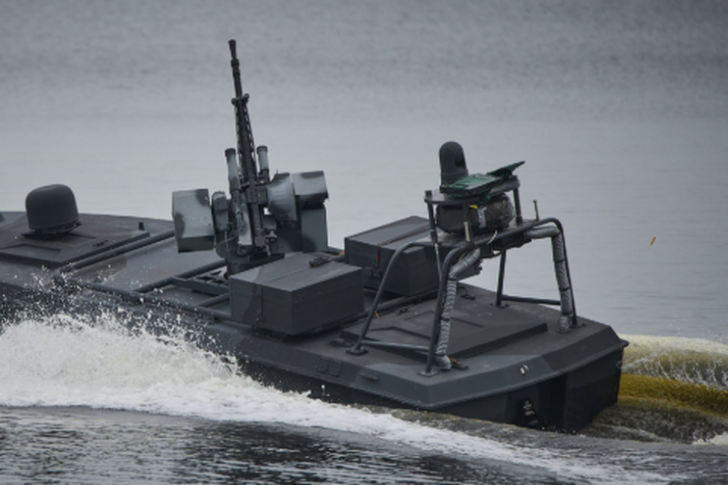
The Security Service of Ukraine (SBU) has denied claims th...

A serious incident occurred today in the area near the Kou...
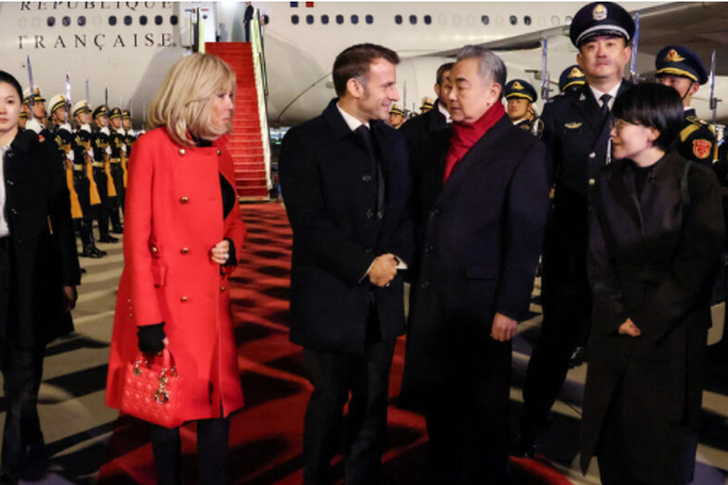
French President Emmanuel Macron begins a three-day state ...
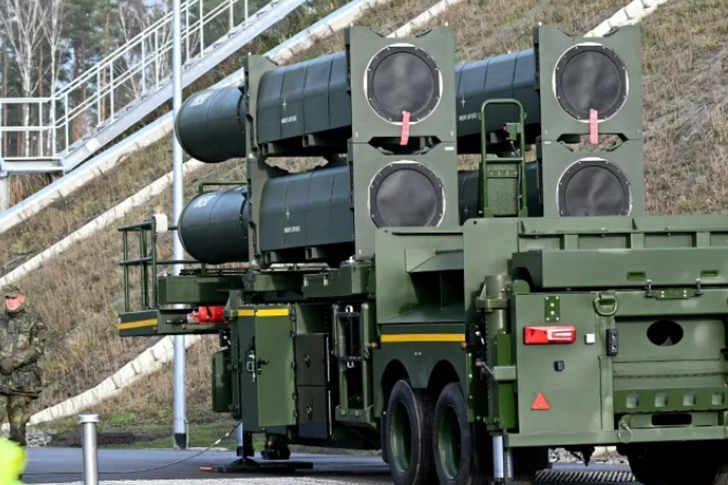
The German military has put into service the first part of...
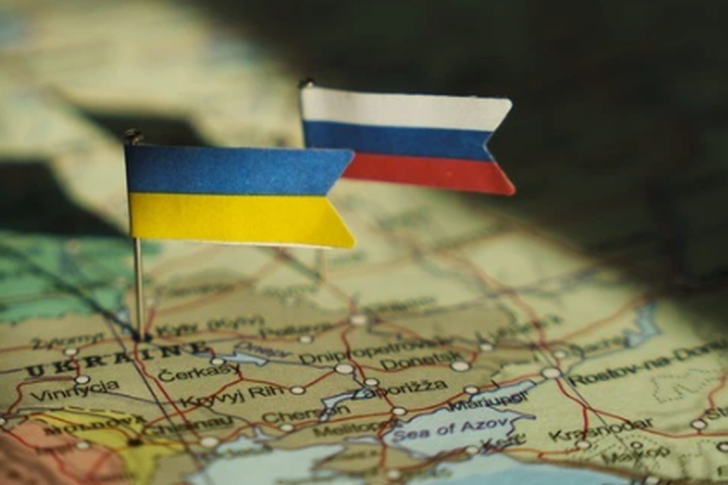
After nearly five hours of talks Tuesday between U.S. and ...
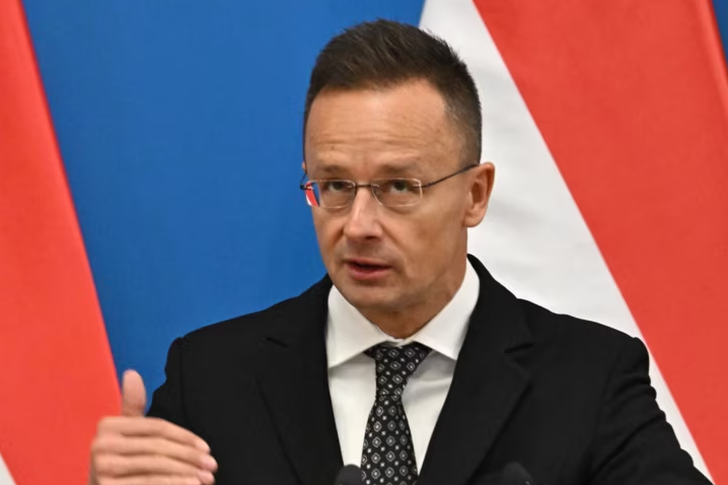
Hungary will challenge the European Union's decision to gr...
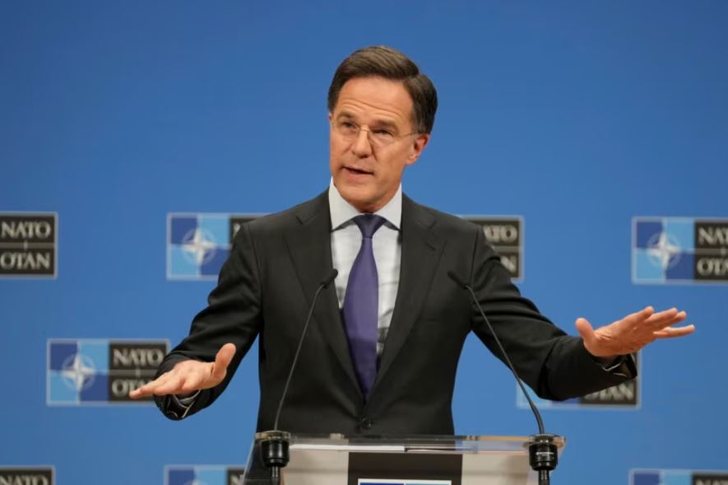
NATO Secretary General Rutte stated today that Russia is a...

Many European countries are taking tough measures against ...

Farmers in northern Greece disrupted traffic at border cro...
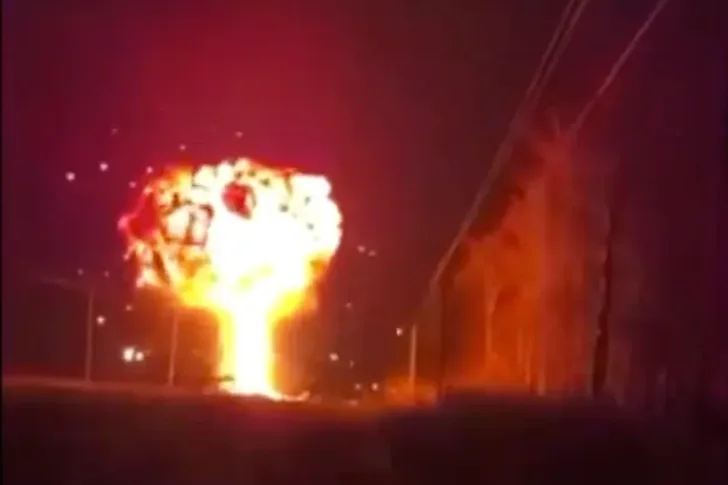
Ukraine has struck the Druzhba oil pipeline in the Tambov ...
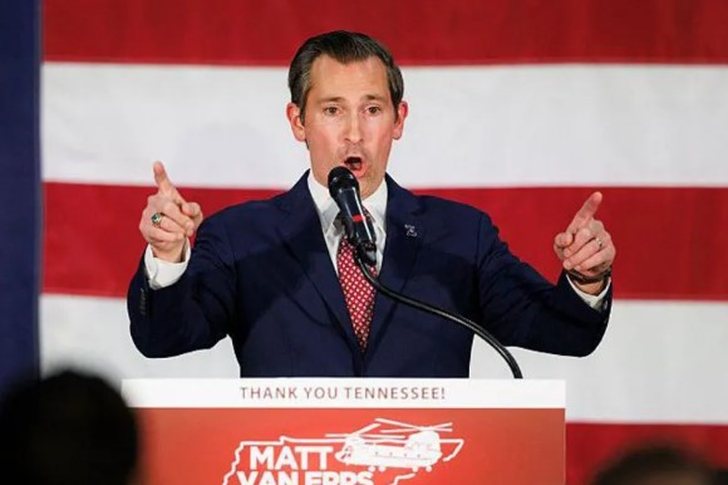
Republicans have won the hotly contested Tennessee congres...
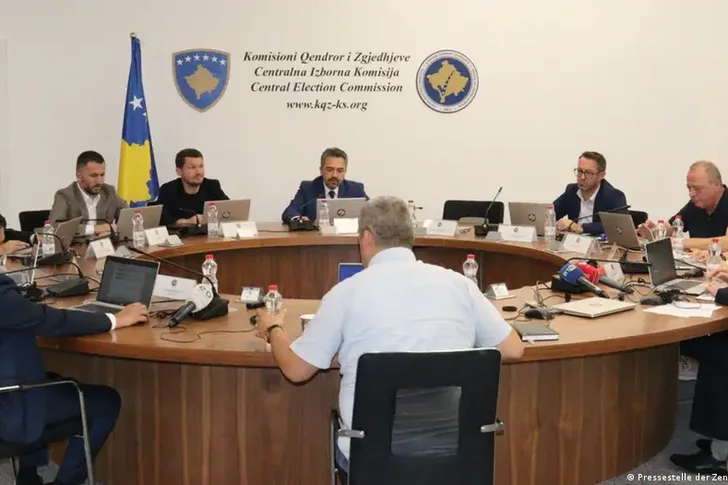
International authorities in Kosovo have criticized the Ce...
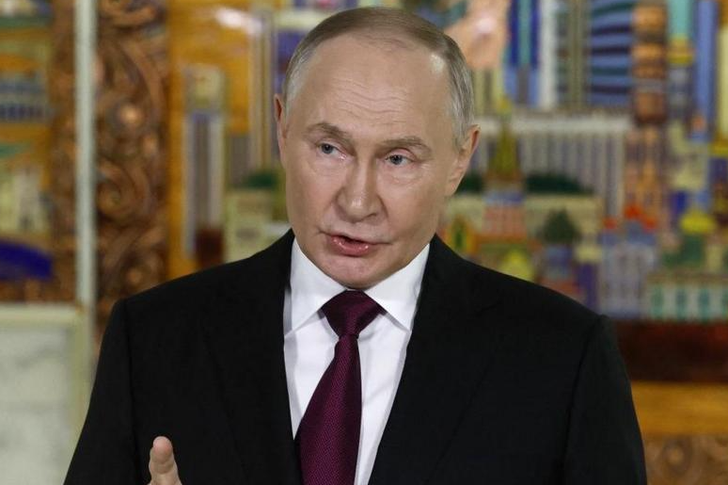
Kremlin spokesman Dmitry Peskov said it "would not be corr...
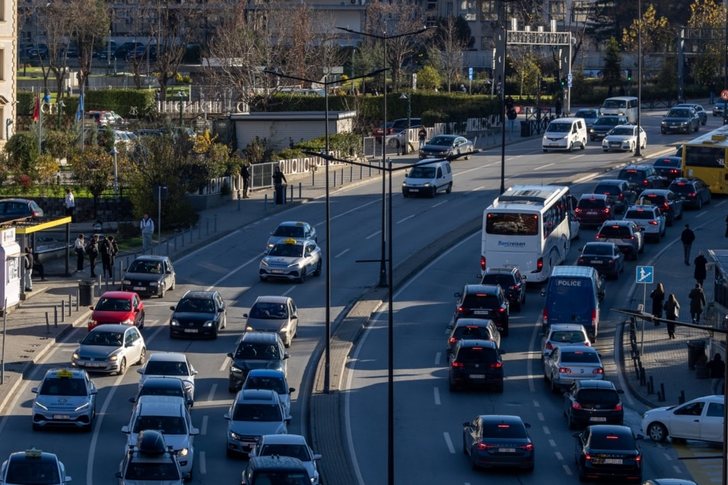
Public transport buses resumed operations on Wednesday mor...
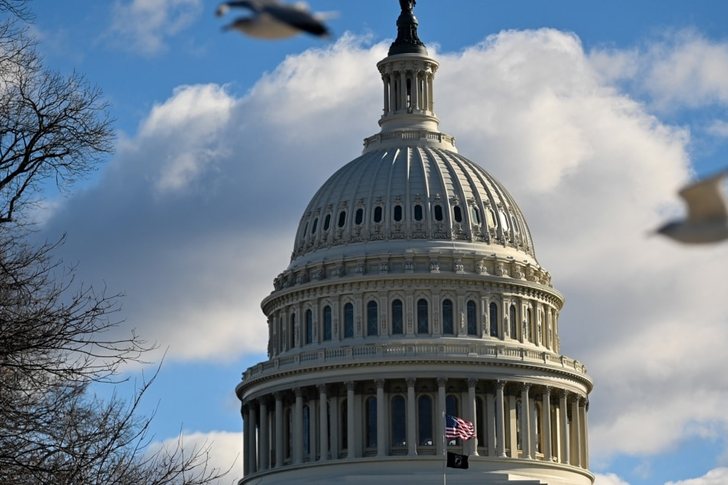
Participants in discussions in the Foreign Policy Committe...

Popular singer Sabrina Carpenter has reacted strongly to a...
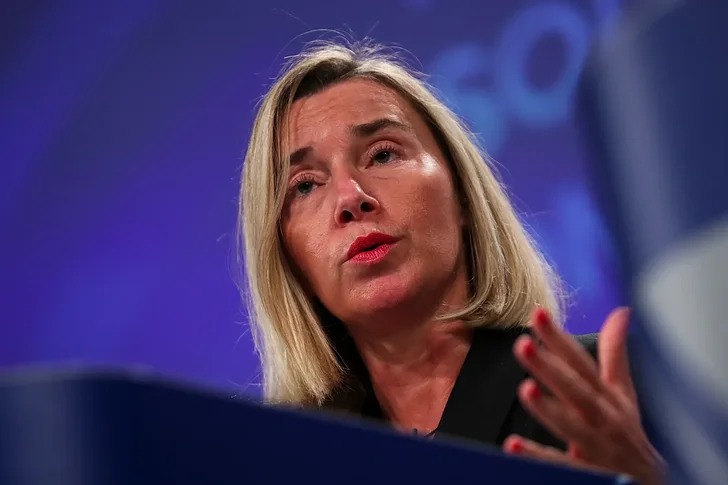
Federica Mogherini, Stefano Sannino and Cesare Zegretti ha...
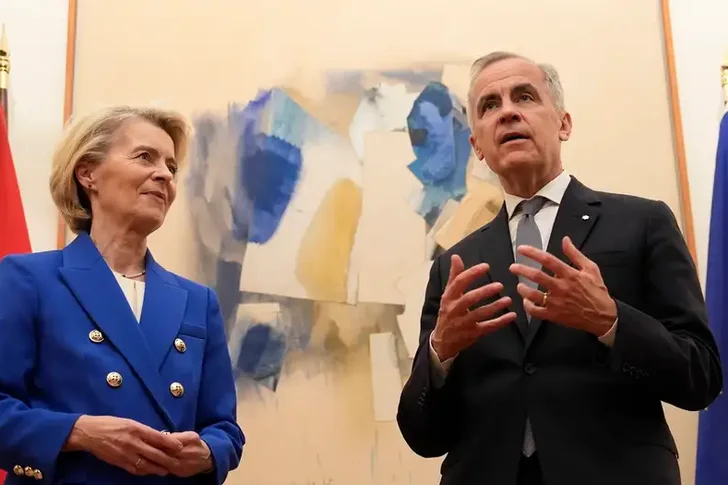
The EU and Canada announced on Monday that an agreement ha...

The moral and symbolic, or rather political, damage caused...
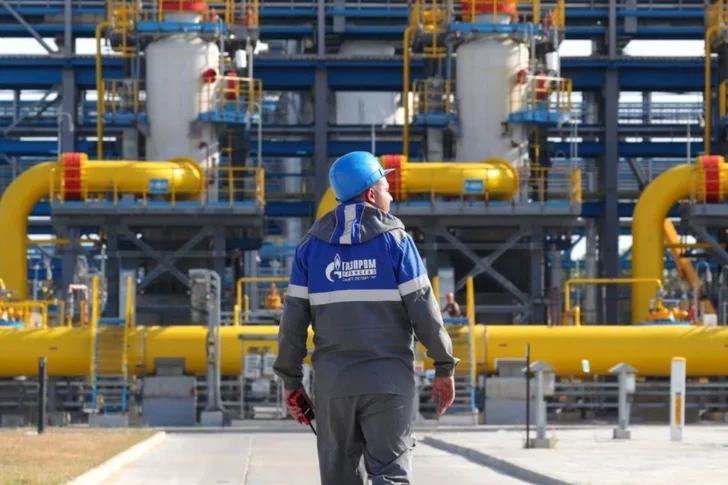
The European Union aims to end all gas imports from Russia...

CNA has launched another investigation that could lead to ...

Irfan Hysenbelliu is a businessman that we call "Irfan the...

In March 2026, CNA launched another investigation centered...
The arrested mayor of Tirana, Erion Veliaj, with 13 charge...

The Special Board of Appeal (KPA) decided this Monday ...

The KPA vetting decided this Thursday to dismiss the p...

Suela Salavaçi, a prosecutor in the Prosecutor's Offic...

The Special Board of Appeal reinstated the prosecutor ...
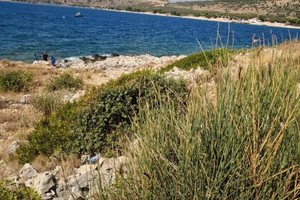
Citizen MH, 61, a fisherman, was found dead near the islan...
Another phase of the international operation, codenamed "T...
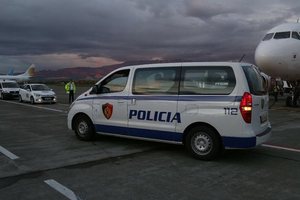
Police have arrested a 34-year-old woman at Rinas Airport ...
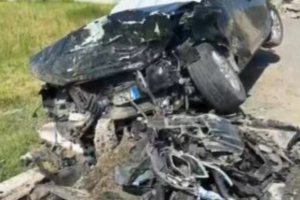
A serious accident has occurred on the Lezhë-Shëngjin axis...
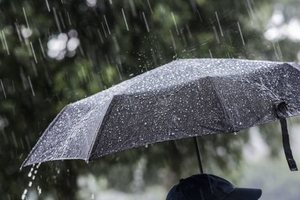
This Wednesday, our country will be under the influence of...

All of Southern Europe will face changing weather conditio...

Albania was hit by temperatures significantly higher than ...

For the first time, Pogradec welcomed the Inter-Lake Chess...

Prime Minister Andy Burnham has announced that most bus fa...

France's parliament has passed a law to ban social media f...

US Secretary of State Marco Rubio arrived in Manila on Jul...
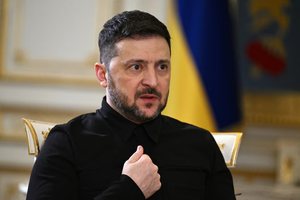
In the space of a few days, Ukrainian President Volodymyr ...

At a time when industrial products are increasingly taking...

Trust among people is not just a three-syllable word. It c...

Master of humor Todi Llupi has passed away at the age of 7...

The ninth edition of "MIK Festival" kicked off with one of...

Businesses will no longer be required to simply register t...

Despite economic growth and income in recent years, Albani...

This Wednesday, one US dollar is bought for 81.4 lek and s...

Construction company licenses will have a validity period ...