


Second victim of bad weather/ Fisherman drowns in Ksamil
Citizen MH, 61, a fisherman, was found dead near the islan...

Citizen MH, 61, a fisherman, was found dead near the islan...

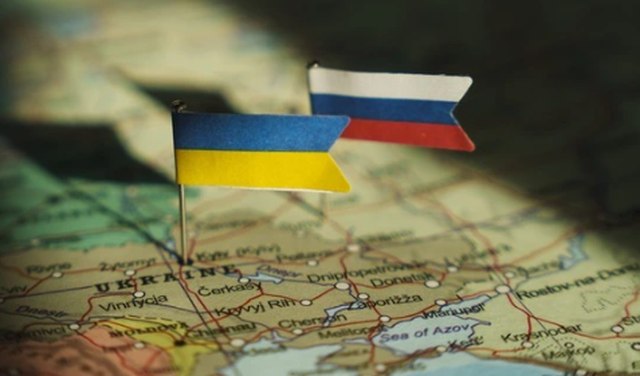
After nearly five hours of talks Tuesday between U.S. and Russian negotiators to end the war in Ukraine, there was no progress. According to a Russian negotiator, Vladimir Putin appeared critical of the proposals presented to him.
Before the meeting, Putin had declared that he was ready to fight with Ukraine's European allies, who support Kiev economically and militarily: "We do not plan to fight with Europe, but if Europe suddenly starts a war with us, we are ready now."
The question that arises is what could force Russia to stop the war. Absent serious pressure, such as stronger sanctions from the Trump administration, the answer is limited to the economy and the battlefield, analysts say.
There are difficulties for Russia on both fronts, but neither is acute enough to give the United States decisive influence in the talks, in Trump's third attempt to broker peace.
“There are points where Putin may feel pressured, but none of them have reached the point where he feels he has to make a decision or that he has run out of options,” said Fiona Hill, a senior fellow at the Brookings Institution and former director for Russian and European affairs at the National Security Council during Trump’s first term.
Ahead of Tuesday's talks, Putin made a rare visit to a military headquarters and an economic forum, seeking to show that Russia has both the economy and the military to continue the fight.
The Russian elite echoes this narrative. Fyodor Lukyanov, a prominent foreign policy commentator, wrote in Rossiyskaya Gazeta that military power remains the primary means of achieving Russian goals, including “unlocking national economic potential.”
Oil and gas revenues that finance the war have fallen, while new US sanctions on Rosneft and Lukoil were imposed in October.
According to data from the Russian Ministry of Finance, taxes collected from energy producers amounted to almost $10 billion in October, 27% less than the same month last year.
Sanctions contributed to the decline, along with lower oil prices and a stronger ruble. Despite the decline, Russia still earns significant sums from energy exports, despite Western efforts to curb the fleet of "shadow" tankers that transport most of its exports.
"The decline in energy revenues is likely to be a permanent headache that will erode the Russian war effort," said Clifford Kapchan, president of the Eurasia Group.
But he said that to radically reduce Russia's revenues would require much stronger sanctions, such as blocking sales to China or significant damage to exports from the Ukrainian attacks - scenarios that are considered unlikely.
A banking crisis could also put pressure on Putin, but so far the Russian government's team of economists has downplayed the impact of the war.
Increased spending on weapons in the first two years of the war caused a significant increase in prices, and the Central Bank responded with high interest rates. The base rate has been reduced to 16.5%, but large companies are struggling to repay their loans.
Russian Railways, a state monopoly, is facing debts of more than $50 billion as freight volumes fall. Consumers are also under pressure from interest rates, which are curbing sales of expensive products like cars.
AvtoVAZ, the country's largest carmaker, has announced a four-day work week and a 40% reduction in production. Some complaints about these issues are allowed on state television.
Professor Andrei Bezrukov declared on a popular Russian show that "unfortunately, accountants are running the country and its economy" and they lack a long-term strategic plan. But according to Russian economist Konstantin Shonin of the University of Chicago, citizens are unlikely to protest over economic issues.
On the operational front, Russia is making steady progress, particularly in the southeastern Donetsk region. On Monday, it announced it had captured the city of Pokrovsk, a claim disputed by both Ukraine and pro-Russian military bloggers.
The successes have come at a high human cost, but that does not seem to be affecting Russian assessments of the peace talks. Putin has tied his political legacy to the outcome of the war.
High salaries for soldiers mean new recruits are replacing the nearly 30,000 who are lost each month, analysts said.
Frontline units have limited the Ukrainian advantage in using drones, infiltrating in small groups to kill operators, according to military analysts, but then lack the concentration of forces and tanks needed for larger invasions.
Seemingly content with a grueling war, Putin reiterates that Russia is winning.
*Published by the New York Times

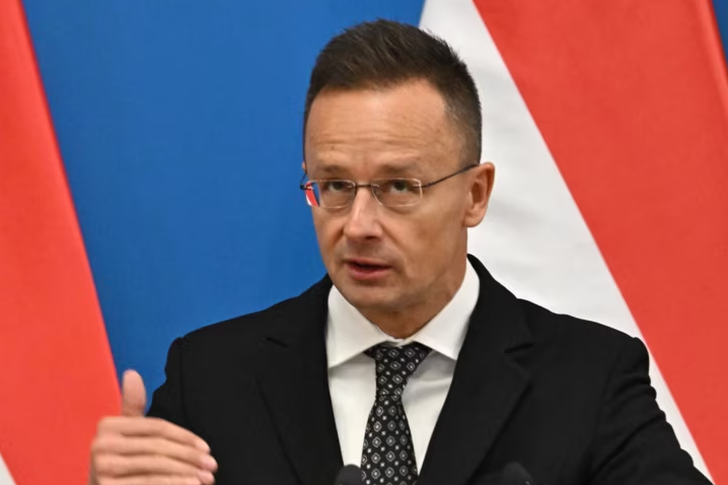
Hungary will challenge the European Union's decision to gr...
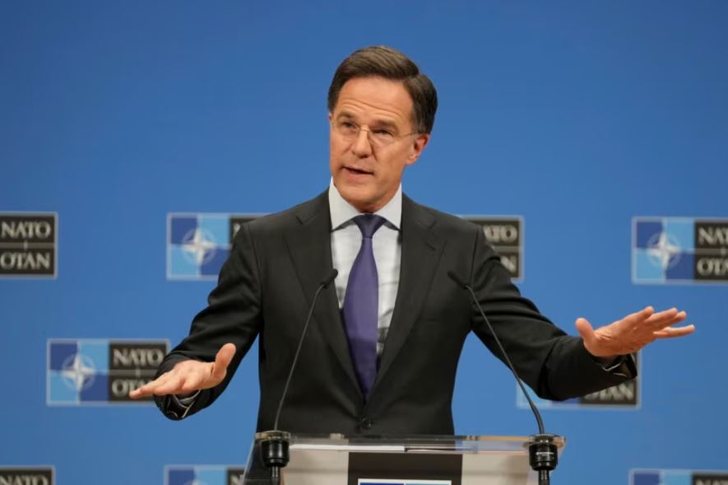
NATO Secretary General Rutte stated today that Russia is a...

Many European countries are taking tough measures against ...
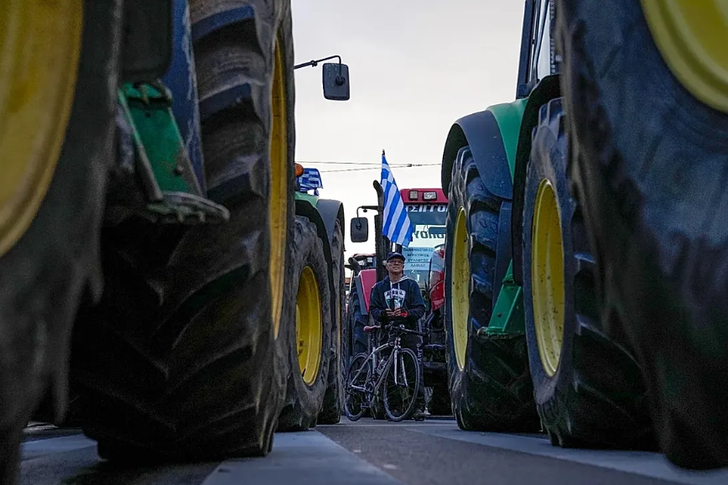
Farmers in northern Greece disrupted traffic at border cro...
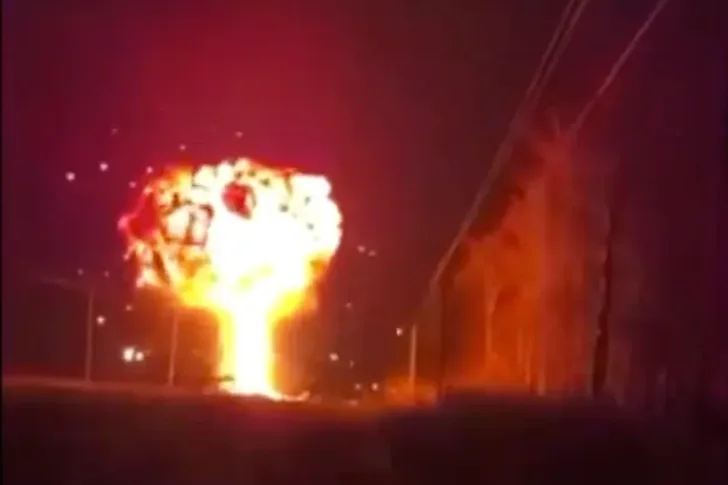
Ukraine has struck the Druzhba oil pipeline in the Tambov ...
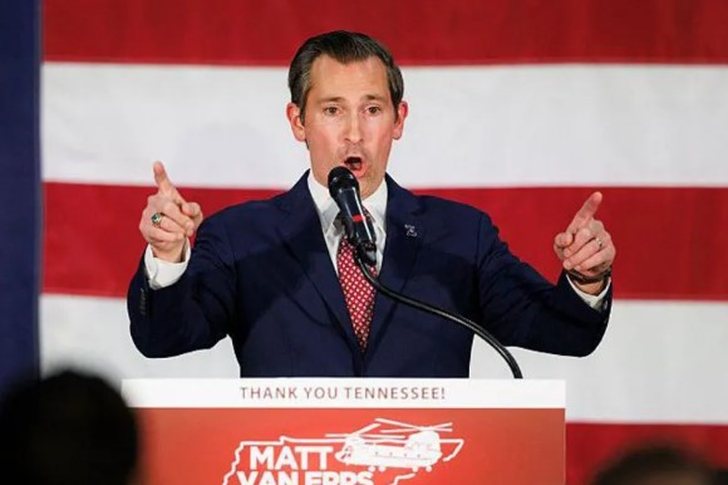
Republicans have won the hotly contested Tennessee congres...
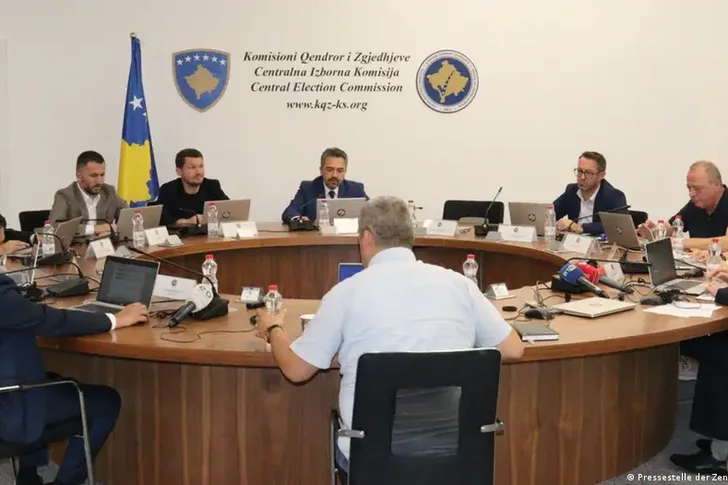
International authorities in Kosovo have criticized the Ce...
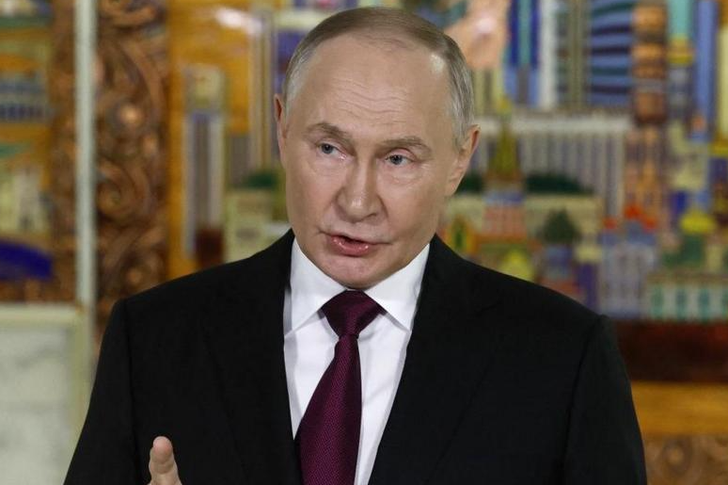
Kremlin spokesman Dmitry Peskov said it "would not be corr...
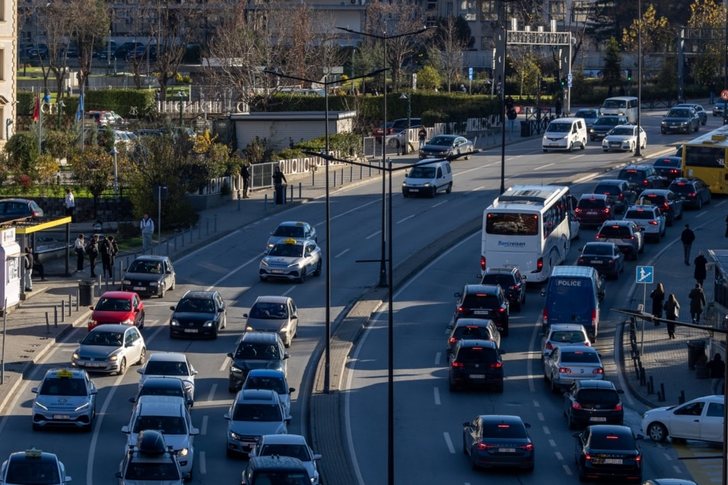
Public transport buses resumed operations on Wednesday mor...
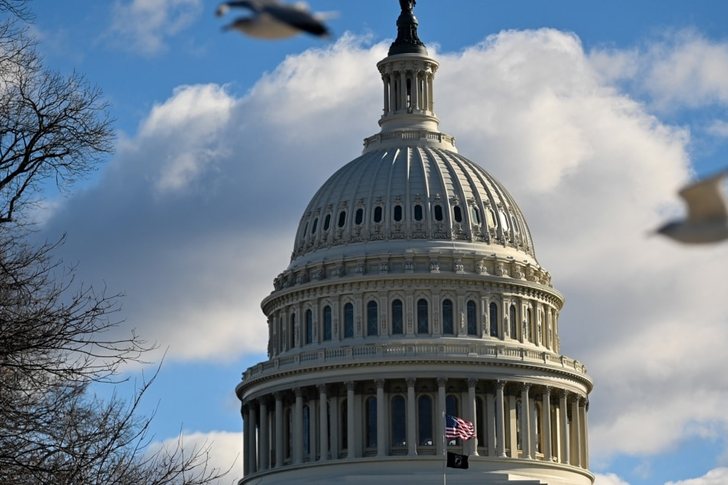
Participants in discussions in the Foreign Policy Committe...

Popular singer Sabrina Carpenter has reacted strongly to a...
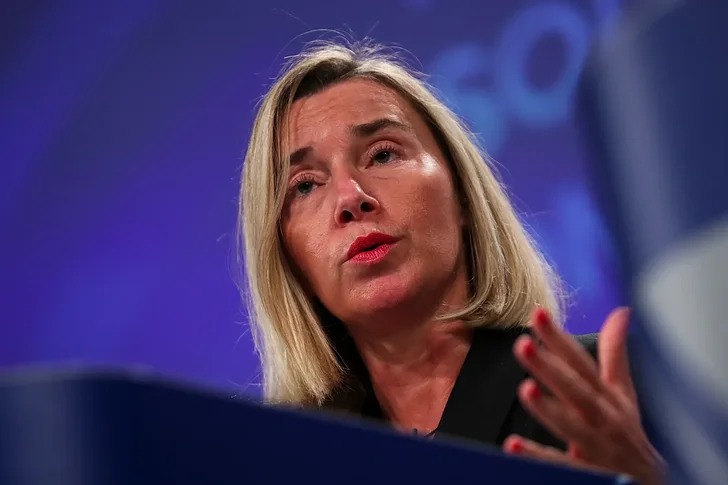
Federica Mogherini, Stefano Sannino and Cesare Zegretti ha...
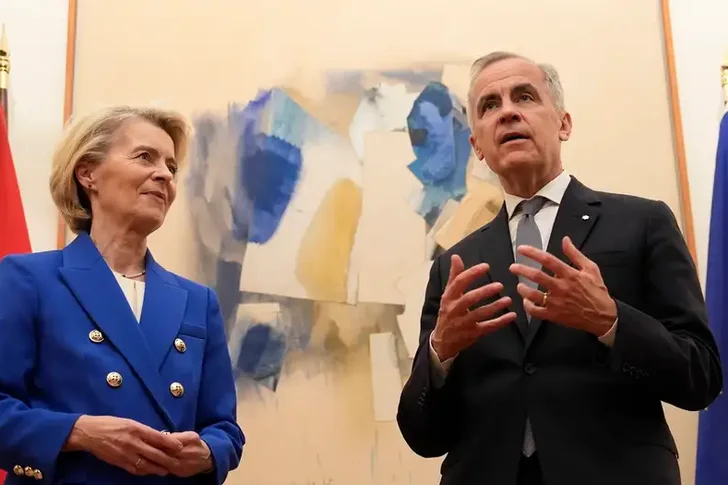
The EU and Canada announced on Monday that an agreement ha...
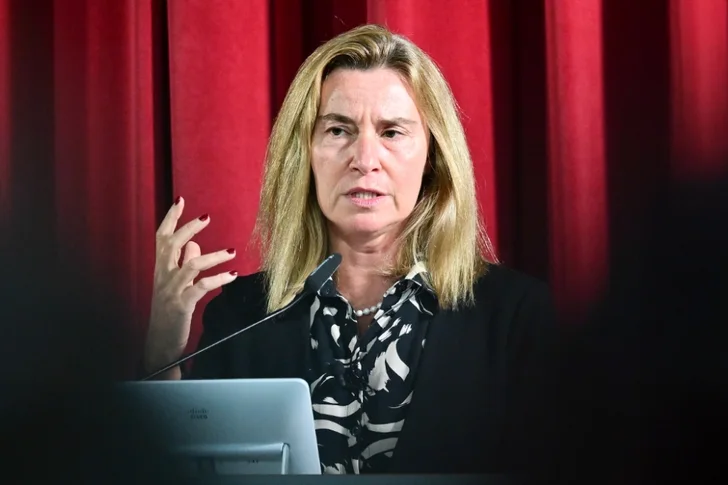
The moral and symbolic, or rather political, damage caused...
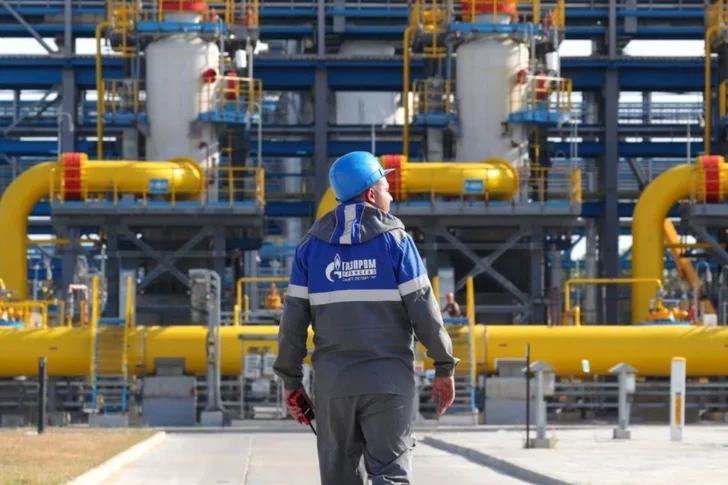
The European Union aims to end all gas imports from Russia...
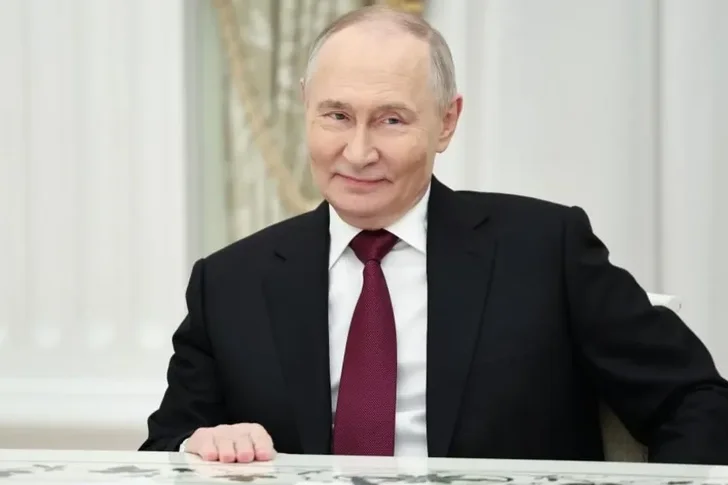
Five hours of talks between Russian President Vladimir Put...
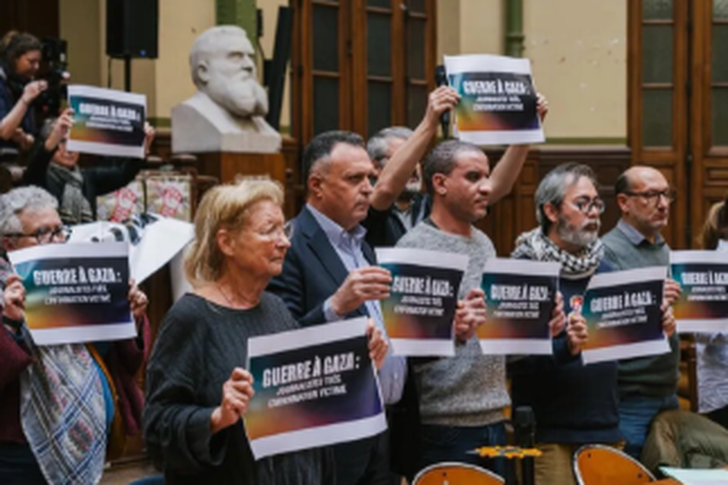
The National Union of Journalists and the International Fe...
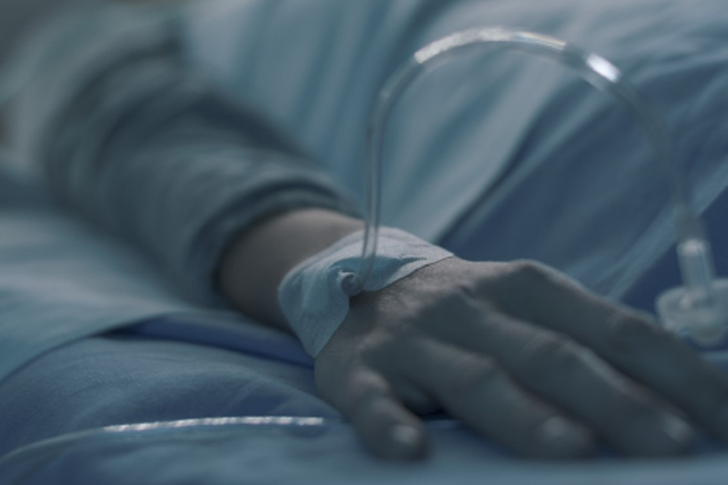
An unusual incident has occurred in Greece, after a patien...
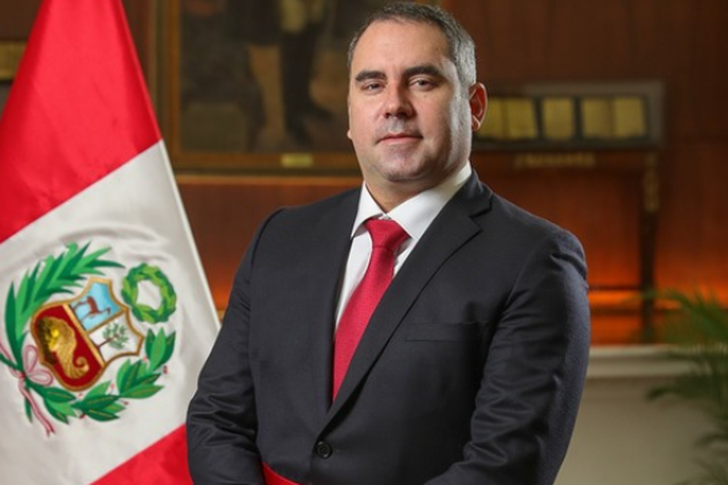
Peruvian presidential candidate Rafael Belaunde was shot ...
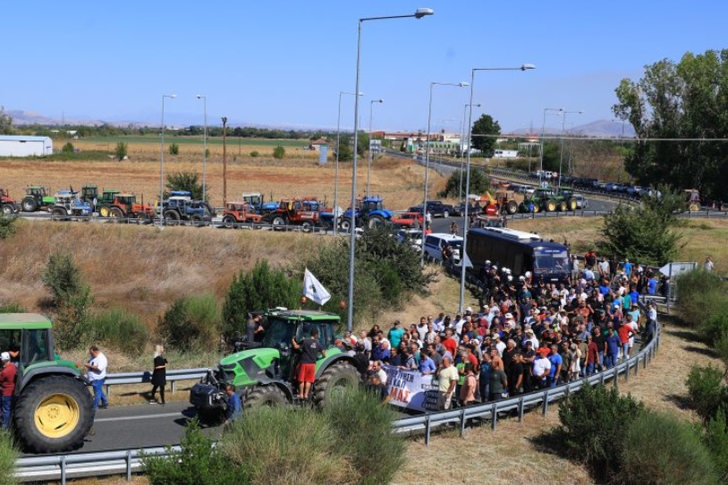
Farmers' protests in Greece escalated this afternoon, as t...

CNA has launched another investigation that could lead to ...

Irfan Hysenbelliu is a businessman that we call "Irfan the...

In March 2026, CNA launched another investigation centered...
The arrested mayor of Tirana, Erion Veliaj, with 13 charge...

The Special Board of Appeal (KPA) decided this Monday ...

The KPA vetting decided this Thursday to dismiss the p...

Suela Salavaçi, a prosecutor in the Prosecutor's Offic...

The Special Board of Appeal reinstated the prosecutor ...
Citizen MH, 61, a fisherman, was found dead near the islan...

Another phase of the international operation, codenamed "T...
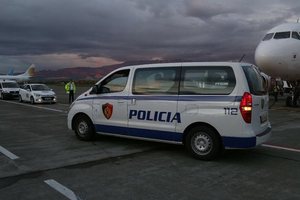
Police have arrested a 34-year-old woman at Rinas Airport ...

A serious accident has occurred on the Lezhë-Shëngjin axis...

This Wednesday, our country will be under the influence of...
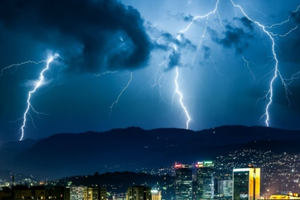
All of Southern Europe will face changing weather conditio...
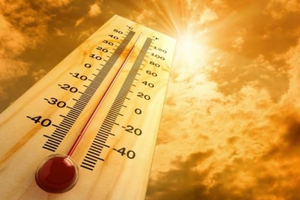
Albania was hit by temperatures significantly higher than ...

For the first time, Pogradec welcomed the Inter-Lake Chess...
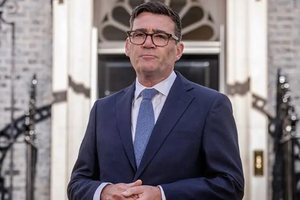
Prime Minister Andy Burnham has announced that most bus fa...

France's parliament has passed a law to ban social media f...
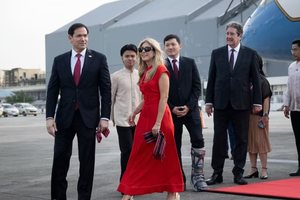
US Secretary of State Marco Rubio arrived in Manila on Jul...
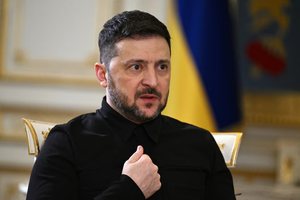
In the space of a few days, Ukrainian President Volodymyr ...

At a time when industrial products are increasingly taking...

Trust among people is not just a three-syllable word. It c...

Master of humor Todi Llupi has passed away at the age of 7...

The ninth edition of "MIK Festival" kicked off with one of...

Businesses will no longer be required to simply register t...

Despite economic growth and income in recent years, Albani...

This Wednesday, one US dollar is bought for 81.4 lek and s...

Construction company licenses will have a validity period ...