


Serious accident on the Lezhë-Shëngjin axis / The car breaks into pieces, the driver ends up in trauma
A serious accident has occurred on the Lezhë-Shëngjin axis...

A serious accident has occurred on the Lezhë-Shëngjin axis...

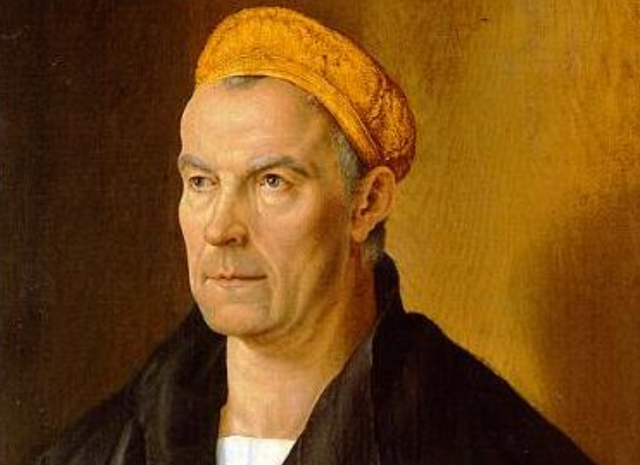
He was the richest man of his time, financing kings and popes, and in some ways had more wealth than Elon Musk today. How did Jakob Fugger become the architect of modern commerce 500 years ago?
His name is still legendary today: Jacob was known as 'the rich' during his lifetime. But his importance goes beyond wealth. The merchant and banker from Augsburg in southern Germany laid the foundations for the modern economy. "You could say that Fugge was the first person to trade on a global scale," says Greg Steinmetz in an interview with DW.
In 2015, the former German correspondent for the Wall Street Journal commemorated Fugger with his biography "The Richest Man Who Ever Lived." Before Charles V, who was also emperor of the Holy Roman Empire of the German nation and king of Spain, brought South America under his control, there was not much trade with the rest of the world. "From Europe, trade was carried out with India, with present-day Indonesia and China. But travel to the West only became possible after Columbus. So when we talk about international trade, it was wholesale. Was there global trade? No, because only half of the world had been discovered by Europeans. And Fugger was at the beginning of this phenomenon," says his biographer.
Education in Italy
Jakob Fugger was born into a wealthy family in Augsburg, founded by his grandfather Hans Fugger as a master weaver. In Venice he learned the trade and developed his taste for the Renaissance. Venice introduced him to an innovation that accelerated his rise: double-entry bookkeeping.
"There were no business schools at that time. Families sent their sons to apprentice and Germans did a lot of trading in Venice. Fugger was sent by his family to Venice to work and learn everything he could. He took all the Venetian secrets with him to Germany, including double-entry bookkeeping, and was the first in Germany to implement these modern methods," explains Greg Steinmetz.
So Fugger always knew how much money he had, unlike many of his competitors who operated without accurate records. Fugger also understood the value of information. "He had agents in every major European city and even in every city in Germany. And people supplied him with information, by courier and horse and any other way that these messages could be delivered to Fugger. Information is everything today and it was then," says Steinmetz. "He who knew about developments early and used them for business had an advantage. And Fugger understood that."
The Financier of Emperors
After the death of his brothers, Jakob Fugger took full control of the family business in 1510 and continued the policy of providing loans to the Habsburg family under the emperors Maximilian I and Charles V. He gained access to silver and copper mines, mainly in Tyrol and what was then Hungary. He did not own the mines themselves, but held prospecting rights, shares and pre-emptive rights to the ores, a guarantee that would prove very profitable.
Europe offered little of what was needed in Asia at the time. "Europe didn't export technology like it does today. It didn't export luxury goods. It didn't export cars. But it had metals like silver, gold and copper. And that's where Jakob Fugger came in," explains Fugger's biographer.
Copper for the world
"A very lucky coincidence for the Fugger mining concern was that in India at that time, which was far superior to Europe in technology and economy, there was a shortage of copper and the demand for it was very high," Martin Kluger tells DW. He runs the Context publishing house in Augsburg and Nuremberg and is the author of several books on the history of the Fugger family. "Another coincidence was that Vasco da Gama discovered the sea route to India in 1498, shortly after the Fugger family entered the copper mining business in Neusohl - today Banská Bystrica - in 1495. So at a time when the demand for copper was higher than ever, the Fugger family had reserves, which suddenly became very valuable," says Kluger.
In Europe, too, the demand for copper increased for shipbuilding, cannons, kitchenware, the roofs of city palaces and religious buildings. According to Kluger, the Fugger family was "forced" into the mining business, so to speak: the Habsburgs and the King of Hungary were struggling to pay off their debts, so they granted them rights to the mines. "The fact that the upper aristocracy was not very good at business was to the Fugger family's advantage," says Kluger.
According to Greg Steinmetz, the reason Fugger was not overthrown by his powerful creditors, or why they did not refuse to repay him, was "Fugger's great talent: He knew that he had to make himself indispensable to survive. He had to be the only person to whom the emperors and princes could turn when they urgently needed money. Emperor Maximilian was constantly waging wars. He had to pay the mercenaries, who otherwise would have returned to their villages and not fought for him," says Steinmetz. "And the only one who could quickly provide Maximilian with money when he needed it was Fugger."
The Fugger Legacy
As a banker, Fugger revolutionized credit, convincing the Pope to relax the church's ban on usury. Charging interest to Christians was no longer automatically sanctioned. The reason was simple: "If you read the sources, including those from the Vatican, it's no secret that even the Pope preferred to extract the highest possible profits," economic historian Lars Börner told Deutschlandfunk radio.
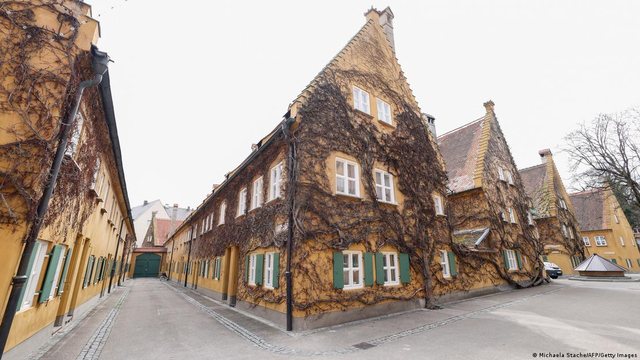
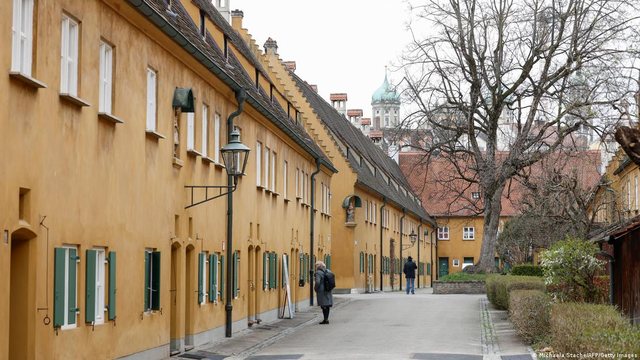
In return, Fugger received a share of the clergy's income, including the controversial sale of indulgences, which financed St. Peter's Basilica in Rome and spurred Martin Luther to action. "We can argue about how he modernized finance, how he enabled people to borrow money at interest, how he helped the Habsburgs conquer half the world, how he unintentionally triggered the Reformation, angering Martin Luther. But what is remembered, of course, is his housing project in Augsburg: Without the Fuggerei (a neighborhood of social housing in Augsburg) no one except historians would be talking about Fugger, because this was the first social housing project in the world," Steinmetz points out.
The Fuggerei still exists today. Residents pay nominally the same rent as they did 500 years ago, and the apartments are considered a model of social housing. People from all over the world visit the complex, perhaps the most visible symbol of the Fugger legacy.
Historians estimate Fugger's fortune to have been between 300 and 400 billion US dollars. Depending on the calculation, it accounted for between two and ten percent of Europe's economic output at the time, making it more than the wealth of today's super-rich like Elon Musk or Jeff Bezos in relation to the economic output of the United States. Moreover, their wealth fluctuates significantly depending on the share price of their companies on the stock exchange. Similar to Jakob Fugger, Bill Gates, who was once the richest person in the world himself, is working on his legacy with a foundation. However, says business historian Boris Gehlen in an interview with DW, today's billionaires have less long-term historical significance: "Their legacy will not be as great as Fugger's."/ DW


The number of corporate bankruptcies in Germany in the fir...

US officials announced that the US Coast Guard is tracking...

The situation at the checkpoints with farmers and the Gree...
A Russian general has been killed in an explosion in Mosco...
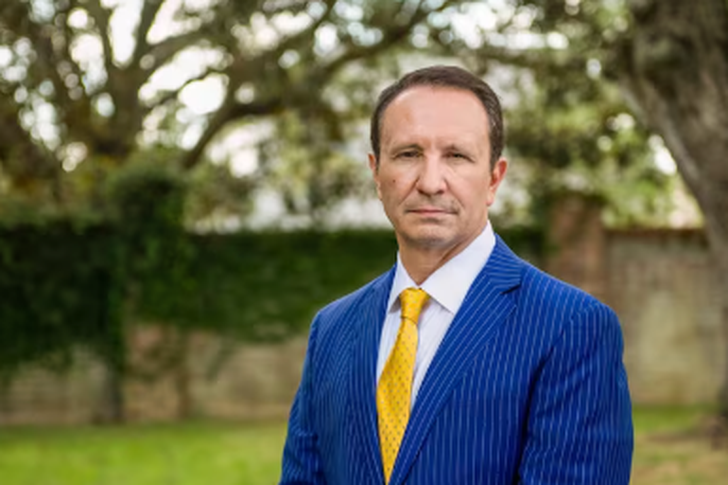
US President Donald Trump announced that he has appointed ...

Several thousand activists from across Serbia joined stude...
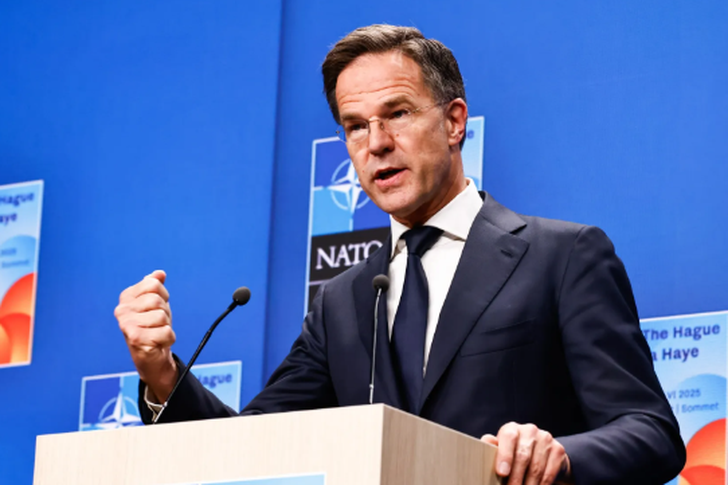
NATO Secretary General Mark Rutte has described Russian Pr...

This Sunday afternoon, a telephone conversation took place...
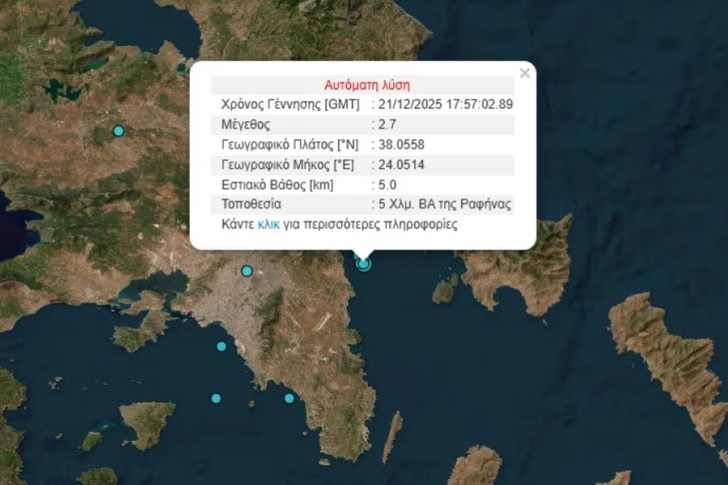
Two earthquakes measuring 2.9 and 2.7 on the Richter scale...

With a reinforced presence at the blockades, farmers in Gr...

France's armed forces have been deployed to help vaccinate...
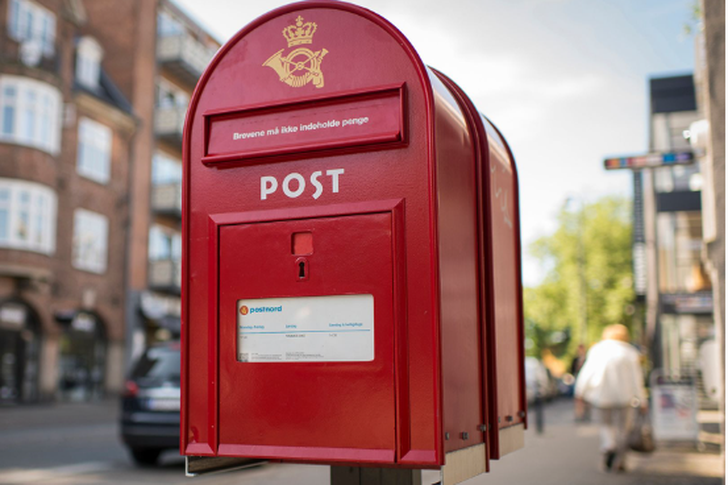
The Danish postal service will deliver its last letter on ...

Mijëra njerëz janë mbledhur në plazhin Bondi të Sidneit pë...
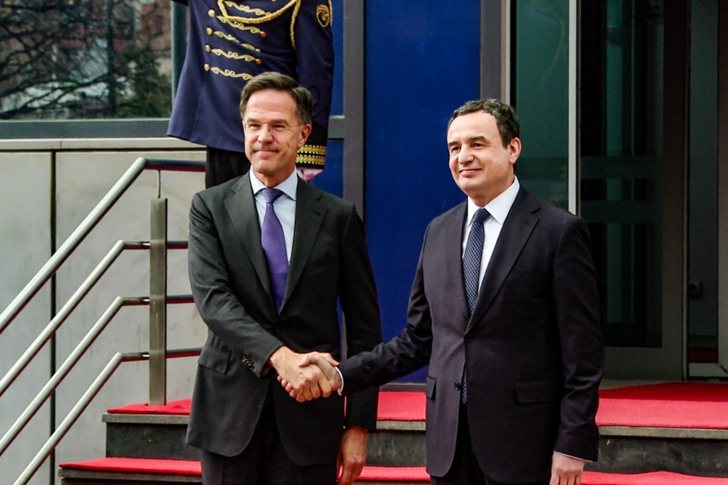
NATO membership is more than a political desire for Kosovo...

A senior Kremlin official has downplayed the chances of ma...

A serious incident has occurred in South Africa, where a m...

Kosovo Police said that during a search of the house and s...
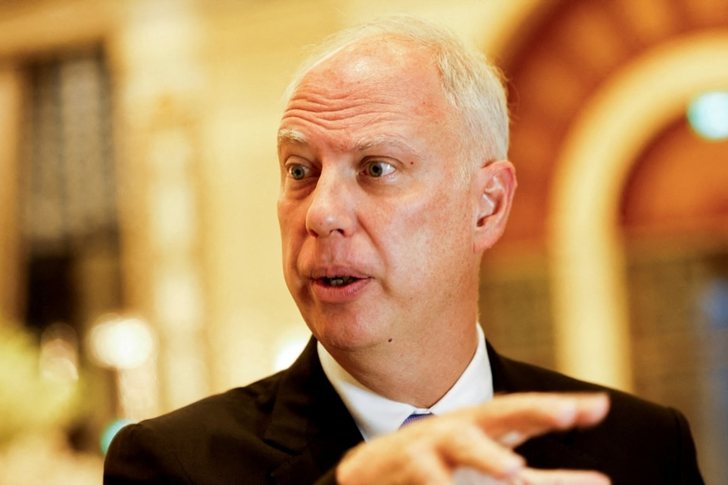
Kirill Dmitriev, a senior Kremlin negotiator, said Russia ...
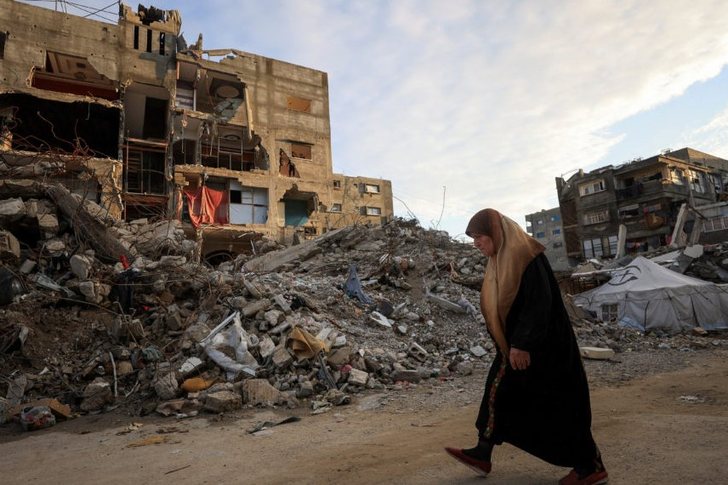
The Israeli army has killed six Palestinians, including a ...

Police officers have shot dead a man armed with a knife wh...

CNA has launched another investigation that could lead to ...

Irfan Hysenbelliu is a businessman that we call "Irfan the...

In March 2026, CNA launched another investigation centered...
The arrested mayor of Tirana, Erion Veliaj, with 13 charge...

The Special Board of Appeal (KPA) decided this Monday ...

The KPA vetting decided this Thursday to dismiss the p...

Suela Salavaçi, a prosecutor in the Prosecutor's Offic...

The Special Board of Appeal reinstated the prosecutor ...

A serious accident has occurred on the Lezhë-Shëngjin axis...
A serious incident has occurred in Morina, Kukes. Citizen...

The bad weather that swept the country on Tuesday evening ...

A road accident occurred this evening on Nikolla Zoraqi St...

This Wednesday, our country will be under the influence of...

All of Southern Europe will face changing weather conditio...

Albania was hit by temperatures significantly higher than ...

For the first time, Pogradec welcomed the Inter-Lake Chess...

Prime Minister Andy Burnham has announced that most bus fa...

France's parliament has passed a law to ban social media f...

US Secretary of State Marco Rubio arrived in Manila on Jul...

In the space of a few days, Ukrainian President Volodymyr ...

At a time when industrial products are increasingly taking...

Trust among people is not just a three-syllable word. It c...
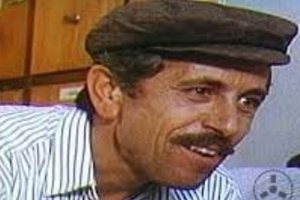
Master of humor Todi Llupi has passed away at the age of 7...
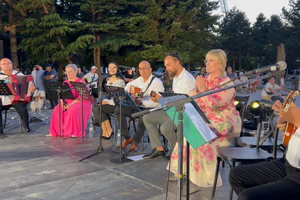
The ninth edition of "MIK Festival" kicked off with one of...

Businesses will no longer be required to simply register t...

Despite economic growth and income in recent years, Albani...
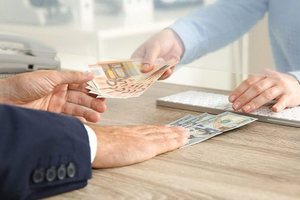
This Wednesday, one US dollar is bought for 81.4 lek and s...

Construction company licenses will have a validity period ...