


For you, Elisa!
Today in parliament you spoke as if you had never been in ...

Today in parliament you spoke as if you had never been in ...


The Minister of the Interior of Albania, Ervin Hoxha, said that portals in the Albanian language, which are of Russian origin, have been added in the country.
He made these statements during a hearing in the Special Commission for the coordination and supervision of institutional actions to fight "disinformation and other forms of foreign interference in the country's democratic processes".
"Recently, it is estimated that portals in the Albanian language have been added to the Russian disinformation infrastructure in the region, they continue to have limited visibility and permissibility and a small number of clicks," said Minister Hoxha.
Meanwhile, the chairman of the Commission against disinformation, Erion Braçe, said that it is very difficult to identify who is behind these portals.
"We are clearly aware of portals in the Albanian language, but originating in Russia and other malicious countries. There is no instrument to deal with portals that are of Russian origin and that are in the Albanian language. Internal misinformation remains a big problem, they are not formal and do not take responsibility for what they say," he said.
About two months earlier, the chairman of the Electronic and Postal Communications Authority, Tomi Frashëri, declared in one of the sessions of this commission that the institution he leads has closed 155 Russian domains. He emphasized that their closure was mainly related to Russia's pro-war stance against Ukraine.
Meanwhile, the Minister of the Interior, Ervin Hoxha, emphasized that as a member of NATO, Albania has the ability to prevent, counter and respond to Russia's hybrid attacks as a priority.
He emphasized that the strengthening of capacities for the detection and prevention of hybrid threats through investments in technology, public education and the strengthening of democratic institutions, remain vital for facing this challenge.
The Minister of the Interior said that the main perpetrators of hybrid campaigns and their main forms in cyber attacks as well as any other activity are state actors and organizations sponsored by them, and less non-governmental business organizations.
"Russia has increased its presence and influence in the region, opposing and delaying the European integration process of these countries through political and economic influence. It is accepted that Moscow's political propaganda does not come directly from Moscow, but comes repackaged in the same way as if it came from there and distributed through its satellites in the region. "Ninety percent of this Russian propaganda is done in the Serbian language," said Hoxha.
He said that during the years 2023-2024, Albania has faced cyber attacks on its critical information infrastructures. The minister raised the concern that currently the term "disinformation" is not defined in the Criminal Code of Albania.
Even the chairman of the Commission against disinformation, Erion Braçe, emphasized that there is a legal gap to address the problem of disinformation and that if it is not addressed, it could have an impact on the elections that are expected to be held in the spring of next year.
"We have been discovered, it is a great concern. The Ministry of the Interior and the State Police state that they are in a complete legal vacuum to act on foreign interventions that use disinformation to attack institutions or create clear divisions in society. There is no legal basis to act in such cases. If this gap is not fulfilled before the elections, there will be problems in the financing of campaigns, but also in terms of disinformation. It's enough to bring the case of Romania to him", emphasized Braçe.
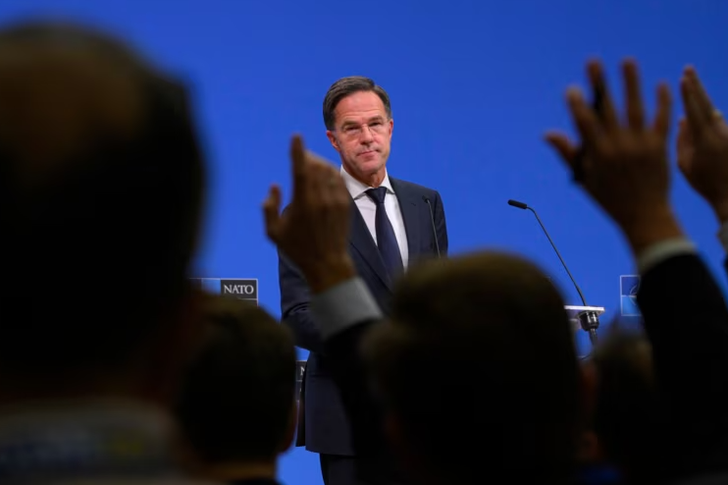
The head of NATO, Mark Rutte, in recent days has said that the alliance is increasing its efforts to oppose the "sabotaging" acts of Russia, but also China, after he said that these two countries have tried to destabilize in recent years alliance states through acts of sabotage, cyber attacks and disinformation./ REL

Citizens from Albania and Kosovo continue to lead with a c...
The former European Commissioner for Justice, Didier Reynd...

Albania's EU membership path requires the adaptation of th...
NATO member countries have agreed to make the defense of U...
Georgian police again used tear gas and water cannons to d...

US Secretary of State Antony Blinken said on Tuesday that ...
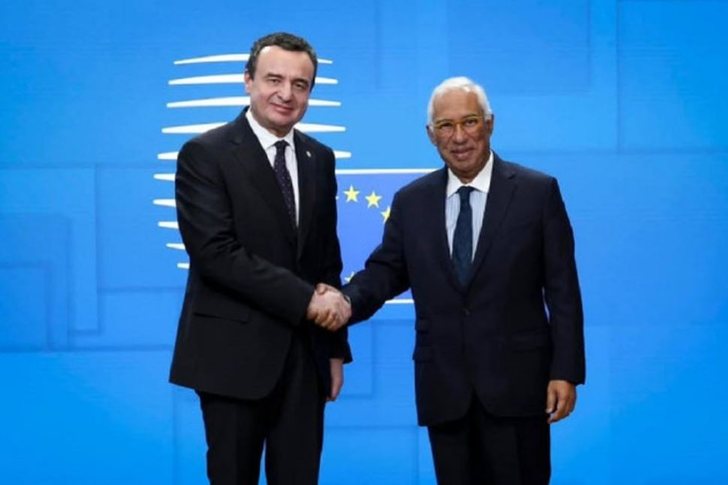
The Prime Minister of Kosovo, Albin Kurti, has held a ...
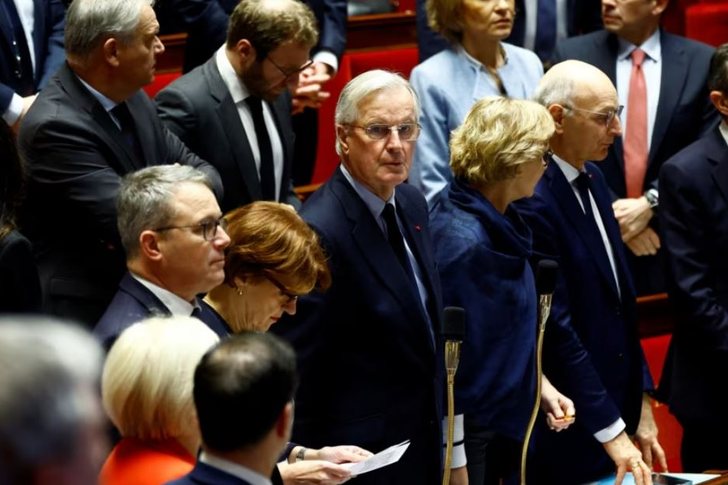
French lawmakers will vote Wednesday on a motion of no con...
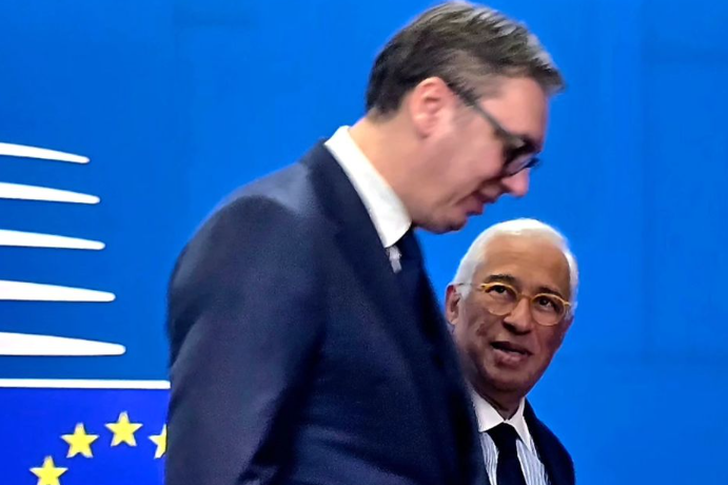
President Aleksander Vucic said in Brussels that Belgrade ...
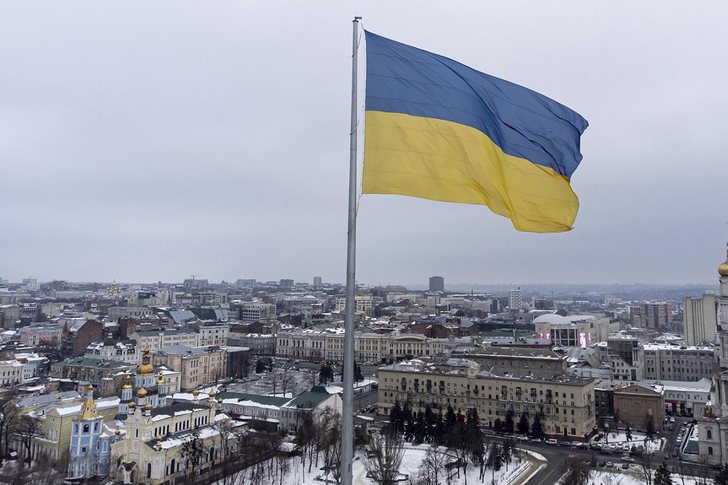
Ukraine will immediately join NATO - with the part not occ...
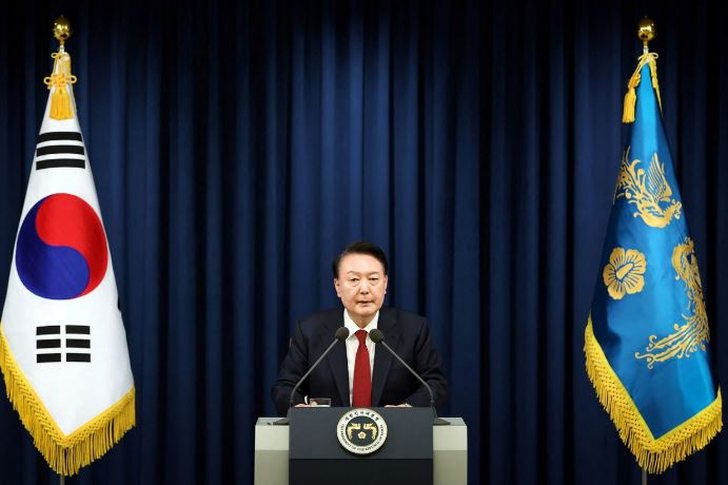
Six South Korean opposition parties have submitted a b...
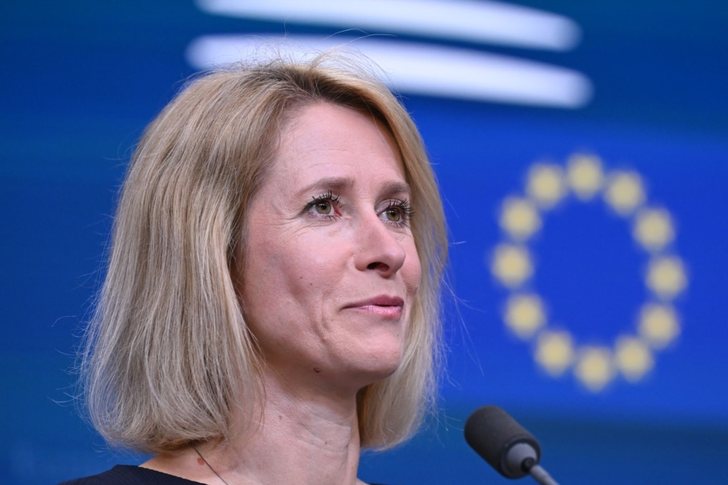
The head of the European Union's foreign policy, Kaja Kall...
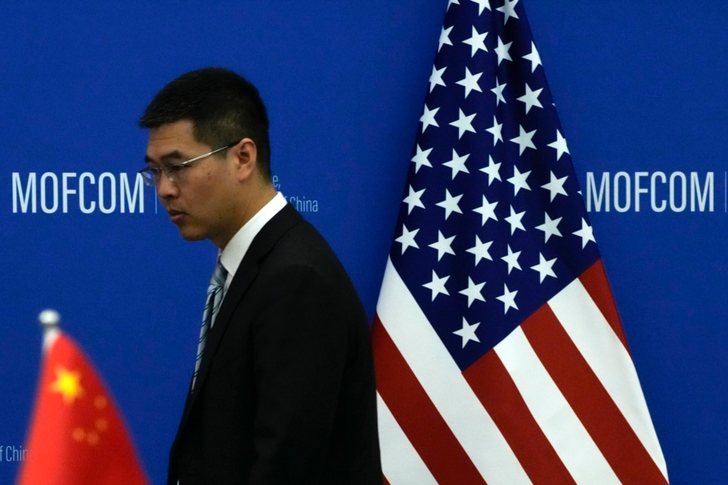
China announced on Tuesday that it is banning the export o...
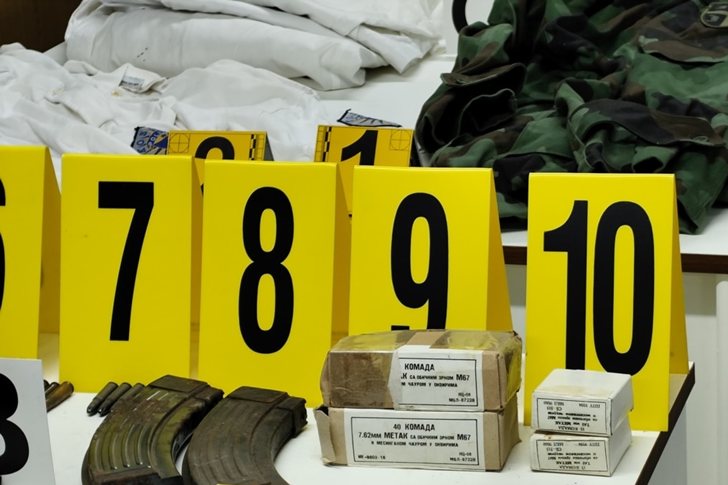
The Minister of Internal Affairs of Kosovo, Xhelal Sveçla,...
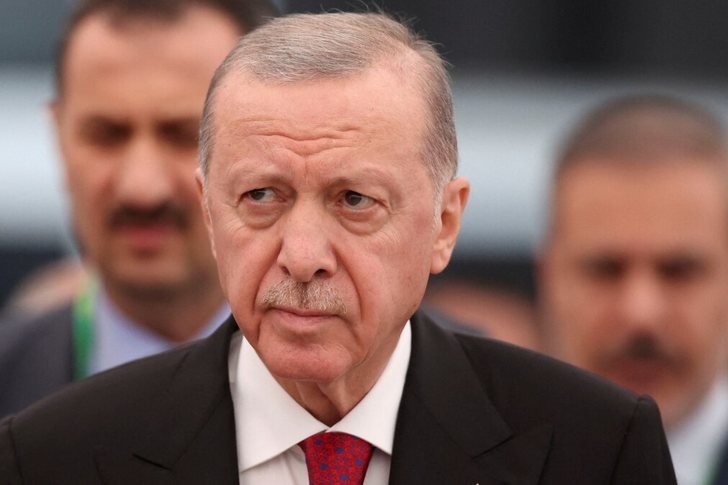
The President of Turkey, Recep Tayyip Erdogan, and that of...
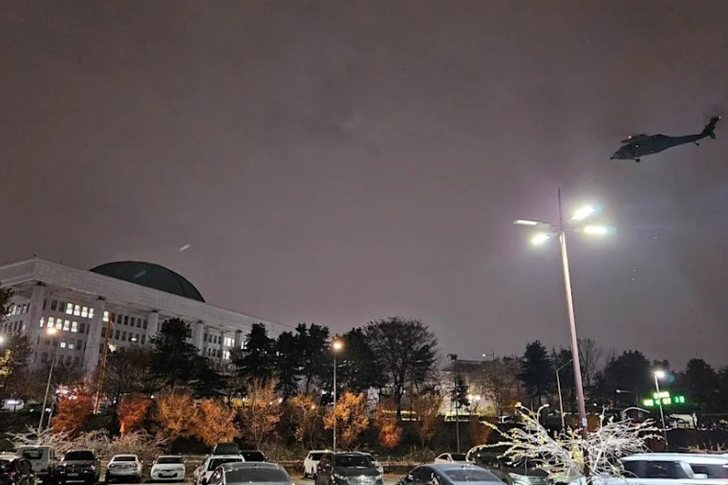
Under mounting political pressure, South Korean President ...
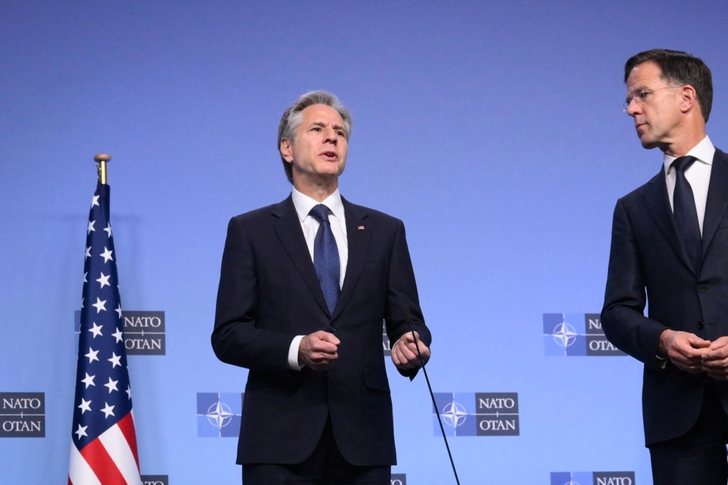
US Secretary of State Antony Blinken said on Tuesday that ...

President-elect Donald Trump will attend the reopening of ...
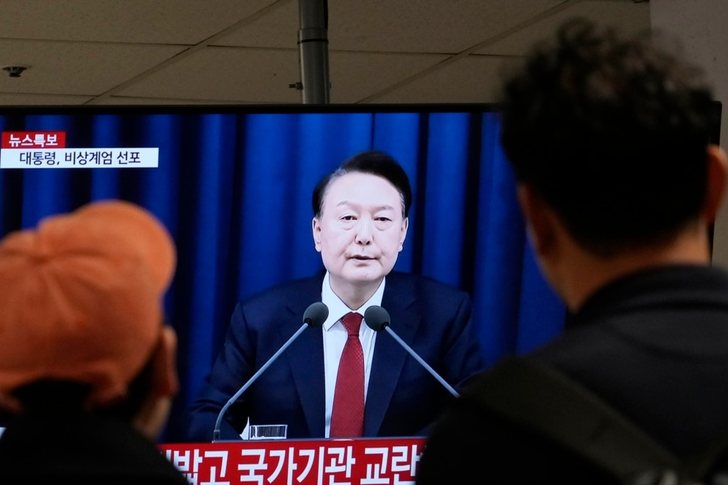
South Korean President Yoon Suk Yeol declared a state of e...

A one-day strike at almost all of German giant Volkswagen'...

CNA has launched another investigation that could lead to ...

Irfan Hysenbelliu is a businessman that we call "Irfan the...

In March 2026, CNA launched another investigation centered...
The arrested mayor of Tirana, Erion Veliaj, with 13 charge...

The Special Board of Appeal (KPA) decided this Monday ...

The KPA vetting decided this Thursday to dismiss the p...

Suela Salavaçi, a prosecutor in the Prosecutor's Offic...

The Special Board of Appeal reinstated the prosecutor ...
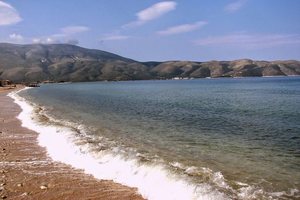
A person has died today on Orikum beach. According to repo...
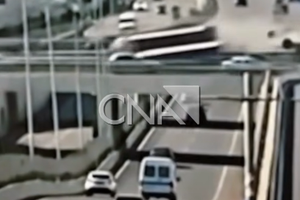
Footage emerges from the serious accident that occurred th...
A Shkodra traffic police officer was hit with hard objects...
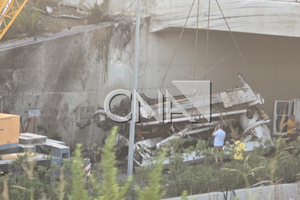
This Wednesday, around 4:00 PM, a serious accident occurre...

Children without parental care, for whom alternative famil...

On Thursday, our country will be under the influence of st...
A serious accident that occurred this Wednesday with the c...

The Institute of Geosciences has shared a forecast for wea...

Artificial intelligence (AI) models from the American comp...
At least 10 people have died after a fire broke out in a h...
Yemen's Houthis have claimed to have attacked two Saudi oi...
The trial of ousted Venezuelan President Nicolas Maduro on...

At a time when industrial products are increasingly taking...

Trust among people is not just a three-syllable word. It c...

Master of humor Todi Llupi has passed away at the age of 7...

The ninth edition of "MIK Festival" kicked off with one of...
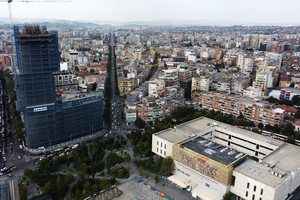
The average sale price of apartments in Tirana reaches rec...

This Thursday, one US dollar is bought for 81.5 lek and so...

The price of diesel reached 206 lek per liter from 198 lek...

Businesses will no longer be required to simply register t...