


For you, Elisa!
Today in parliament you spoke as if you had never been in ...

Today in parliament you spoke as if you had never been in ...

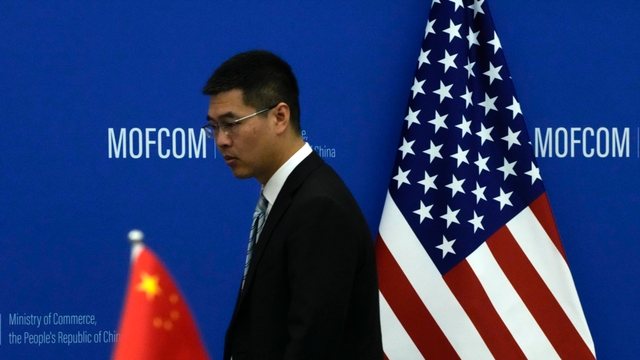
China announced on Tuesday that it is banning the export of gallium, germanium and antimony metals and other high-tech materials that can be used in the military as a matter of principle, in retaliation for restrictions that the United States The United States has imposed restrictions on exports related to semiconductors.
China's Ministry of Commerce announced the decision after Washington expanded the list of Chinese companies to be subject to export controls on equipment for the production of computer microprocessors and high capacity data storage microprocessors. Such microprocessors are needed for more advanced applications.
This tightening of trade restrictions comes at a time when President-elect Donald Trump has threatened to multiply tariffs on imports from China and other countries, which could escalate tensions over trade and technology.
China's Foreign Ministry also made a firm statement.
"China has strongly protested the United States' decision to update export control measures on semiconductors, sanctions against Chinese companies and malicious suppression of China's technological progress ," Chinese Foreign Ministry spokeswoman Lin Jian said on Tuesday.
"We want to emphasize that China opposes this over-extension of the concept of national security, abuse of export control measures, illegal and unilateral sanctions and jurisdiction where it does not belong," spokeswoman Lin said.
Minerals mined in China are used for computer microprocessors, vehicles
In July 2023, China announced it would require exporters to apply for permits in order to ship strategically important metals such as gallium and germanium to the United States.
In August, China's Ministry of Commerce said it would limit exports of antimony, which is used in a range of products from batteries to weapons, and impose tougher controls on graphite exports.
Such minerals are considered critical to national security. China is a significant producer of antimony, which is used in fire suppression equipment, batteries, night vision goggles and the production of nuclear weapons, according to a report by the US International Trade Commission.
The restrictions imposed by Beijing on Tuesday also include other solid materials, such as diamonds and synthetic materials. They are used in many industrial fields including cutting tools, brake discs and protective surfaces. Criteria for the permits that China announced in August also include metal smelting and separation technology and other machinery related to the processing of these solid materials.
China has the world's largest reserves of gallium and germanium, which are produced in small quantities but are needed to make computer microprocessors for mobile phones, cars and other products, as well as solar panels and military technology.
After the US announced it was adding 140 companies to the so-called "entity list" to be subject to strict export controls, the Chinese Ministry of Commerce protested and said it would act to protect China's "rights and interests". Almost all of the companies affected by Washington's latest export restrictions are located in China, although some companies with Chinese owners are also in Japan, South Korea and Singapore.
Both governments say their export control decisions are necessary for their national security.
China's government has been angered by restrictions imposed by the United States on access to advanced microprocessors and other technologies for security reasons, but has been cautious in its response, perhaps in an effort not to hinder China's electronics sector. the development of microprocessors, artificial intelligence and other technologies, which is in the initial stage.
Various Chinese industry associations have made statements to protest against US measures that limit their access to technology for the production of advanced microprocessors.
The Chinese Association of Automobile Manufacturers said it opposes the use of national security as a basis for export controls, and as it put it, "abuse of export control measures, as well as malicious blockade and oppression of China . "
"Such behavior seriously violates the laws of the market economy and the principle of fair competition, undermines the international economic and trade regime, disrupts the stability of the world industrial chain and ultimately damages the interests of all states ," the statement said.
The China Semiconductor Industry Association made a similar statement, adding that such restrictions were disrupting supply chains and adding to costs for US companies.
"American microprocessor products are no longer safe or durable. "Certain Chinese industries should be cautious when purchasing American microprocessors ," the statement said.
The United States gets half of its supply of gallium and germanium metals from China, according to the United States Geological Survey. China exports about 25 tons of gallium in 2022 and produces about 660 tons of germanium annually. The United States has reserves of such minerals, but has not mined them, although several projects are underway to examine ways it can exploit these resources.
Export restrictions have had a mixed impact on the prices of these critical minerals. The price of antimony has doubled this year to $25,000 per ton. The prices of gallium, germanium and graphite have also increased./ VOA

The Minister of Internal Affairs of Kosovo, Xhelal Sveçla,...
The President of Turkey, Recep Tayyip Erdogan, and that of...
Under mounting political pressure, South Korean President ...
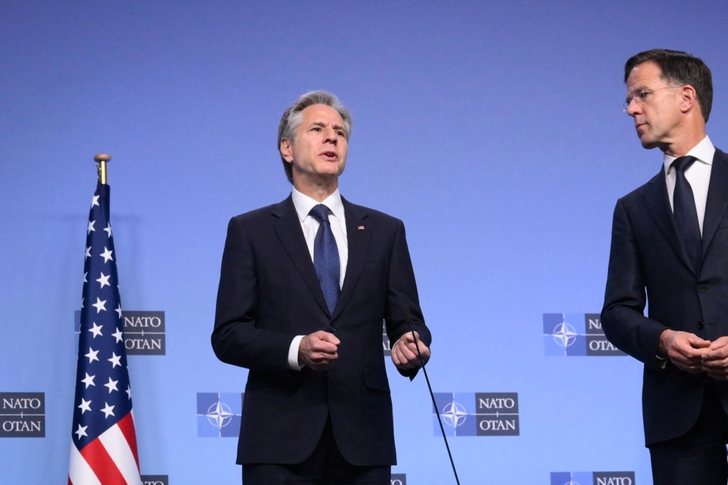
US Secretary of State Antony Blinken said on Tuesday that ...

President-elect Donald Trump will attend the reopening of ...
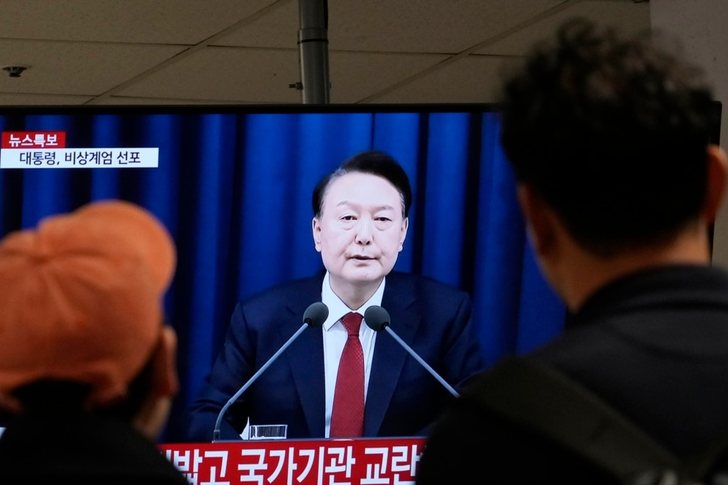
South Korean President Yoon Suk Yeol declared a state of e...

A one-day strike at almost all of German giant Volkswagen'...
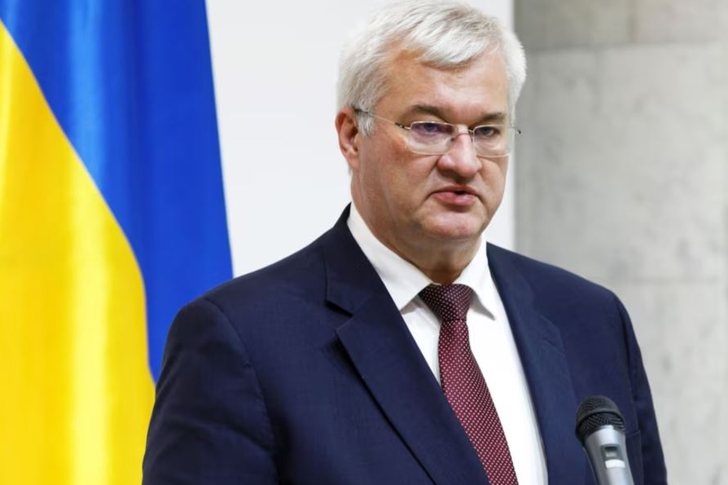
Ukraine has again called for NATO membership, saying that ...

Iran's President Masoud Pezeshkian has expressed doubt...

German Chancellor Olaf Scholz visited Ukraine for the firs...

Can Israeli Prime Minister Benjamin Netanyahu be arrested ...
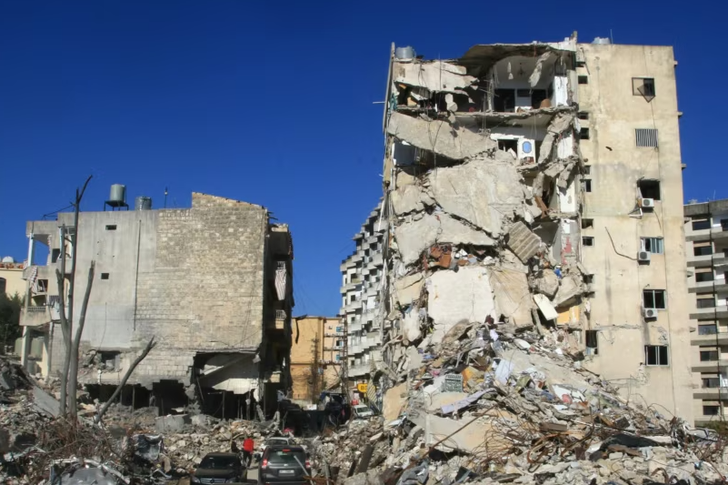
Israel has carried out the biggest attack against Lebanon ...
The United Nations warned on Tuesday that drought costs th...
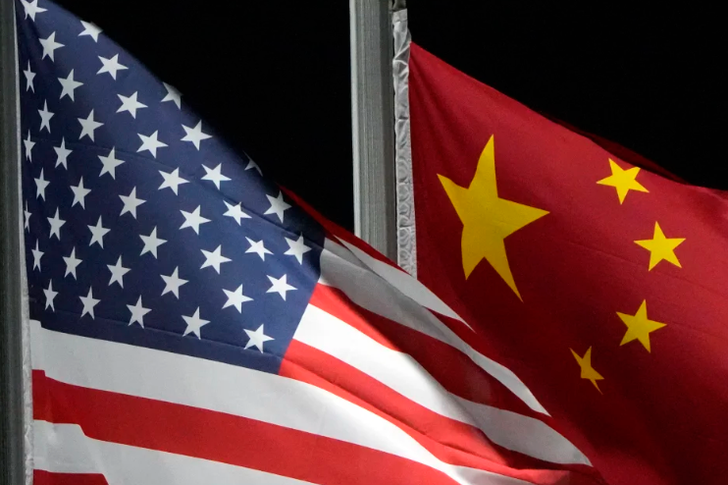
The Chinese government has criticized America's imposition...

Vietnamese tycoon Truong My Lan has lost her appeal agains...
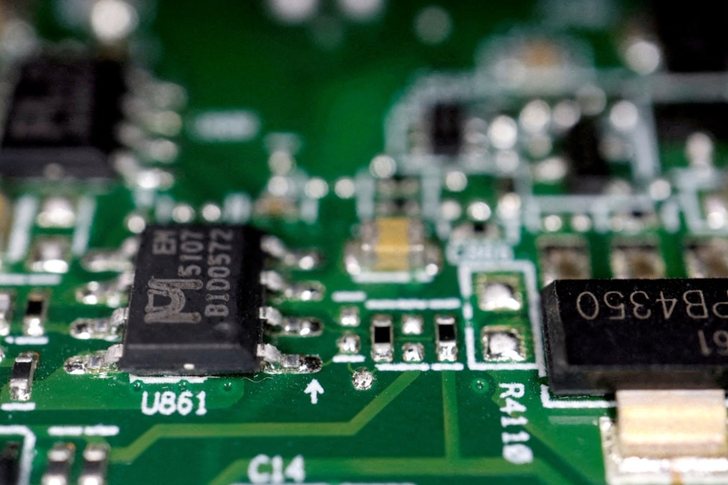
The United States announced new export restrictions aimed ...
The president of the International Criminal Court (ICC) ha...
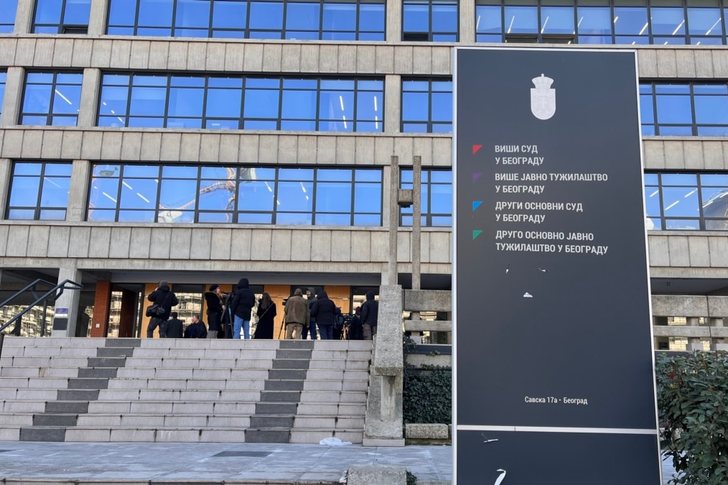
The Belgrade High Prosecutor's Office announced on Dec...
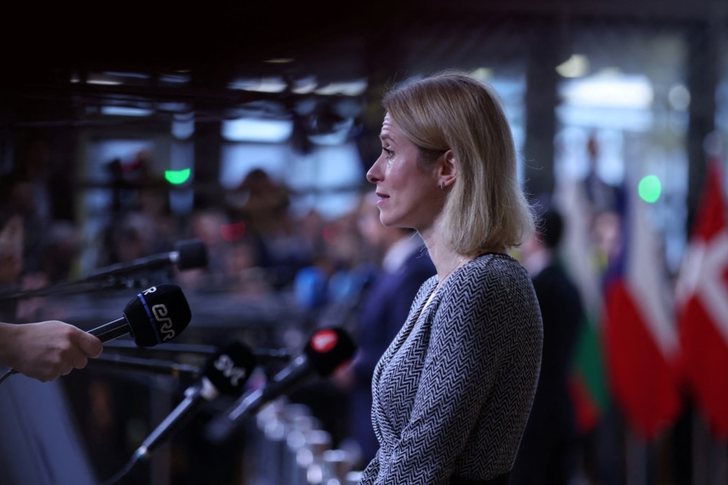
The Prime Minister of Kosovo, Albin Kurti, and the Preside...

On December 2, the Committee for Foreign Policy of the Eur...

CNA has launched another investigation that could lead to ...

Irfan Hysenbelliu is a businessman that we call "Irfan the...

In March 2026, CNA launched another investigation centered...
The arrested mayor of Tirana, Erion Veliaj, with 13 charge...

The Special Board of Appeal (KPA) decided this Monday ...

The KPA vetting decided this Thursday to dismiss the p...

Suela Salavaçi, a prosecutor in the Prosecutor's Offic...

The Special Board of Appeal reinstated the prosecutor ...
A person has died today on Orikum beach. According to repo...

Footage emerges from the serious accident that occurred th...

A Shkodra traffic police officer was hit with hard objects...
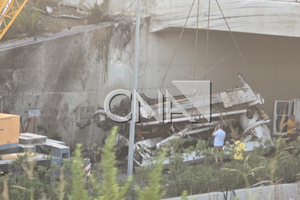
This Wednesday, around 4:00 PM, a serious accident occurre...

Children without parental care, for whom alternative famil...

On Thursday, our country will be under the influence of st...

A serious accident that occurred this Wednesday with the c...

The Institute of Geosciences has shared a forecast for wea...

Artificial intelligence (AI) models from the American comp...

At least 10 people have died after a fire broke out in a h...

Yemen's Houthis have claimed to have attacked two Saudi oi...

The trial of ousted Venezuelan President Nicolas Maduro on...

At a time when industrial products are increasingly taking...

Trust among people is not just a three-syllable word. It c...

Master of humor Todi Llupi has passed away at the age of 7...

The ninth edition of "MIK Festival" kicked off with one of...
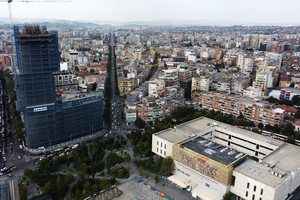
The average sale price of apartments in Tirana reaches rec...
This Thursday, one US dollar is bought for 81.5 lek and so...
The price of diesel reached 206 lek per liter from 198 lek...

Businesses will no longer be required to simply register t...