

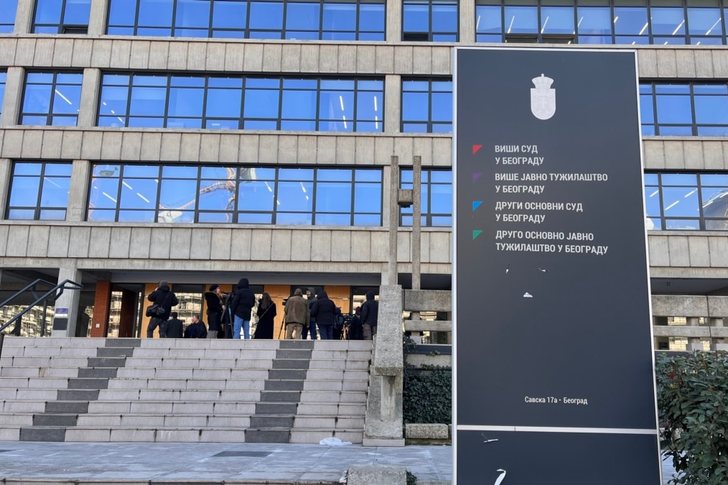
Serbia wants to investigate calls for armed rebellion
The Belgrade High Prosecutor's Office announced on Dec...


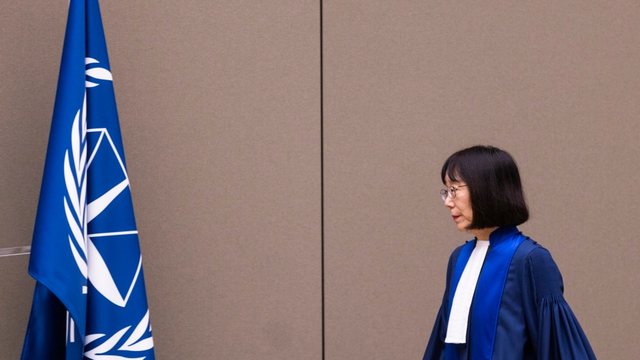
The president of the International Criminal Court (ICC) has used harsh language against the United States and Russia, accusing them of interfering in the court's investigations. She called the attacks on the court "terrible".
"The court is being threatened with harsh economic sanctions by a permanent member of the Security Council as if the court were a terrorist organization," said Judge Tomoko Akane during her speech at the institution's annual meeting on Monday.
Ms Akane was referring to remarks made by US Senator Lindsey Graham, whose Republican party will control both houses of Congress in January. Senator Graham compared the court to a "dangerous joke" and asked Congress to impose sanctions on its prosecutor. "I have a message for allies, for Canada, Britain, Germany, France, if you try to help the International Criminal Court, we will put sanctions on you," said Senator Graham during an interview for the American network 'Fox News'.
Senator Graham was angered by the announcement last month that judges had accepted a request by the court's chief prosecutor Karim Khan to issue arrest warrants for Israeli Prime Minister Benjamin Netanyahu, his former defense minister and Hamas military chief for crimes against humanity in connection with the 14-month war in Gaza.
It marks the first time the global court of justice has issued an arrest warrant for the leader of a key Western ally.
ICC challenges arrest warrants for leaders
Senator Graham's threats are not seen as empty words.
President-elect Donald Trump, during his first term, sanctioned the court's former prosecutor, Fatou Bensouda, with a travel ban and asset freeze over the investigation of US troops and intelligence officials in Afghanistan.
The president of the Akane Court spoke harshly about Russia as well. "Some elected officials are facing arrest warrants from a permanent member of the Security Council," she said. Moscow issued an arrest warrant for the chief prosecutor of the court Khan and others in response to the investigation into Russian President Vladimir Putin.
The Assembly of States, which represents the 124 member states of the ICC, will hold its 23rd conference to elect committee members and approve the court's budget.
The ICC was established in 2002 to prosecute individuals responsible for war crimes, crimes against humanity, genocide and the crime of aggression. The court only becomes involved when nations are unable or unwilling to prosecute these crimes on their own territory. To date, 124 countries have signed the Rome Statute, which created the court. Israel, Russia and China have not signed the Rome Statute.
The ICC has no enforcement power and relies on member states to execute arrest warrants.
The decision to issue such orders to Prime Minister Netanyahu and Israel's former defense minister, Yoav Gallant, has been denounced by critics of the court. The decision has received reserved support from many of her supporters, a stark contrast to the strong support given last year for the arrest warrant against Russian President Putin for war crimes in Ukraine.
President Joe Biden called the arrest warrants for Mr. Netanyahu and the former defense minister "offensive" and vowed to support Israel. A year ago, President Biden called the arrest warrant for President Putin "justified" and said the Russian President had committed war crimes. The United States is not a member state of the ICC.
France said it would "respect its obligations" but would have to consider Mr Netanyahu's possible immunity. When the order was announced for President Putin, France said it would give its "support to the essential work" of the court.
Austria and Italy disagreed with the arrest warrants but said they would carry them out. Germany said it would study the decision. Court member Hungary has said it will stand with Israel instead of the court.
Global security expert Janina Dill expressed concern that such responses could undermine efforts for global justice. "This really has the potential to damage not only the court, but international law," she told the Associated Press news agency.
Milena Sterio, an expert in international law at Cleveland State University, told the Associated Press that sanctions against the court could affect a number of people who contribute to the court's work, such as international human rights lawyer Amal Clooney. Ms. Clooney advised the current prosecutor on his request for arrest warrants for Prime Minister Netanyahu and others.
"Sanctions are a huge burden," Ms. Sterio said.
In addition to the meeting in The Hague, there are also internal pressures facing Chief Prosecutor Khan. In October, the Associated Press reported that the 54-year-old British attorney general is facing allegations that he tried to force a female adviser to have sex with him.
Two co-workers, to whom the woman confided the incident, reported his behavior in May to the court's independent watchdog. The court says it interviewed the woman and ended the investigation after five days when she decided not to make a formal complaint. Chief Prosecutor Khan was not questioned. He has denied the claims.
The Assembly of States has announced that it will launch an external investigation into the allegations. It is not clear whether the investigation will be addressed during the meeting.
Chief Prosecutor Khan took the floor after Judge Akane. He did not directly address the allegations against him or the threats against the court, except to say that the institution was facing "unprecedented challenges".
He highlighted his office's recent request for an arrest warrant against the head of Myanmar's military government and said he planned to seek arrest warrants related to Afghanistan and Sudan in the coming months.
Late last week, six countries, including France, Luxembourg and Mexico, asked Attorney General Khan's office to look into possible crimes in Afghanistan since the Taliban took control in 2021. While Mr. Khan is under no obligation to open a investigation in response to such a request, historically court prosecutors have considered such requests.
The court, which has long faced accusations of ineffectiveness, does not have any trials planned except for two trials expected to end in December. While it has issued a number of arrest warrants in recent months, many high-profile defendants remain at large.
Member States do not always act. Mongolia refused to arrest President Putin when he paid a visit in September. Sudan's former president, Omar al-Bashir, is wanted by the ICC on charges related to the Darfur conflict, but his country has refused to hand him over. Last week, Chief Prosecutor Khan sought an arrest warrant for the head of Myanmar's military regime, Senior General Min Aung Hlaing, for attacks against the country's Muslim minority, the Rohingya. The judges have not yet ruled on this request.
International law expert at Cleveland State University Milena Sterio said "it is very difficult to justify the existence of the court"./ VOA

The Belgrade High Prosecutor's Office announced on Dec...
The Prime Minister of Kosovo, Albin Kurti, and the Preside...
On December 2, the Committee for Foreign Policy of the Eur...
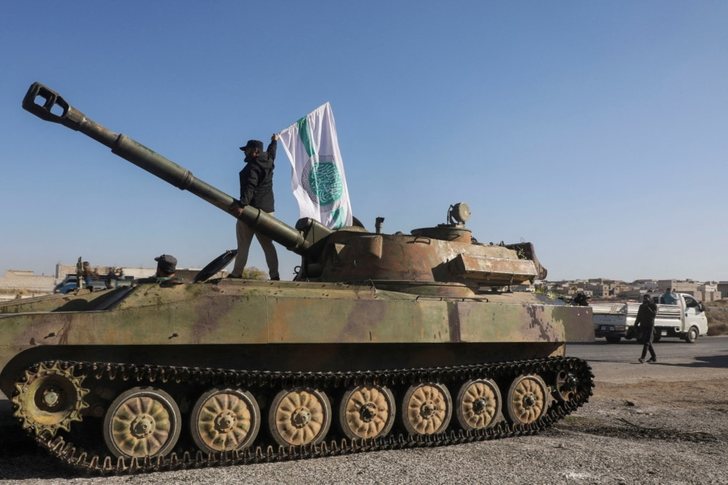
Hundreds of fighters from Iraqi armed groups backed by Ira...
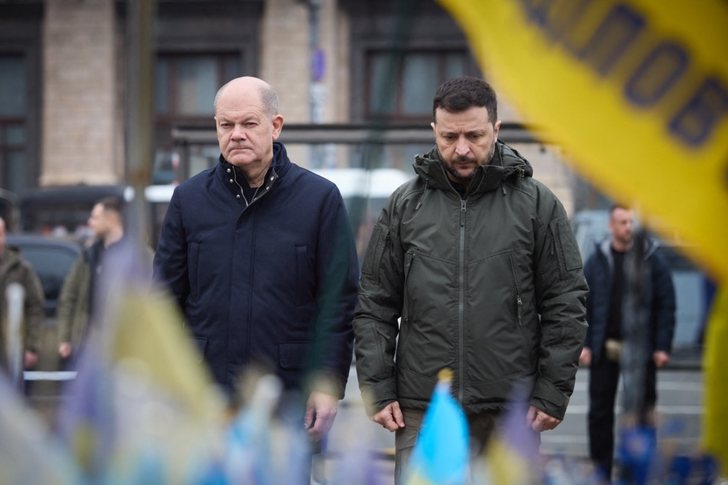
German Chancellor Olaf Scholz visited Ukraine on Monda...
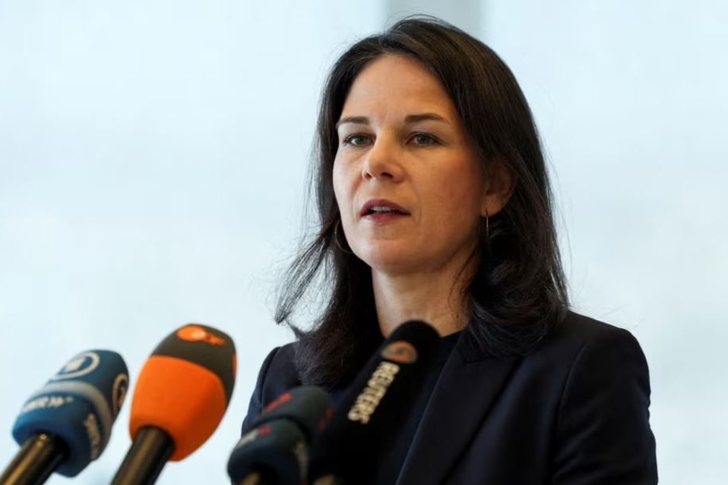
German Foreign Minister Annalena Baerbock warned her C...
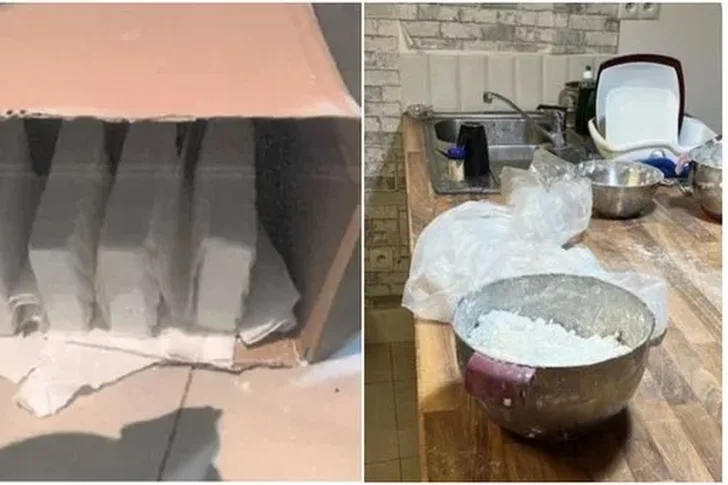
The Belgian police arrested six Albanians this Monday morn...
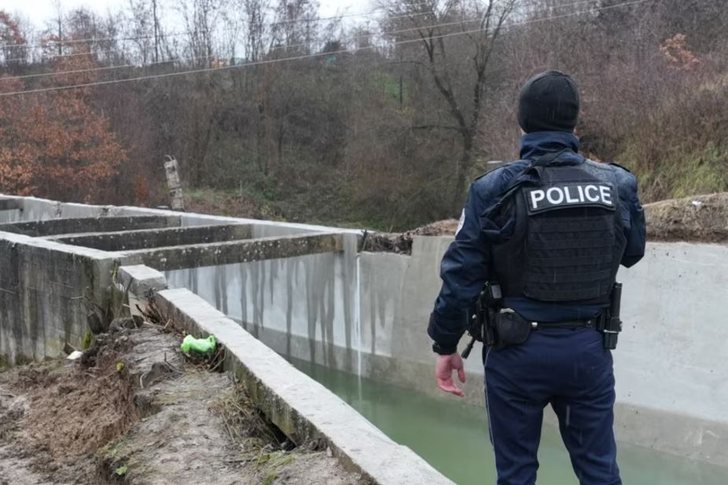
The Kosovo Police announced that they have arrested anothe...

In Rhodes and Lemnos, a state of emergency has been declar...
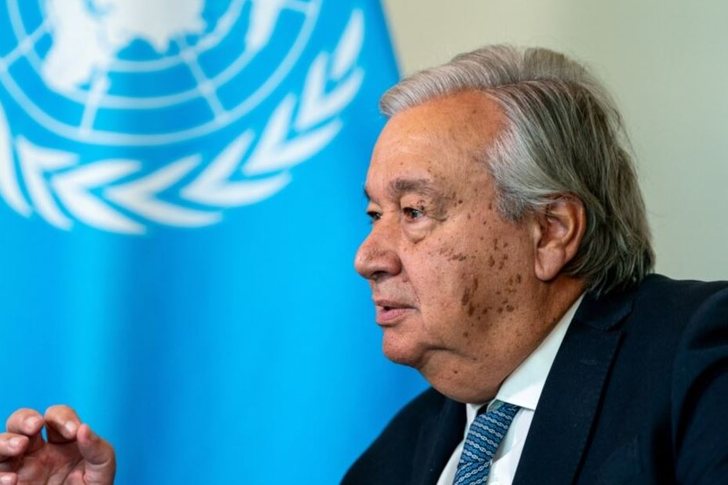
The head of the United Nations, Antonio Guterres, said...
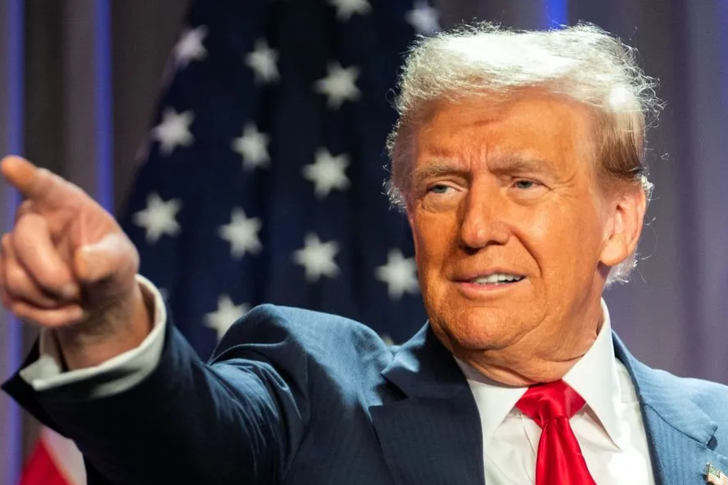
US President-elect Donald Trump has threatened to impose 1...
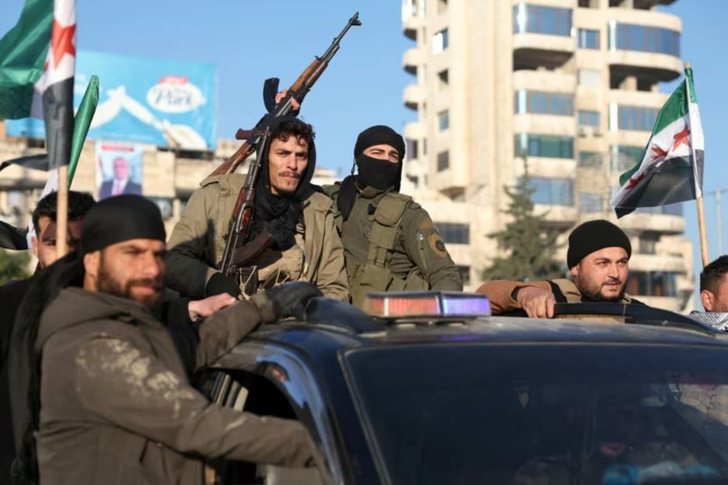
Irani ka thënë të hënën se planifikon t’i mbajë "këshillta...

A deliberate event took place in Kumanovo. Councilor Fitor...

Russian President Vladimir Putin has approved a record def...
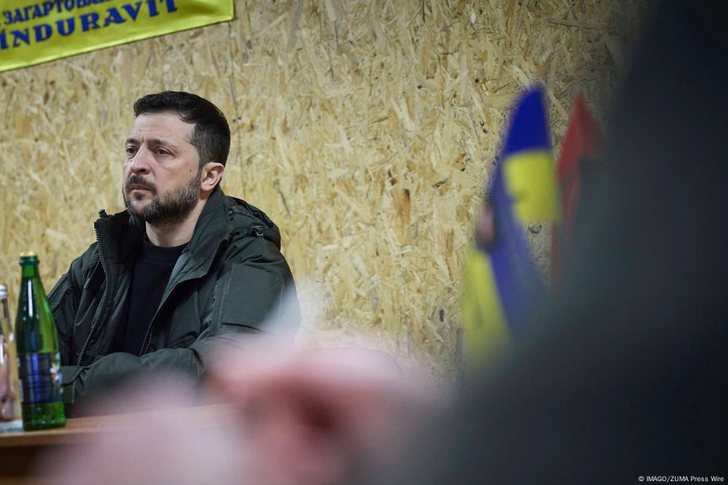
Will Trump force Ukraine and Russia into a ceasefire? How ...
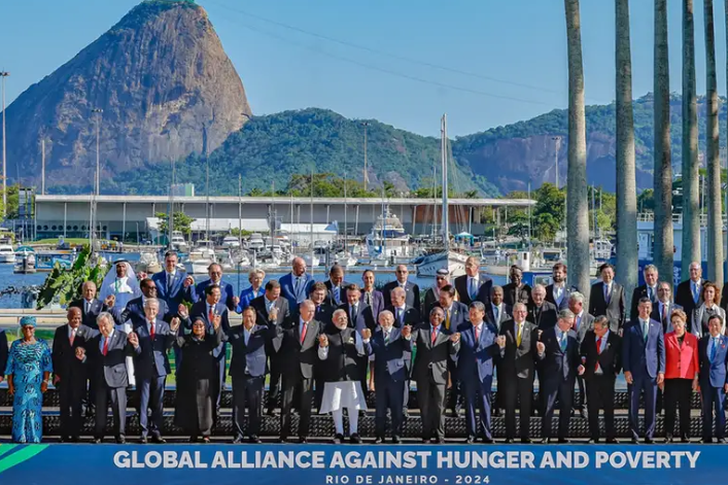
Brazil handed over the G20 presidency to South Africa. The...
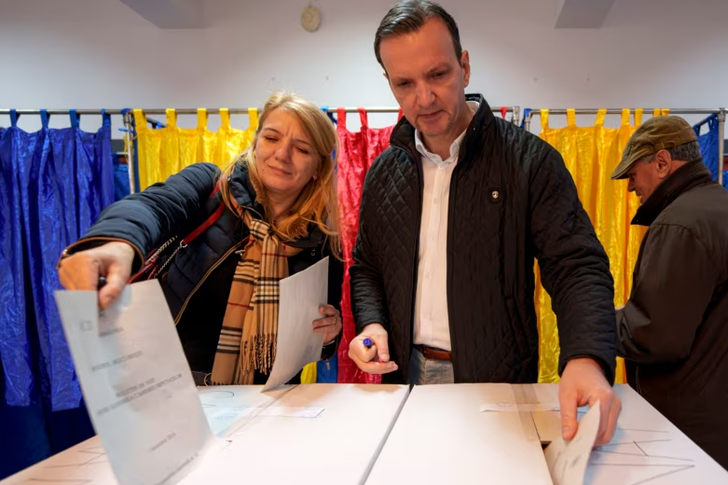
The Social Democratic Party of Romania, currently in power...
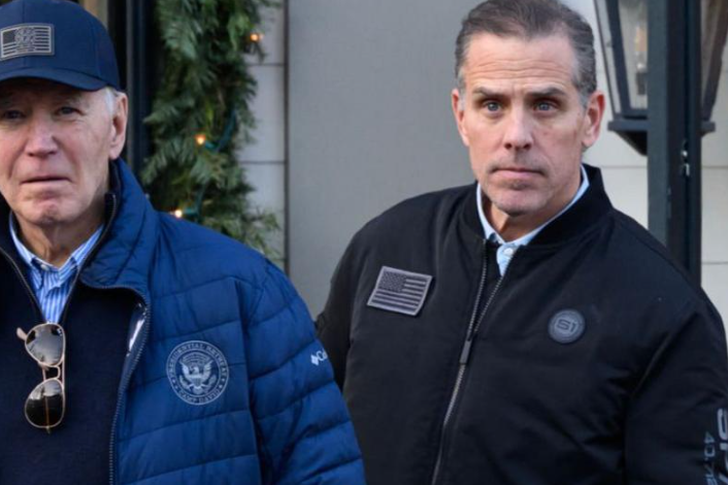
Late Sunday evening local time, US President Joe Biden iss...
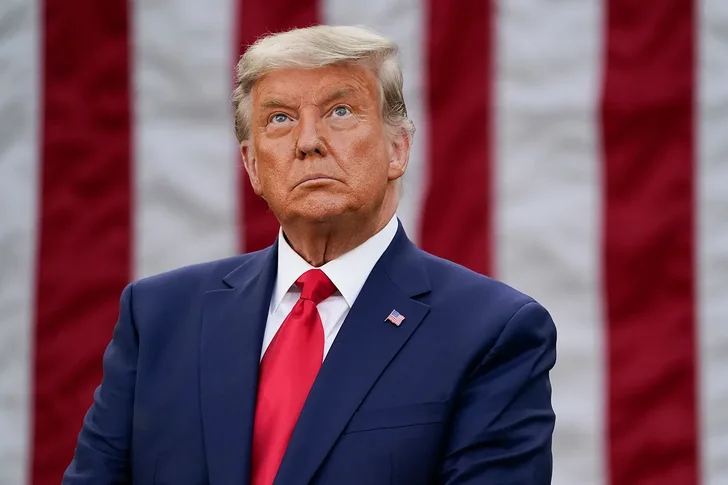
US President-elect Donald Trump has chosen Kash Patel ...
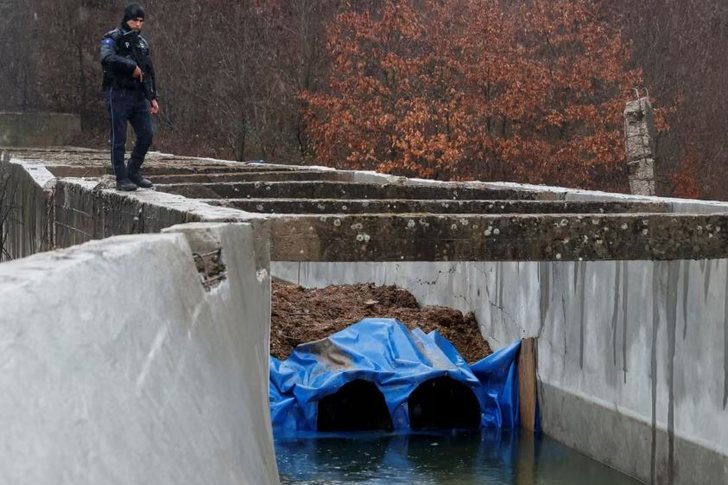
The authorities in Kosovo said that the water supply from ...

CNA has launched another investigation that could lead to ...

Irfan Hysenbelliu is a businessman that we call "Irfan the...

In March 2026, CNA launched another investigation centered...
The arrested mayor of Tirana, Erion Veliaj, with 13 charge...

The Special Board of Appeal (KPA) decided this Monday ...

The KPA vetting decided this Thursday to dismiss the p...

Suela Salavaçi, a prosecutor in the Prosecutor's Offic...

The Special Board of Appeal reinstated the prosecutor ...
A person has died today on Orikum beach. According to repo...

Footage emerges from the serious accident that occurred th...

A Shkodra traffic police officer was hit with hard objects...
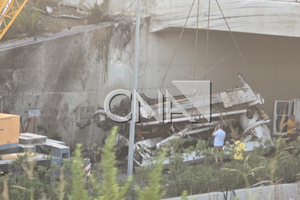
This Wednesday, around 4:00 PM, a serious accident occurre...

Children without parental care, for whom alternative famil...

On Thursday, our country will be under the influence of st...
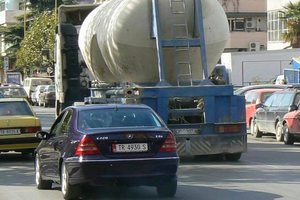
A serious accident that occurred this Wednesday with the c...

The Institute of Geosciences has shared a forecast for wea...

Artificial intelligence (AI) models from the American comp...
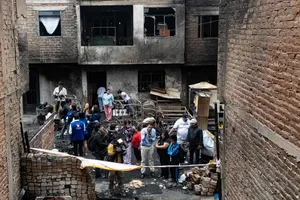
At least 10 people have died after a fire broke out in a h...
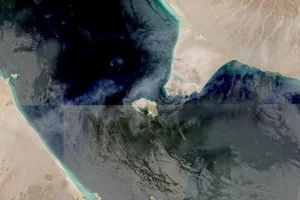
Yemen's Houthis have claimed to have attacked two Saudi oi...
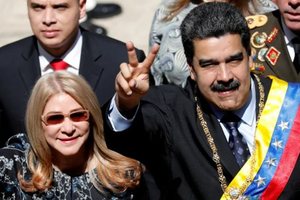
The trial of ousted Venezuelan President Nicolas Maduro on...

At a time when industrial products are increasingly taking...

Trust among people is not just a three-syllable word. It c...

Master of humor Todi Llupi has passed away at the age of 7...

The ninth edition of "MIK Festival" kicked off with one of...
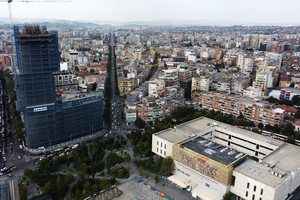
The average sale price of apartments in Tirana reaches rec...

This Thursday, one US dollar is bought for 81.5 lek and so...

The price of diesel reached 206 lek per liter from 198 lek...

Businesses will no longer be required to simply register t...