


Fier/ The perpetrator releases the ex-wife he was holding hostage, the police call for her surrender
New details from the operation being carried out in Fier t...

New details from the operation being carried out in Fier t...

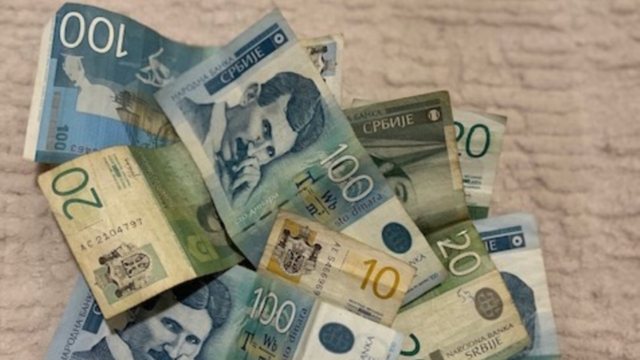
The Central Bank of Kosovo issued a new regulation according to which the only currency allowed for making cash payments in Kosovo is the euro, a decision that raised concerns among Serbian leaders who said the purpose of the regulation is to stop the use of the Serbian dinar in areas inhabited by a majority of Serbs in Kosovo.
Serbian citizens living in Kosovo receive their salaries and pensions from Serbia in Serbian dinars, which are used for payments in Serb-majority areas, especially in the north.
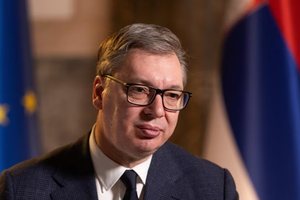
Serbian President Aleksander Vucic said that he conveyed this concern to the European Union envoy Miroslav Lajcak during a meeting during the World Economic Forum in Davos, Switzerland.
"I warned them and asked them to help stop (Albin) Kurti's attempt to destroy the dialogue because Kurti wants to prevent the payment of salaries and pensions to our people in health, education, institutions of Serbia, which meant not a silence, but a loud departure of the Serbs from Kosovo", he said, underlining that this decision is the most serious and biggest threat to the dialogue so far.
Even Lista Serbe, the largest party of Kosovo Serbs, said today through a reaction that "the decision of Albin Kurti's regime from February to remove the use of the Serbian dinar in Kosovo is in fact a decision to expel Serbs from these areas without used weapons".
This subject wrote on social networks that tens of thousands of Serbs live and survive in Kosovo and that all Serbian institutions function thanks to financial contributions from Serbia. Lista Serbe said that if the dinar is removed, the survival of the Serbian people will be directly endangered, calling for the intervention of the international community.
However, the Deputy Prime Minister of Kosovo Besnik Bislimi wrote on social networks that with the new regulation of the Central Bank, the transparency of sending money will be increased and the large space for misuse in the name of social aid support will be reduced, this practice has been perfected. from political realtors in Belgrade.
Mr. Bislimi said that "the insistence that the transfer of money across the state border be done and tolerated clandestinely, with individual bags, and then distributed through unregistered and unlicensed offices, not only resembles the idea of 19th century, but also aims to keep the benefiting citizens in illegality and constant dependence on the same realtors", he wrote, underlining that the regulation of the Central Bank is not a product of political negotiations in Brussels and has no way of having an impact on completion of the process of normalization of relations between Kosovo and Serbia.
The European envoy for Kosovo-Serbia talks, Miroslav Lajçak, told Serbian media that he raised this issue in discussions with Kosovo's chief negotiator, Besnik Bislimi, and informed Brussels to analyze the situation, but without giving more details.
Kosovo and Serbia have been involved in dialogue since 2011 for the normalization of relations between them, while at the beginning of this year the agreement on car license plates began to be implemented, the non-implementation of which had led to tensions and the departure of Serbs from Kosovo's institutions in the north.
Currently North Mitrovica, Zubin Potoku, Leposaviqi and Zveçani are led by Albanian mayors who emerged from the elections of April 23 last year, which were boycotted by Serbian political parties.
The sending of the mayors to their offices at the end of May last year was strongly opposed by groups of Serbian citizens who clashed with Kosovo police and NATO peacekeeping forces.
Serbian citizens in the municipality of North Mitrovica and that of Leposavi? continued today the second day of collecting signatures of the petition for the dismissal of the Albanian mayors.
To be considered successful, the petition must be signed by 20 percent of eligible voters in each municipality.
The head of the European Union office in Kosovo, Tomas Szunyog, welcomed the decision of the Serbs to use, as he said, the democratic right to remove the presidents in the north. He wrote on social networks that "the quick holding of early local elections in the north of Kosovo with the unconditional participation of Kosovo Serbs is decisive".
The government of Kosovo, which faced punitive measures from the European Union due to the tensions in the north of Kosovo, agreed to organize new elections as part of efforts to de-escalate the situation./ VOA

President Joe Biden and former President Donald Trump are ...
The European Union has asked Serbia to allow the visit...
During the last few hours, Pakistan has carried out missil...
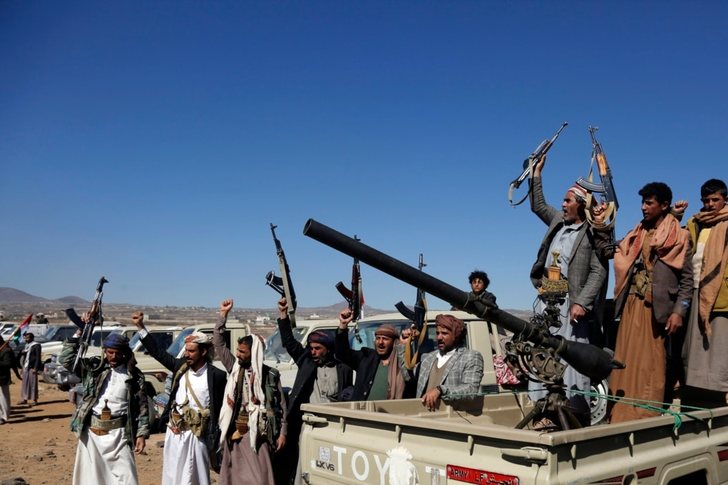
President Joe Biden's administration put the Yemen-based H...
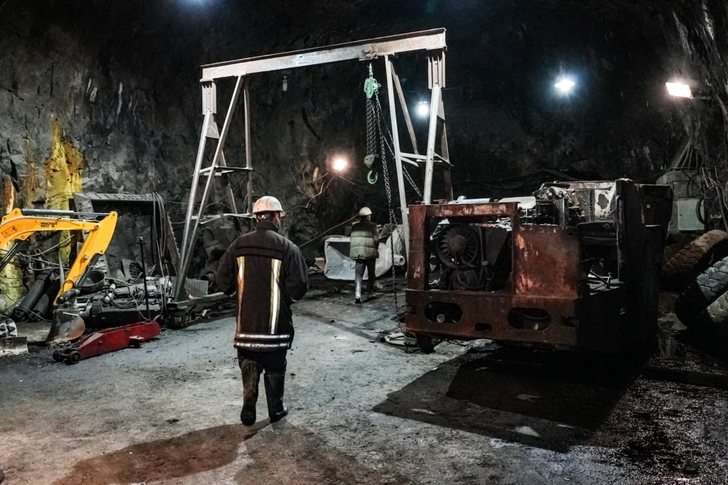
Twelve miners of the Trepça metallurgical plant were injur...
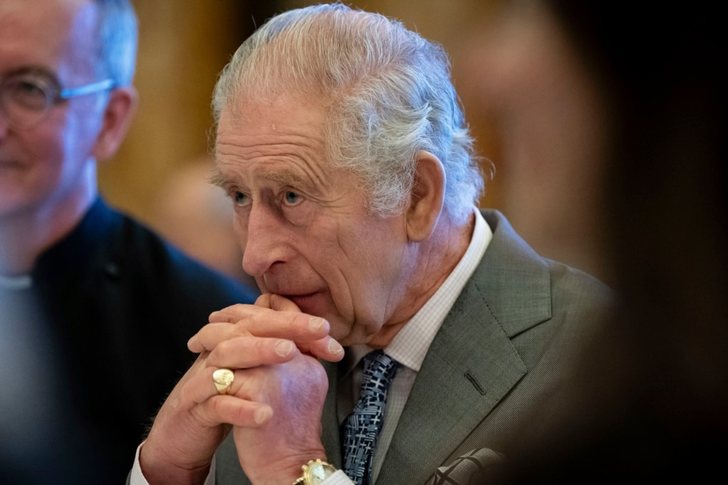
King Charles III is expected to be hospitalized next week ...
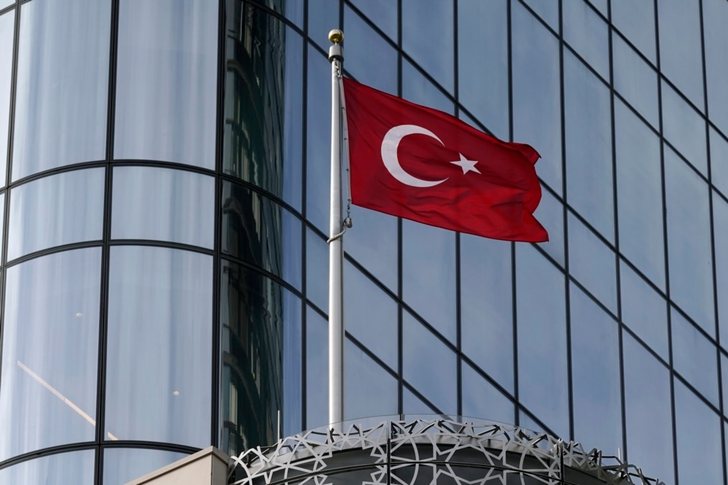
Washington is stepping up efforts to tighten sanctions on ...
Since Russia launched its full-scale attack on Ukraine, ex...
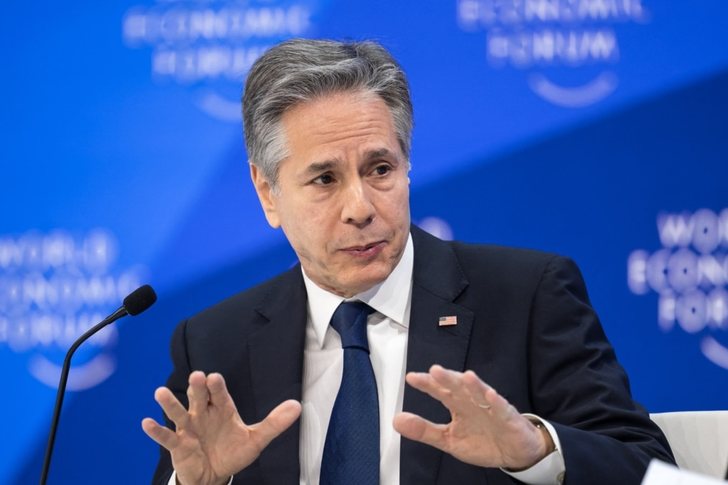
US Secretary of State Antony Blinken reiterated on Wednesd...
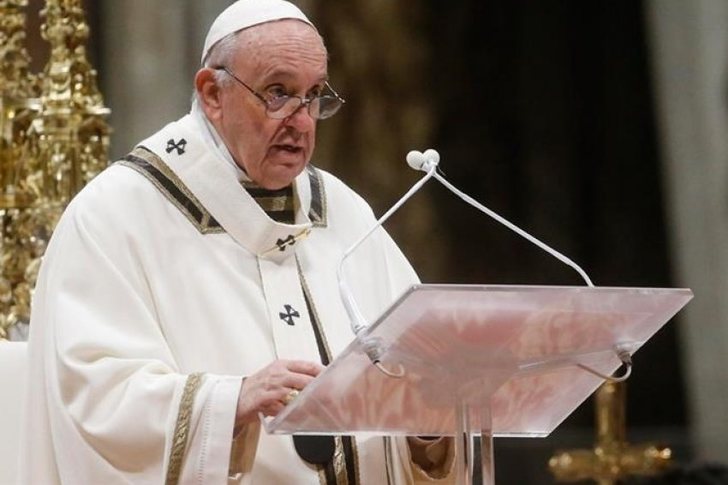
“Kënaqësia seksuale, e cila është një dhuratë nga Zoti, mi...
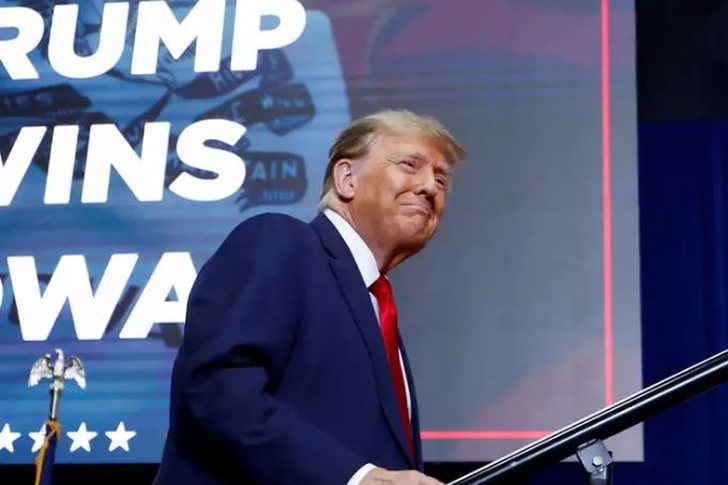
In the first election for the presidential candidate o...

In North Mitrovica and Leposaviq, from today citizens ...
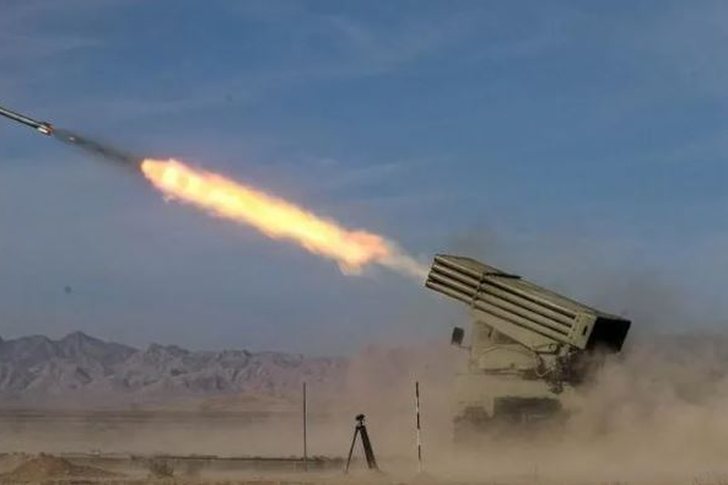
Pakistan says two children were killed and three other...
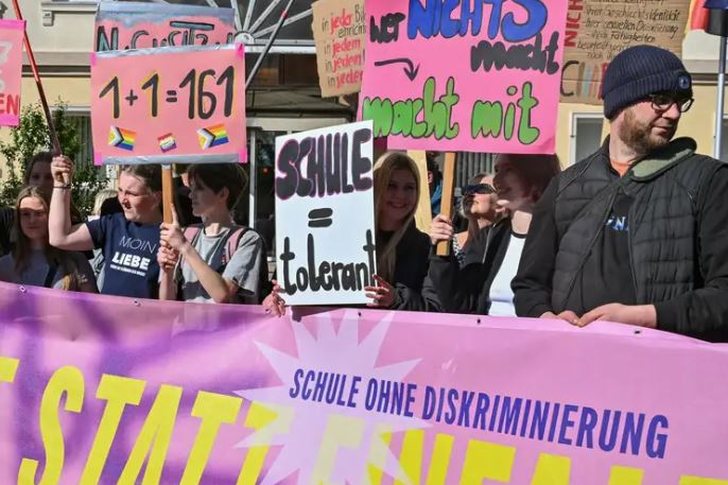
Meryam Schouler-Ocak experienced it herself - recently...
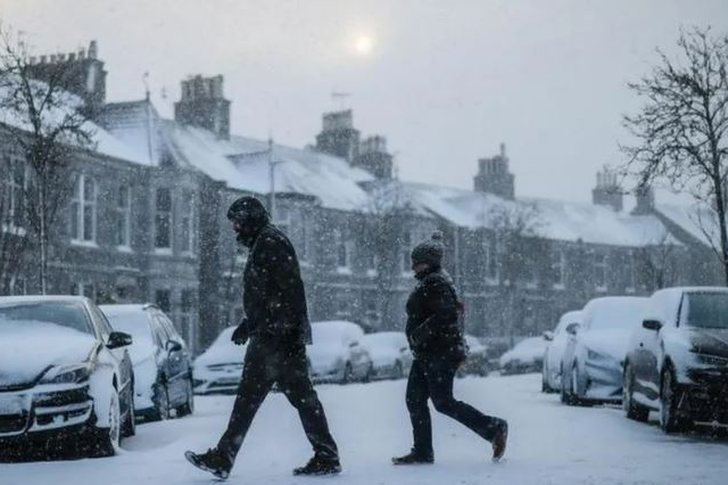
Temperatures fell to -13 degrees overnight, making it ...
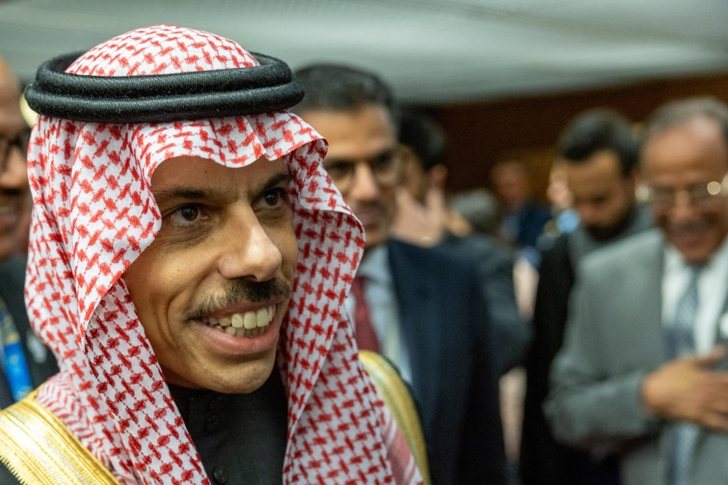
Saudi Arabia's foreign minister said on Tuesday that the k...
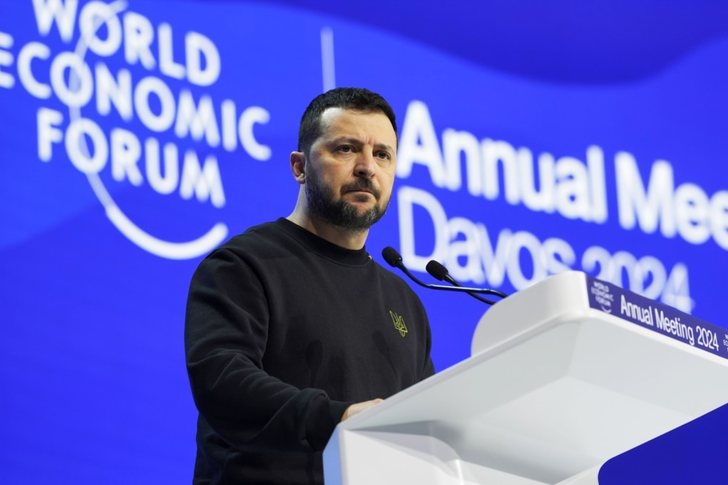
Ukrainian President Volodymyr Zelensky has called on the W...
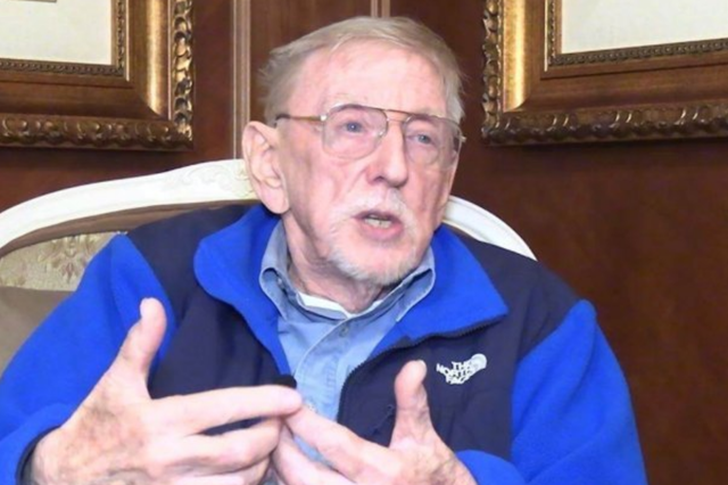
The former ambassador of the OSCE, William Walker, wen...
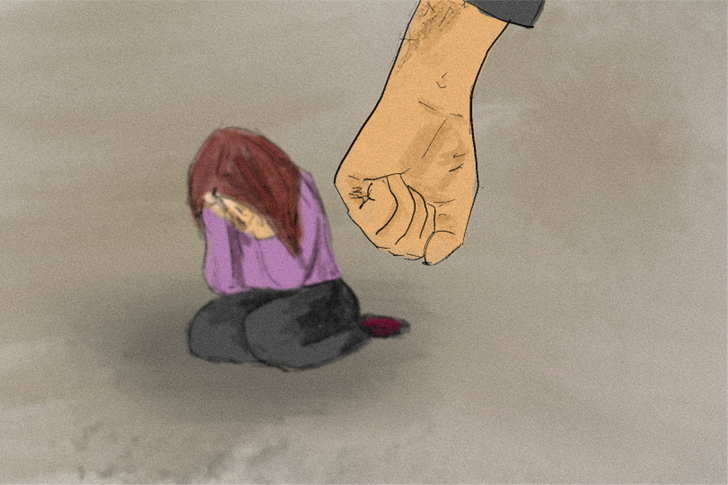
Women victims of domestic violence, in their countries of ...
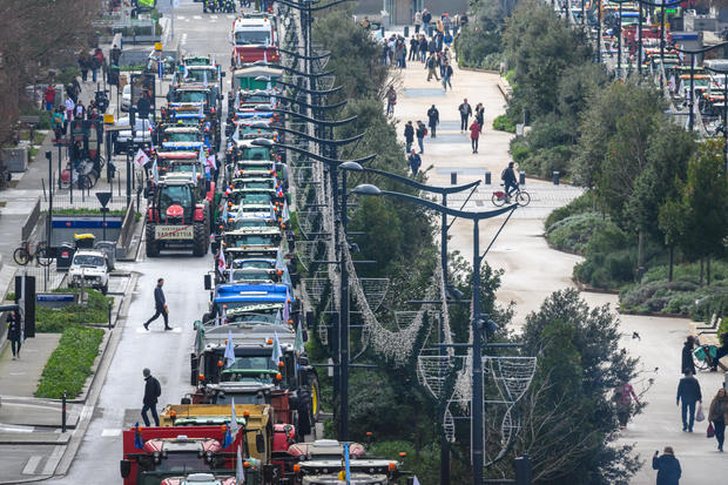
French farmers rose up this Tuesday in protest in the sout...

CNA has launched another investigation that could lead to ...

Irfan Hysenbelliu is a businessman that we call "Irfan the...

In March 2026, CNA launched another investigation centered...
The arrested mayor of Tirana, Erion Veliaj, with 13 charge...

The Special Board of Appeal (KPA) decided this Monday ...

The KPA vetting decided this Thursday to dismiss the p...

Suela Salavaçi, a prosecutor in the Prosecutor's Offic...

The Special Board of Appeal reinstated the prosecutor ...
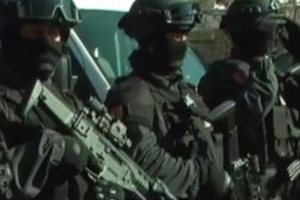
New details from the operation being carried out in Fier t...
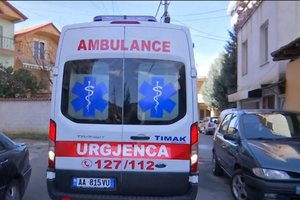
The 17-year-old, who was seriously injured yesterday after...
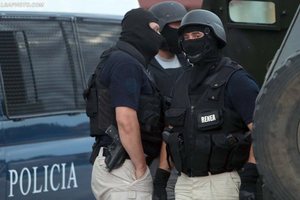
RENEA is headed towards Roskovec after the murder that occ...
A serious incident occurred in Fier where citizen RB, 35 y...

By noon, cloudiness is expected to prevail in almost all o...

Children without parental care, for whom alternative famil...

On Thursday, our country will be under the influence of st...
A serious accident that occurred this Wednesday with the c...
The European Union Office in Kosovo has called on all poli...
Serbian President Aleksandar Vučić, at a press conference ...
For the first time since the launch of the euro, European ...

Artificial intelligence (AI) models from the American comp...

At a time when industrial products are increasingly taking...

Trust among people is not just a three-syllable word. It c...

Master of humor Todi Llupi has passed away at the age of 7...

The ninth edition of "MIK Festival" kicked off with one of...
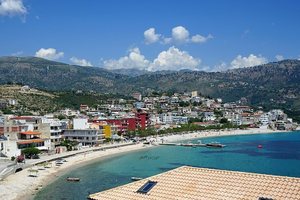
The number of active enterprises in Albania continued to g...
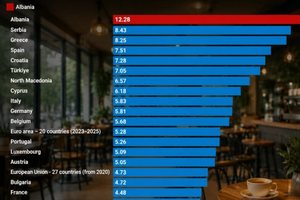
In Albania, the bar-cafe has long become an almost unique ...

This Friday, one US dollar is bought for 81.7 lek and sold...
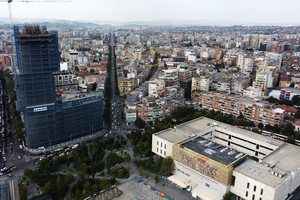
The average sale price of apartments in Tirana reaches rec...