

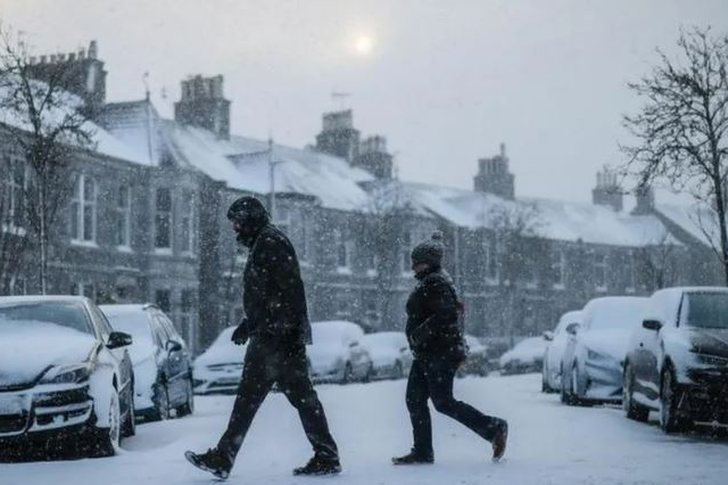
Freezing winter sweeps Great Britain/ Schools close, flights cancelled
Temperatures fell to -13 degrees overnight, making it ...



Meryam Schouler-Ocak experienced it herself - recently on a train in Germany I was sitting across from two elderly ladies, who were looking at me from head to toe the entire time. She initially thought that there is something unusual in her body, or in her clothes. But there was no such thing. She just has completely black hair and is of Turkish origin.
Schouler-Ocak calls these forms of racist discrimination "microaggressions". "Many people with a migration background, with dark skin or hair, experience this kind of discrimination almost every day," says the professor of cross-cultural psychiatry and specialist in psychiatry, psychotherapy and neurology at the Charité, University Clinic at the Hospitals of St. Hedwig in Berlin.
Contemptuous glances, insulting words and insults - racist discriminations of this kind accumulate and can cause illness. "It can also develop into post-traumatic stress disorder and other mental illnesses," says Schouler-Ocak.
Depression and fear of racism
Like any other form of discrimination—be it sexism or anti-Semitism—racism is intended to offend a person. In the case of racism, people are belittled or isolated based on their origin, skin color or other general characteristics.
Those affected experience this not only in the form of belittlement but also with aggressive behavior. So-called structural and institutional racism discriminates against people, for example, when looking for an apartment or in the job market. Those who have dark skin, wear headscarves or have a foreign name have worse odds, says Schouler-Ocak.
Repeated insults do not remain without consequences for those affected. "Racist discrimination has a significant effect on health," says expert Meryam Schouler-Ocak. People who experience this type of discrimination are twice as likely to suffer from mental illness than people who do not have such experiences.
Anxiety, depression, post-traumatic disorders, addiction or psychosis - the risk of such diseases increases. The reason is the fact that racist discrimination affects brain activity, says Schouler-Ocak. "There are disorders in certain areas of the brain, as well as in mental illness."
High risk of diseases
The risk is particularly high for those people who, for example, after fleeing their hometown, end up in some collective housing, she says. In addition to the trauma of running away and being separated from family and friends, there are other stressful factors: lack of work, lack of private sphere and various experiences of discrimination. "Such events that follow an escape have a cumulative effect," says Schouler-Ocak. The more such experiences, the worse.
The psychiatrist believes that the frequency and extent of mental illness is generally underestimated. In the case of fugitives, the problem is even greater, she says. At the same time, mental illness rarely comes alone. The stress people experience as a result of racial discrimination can also cause many physical problems: high blood pressure and obesity are common symptoms, says Schouler-Ocak. Diabetes and diseases of the heart and circulatory system may follow. "Pregnant women have a higher risk of giving birth prematurely, underweight," she says about the consequences of racist discrimination.
Increased mortality due to discrimination
All this leads to increased mortality of affected persons, as shown by a current study in the professional journal Lancet Psychiatry. Scientists have investigated how racism affects the psychological health of dark-skinned people in the US.
Although the amount of data collected is relatively small, there are indications that racist discrimination does not only negatively affect the health of those directly affected, but also the health of children and their descendants. Epigenetics deals with this field of influence of environmental factors on gene activity.
"Racism and racist structures have developed throughout history and are therefore tightly integrated into society," says Schouler-Ocak. Human rights organization Amnesty International says, "Like it or not, most white people act racist every day." That's why he thinks it's important to be aware of the different forms of racism so that behavior and language can be adjusted accordingly./ DW

Temperatures fell to -13 degrees overnight, making it ...

Saudi Arabia's foreign minister said on Tuesday that the k...
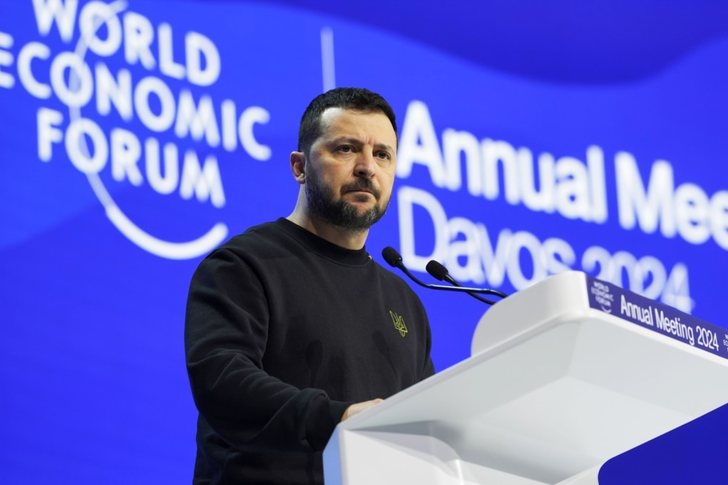
Ukrainian President Volodymyr Zelensky has called on the W...
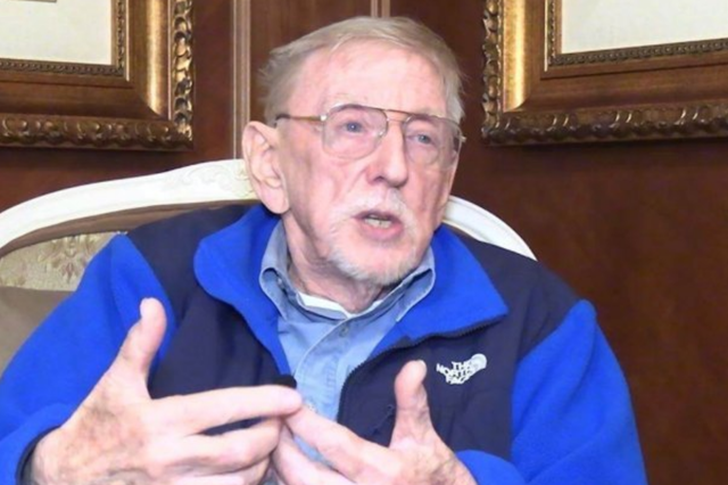
The former ambassador of the OSCE, William Walker, wen...
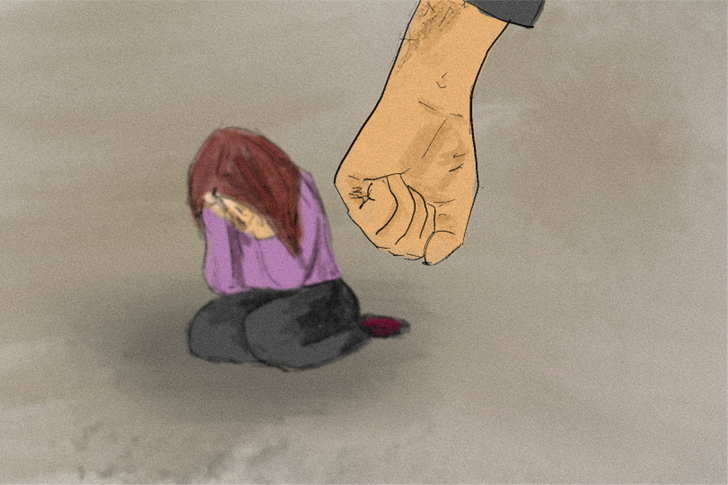
Women victims of domestic violence, in their countries of ...
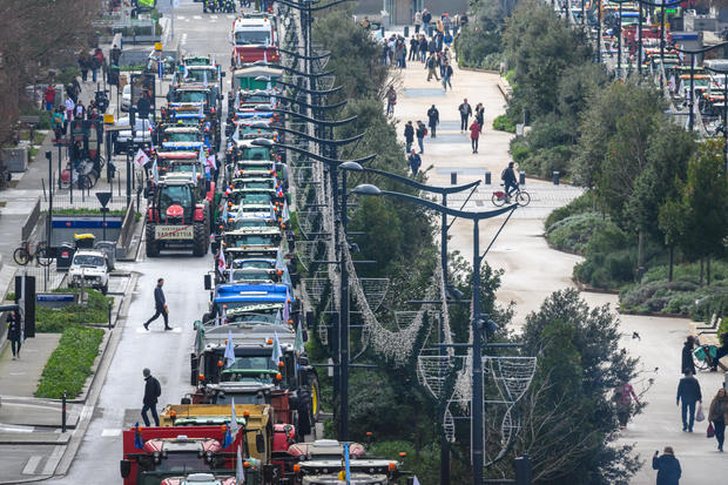
French farmers rose up this Tuesday in protest in the sout...
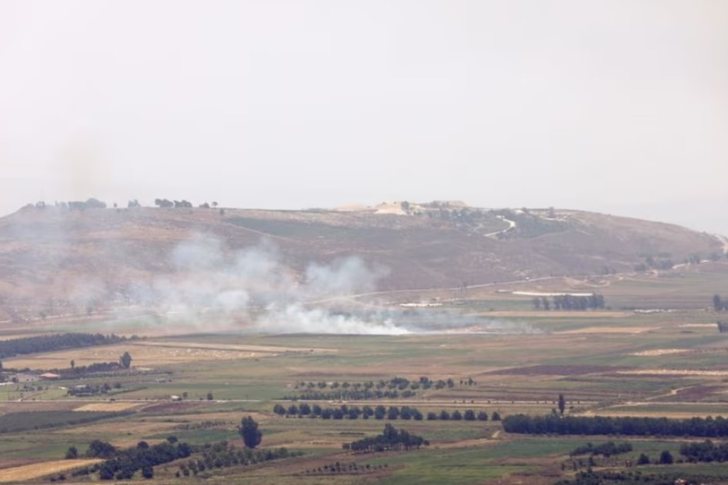
Israel launched an intense wave of airstrikes in southern ...

Israeli officials, although they continue to reject a ceas...
France continues to be the world's top destination for...
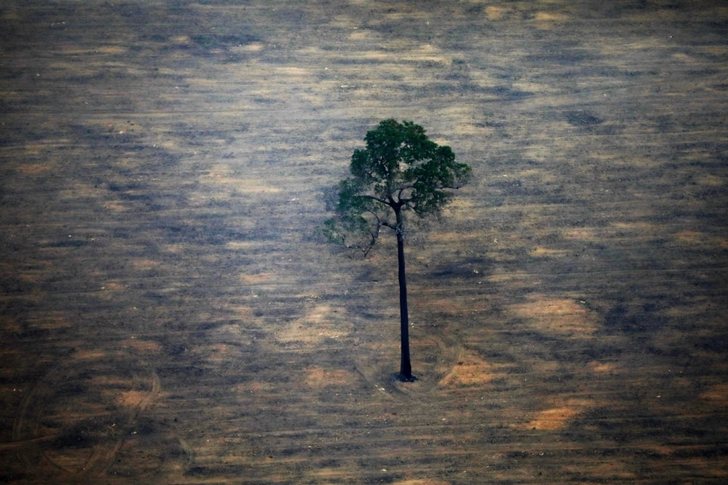
More than 300 companies and financial institutions pla...
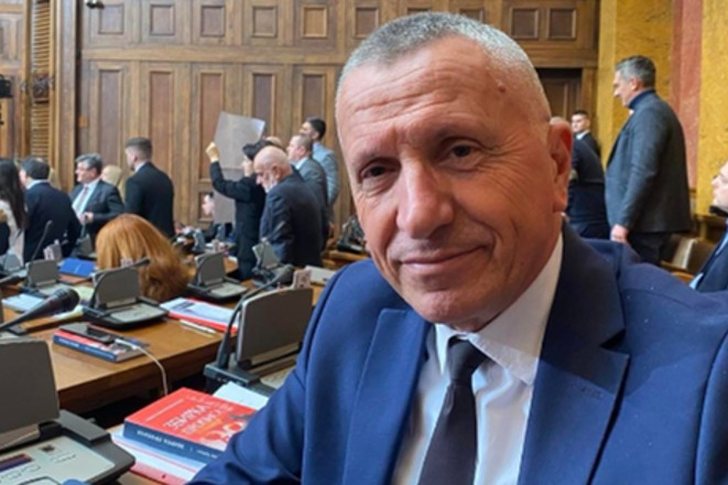
The Albanian deputy in the Parliament of Serbia, Shaip...

A woman in Mexico ended up spending her wedding day in a c...
As Germany should become more attractive for skilled w...
Two people were injured by the explosion of a hand gre...

A US-owned ship was hit by a missile fired by Yemen's Hout...
Serbian opposition politician Nikola Sandullovic was relea...

The European Parliament (EP) will debate the reported irre...

Republican voters in the state of Iowa gather this evening...

From today until January 19, the World Economic Forum ...

Voters in Taiwan elected their new president over the week...

CNA has launched another investigation that could lead to ...

Irfan Hysenbelliu is a businessman that we call "Irfan the...

In March 2026, CNA launched another investigation centered...
The arrested mayor of Tirana, Erion Veliaj, with 13 charge...

The Special Board of Appeal (KPA) decided this Monday ...

The KPA vetting decided this Thursday to dismiss the p...

Suela Salavaçi, a prosecutor in the Prosecutor's Offic...

The Special Board of Appeal reinstated the prosecutor ...

New details from the operation being carried out in Fier t...
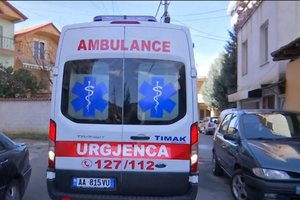
The 17-year-old, who was seriously injured yesterday after...

RENEA is headed towards Roskovec after the murder that occ...

A serious incident occurred in Fier where citizen RB, 35 y...

By noon, cloudiness is expected to prevail in almost all o...

Children without parental care, for whom alternative famil...
On Thursday, our country will be under the influence of st...
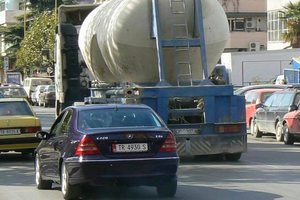
A serious accident that occurred this Wednesday with the c...

The European Union Office in Kosovo has called on all poli...

Serbian President Aleksandar Vučić, at a press conference ...

For the first time since the launch of the euro, European ...

Artificial intelligence (AI) models from the American comp...

At a time when industrial products are increasingly taking...

Trust among people is not just a three-syllable word. It c...
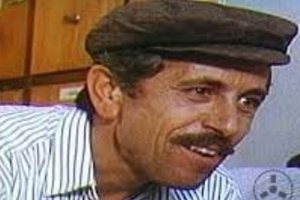
Master of humor Todi Llupi has passed away at the age of 7...

The ninth edition of "MIK Festival" kicked off with one of...
The number of active enterprises in Albania continued to g...

In Albania, the bar-cafe has long become an almost unique ...

This Friday, one US dollar is bought for 81.7 lek and sold...
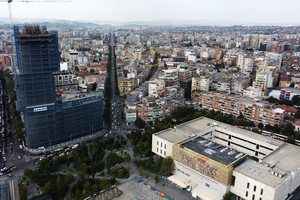
The average sale price of apartments in Tirana reaches rec...