


Second victim of bad weather/ Fisherman drowns in Ksamil
Citizen MH, 61, a fisherman, was found dead near the islan...

Citizen MH, 61, a fisherman, was found dead near the islan...

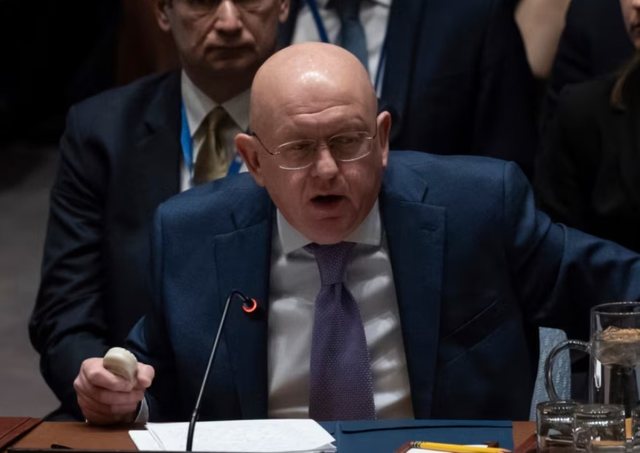
Russia has been pushing for a United Nations Security Council session to discuss the NATO bombing campaign against Serbian forces in 1999 that ended the war in Kosovo.
After Monday's failure to hold such a session, which was made impossible because 12 member countries did not vote for Moscow's request, Russia again requested a debate on the topic of "maintaining international peace and stability".
"If you thought that Russian diplomacy at the UN would simply surrender, then you were wrong. This is not our style. We once again demanded a session of the UN Security Council on NATO's aggression against Yugoslavia. After opposing the strength of our opponents, we managed to get the chairperson from Japan to set the session for Thursday at 3:00 PM in New York," Russian deputy ambassador to the UN, Dmitry Polyansky, wrote on the X network.
However, the possibilities for the session to be held seem few. The opening of the debate requires a procedural vote and to be approved the order needs the support of 9 of the 15 member countries of the Security Council.
The Serbian Foreign Minister, Ivica Dacic, told the Serbian media in Belgrade that "France has warned that it will ask for a procedural vote", therefore "the session will most likely not be held".
He emphasized that Russia has not approved the work plan of the Security Council for the month of April, so Serbia is now entering the middle of the clashes of the great powers, "which was not our intention".
On Monday, the US representative to the UN, Robert Wood, accused Russia of trying to use the anniversary of NATO's intervention to spread its propaganda and fuel regional tensions in the Western Balkans.
He reiterated the American position that the intervention was a "necessary and legal action to end the ethnic cleansing in Kosovo".
Nine years after NATO's intervention, Kosovo declared its independence with the support of the United States and major Western countries, while Serbia, supported by Russia, opposes its citizenship. Although it has declared membership of the European Union as its aspiration, Serbia maintains close ties with Moscow and has not joined Western sanctions against it over its aggression in Ukraine, primarily because of the Kremlin's support for the claims. of Belgrade over Kosovo.
Last year, Serbia agreed to an agreement brokered by the European Union for the normalization of relations with Kosovo, which envisages Pristina giving more autonomy to the Kosovo Serbs, while Belgrade recognizes its "de facto" independence.
But Belgrade said it will not implement anything leading to the recognition of Kosovo and on Wednesday voted against the recommendation for Kosovo's membership in the Council of Europe.
A day before the vote, Serbian President Aleksandar Vucic wrote on social networks that difficult days await Serbia.
"At this moment it is not easy to say what news we have received in the last 48 hours... They directly threaten our vital national interests, both of Serbia and Republika Srpska (in Bosnia). In the following days, I will inform the people of Serbia about all the challenges that await us", he wrote on March 26, but without giving any other details.
On Thursday, he warned that over the next 48 hours he would speak in more detail about his assertions, reiterating that "the situation is very complicated" and requires substantial explanations.
It is not the first time that the Serbian president talks about "difficult days" and independent observers in Serbia say that this is repeated every time he expects pressure to resolve the open issues with Kosovo.
Next week, Kosovo and Serbia are expected to discuss for the third time in a row a decision of the Central Bank of Kosovo that prohibits the use of the Serbian dinar for ready payments in the country. The decision, which put Kosovo under pressure from Western diplomats seeking a delay in implementation, prompted an angry reaction from Belgrade.
President Vucic's vague warning also came after the High Representative for Bosnia, Christian Schmidt, announced changes to the electoral process in Bosnia and Herzegovina. The announcement, which was supported by the United States, was opposed by Milorad Dodik, the leader of the Republika Srpska, who demanded on Thursday that within 7 days the decisions of Mr. Shmidt be annulled, "otherwise the representatives of the Republika Srpska will abandon the decision-making institutions of Bosnia and Herzegovina" and will not return.
Milorad Dodiku, a pro-Russian politician who has previously called for his entity to break away and join Serbia, is under sanctions from the United States and the United Kingdom.
On Wednesday he met with Serbian President Vu?i? to discuss plans for an all-Serbian Assembly scheduled for Orthodox Easter. President Vucic said that "a series of important and useful decisions for our people are being prepared".

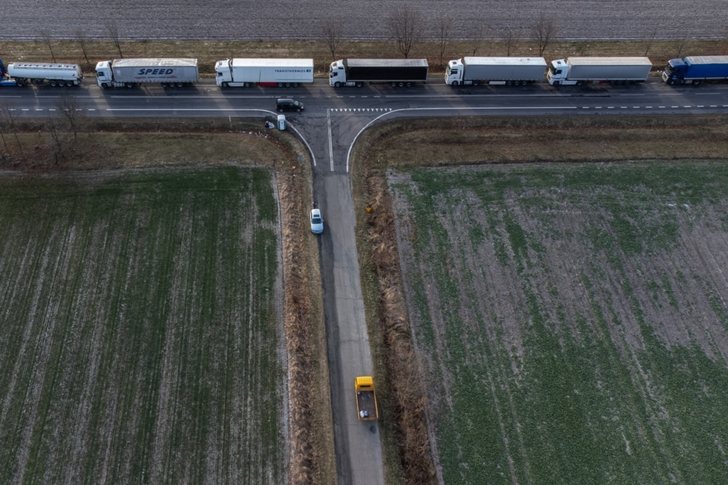
Poland has temporarily opened a border crossing with Ukrai...
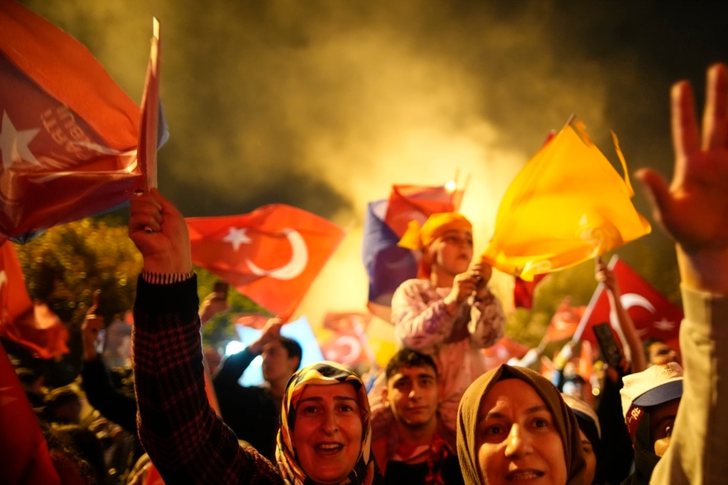
Të dielën në Turqi zhvillohen zgjedhjet lokale që shihen s...

The Minister of Foreign Affairs of Serbia, Ivica Dacic...
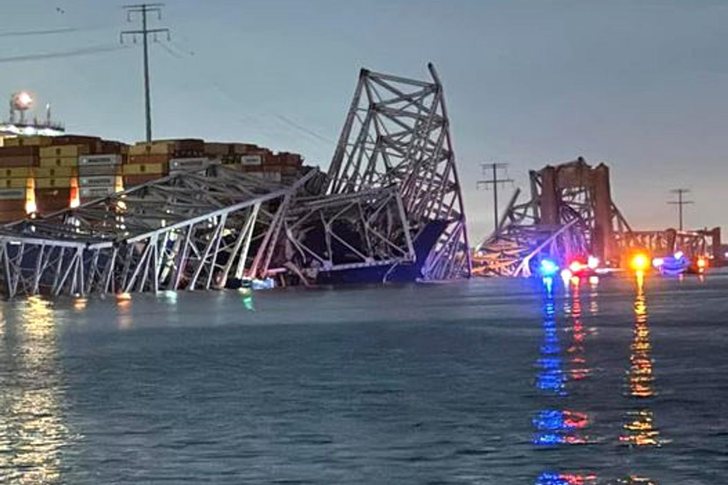
Federal investigators have revealed new details about what...

The war in Ukraine is in its 764th day. Ten thousand f...
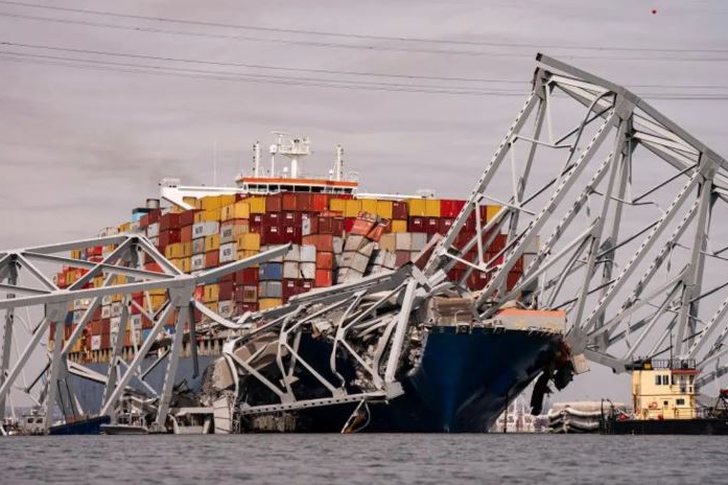
The bodies of two people have been pulled from a red t...
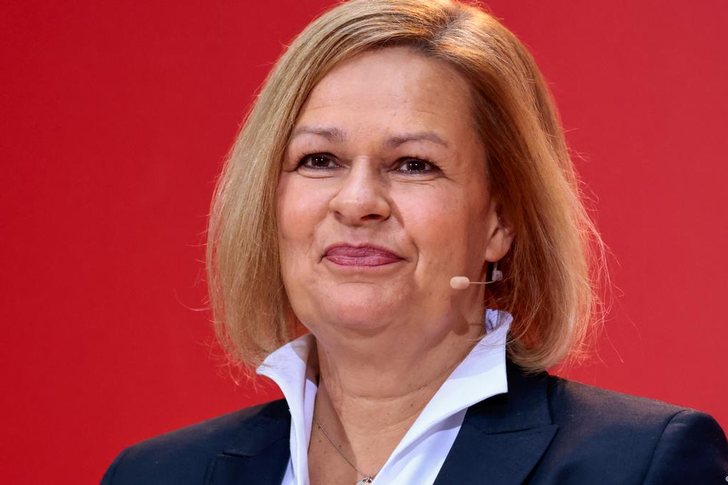
Kërcënimi i Rusisë duke përdorur sulme kibernetike, pr...

Four people, including a teenage girl, were killed and at ...
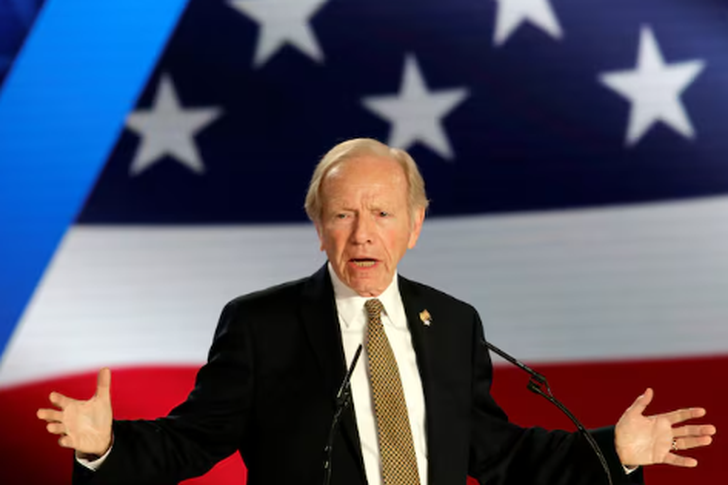
Former US senator and Democratic Party vice presidential c...
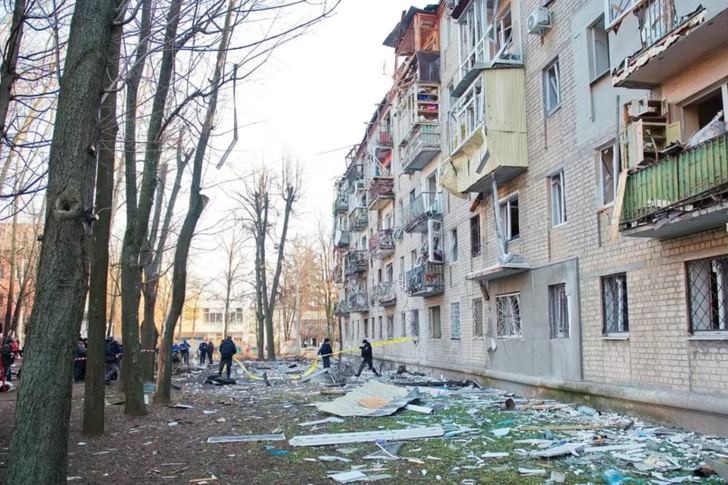
Russia may have used a new type of bomb during airstrikes ...
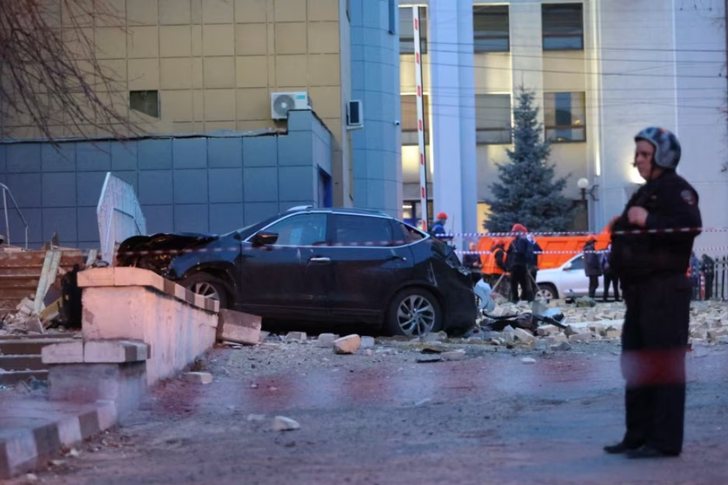
Russia announced on Wednesday that it had halted Ukrainian...
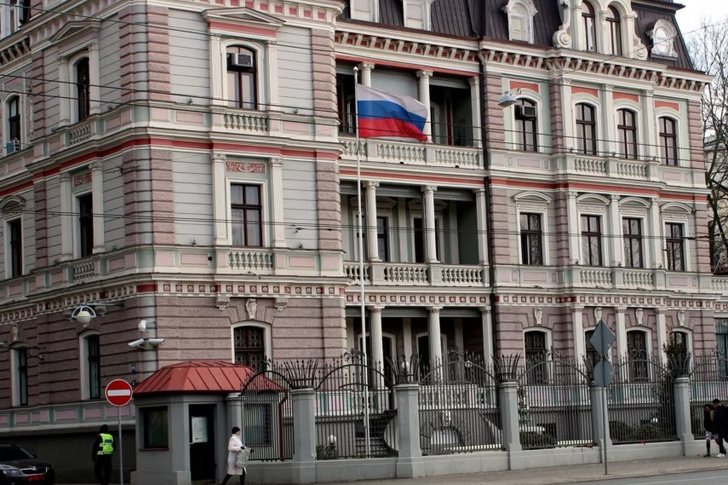
Latvia has declared "non grata" (person undesirable) an em...
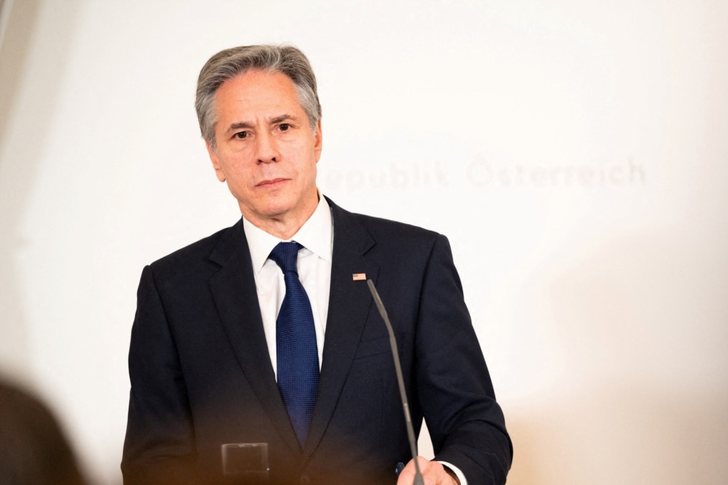
The US Secretary of State, Antony Blinken, will discuss su...
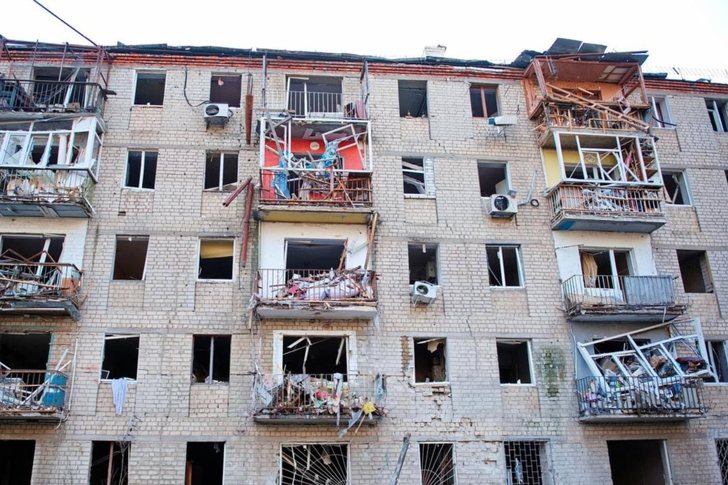
Russian forces have shelled the eastern Ukrainian city of ...

US President Joe Biden has placed women's reproductive hea...
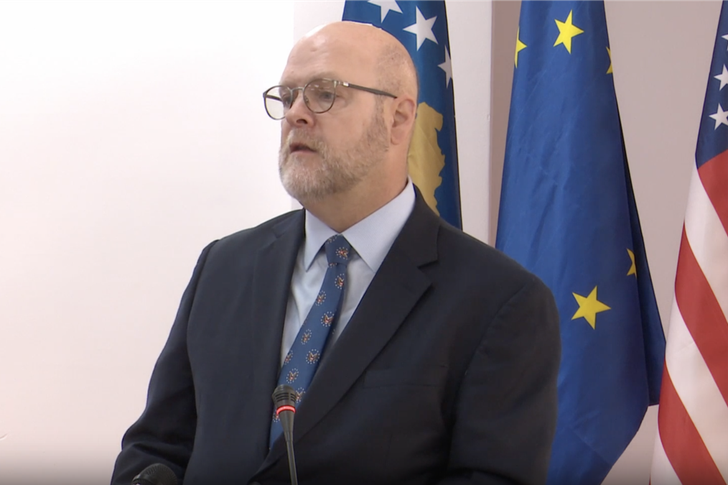
The American ambassador in Pristina, Jeff Hovenier, said o...
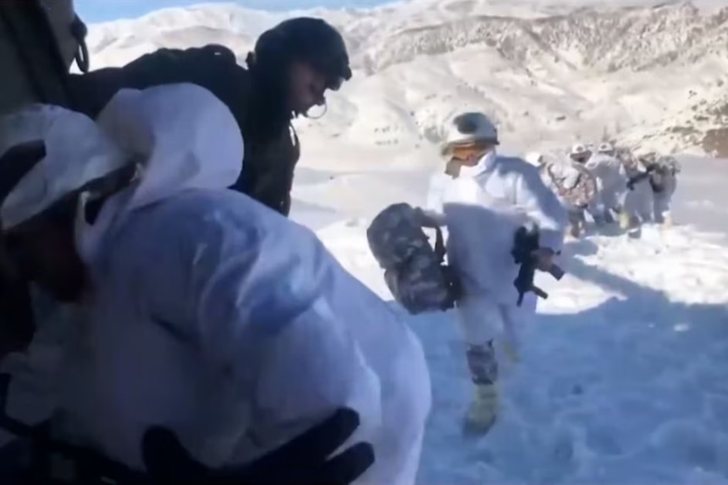
Turkey is preparing to launch a large-scale operation ...

Senior administration officials of President Joe Biden are...
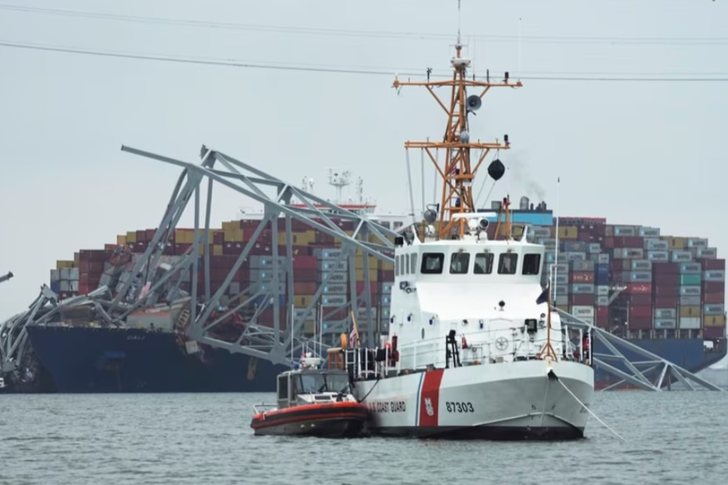
Safety inspectors are analyzing the black box of the freig...
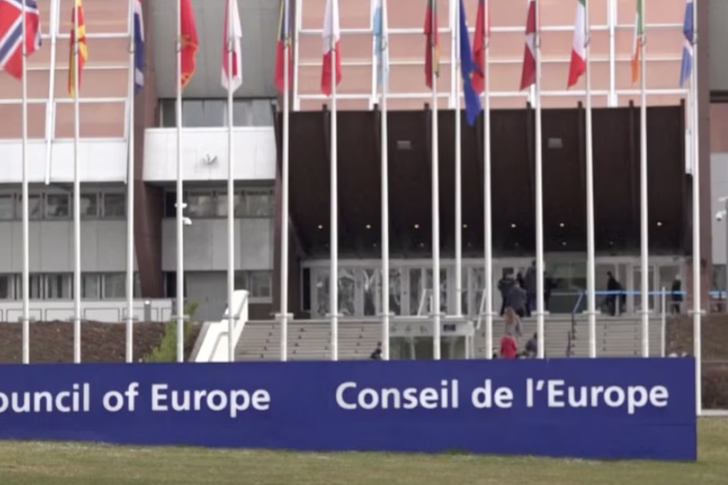
Kosovo has successfully passed the first step for the memb...

CNA has launched another investigation that could lead to ...

Irfan Hysenbelliu is a businessman that we call "Irfan the...

In March 2026, CNA launched another investigation centered...
The arrested mayor of Tirana, Erion Veliaj, with 13 charge...

The Special Board of Appeal (KPA) decided this Monday ...

The KPA vetting decided this Thursday to dismiss the p...

Suela Salavaçi, a prosecutor in the Prosecutor's Offic...

The Special Board of Appeal reinstated the prosecutor ...
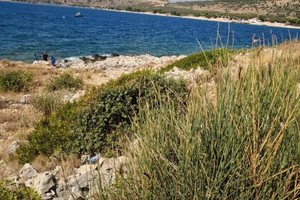
Citizen MH, 61, a fisherman, was found dead near the islan...
Another phase of the international operation, codenamed "T...

Police have arrested a 34-year-old woman at Rinas Airport ...

A serious accident has occurred on the Lezhë-Shëngjin axis...

This Wednesday, our country will be under the influence of...
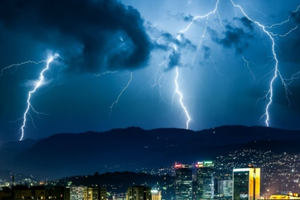
All of Southern Europe will face changing weather conditio...

Albania was hit by temperatures significantly higher than ...

For the first time, Pogradec welcomed the Inter-Lake Chess...
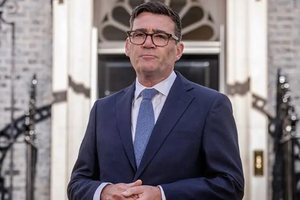
Prime Minister Andy Burnham has announced that most bus fa...

France's parliament has passed a law to ban social media f...

US Secretary of State Marco Rubio arrived in Manila on Jul...
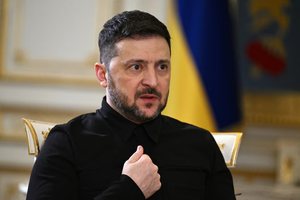
In the space of a few days, Ukrainian President Volodymyr ...

At a time when industrial products are increasingly taking...

Trust among people is not just a three-syllable word. It c...

Master of humor Todi Llupi has passed away at the age of 7...

The ninth edition of "MIK Festival" kicked off with one of...

Businesses will no longer be required to simply register t...

Despite economic growth and income in recent years, Albani...

This Wednesday, one US dollar is bought for 81.4 lek and s...

Construction company licenses will have a validity period ...