

Germany: Hundreds of thousands of people against right-wing extremism
Rallies against right-wing extremism and cooperation with ...


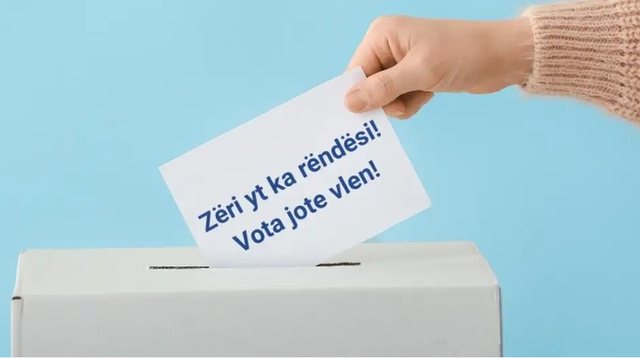
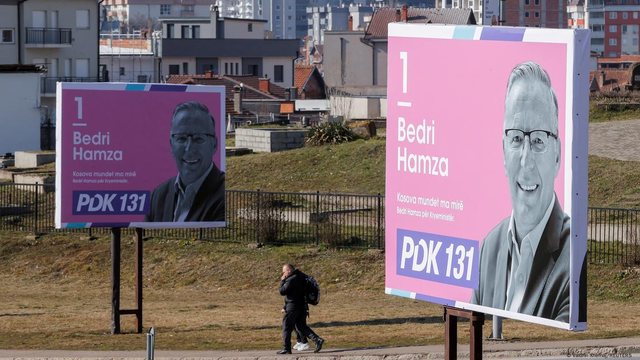
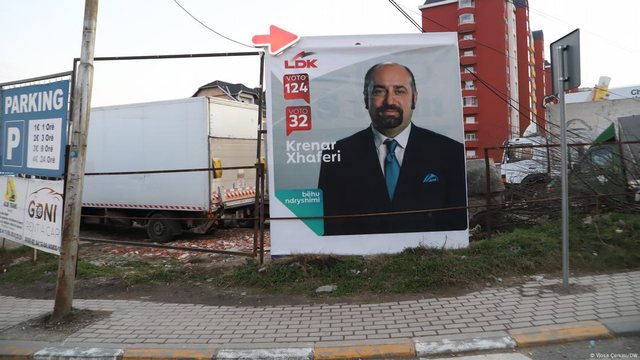
Pristina, the capital of Kosovo, is awash with election posters. From lampposts, billboards and walls, politicians’ faces smile at passersby, while catchy party slogans aim to garner support on election day. Kosovo heads to the polls on Sunday (09.02.). These will be the first regular parliamentary elections since declaring independence from Serbia in February 2008.
From 2008 to 2021, only snap elections have been held. Candidates compete for 120 seats in parliament. Twenty of these seats are reserved for members of national minorities, half of which belong to Kosovo Serbs. Until the 2021 elections, the country was governed by coalitions consisting of the Democratic Party of Kosovo (PDK) and the Democratic League of Kosovo (LDK), which were led by figures from the independence movement of the 1990s.
But the 2021 parliamentary elections were won by the social-democratic Vetëvendosje movement, led by Albin Kurti, a former student leader and political prisoner under Serbian dictator Slobodan Milosevic. Kurti is running for a second term on Sunday.
Over the past four years, Kurti has radically changed the direction of Kosovo's foreign policy. While previous Kosovo governments had acted in close coordination with international allies, particularly the United States, the current government has acted largely independently since 2021.
Prime Minister Albin Kurti's main priority appears to be the implementation of Kosovo's full sovereignty in relation to Serbia and to free the country from the influence of international protective powers, whose policies the Vetëvendosje Movement considers "colonialist".
Since 2011, the European Union has been trying to achieve normalization of relations between Serbia and Kosovo. Before Kurti took office in 2021, dialogue between the governments was almost frozen. Since then, it has been practically non-existent. This is because Serbia has no intention of recognizing Kosovo's sovereignty, while Kosovo refuses to make permanent concessions that would give Serbia the opportunity to interfere in its internal politics.
One of the main obstacles in this regard is the creation of the Association of Serb-Majority Municipalities in Kosovo, a local governance structure that demands a certain degree of collective autonomy. In return, Serbia is expected to abandon its blocking policy and allow Kosovo membership in global organizations such as the United Nations.
Although no progress has been made on this issue in recent years, Kurti quickly began implementing the sovereignty policy after coming to power. This included establishing the euro as the sole official currency in the country, including in Serb-majority areas that had previously used the Serbian dinar for transactions.
Serbia responded by increasing its military presence on the border. Serbian paramilitary forces in northern Kosovo have committed several acts of violence, prompting the intervention of NATO-led peacekeeping troops, KFOR. The conflict with Serbia continues to escalate. President Aleksandar Vu?i? is adopting an increasingly aggressive tone towards Pristina. Meanwhile, the Kosovo government is facing great pressure from the EU and the US, which do not want it to refuse to reach "agreements" with Serbia.
Ahead of the elections, regional and geopolitical issues dominate national and international media headlines about Kosovo. However, for young voters, these developments are not the only important issue in the election. The socio-economic situation within the country is equally important.
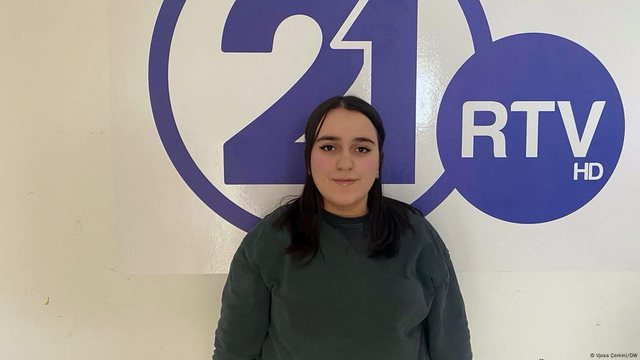
Kosovo has the youngest population in Europe. Unemployment among young people under 24 is around 33%. Corruption remains a major problem, even four years after Kurti and Vetëvendosje won elections with a clear anti-corruption platform. Besarta Jashari, a 21-year-old journalist working for the private radio and television station RTV 21, told DW that she wants to see social change more than anything else.
"Here, the lack of jobs and low wages force people to emigrate," Jashari said. "The healthcare system also needs to be improved, because many people are forced to travel abroad for treatment. And, finally, I would like to see more opportunities for girls and young women."
"Politics is always dominated by the same old characters," she added. "There is almost no room for new voices with fresh perspectives and progressive ideas. Even in these parliamentary elections, no party has trusted a woman to be the candidate for the post of prime minister."
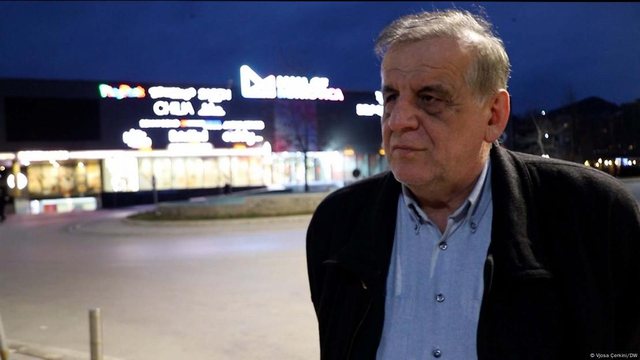
Political scientist Nexhmedin Spahiu emphasizes that "young people in Kosovo do not have the patience to wait for the country's development: they want secure jobs and a society where merit matters, not party membership or proximity to power."
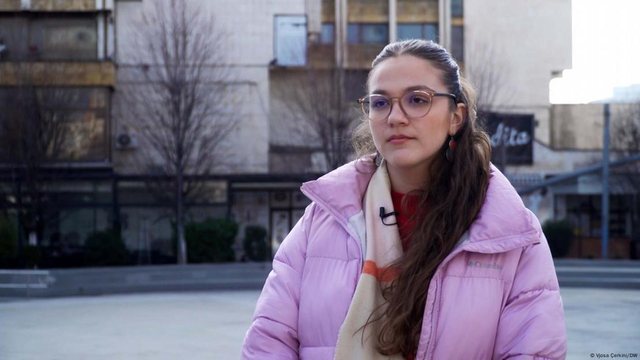
If the next government does not listen to the concerns of young people, the exodus from the country is likely to continue, creating an even bigger problem for Kosovo than the conflict with Serbia and international actors. Lea Hoxhaj, an 18-year-old management and applied economics student from Pristina who will vote for the first time on Sunday, said that Kosovo's next government "must create new jobs, support young people and ensure that the education system is improved – both in terms of qualified teachers and teaching materials."/ DW

Rallies against right-wing extremism and cooperation with ...
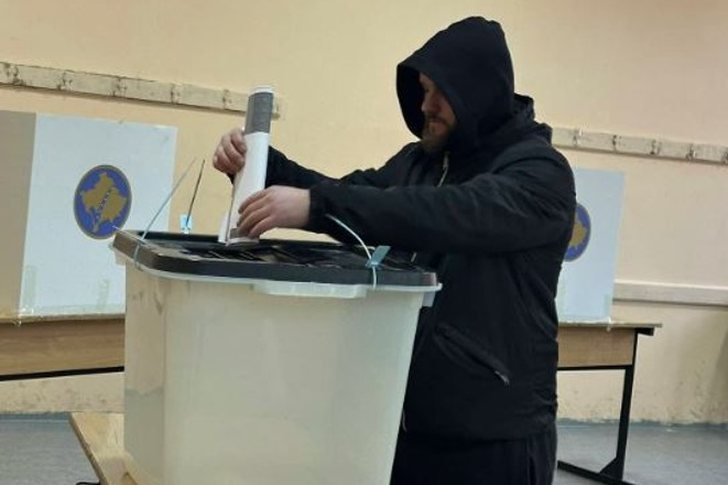
All polling stations in Kosovo have opened and voting has ...
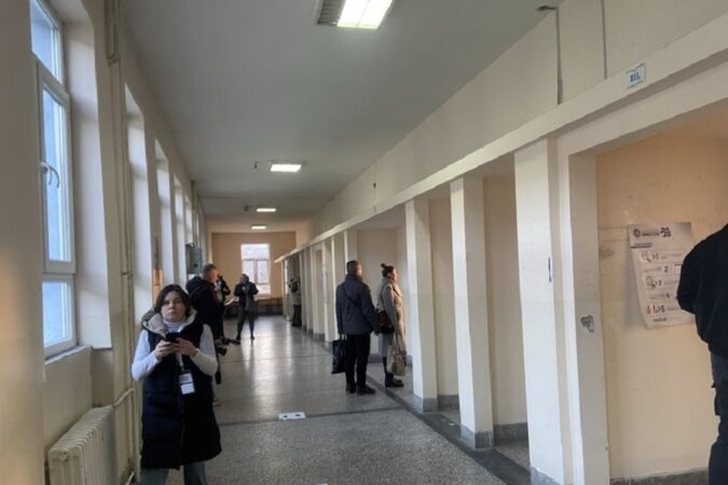
Parliamentary elections are being held in Kosovo today, th...
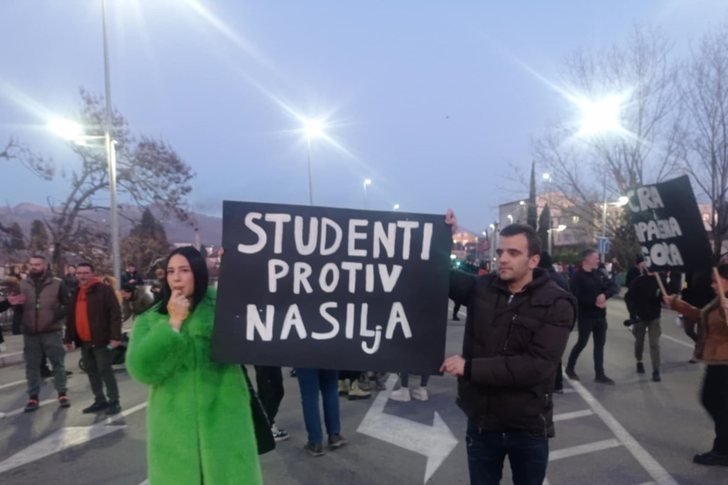
Grupi i studentëve “Kamo Sjutra” (“Kah nesër”) në Mal të Z...
Police in Mitrovica have arrested a person suspected of co...
Ukrainian President Volodymyr Zelenskyy has not confirmed ...
The Central Election Commission of Kosovo has updated info...
Lebanon formed a new government on Saturday, following unu...
Around 2 million citizens with the right to vote will be a...
The imposition of 25 percent tariffs on Mexican products h...
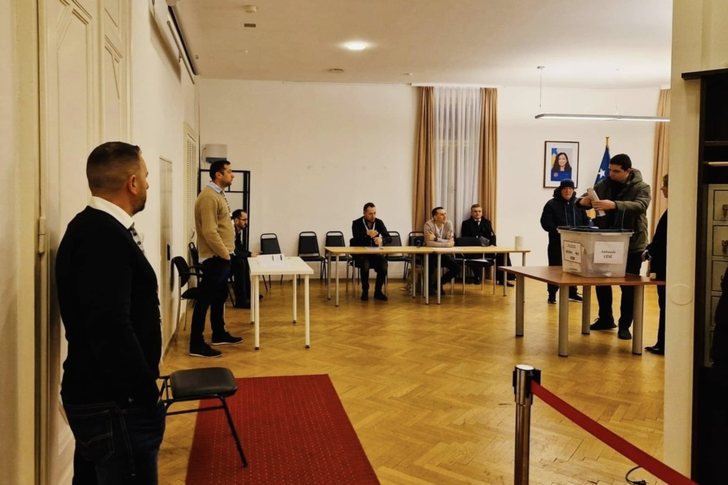
Kosovo citizens living in the diaspora are voting on Satur...

A federal judge blocked the Department of Government Effic...
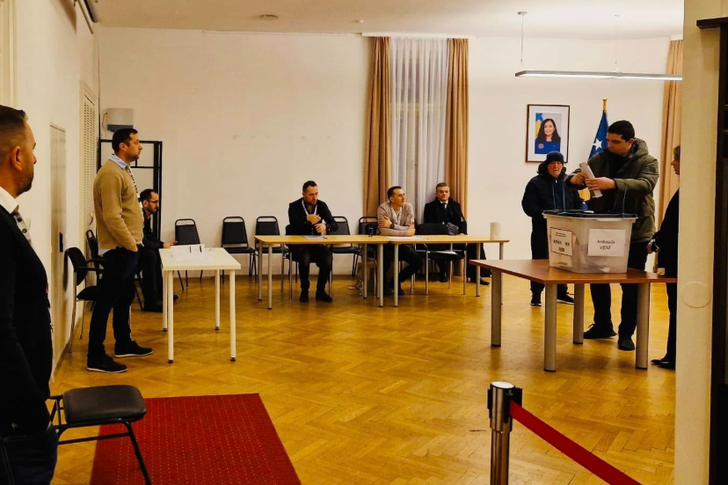
The voting process of the diplomatic missions of the Repub...
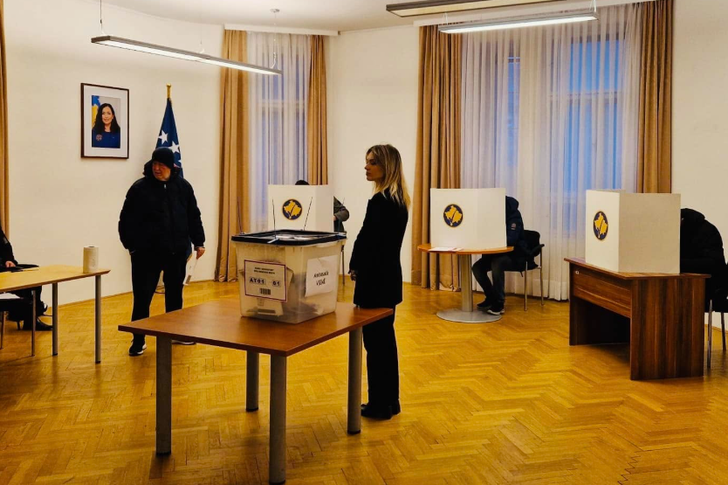
Voting has begun at the diplomatic missions of the Republi...

President Donald Trump has announced that he has fired the...
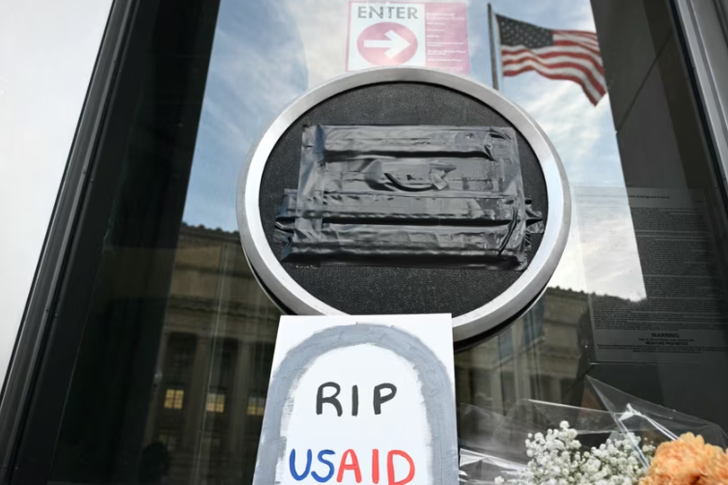
A federal judge on Friday temporarily blocked President Tr...
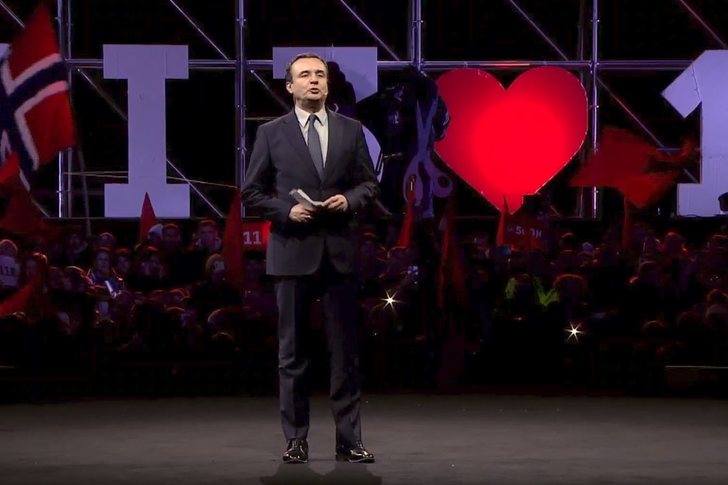
Albin Kurti, the leader of LVV and also the Prime Mini...
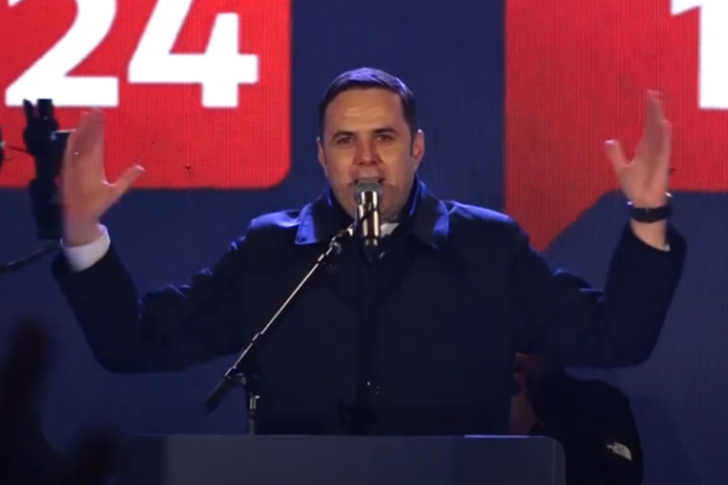
The leader of the Democratic League of Kosovo and candidat...
US President Donald Trump today continued his attacks on t...
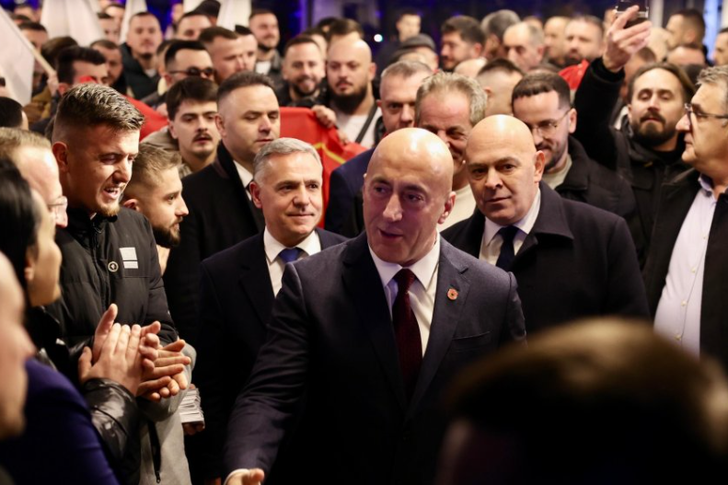
Ramush Haradinaj, Chairman of the Alliance for the Future ...
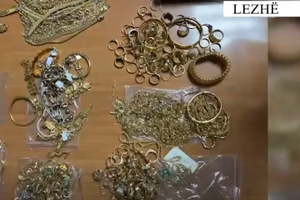
A 39-year-old citizen has been arrested in Lezha, after se...

CNA has launched another investigation that could lead to ...

Irfan Hysenbelliu is a businessman that we call "Irfan the...

In March 2026, CNA launched another investigation centered...

The Special Board of Appeal (KPA) decided this Monday ...

The KPA vetting decided this Thursday to dismiss the p...

Suela Salavaçi, a prosecutor in the Prosecutor's Offic...

The Special Board of Appeal reinstated the prosecutor ...

Several gunshots were reported today in the village of Gjo...
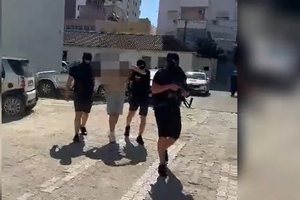
Following the successive operations carried out by the ope...
The Police Supervision Agency has seized the service weapo...
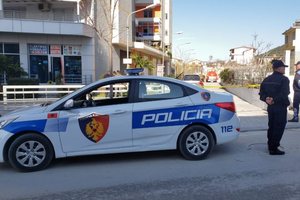
A serious incident occurred in Lushnje, where citizen IY, ...

As the year 2026 is in its second half, the world is exper...

Today, our country will be under the influence of stable a...

By noon, cloudiness is expected to prevail in almost all o...

Children without parental care, for whom alternative famil...
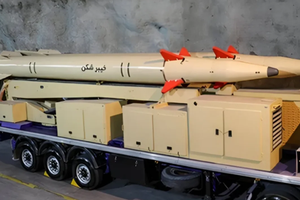
Iran is adapting and enhancing the capabilities of its bal...
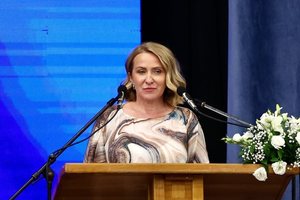
Serbia's Minister of State Administration and Local Self-G...
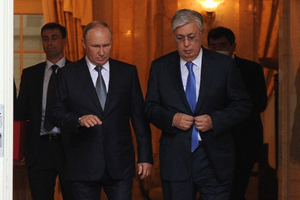
Kazakh President Kassym-Jomart Tokayev shared some critici...
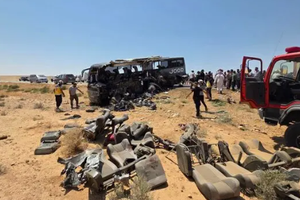
Thirty-five people were killed and 30 others were injured ...
Two windows, a century of history and the metaphysics of p...
In my research at the Central State Archives, specifically...

At a time when industrial products are increasingly taking...

Trust among people is not just a three-syllable word. It c...
This Saturday, one US dollar is bought for 81.7 lek and so...
War, weather and supply disruptions could send gas prices ...
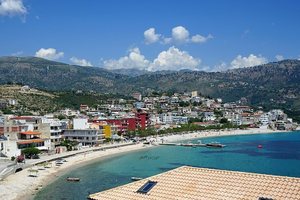
The number of active enterprises in Albania continued to g...
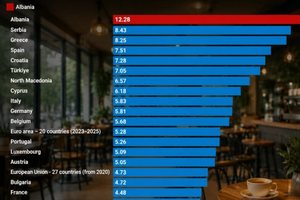
In Albania, the bar-cafe has long become an almost unique ...