


The opposition makes noise/The Assembly adopts resolutions on the work of SPAK and other institutions
The opposition has caused a ruckus in the next parliamenta...

The opposition has caused a ruckus in the next parliamenta...

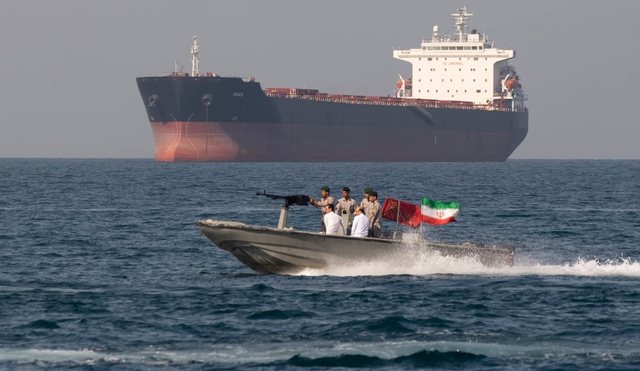
Oil prices rose on Monday as the escalating war in Iran disrupted shipping in the Strait of Hormuz, highlighting how important this passageway is to global oil supplies.
The Strait of Hormuz is the narrow mouth of the Persian Gulf through which about a fifth of the world's oil passes. Ships traveling through the strait, which is bordered to the north by Iran, transport oil and gas from Saudi Arabia, Kuwait, Iraq, Qatar, Bahrain, the United Arab Emirates and Iran.
Most of that oil goes to Asia. Any disruption to movement in the Strait of Hormuz is very concerning for the oil trade.
“The scale of what is at stake cannot be overstated ,” said Hakan Kaya, senior portfolio manager at investment management firm Neuberger Berman.
He said a partial slowdown lasting a week or two could be absorbed by oil companies. But a full or near-full shutdown lasting a month or more would push crude oil prices, which were trading around $70 on Monday, “into triple digits” and European natural gas prices “towards or above crisis levels seen in 2022.”
A key waterway for global maritime transport.
The Strait of Hormuz is a curved waterway, about 33 kilometers wide at its narrowest point. It connects the Persian Gulf with the Gulf of Oman. From there, ships can travel to the rest of the world.
While Iran and Oman have their own territorial waters in the strait, it is seen as an international waterway through which all ships can pass. The United Arab Emirates, home to the skyscraper-filled city of Dubai, also sits near this waterway.
The strait has long been important for trade
The Strait of Hormuz has historically been important for trade, with ceramics, ivory, silk and textiles moving from China through the region.
In the modern era, it is the route for supertankers carrying oil and gas from Saudi Arabia, Kuwait, Iraq, Qatar, Bahrain, the United Arab Emirates and Iran. Much of it goes to markets in Asia, including Iran's only remaining oil customer, China.
While there are pipelines in Saudi Arabia and the United Arab Emirates that could bypass the crossing, the US Energy Information Administration says that "most of the materials passing through the strait have no alternative means of exiting the region."
Threats to the route have significantly increased global energy prices in the past, including during the Israel-Iran war in June.
Is the strait closed?
The strait is not officially closed, but ship movement has dropped significantly after satellite navigation systems were disrupted, data and analytics firm Kpler said in a post on the "X" platform on Sunday.
The UK Maritime Trade Operations Centre reported attacks on several ships in the area on both sides of the strait and warned of high levels of electronic interference in systems that indicate where ships are.
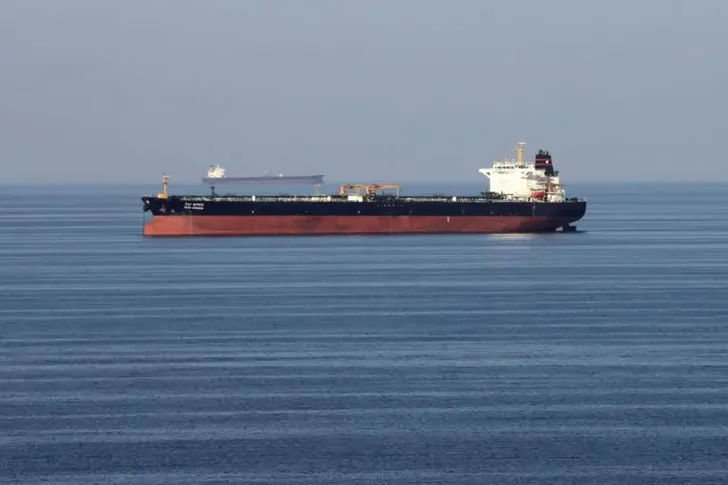
A drone ship carrying bombs hit a Marshall Islands-flagged oil tanker in the Gulf of Oman, which enters the strait from the east, killing one sailor. Iran has threatened ships approaching the Strait of Hormuz and is believed to have launched multiple attacks.
Global carriers suspend operations
Global shipping carriers have issued service alerts saying they have suspended operations in the area. Danish shipping company Maersk, the world's largest shipping company, said on Sunday it was suspending all ship passages through the Strait of Hormuz until further notice.
Other ocean carriers, including Hapag-Lloyd, CMA-CGM and MSC, made similar announcements.
“Nobody wants to sail it and there’s no insurer that’s willing to support any shipping that goes through there right now. Those ships that are stuck in the Gulf are not going anywhere. There are also a bunch of ships that were going to the Gulf to replace them and of course they’re either anchored or going somewhere else right now,” said Tom Goldsby, chair of logistics in the Department of Supply Chain Management at the University of Tennessee.
Data and analytics firm Kplr estimated that there are 70 tankers loaded with crude oil and 75 clean tankers carrying refined petroleum products in the Middle East Gulf that appear to be waiting to pass. That's about double the usual number, according to Kplr.
Meanwhile, about 60 tankers are located just outside the Middle East Gulf, east of the Strait of Hormuz, in a waiting pattern. A forecast in February.
A preview in February
Iran temporarily closed parts of the strait in mid-February for what it called a military exercise. Oil prices rose by about 6% in the days that followed. The decision was a rare, perhaps unprecedented, closure of the strait.
In past times of tension and conflict, Iran has occasionally harassed shipping through the straits, and during the Iran-Iraq war in the 1980s, both sides attacked tankers and other vessels, using naval mines to completely shut down traffic at certain points.
But Iran has not carried out repeated threats to completely close the waterway since the 1980s, not even during last year's 12-day war when Israel and the U.S. bombed Iran's key nuclear and military sites. /Retrieved from AP

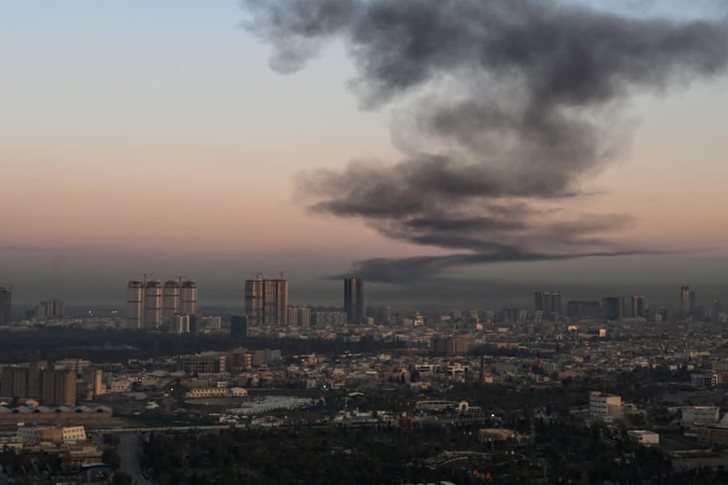
A US military base in Iraq has been attacked by drone, for...
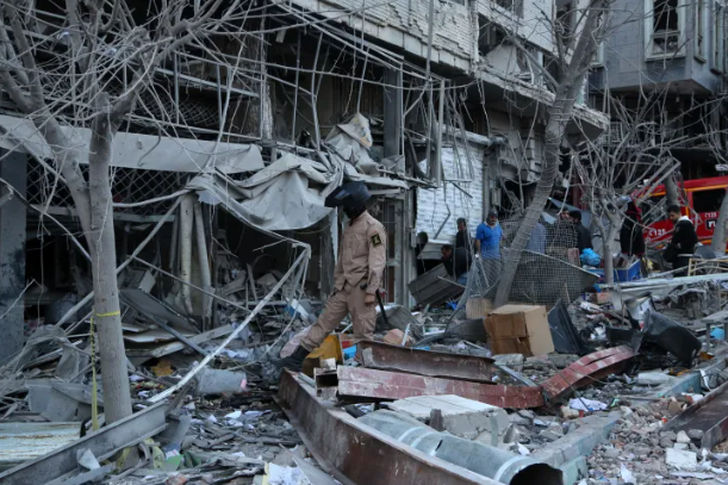
The Israeli military has stated that it is carrying out si...
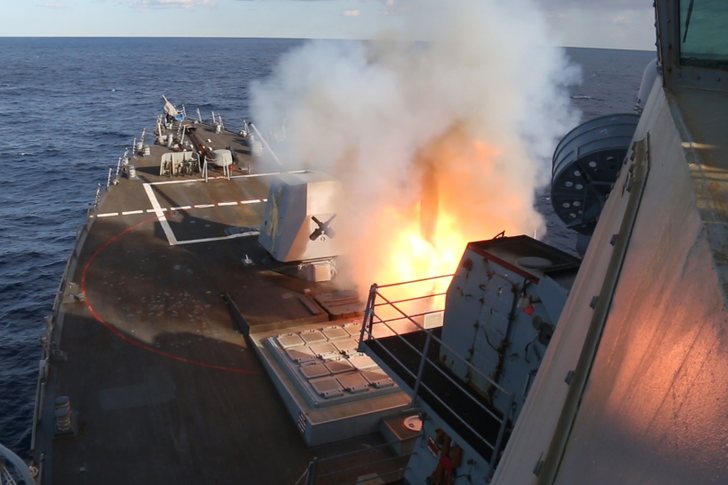
Komanda Qendrore e Shteteve të Bashkuara të Amerikës tha s...
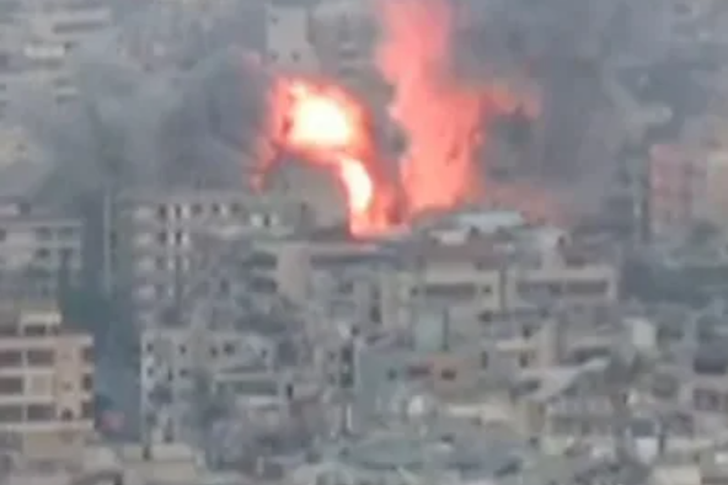
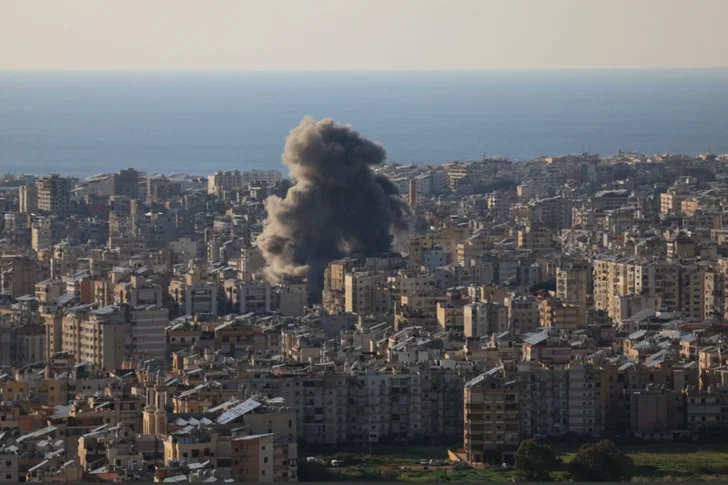
A series of powerful explosions rocked the southern suburb...
An Iranian official says Iran will set fire to anyone who ...
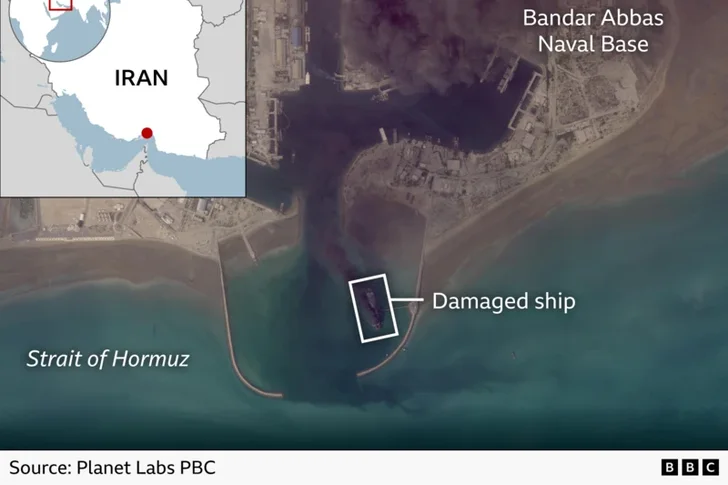
US Central Command, Centcom, says it has sunk 11 Iranian s...
Iran's ambassador to Spain, Reza Zabib, warned that his co...
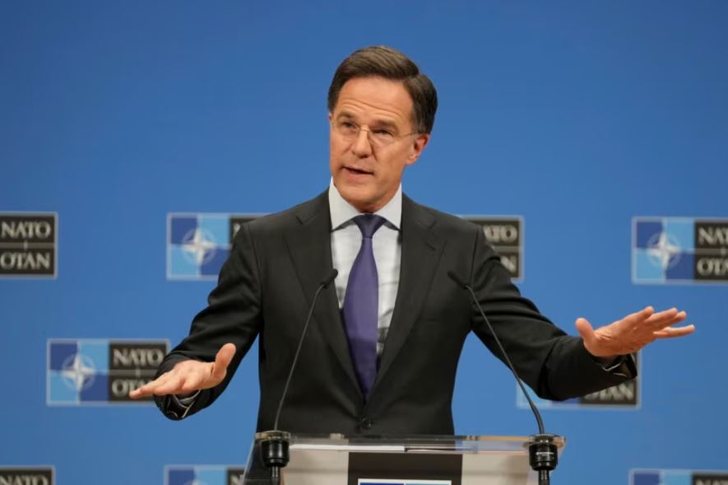
NATO Secretary General Mark Rutte spoke today about the mi...
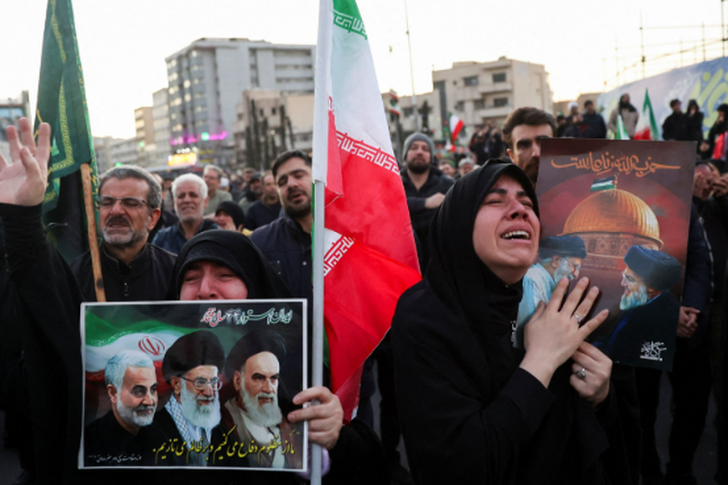
Thousands of people gathered in the center of Iran's capit...
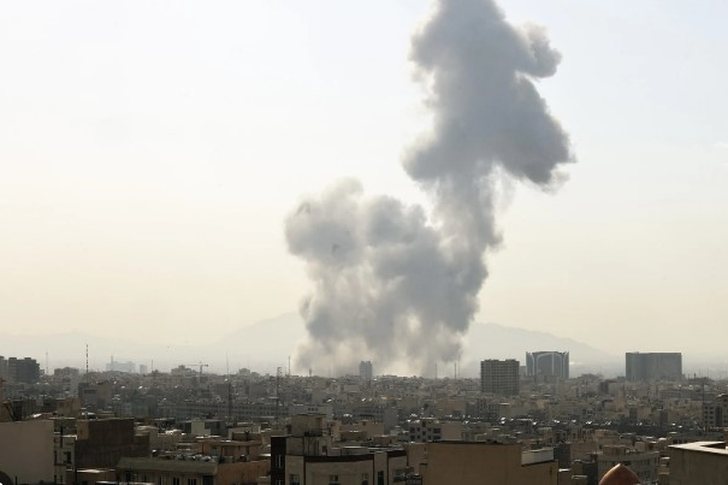
Iran's IRGC-affiliated Tasnim News Agency has published a ...

US President Donald Trump said in a press conference that ...
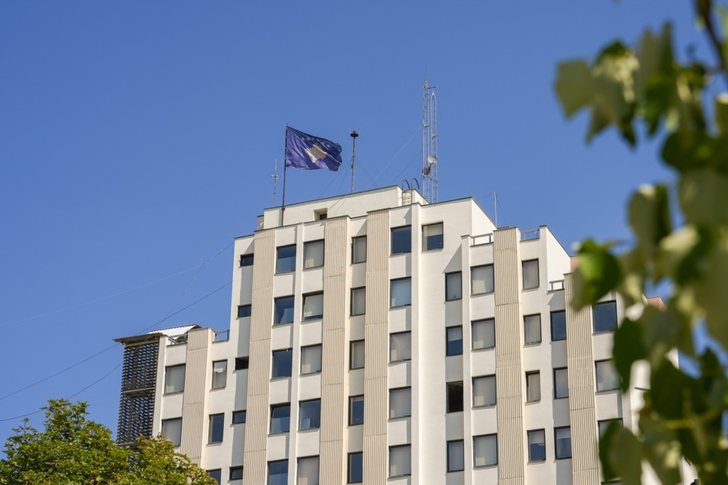
The Kosovo Ministry of Foreign Affairs and Diaspora announ...

US President Donald Trump today shared some details and po...
Iranian commander vows to bomb Cyprus to force US jets to ...
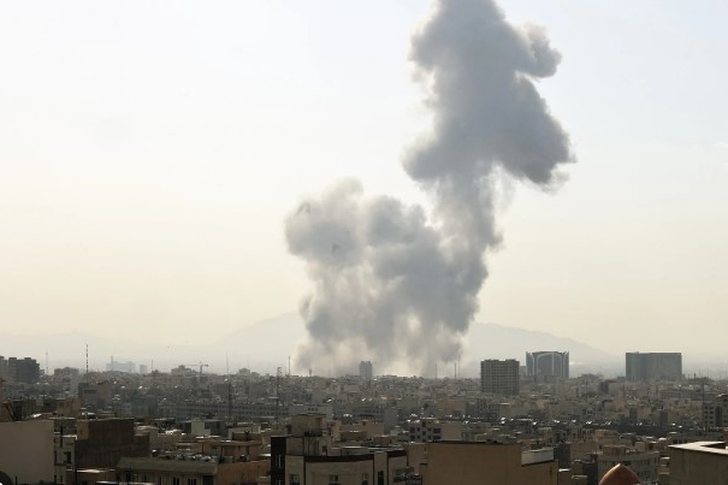
Strong explosions are reported in the area near a nuclear ...
It took just one minute to change the world. Within the fi...

Kryetari i Lidhjes Demokratike të Kosovës (LDK), Lumir Abd...
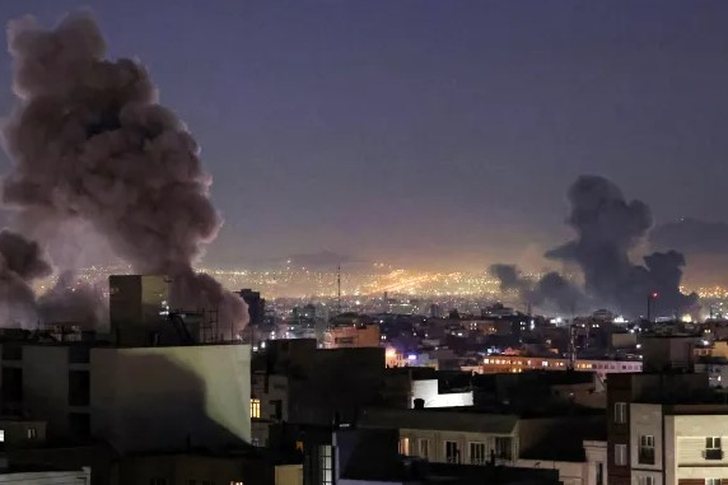
The impact of the attacks on Iran has given the United Sta...
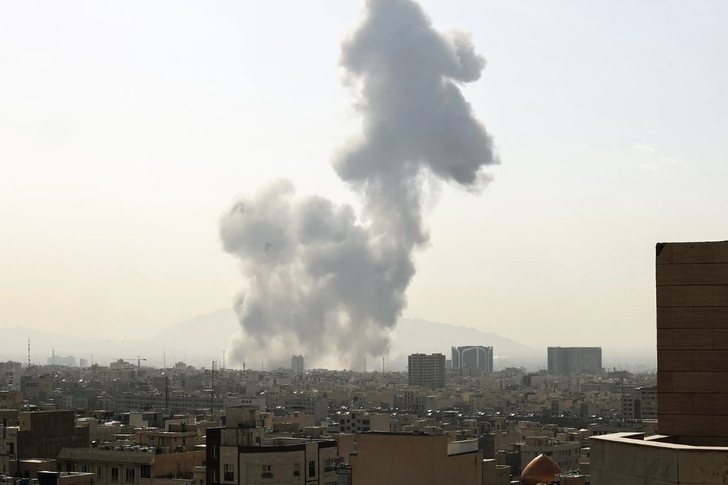
US Secretary of Defense Pete Hegseth gave a statement to t...
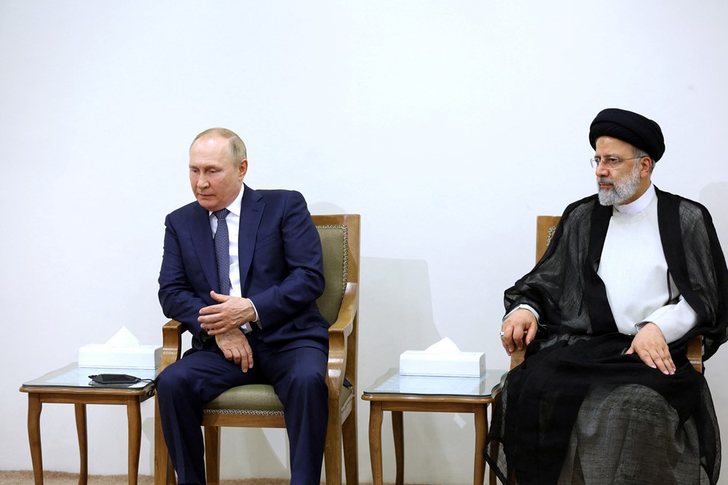
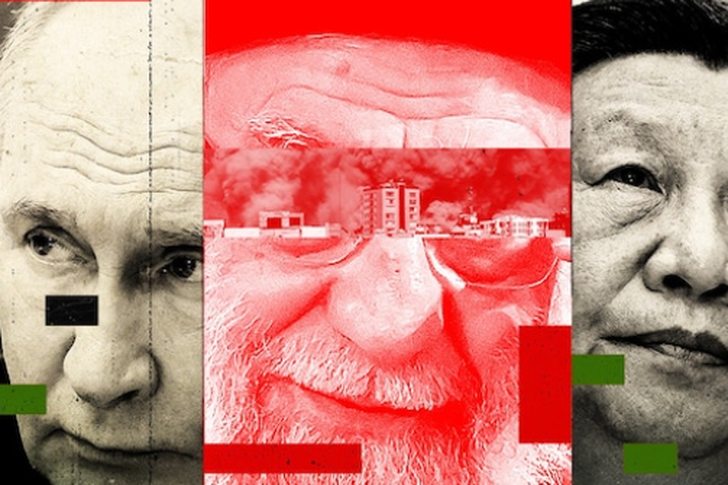
First Bashar al-Assad, then Nicolas Maduro, now Ayatollah ...

CNA has launched another investigation that could lead to ...

Irfan Hysenbelliu is a businessman that we call "Irfan the...

In March 2026, CNA launched another investigation centered...
The arrested mayor of Tirana, Erion Veliaj, with 13 charge...

The Special Board of Appeal (KPA) decided this Monday ...

The KPA vetting decided this Thursday to dismiss the p...

Suela Salavaçi, a prosecutor in the Prosecutor's Offic...

The Special Board of Appeal reinstated the prosecutor ...
A person has died today on Orikum beach. According to repo...

Footage emerges from the serious accident that occurred th...

A Shkodra traffic police officer was hit with hard objects...
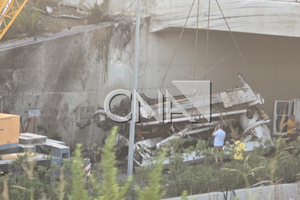
This Wednesday, around 4:00 PM, a serious accident occurre...

Children without parental care, for whom alternative famil...

On Thursday, our country will be under the influence of st...
A serious accident that occurred this Wednesday with the c...

The Institute of Geosciences has shared a forecast for wea...

Artificial intelligence (AI) models from the American comp...

At least 10 people have died after a fire broke out in a h...
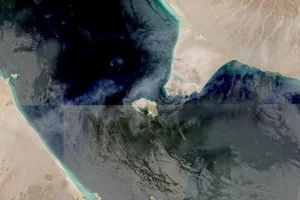
Yemen's Houthis have claimed to have attacked two Saudi oi...

The trial of ousted Venezuelan President Nicolas Maduro on...

At a time when industrial products are increasingly taking...

Trust among people is not just a three-syllable word. It c...

Master of humor Todi Llupi has passed away at the age of 7...

The ninth edition of "MIK Festival" kicked off with one of...
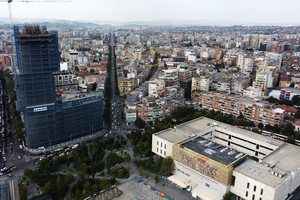
The average sale price of apartments in Tirana reaches rec...

This Thursday, one US dollar is bought for 81.5 lek and so...
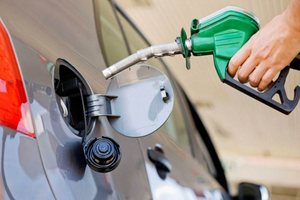
The price of diesel reached 206 lek per liter from 198 lek...

Businesses will no longer be required to simply register t...