


Strike in Greece, movement in Kapshtica and Qafë Botë temporarily suspended
Due to the strike of Greek customs employees, the Kapshtic...

Due to the strike of Greek customs employees, the Kapshtic...

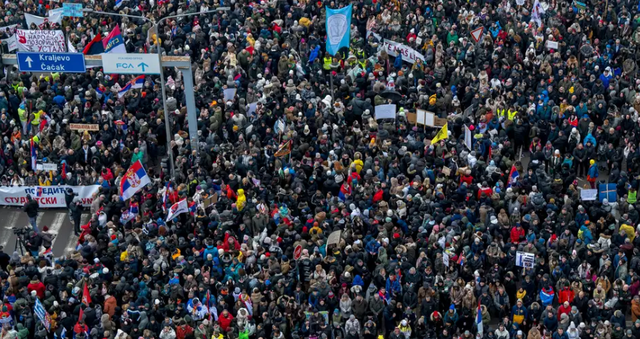
Student blockades are not stopping, while Vu?i? says that the protests are dying down and that the Serbian government is fighting corruption. What can we expect next?
Student protests in Serbia have been going on for almost four months and for now it doesn't seem like they will end. But it is not known what their epilogue will be. The authorities in Serbia continue to claim that all the students' demands have been met and call on the academic community to engage in dialogue. However, even these calls for dialogue have diminished in recent days. The impression is that the regime's leaders have once again decided on their favorite tactic: buying time and wearing out the opponent.
The prime minister's resignation has not yet been confirmed in parliament and it is unlikely to be the first item on the agenda at the next parliamentary session on March 4. In practice, this means that the government still has a few months to decide whether to go to elections or the leaders will try to form a new government. It is thought that by then the student protests will either cease or become irrelevant.
At the same time, as a way to calm public opinion, a war against corruption was supposedly launched, where mainly former directors of public companies were arrested for criminal offenses committed several years ago.
Arrests with negotiated outcome
Professor at the Faculty of Philosophy in Belgrade, Ognjen Radonjic, draws attention to the fact that "the prosecution started an investigation into corruption in connection with the collapse of the tent because of, as they say, public pressure". Why did they need public pressure to do this? This is precisely why we now have the government's narrative that it is not about corruption, but about professional error.
"The other embezzlement arrests that are happening are not related to the students' demands, so I think it's all just a publicity stunt with a predetermined outcome," says DW's interlocutor.
The so-called war on corruption is an attempt by the Serbian Progressive Party to reactively reflect these events and carry out a kind of crisis management, political scientist Dejan Bursac told DW.
"If you are a party that has a lot of problems with corruption, and the main topic in society right now is corruption, then you have a problem that you have to somehow react to," he says. I'm not sure that the SNS will achieve anything with these arrests, because people's reaction to all this could be: you knew about all this, why didn't you do anything about it in previous years and now you are arresting so many people in a few weeks.
"Likewise, the reaction could be that these are just small fish. And if they have become so rich, then how much richer have those in much higher positions become from theft," believes Bursaq.
The government and its actions
Government leaders talk about a new government. New elections will not bring anything new, according to Radonjic. "The new government certainly does not change anything fundamentally," says Ognjen Radonjic. "It will continue in the old rhythm and it is not known how things will end." If the students will not give up their demands, then it is not known how the problems will be solved. We do not know how long the protests will last and whether there will be violence. "But that is how it is with dictatorships that are deeply involved in corruption and crime," notes Radonjic.
"The SNS will wait to go to the elections at a calmer time for it, because that would stop the pressure," says Dejan Bursac. "Now the situation is different. Students may call for a boycott of the elections, which many in the opposition may also join. This whole farce of violating the constitutional deadline of 30 days for announcing the resignation of the prime minister serves Aleksandar Vu?i? to assess the situation and decide whether to form a new government or go to the elections," Bursac emphasizes to DW.
The government leads a parallel life
A whole series of new protests are being announced in Serbia. The largest is expected to take place in Niš on March 1. However, as many large protests have already taken place, public opinion has begun to question how effective the protests are and what their goals are. This is especially important after the election of the new mayor of Novi Sad, who was appointed under police siege and without opposition.
Ognjen Radonjic notes that "it is true that the government is trying to continue with a kind of parallel life, while the student protests have nevertheless significantly mobilized people". But Radonjic believes that the spread of the protests has stopped somewhere, because only education and lawyers are in some kind of protest. This is not enough. "The main weapon is the delegitimization of this government and the general strike, but of course we should not forget Europe's attitude towards this government, which unfortunately is very favorable", says Radonjic.
It depends on what the purpose of all these protests is for them to have an effect, adds Dejan Bursac. The students have their four demands and have not had any political demands in the narrow sense. Other issues, such as the new mayor of Novi Sad, the election of a prime minister, or the possible fall of the regime, are issues for other social forces. The students significantly threatened this regime with their actions and led to the fall of the government after 17 years.
"But now we are talking about a political articulation of the protests, and this responsibility lies with the opposition parties, existing or new, who must emerge from this wave of dissatisfaction," Bursaq assesses.
The political articulation of rebellion
One of the dilemmas that has also divided the democratic public is the continuous distancing of students from political parties. While this was met with unanimous approval in the initial phase, a different course of action is now required. "I understand why they distance themselves from political parties and I think that so far this has benefited them. They are probably the most important political factor in Serbia today and it is quite legitimate for them to propose a political platform, which could also include some opposition parties.
The problem is that the opposition has not found its place in this duel between the government and the students, says Dejan Bursaq, "because after the student protests, the public has high expectations, which a large part of the opposition cannot fulfill. "There are different ways in which the opposition can be involved, because the student protests do not mean that the opposition is excluded from political action and that it cannot put pressure on the government and work for its overthrow," Bursaq concludes. for DW./ DW

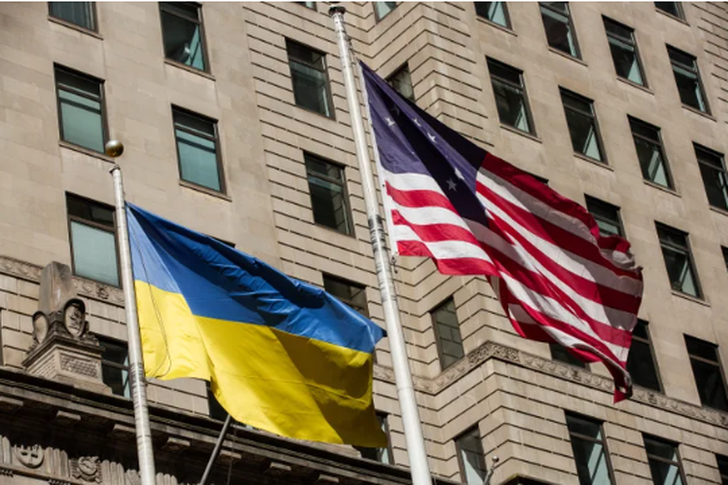
Ukraine and the US have agreed on the terms of a major min...
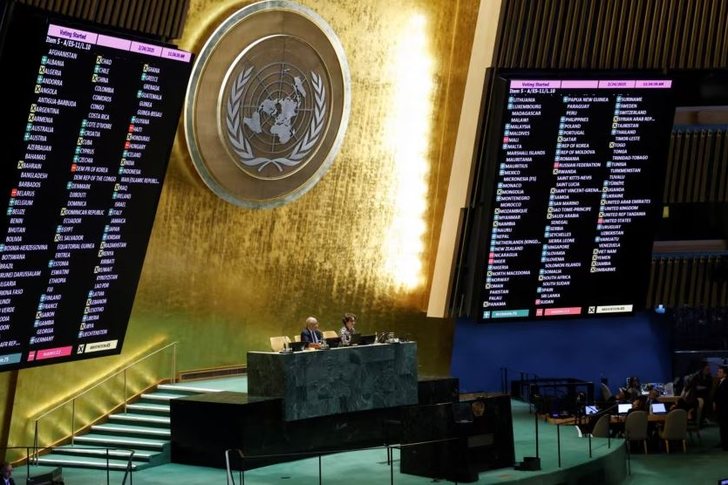
The Kremlin welcomed what it described on Tuesday as a "mo...
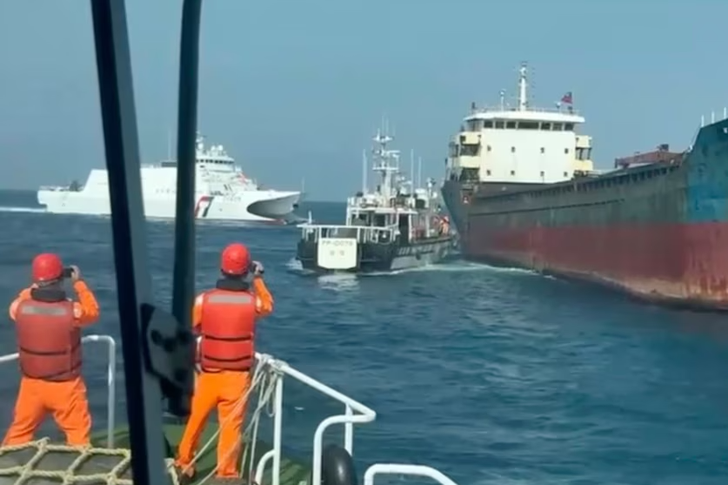
Taiwanese authorities are investigating a Chinese-manned s...
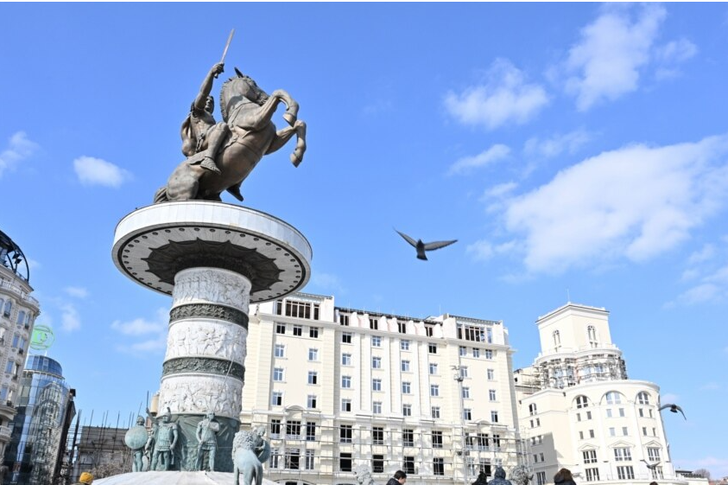
The government of North Macedonia today approved the propo...
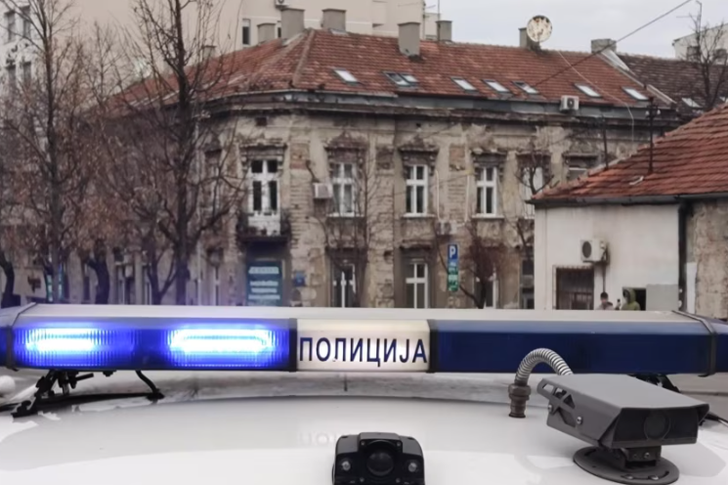
The High Public Prosecutor's Office in Belgrade has announ...
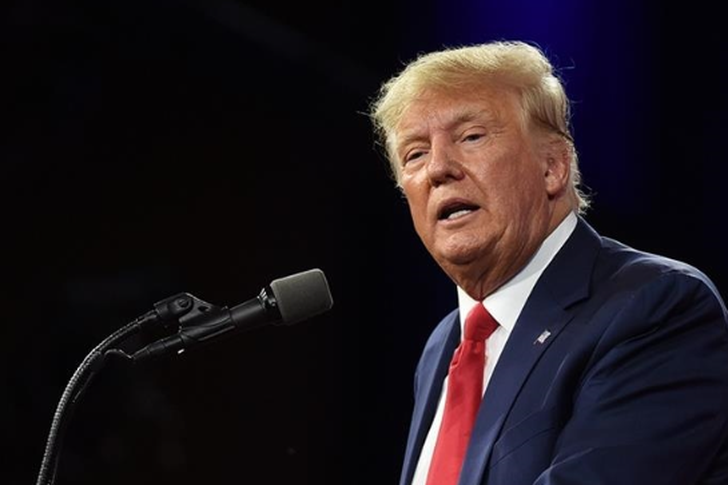
A new Harvard CAPS-Harris poll finds that a majority of Am...
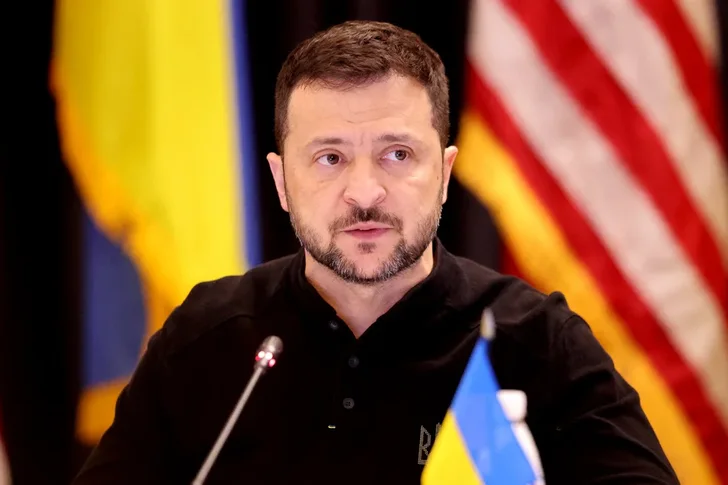
Ukrainian President Volodymyr Zelensky said today that he ...
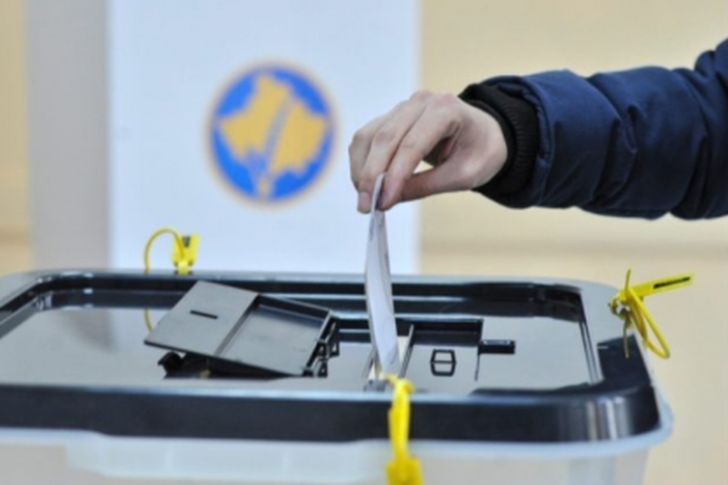
The Central Election Commission in Kosovo has announced th...

President Donald Trump met with French President Macron ye...
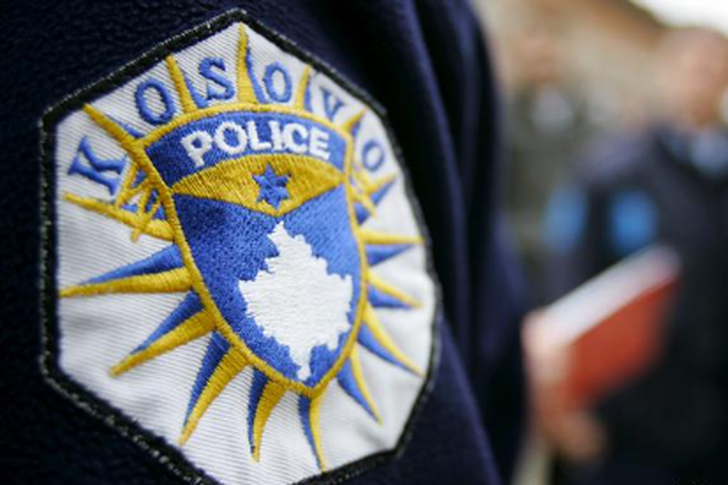
Kosovo Police arrested 6 people today suspected of attacki...
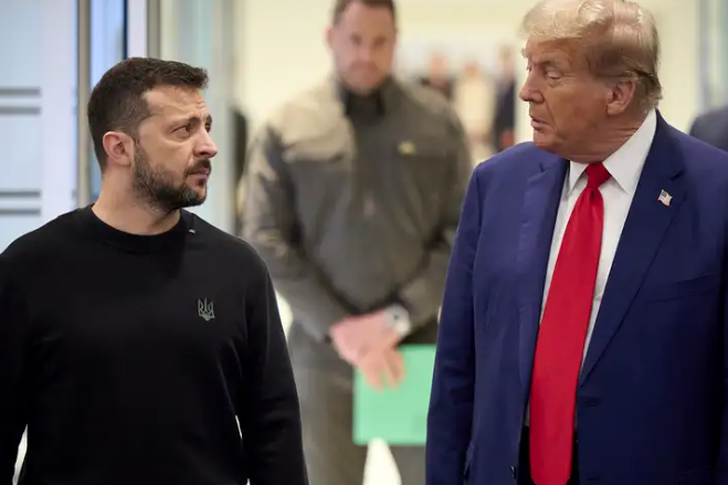
Following the adoption of a Moscow-friendly resolution reg...
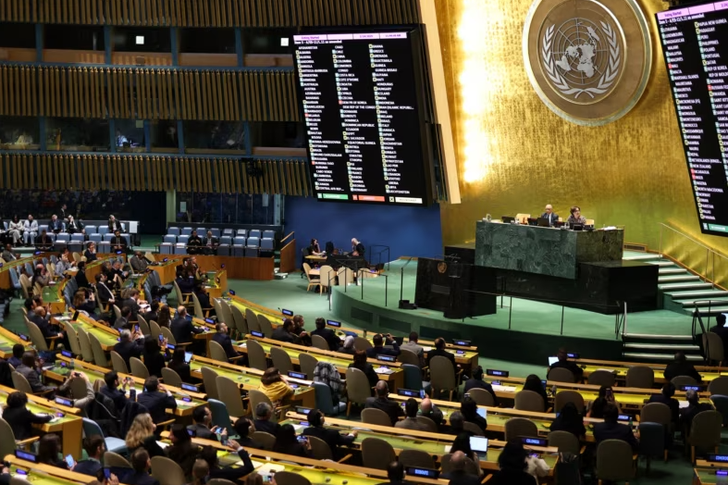
United Nations members have adopted a resolution supportin...
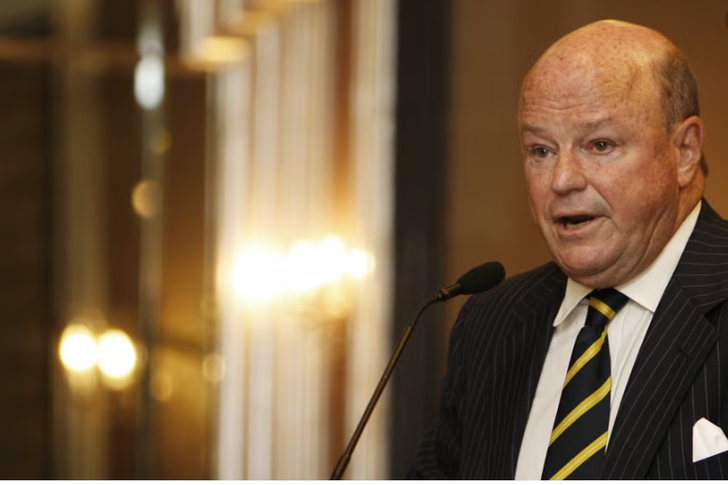
Frank Wisner, the former United States envoy for talks on ...

French President Emmanuel Macron arrived at the White Hous...
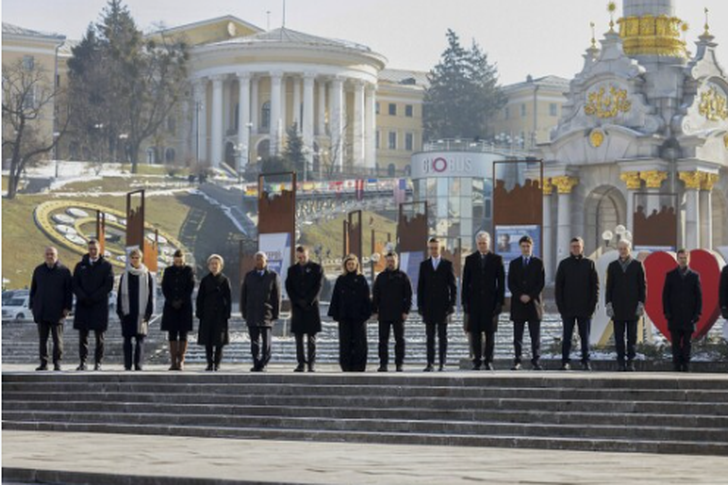
A large number of leaders from Europe and Canada were in t...
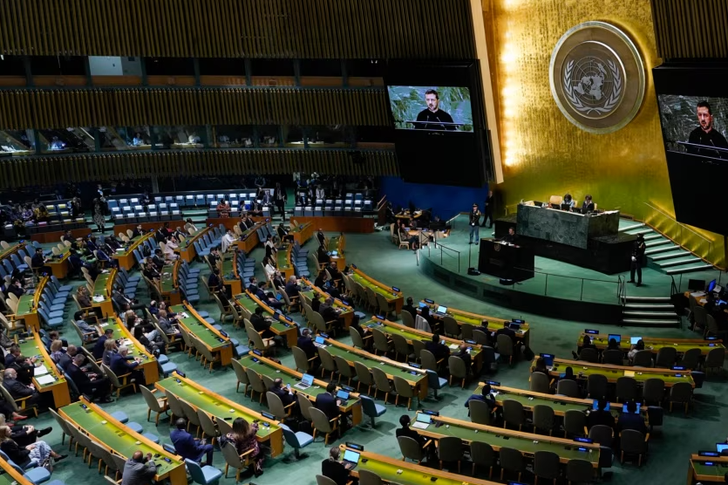
A resolution drafted by the United States and another draf...
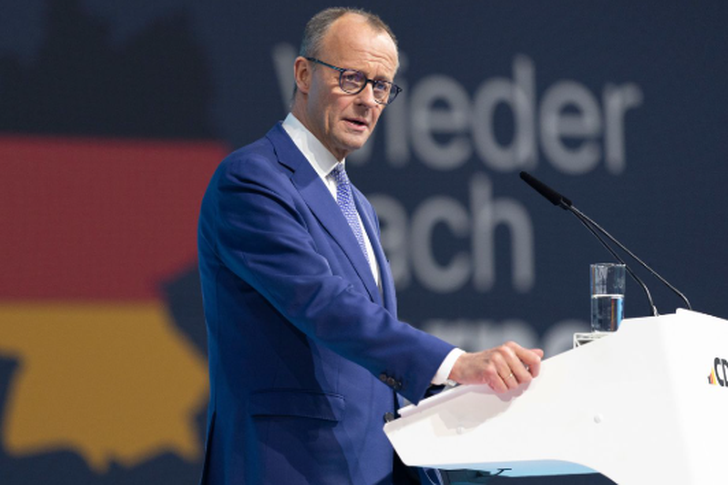
Expected to be Germany's next chancellor/ Who is Friedrich...
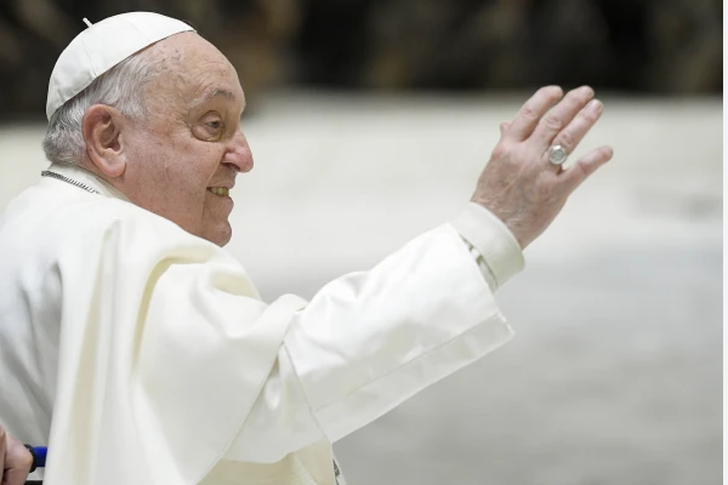
The Vatican has provided new details on the condition of P...
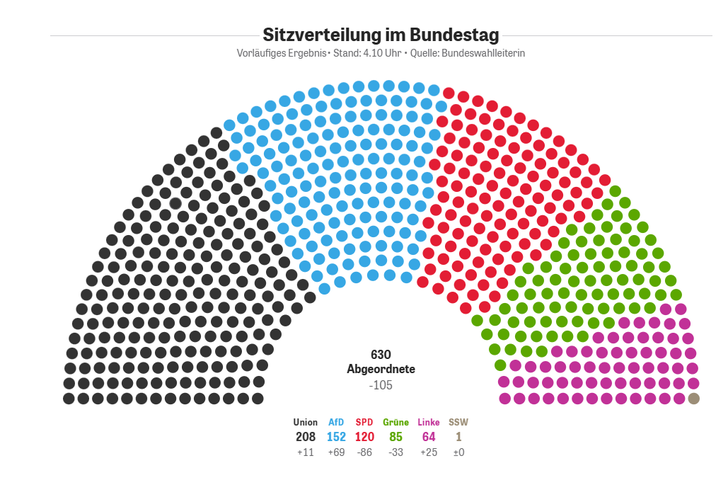
In Germany, the results for all 299 constituencies from Su...
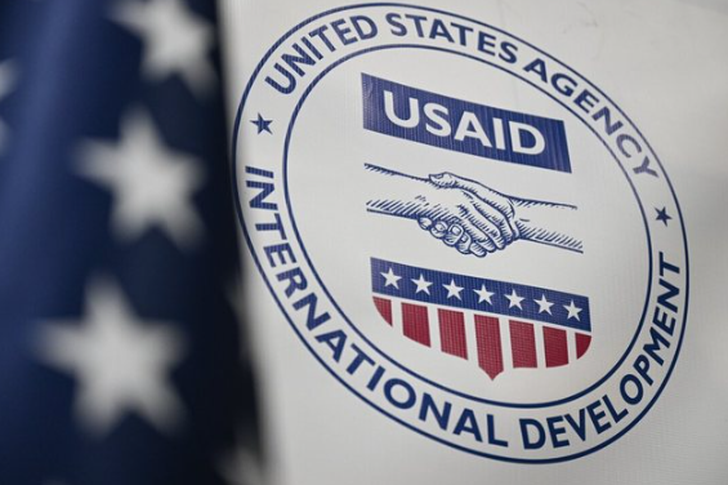
The Trump administration took the rapid dismantling of the...
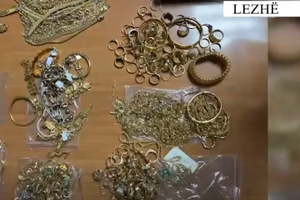
A 39-year-old citizen has been arrested in Lezha, after se...

CNA has launched another investigation that could lead to ...

Irfan Hysenbelliu is a businessman that we call "Irfan the...

In March 2026, CNA launched another investigation centered...

The Special Board of Appeal (KPA) decided this Monday ...

The KPA vetting decided this Thursday to dismiss the p...

Suela Salavaçi, a prosecutor in the Prosecutor's Offic...

The Special Board of Appeal reinstated the prosecutor ...
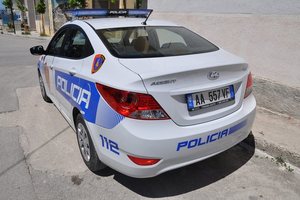
As a result of the investigative and procedural actions ca...
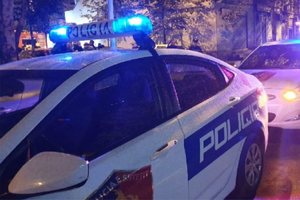
A conflict for weak motives was recorded today in the vill...
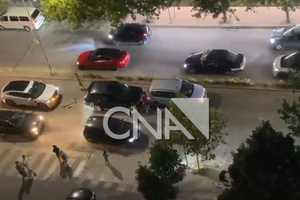
An accident involving three vehicles occurred a few minute...
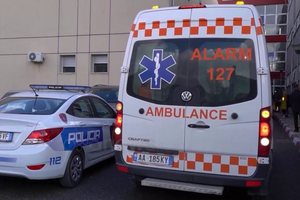
55-year-old Belere Plaka, who was injured today with a sho...

Today, our country will be under the influence of stable a...

By noon, cloudiness is expected to prevail in almost all o...

Children without parental care, for whom alternative famil...
On Thursday, our country will be under the influence of st...

Marine Le Pen is entering the decisive phase of the presid...
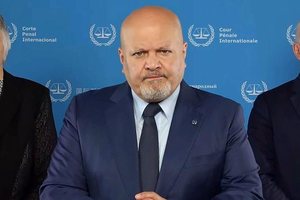
Member states of the International Criminal Court voted to...
From the declining role of exports to new public investmen...

South Korea is becoming one of the most sought-after desti...
Two windows, a century of history and the metaphysics of p...

In my research at the Central State Archives, specifically...

At a time when industrial products are increasingly taking...

Trust among people is not just a three-syllable word. It c...

This Saturday, one US dollar is bought for 81.7 lek and so...
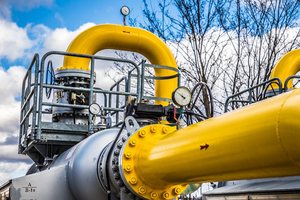
War, weather and supply disruptions could send gas prices ...
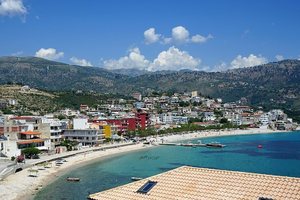
The number of active enterprises in Albania continued to g...
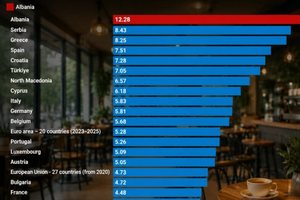
In Albania, the bar-cafe has long become an almost unique ...